As the latest UNEP reports we will blow past 1.5°C, we must prioritise solutions that work, rather than focusing on complex, unproven technologies
For anyone who’s been paying attention, it’s no surprise that the United Nations Environment Program (UNEP) reports that we will now inevitably blow past the global average temperature threshold of 1.5°C above pre-industrial levels.
Climate scientists like myself have been warning for years that we are about to cross this invisible red line, while quietly worrying that global average temperatures will end up being double that. Personally, I said goodbye to 1.5°C several years ago, but it still feels momentous to see it written in print, and that too by the UN.
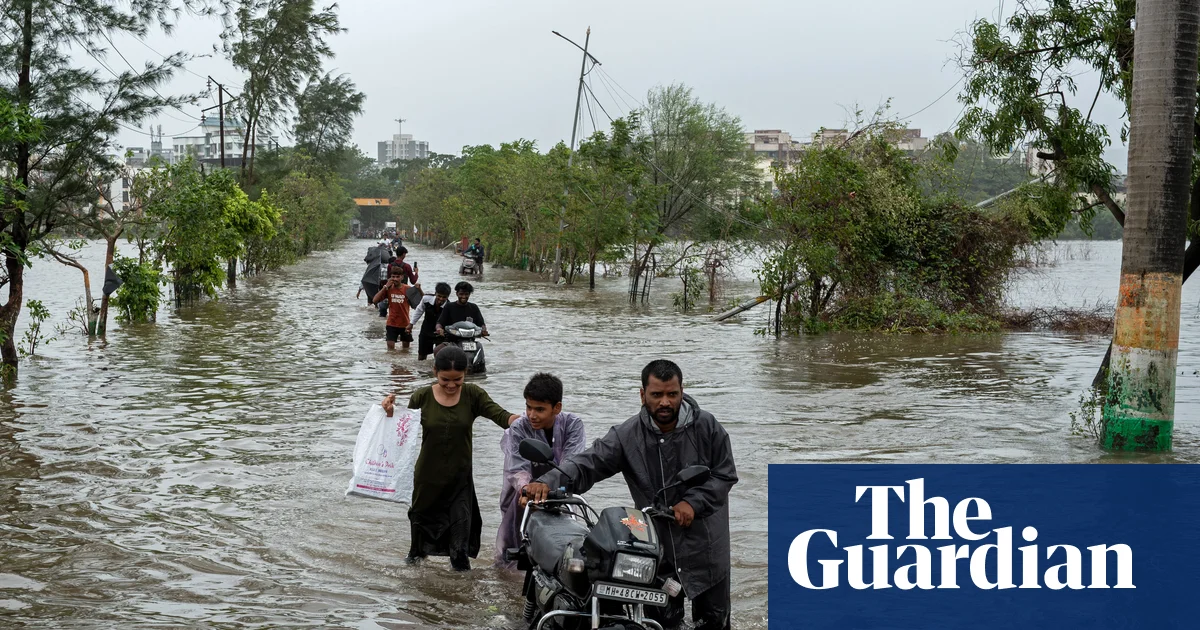
The target to keep warming to 1.5°C above pre-industrial temperatures isn’t some hard red line in the sand, because all warming carries some risk, but it’s relevant because limiting warming to 1.5°C gives us a good chance of avoiding some of the worst impacts of climate heating. We’ve already had a glimpse of what this looks like in the myriad heatwaves, wildfires, floods, droughts and storms that have made headlines this year.
Every tenth of a degree of heating means real-terms impacts for peoples’ lives, livelihoods and property, and increases the risk of the extreme events that we’ve already seen tragically claim so many lives. It also increases the likelihood of exceeding critical tipping points such as the collapse of the West Antarctic Ice Sheet, beyond which there’s no return.