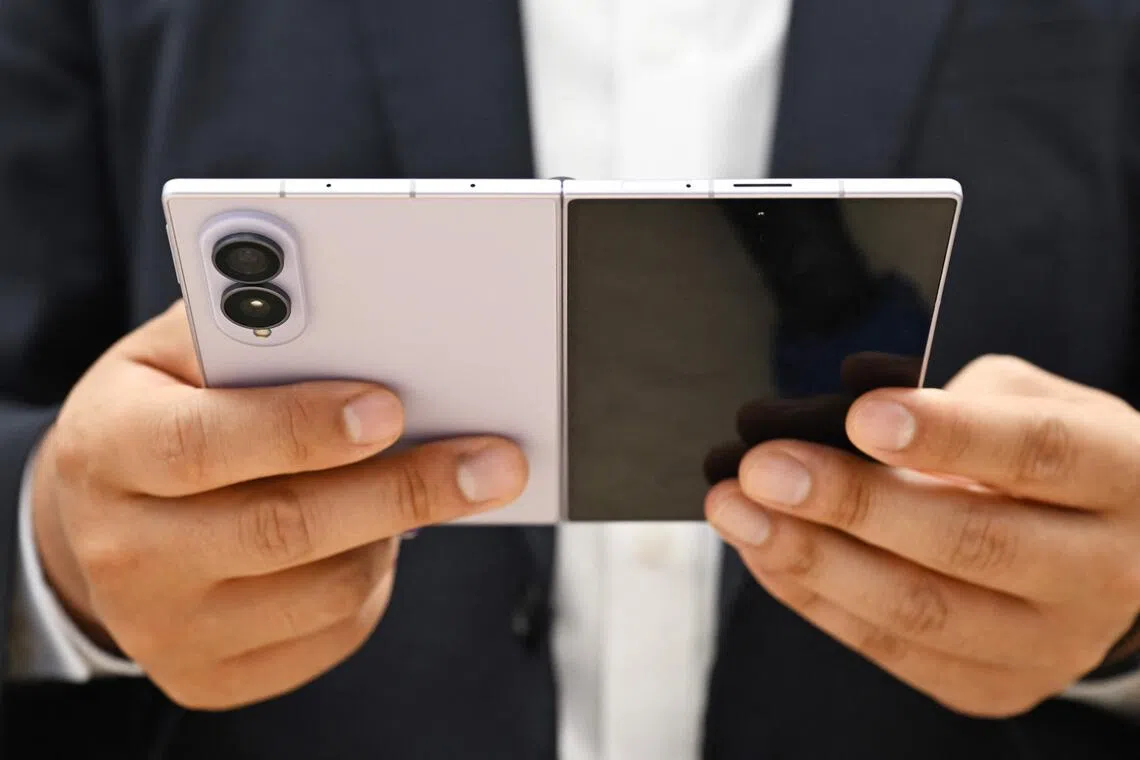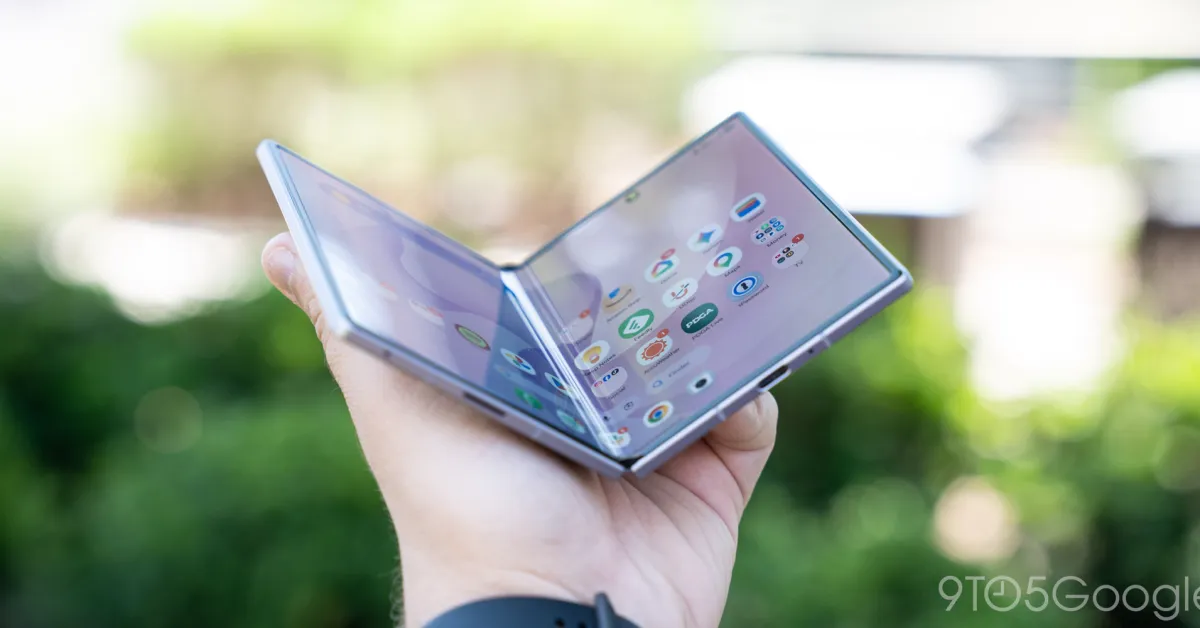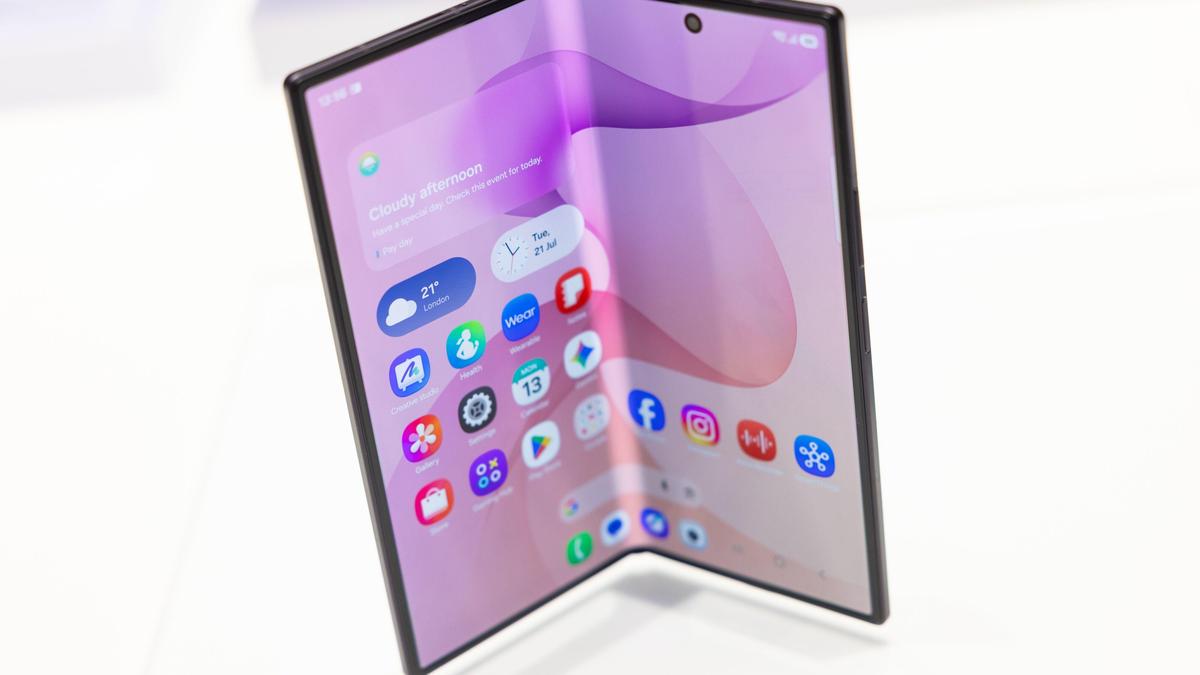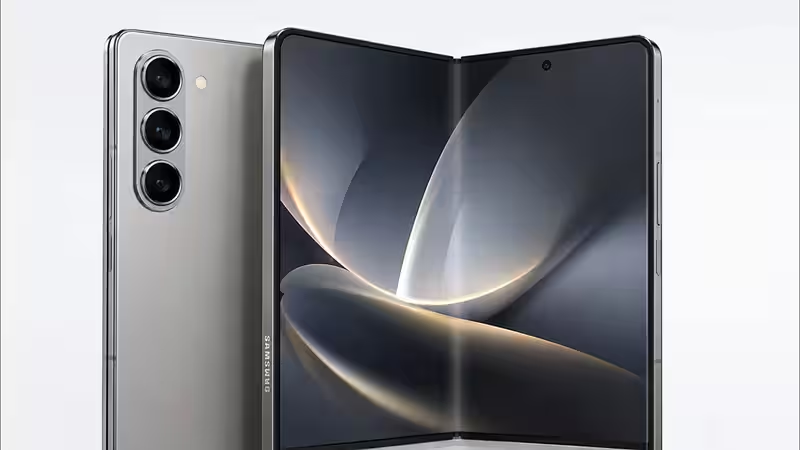
Samsung's Galaxy Z8 series sold roughly 8 per cent more units in its first two weeks on sale, 7 to 15 August 2026, than the Galaxy Z7 series managed in its 2025 launch window, with the new passport-style Galaxy Z Fold 8 taking about 57 per cent of series sales. The launch lands in a category crossing 100 million cumulative shipments this year, and days before Apple's expected first foldable, which Counterpoint forecasts will seize 25 per cent of the 2026 market for the number two spot behind Samsung's 38 per cent.For six months, Samsung's 2026 had a hole in it. From week 20 through week 31, the company's weekly smartphone sales ran below the 2025 baseline as the global memory price crisis pushed average selling prices to all-time highs and consumers simply held on to the handsets they already owned. Then the Galaxy Z8 series arrived, and the line on Counterpoint's chart bent upwards almost vertically. Pre-orders converted into deliveries in week 32, Samsung's 2026 sales crossed back above the prior-year baseline within a week of the foldables going on sale, and the gap held through week 33. The headline figure is an 8 per cent improvement over the Galaxy Z7 series' opening fortnight, scored in the most hostile pricing environment Samsung has faced in years. Beneath the number sits a more consequential shift: the Galaxy Z Fold 8, Samsung's first passport-style wide foldable, carried the series with roughly 57 per cent of sales. Around it, the category itself is turning a corner, with cumulative foldable shipments set to pass 100 million units by the end of 2026. The next test arrives on 9 September, when Apple is expected to unveil its first foldable iPhone. Samsung has banked its recovery early. Holding onto it is the harder race.About The AuthorAt heart, I am a storyteller drawn to the watershed moments that bend the technology landscape. I braid narrative with data, humanise statistics, and trace the arc from first spark to world-changing impact. My reportage, features and reviews are witty, sardonic, visual and vivid, using anecdote to illuminate rather than eviscerate.
Samsung Galaxy Z8 Outsells Z7 As Foldable Market Hits 100M
Samsung's latest Galaxy Z8 series has achieved an impressive 8 percent increase in sales compared to the previous model, with the innovative passport-style Galaxy Z Fold 8 dominating the figures by securing 57 percent of total sales for the series. As global demand for foldables rises, shipments are projected to exceed 100 million units by year-end, while Apple's anticipated entry is estimated to capture 25 percent of the market.
2,913 words~13 min read