The opinions expressed in this article are those of the author and do not represent in any way the editorial position of Euronews.
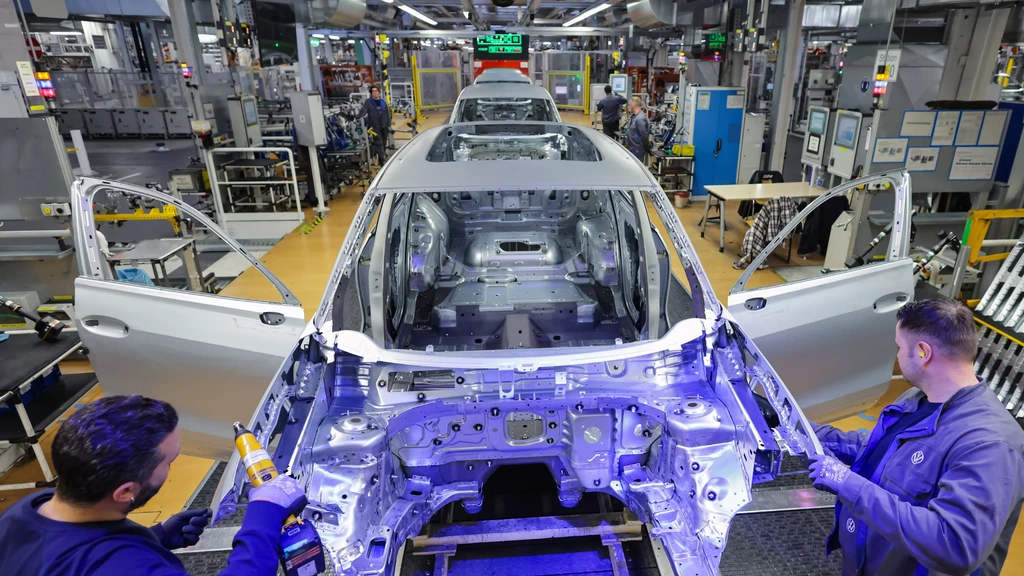
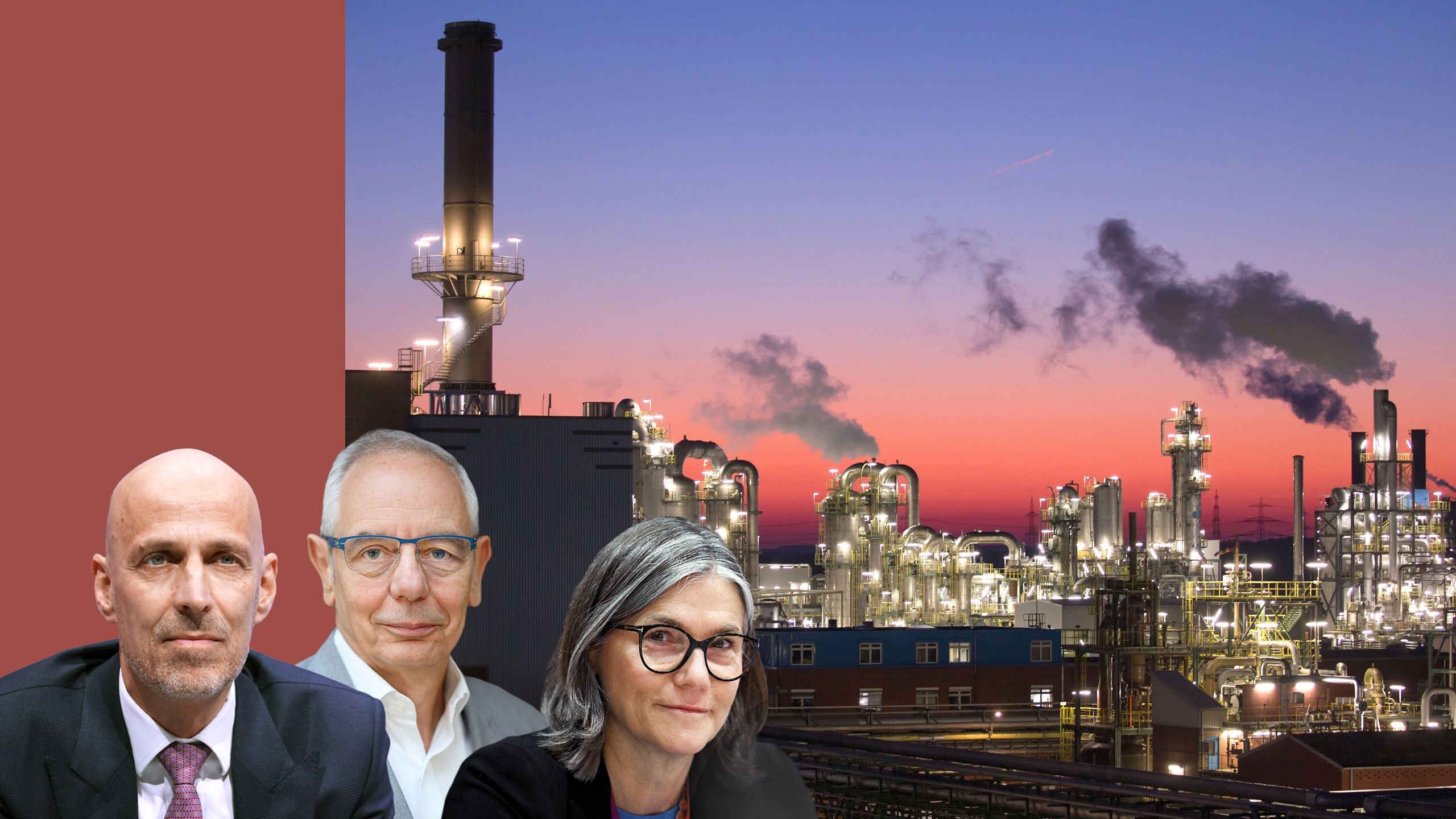
The state of the German economy is serious, very serious. Over the past eight years, we’ve lost approximately 15 percent of our industrial production. Month after month, Germany loses around 15,000 industrial jobs. And the industrial base that underpins our prosperity is starting to erode. Private net investment has fallen to almost zero. On balance, companies are doing nothing more than replacing what wears out. High costs are paralyzing companies’ willingness to invest. Even the special depreciation package (the “Investitionsbooster”) that the German government introduced in mid-2025 has done nothing to change that.
Of course, US tariffs, China’s aggressive industrial policy, and geopolitical tensions weigh on investment too. But the real problems are of our own making: an overregulated economy, high energy costs, high labor costs, high taxes, and falling levels of education and skills.
Planned reforms are not enough to reverse the economic trend
At the beginning of the year, many entrepreneurs had almost lost faith in Germany’s ability to reform. In July, the German government surprised everyone with a reform of statutory health insurance, along with reform plans for pensions, taxes, and the labor market. This package isn’t enough to pull Germany out of its structural crisis. But the current coalition showed it can compromise to help move the country forward. If those compromises were now unpicked and watered down, the damage to business confidence in politics would be devastating. The planned reforms are still not the breakthrough we were hoping for, the one that would actually turn the economy around.