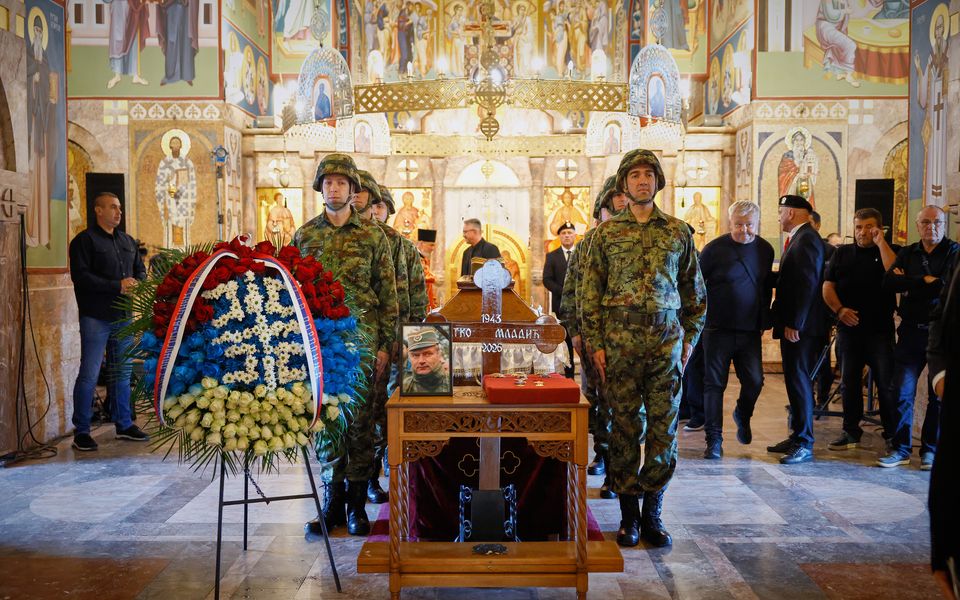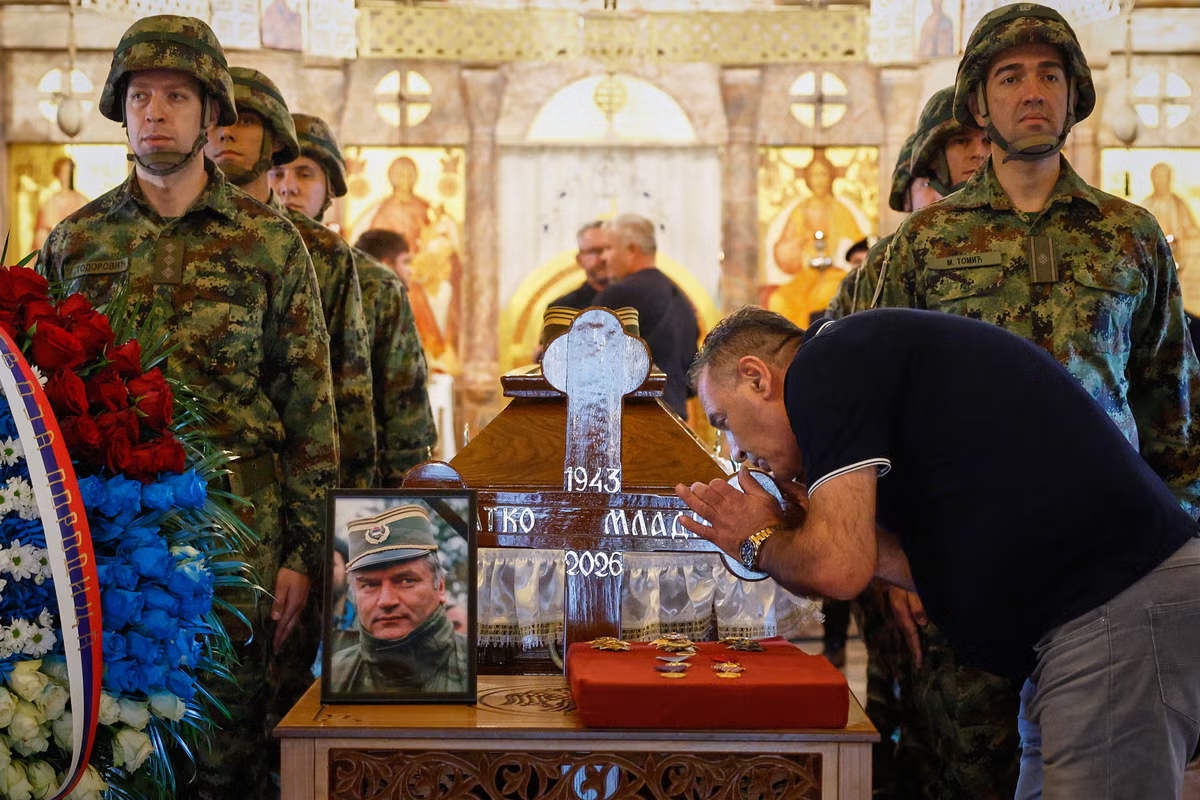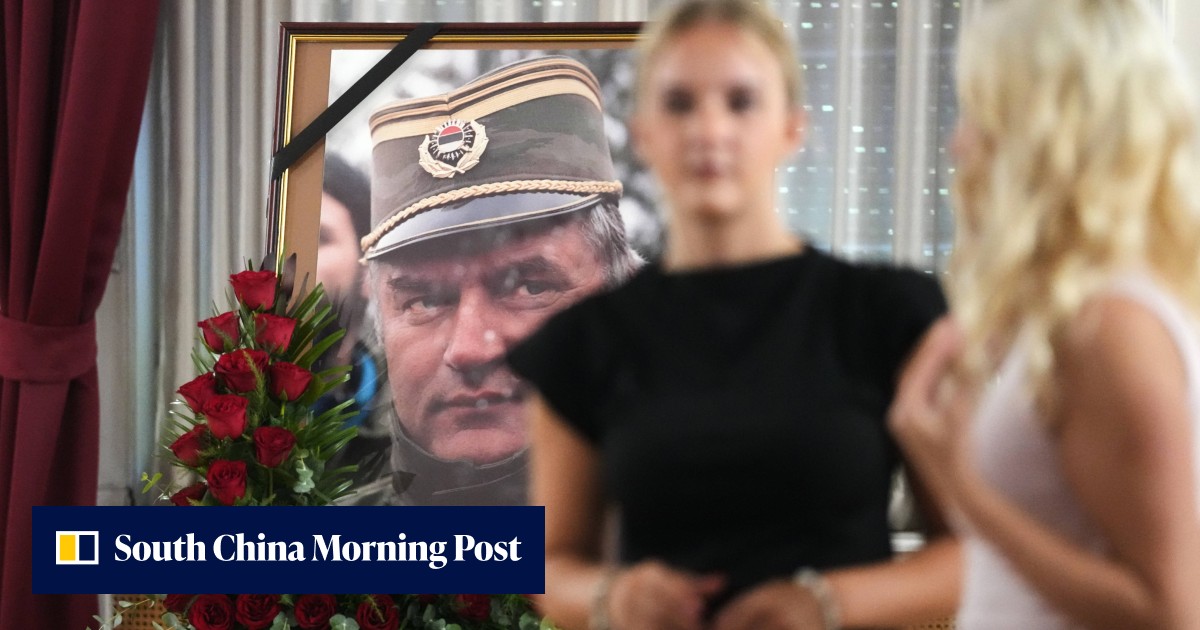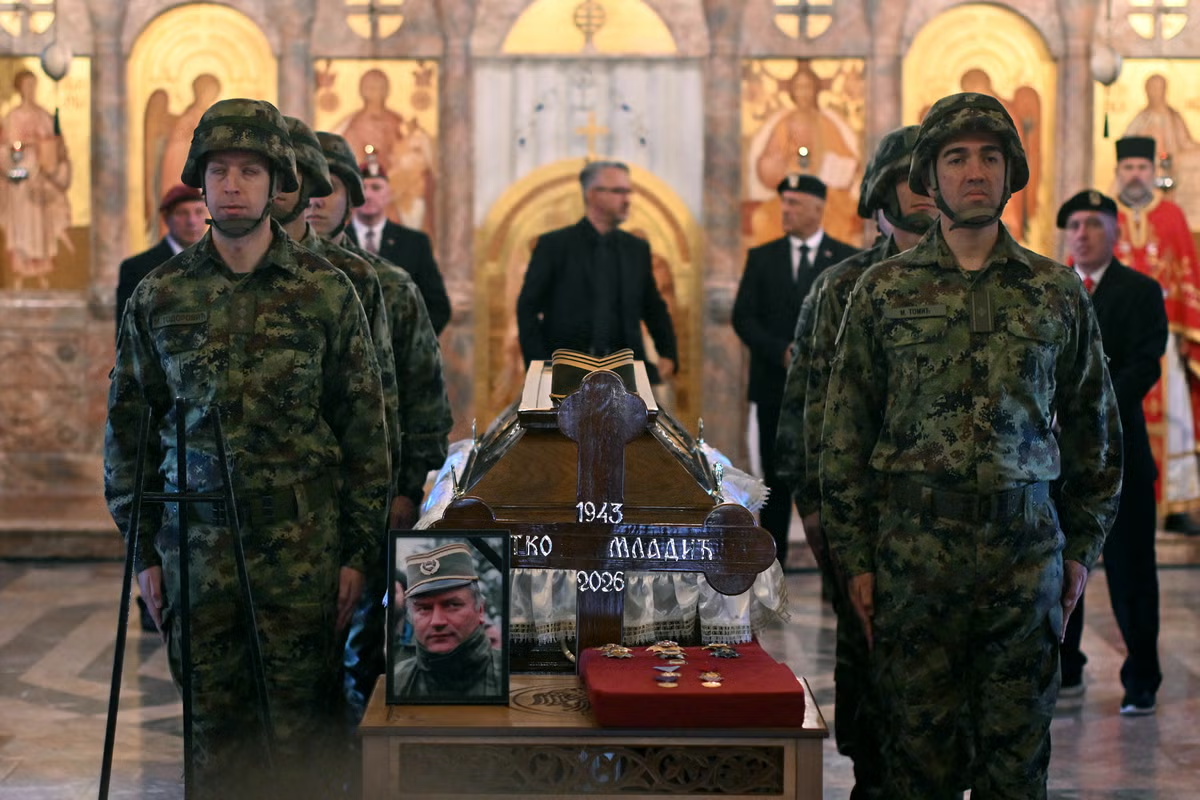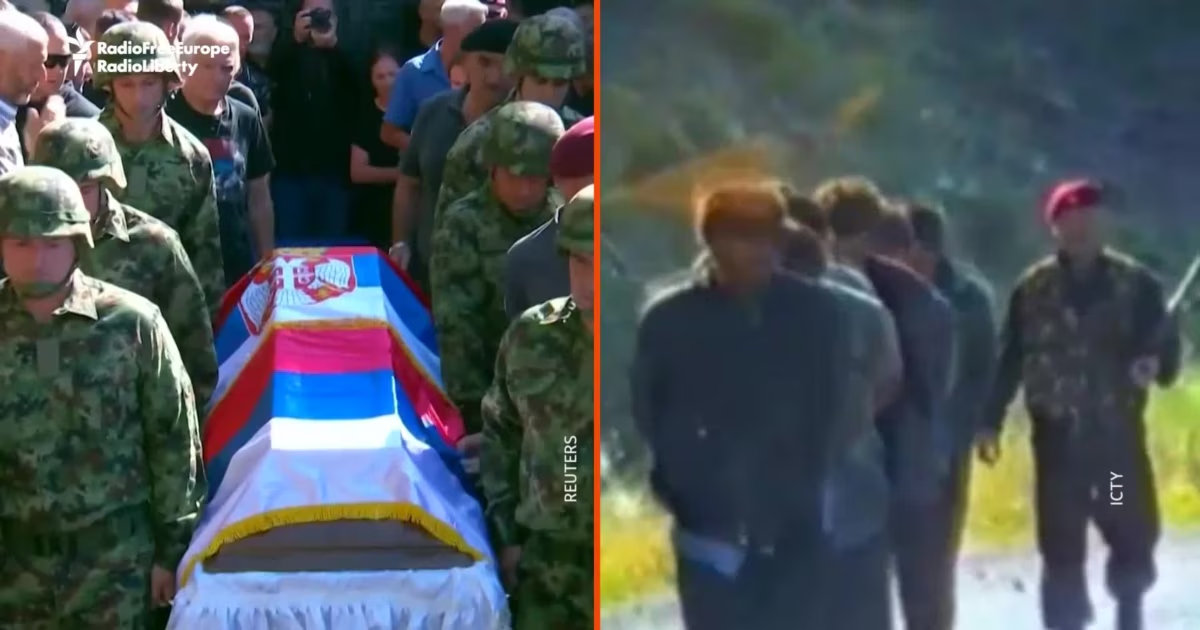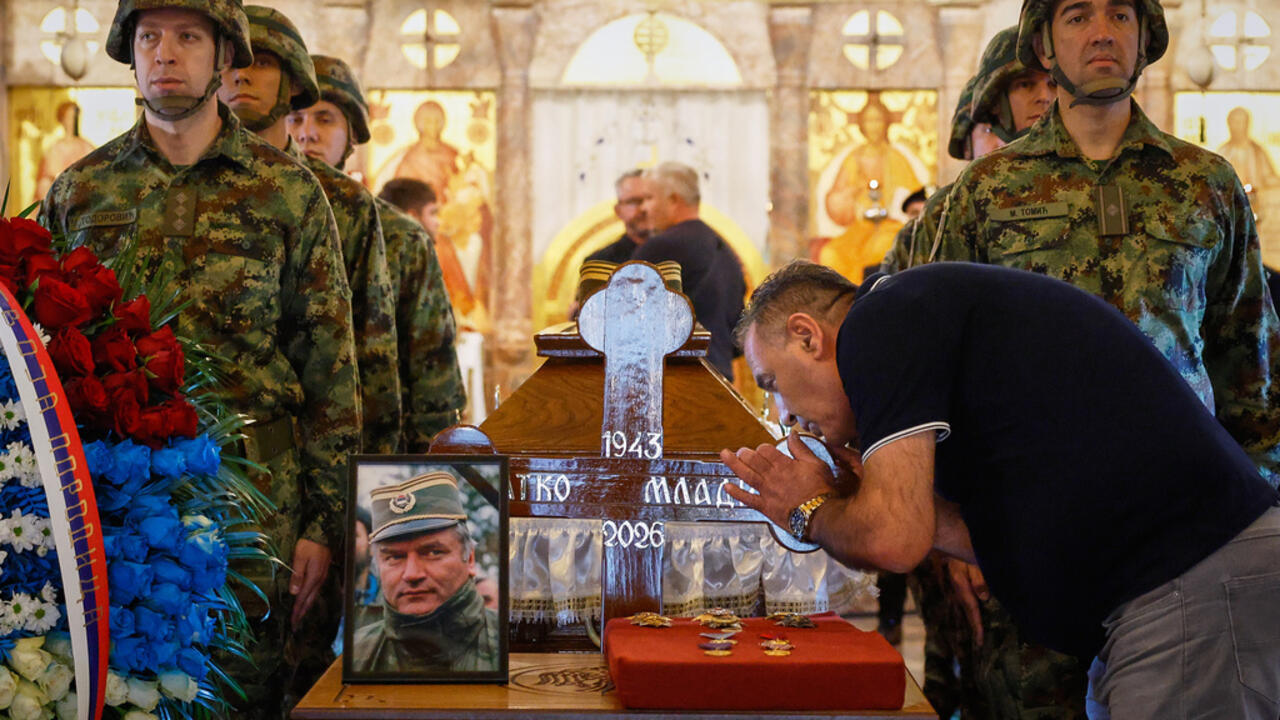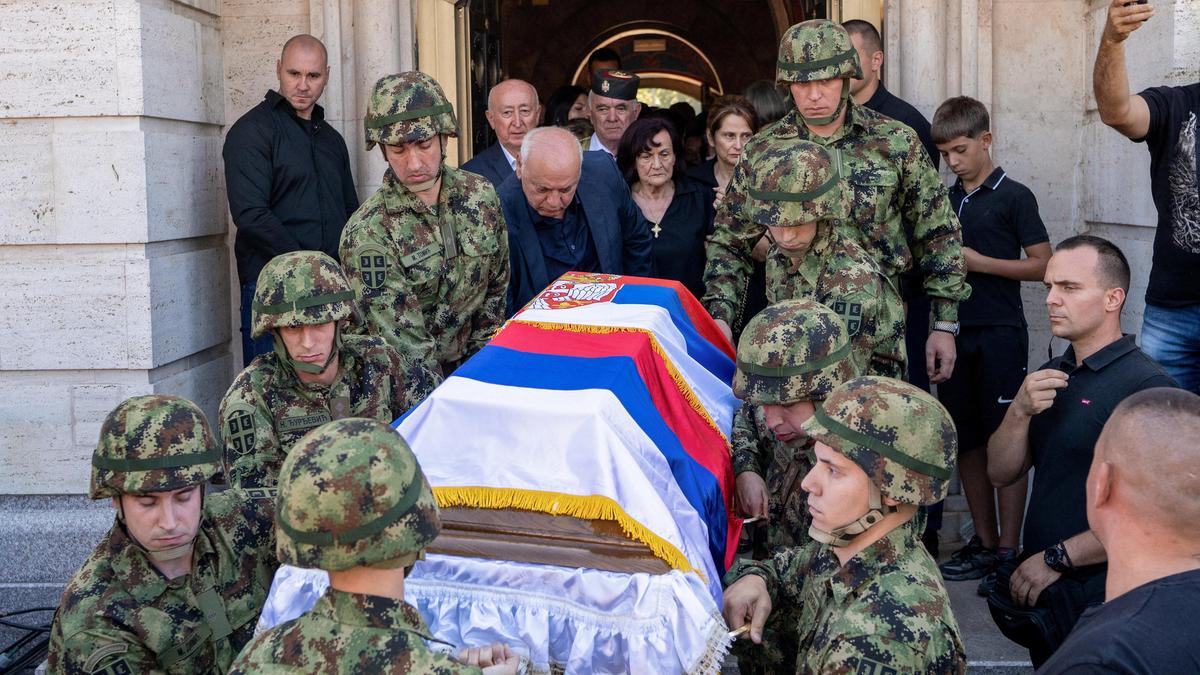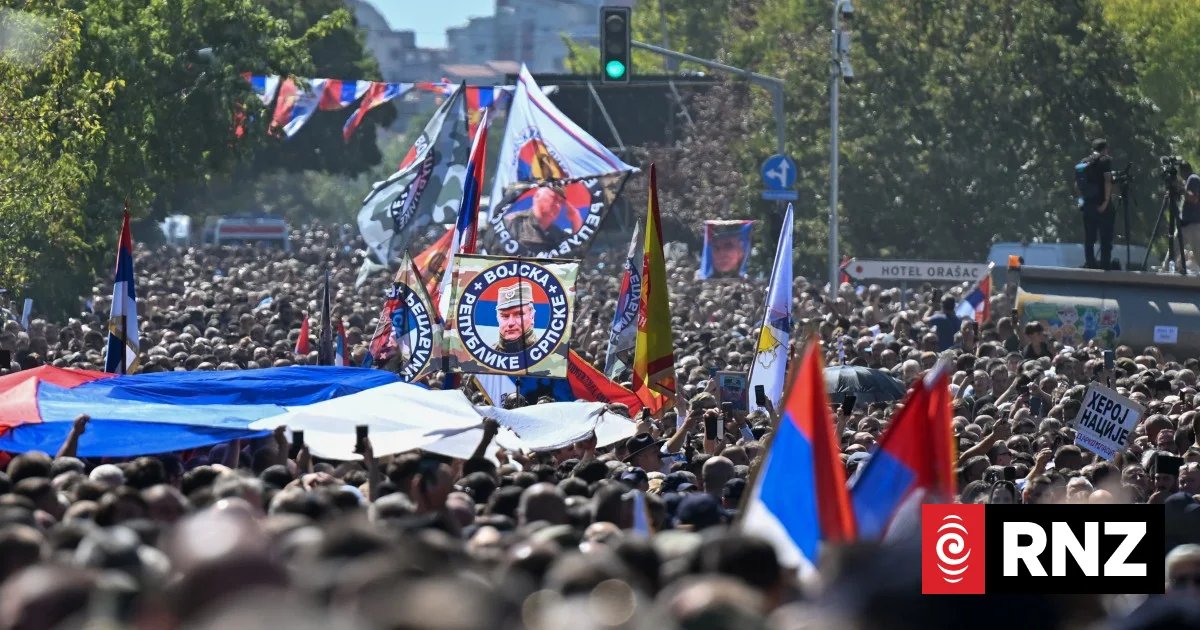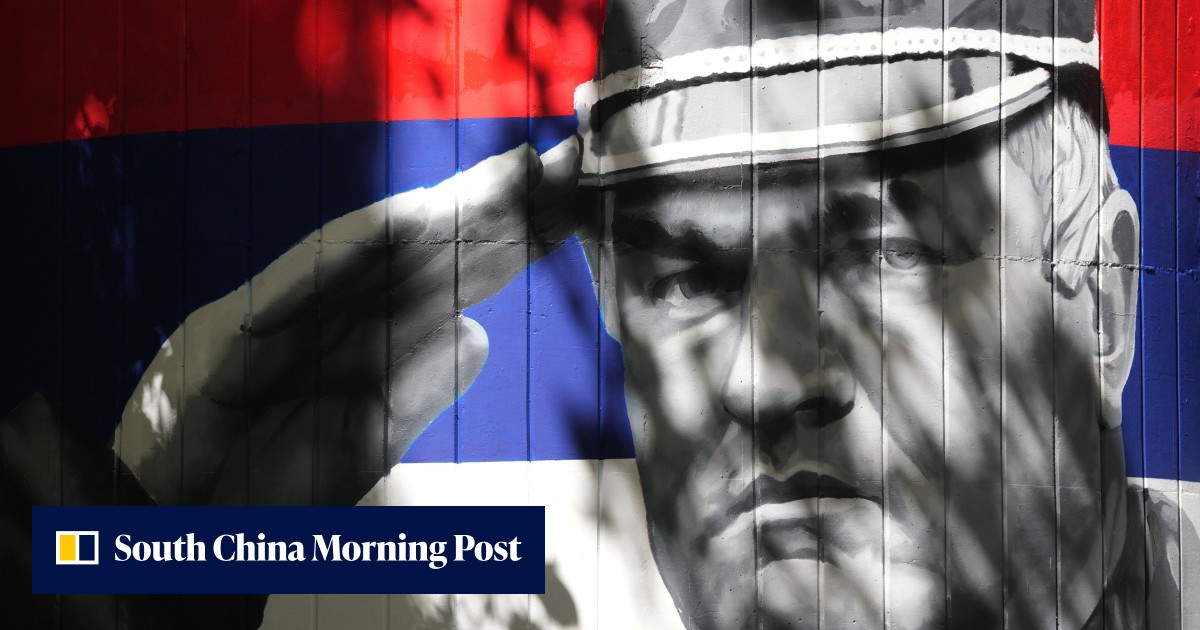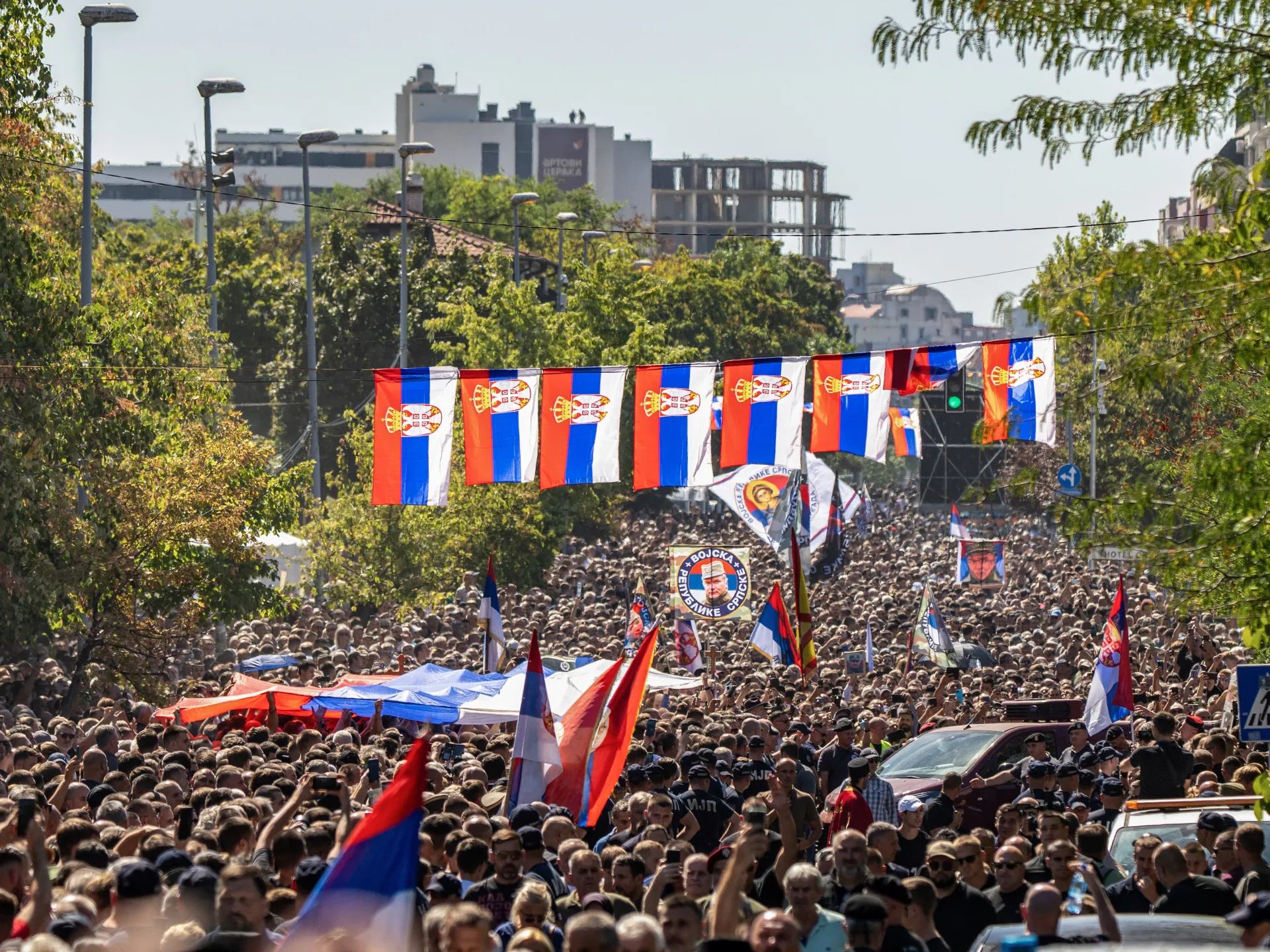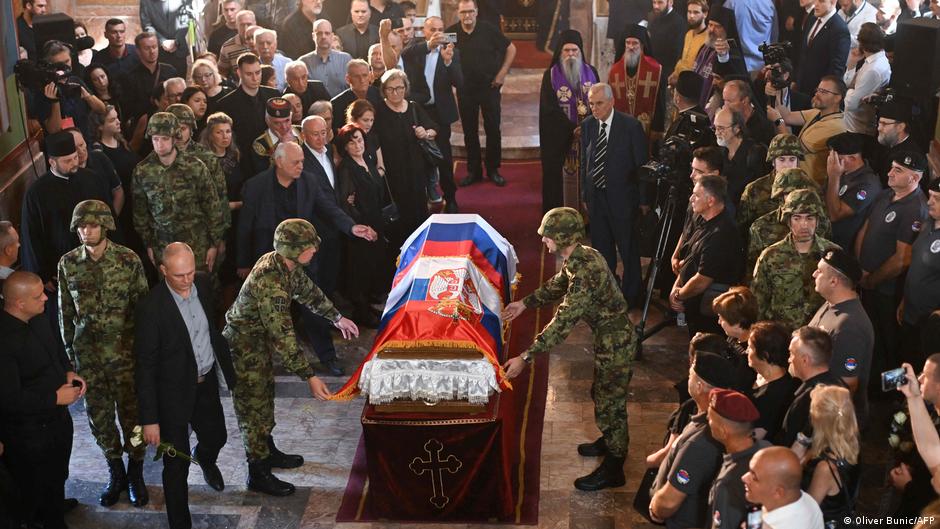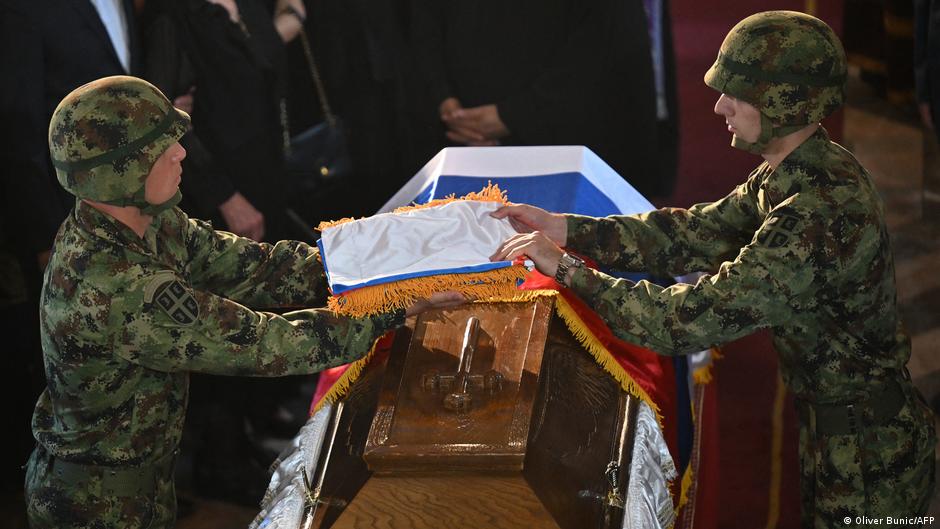
Belgrade has made a point of insisting that it did not organize a state funeral for former Bosnian Serb army commander Ratko Mladic, who was convicted of genocide in Srebrenica and crimes against humanity in 2017.
But when the body of a war criminal is flown home accompanied by the country's justice minister, when ceremonies unfold with military honors in state-controlled venues in the presence of senior political leaders and when clear condemnation of glorification of the deceased is absent, the message is unambiguous.
The impact of this message is being felt beyond Serbia's borders.
In Bosnia and Herzegovina — the state created by the 1995 Dayton Peace Agreement, which comprises two entities linked by a weak central government — reactions were as deeply divided as the country itself.
Bosnia and Herzegovina: Two entities, two narratives