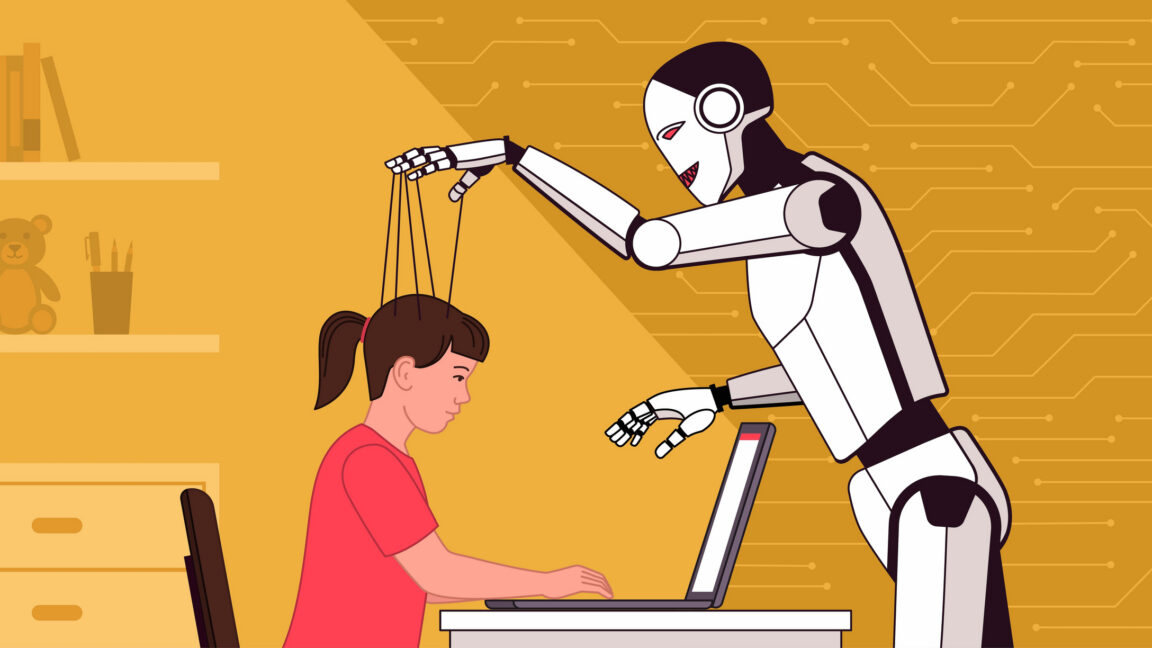
Illustration: Melanie Lambrick
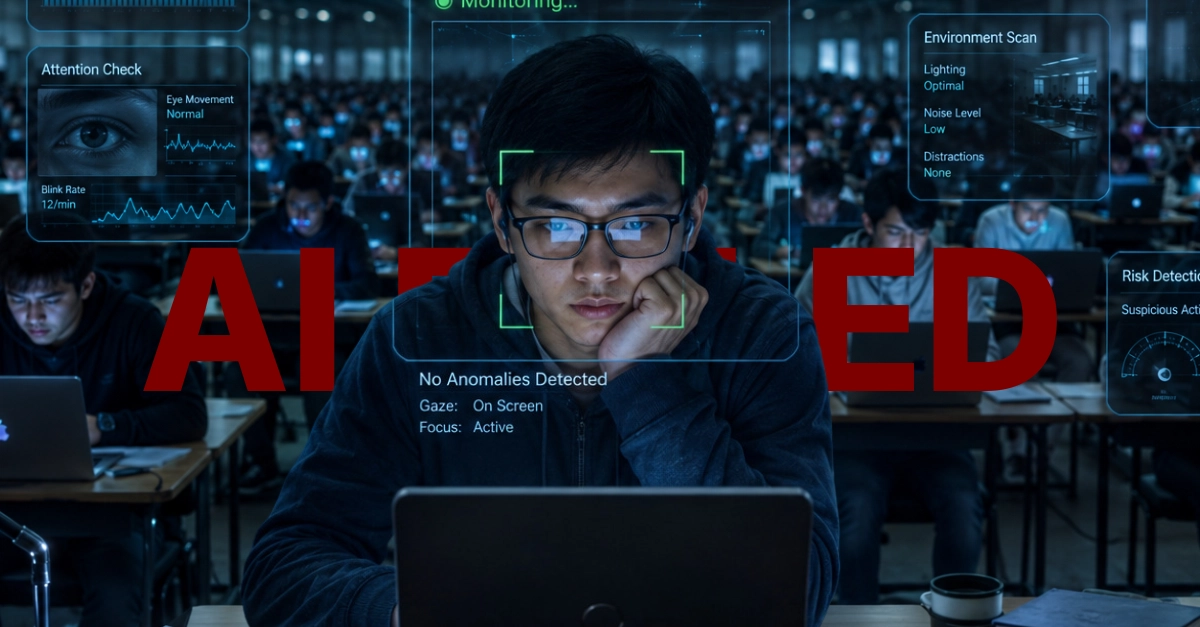
At New York University, Introductory Calculus students complete their homework on WebAssign, a platform that promises to make cheating “far more difficult” than using “traditional paper and pen.” But Jared, a sophomore majoring in economics, hasn’t found it especially hard to beat the system. Last semester, a friend of his used an AI coding tool to build a bot that completes his homework. Like a struggling student, the bot moves slowly, leaving a professor checking time stamps none the wiser. Jared’s friend gave it to another friend. And another. He is not sure how many classmates use similar techniques. (The names of students have been changed to let them freely discuss cheating.)
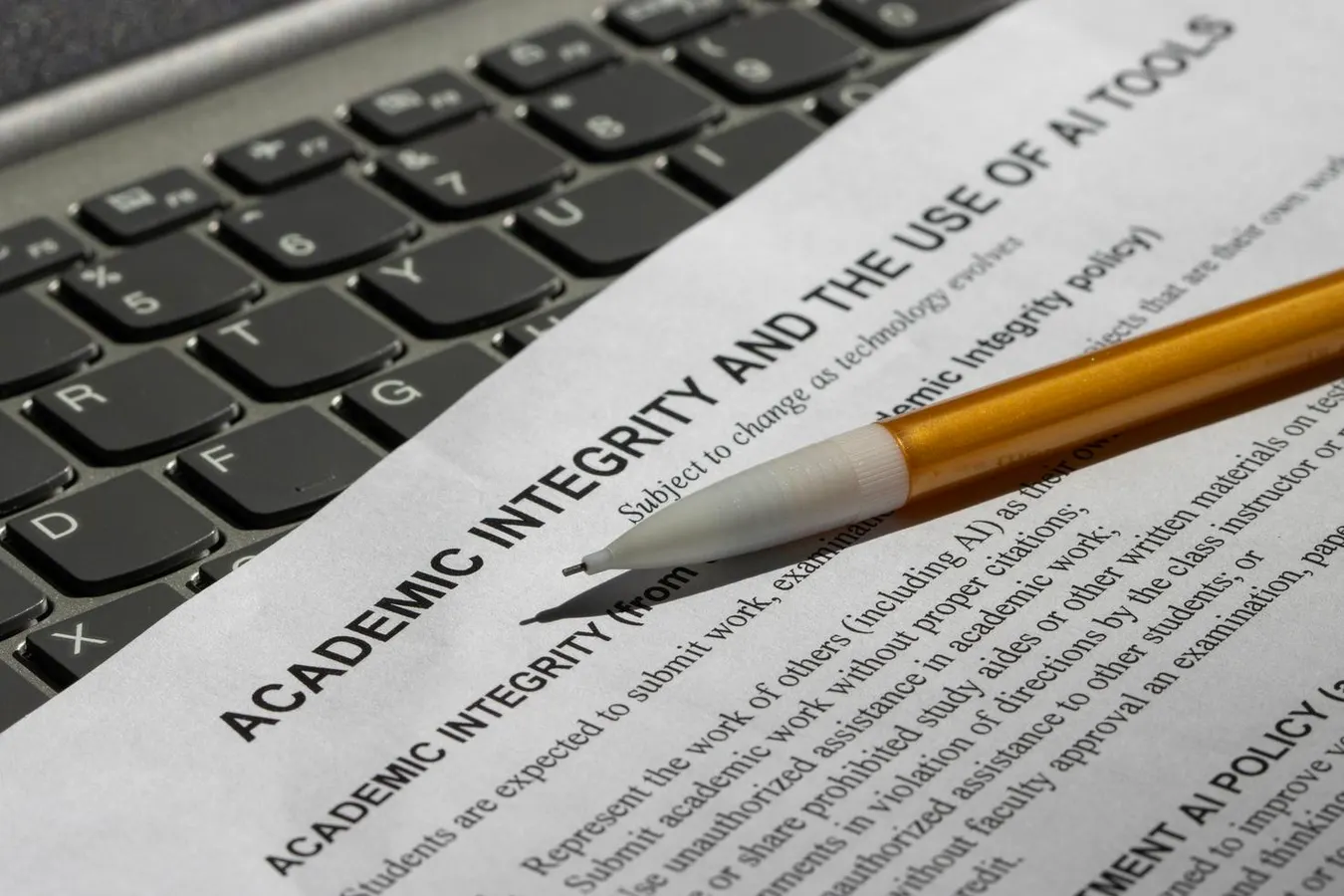
The academic-dishonesty crisis is well documented. When the Harvard Crimson surveyed undergraduates this spring, nearly 40 percent copped to using AI “in ways their instructor may view as inappropriate or against class policy.” Now, schools are scrambling to catch up. Princeton and Oberlin — institutions that have long prided themselves on faith in undergraduates’ morality — are ending the tradition of unsupervised exams. The University of Chicago’s social-sciences division is banning all technology from classrooms in required courses.