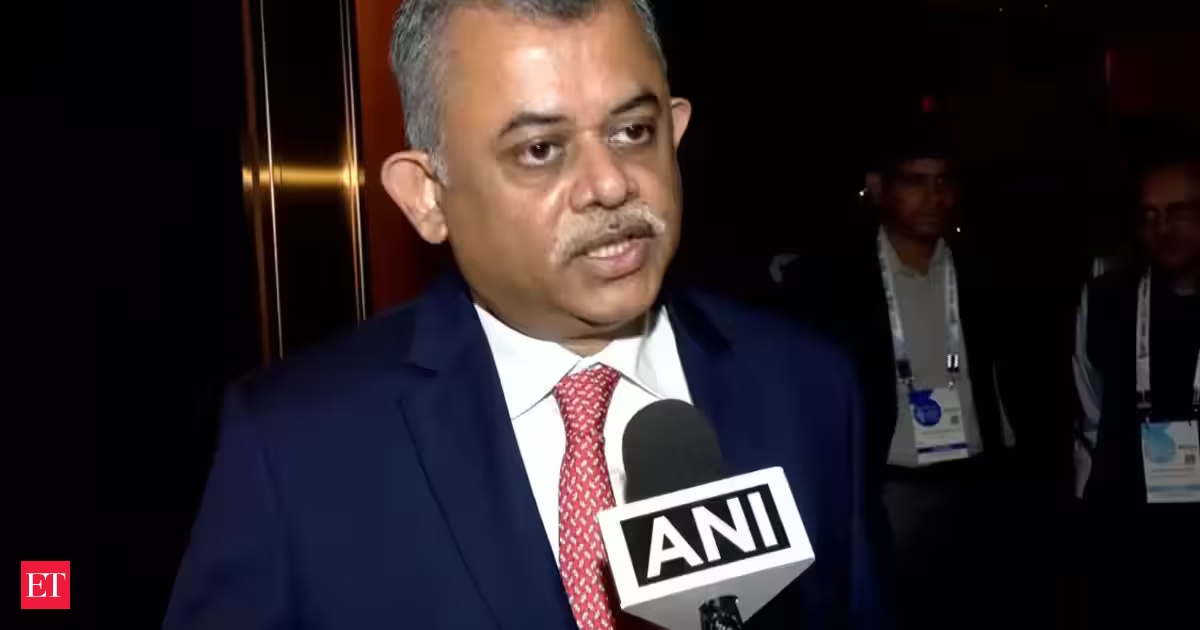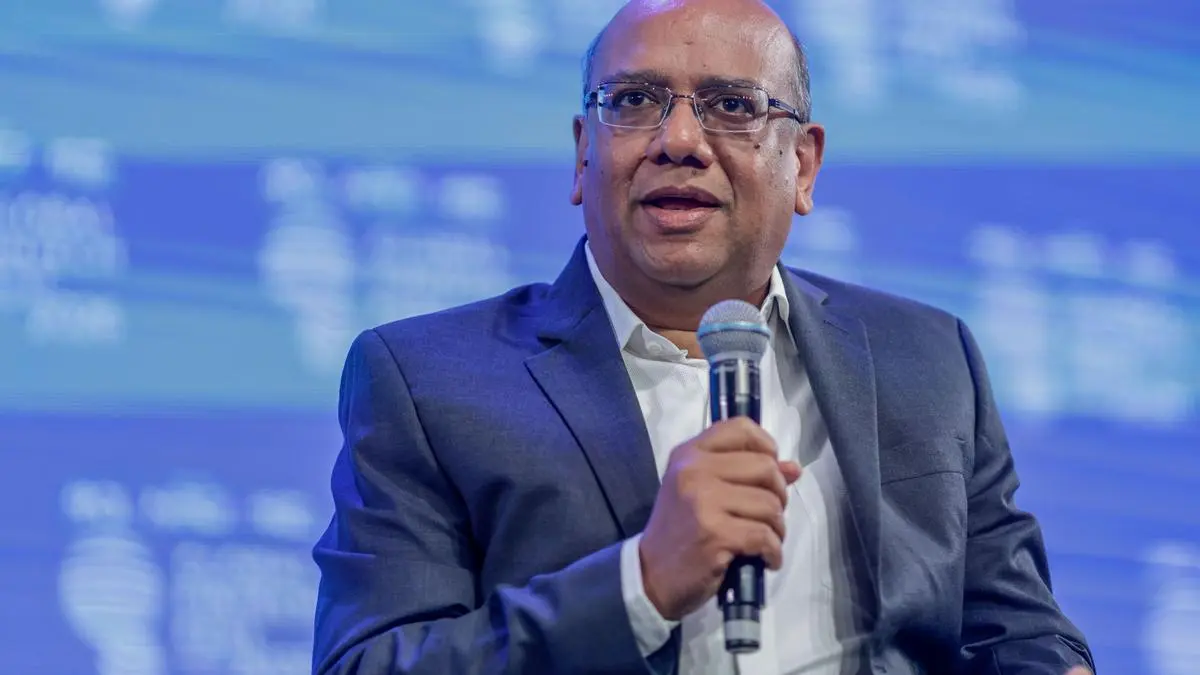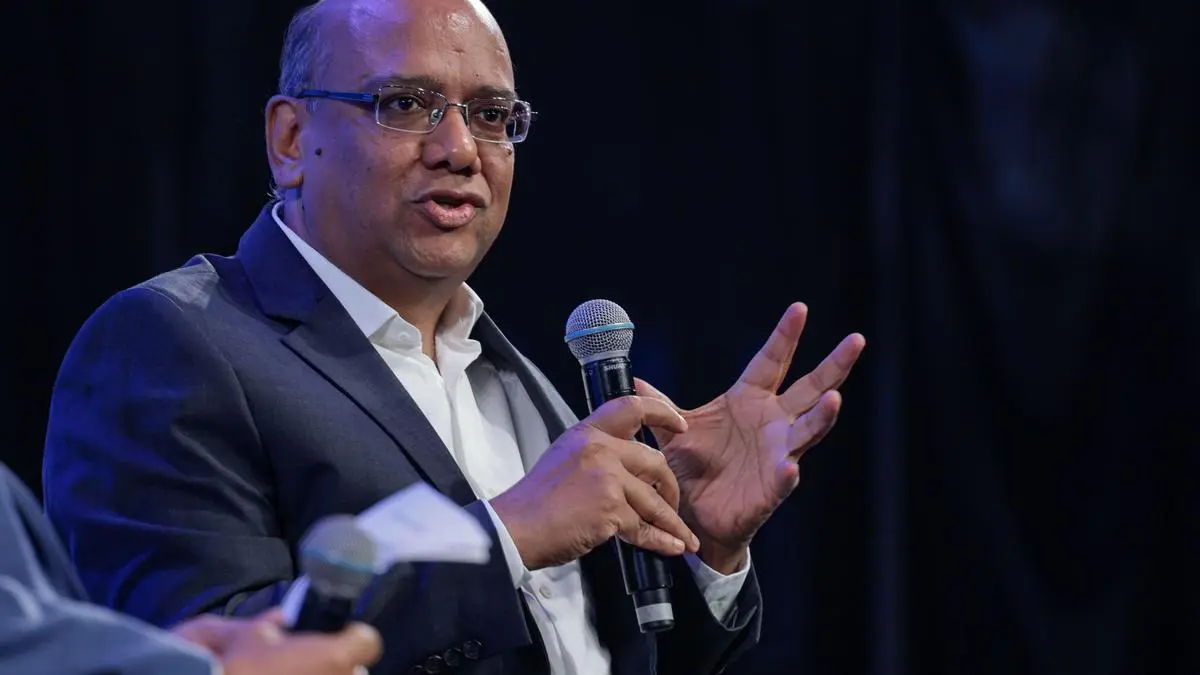
Neelkanth Mishra, Chairperson, UIDAI said Aadhaar, which began 16 years ago primarily as a government identity platform.
| Photo Credit:
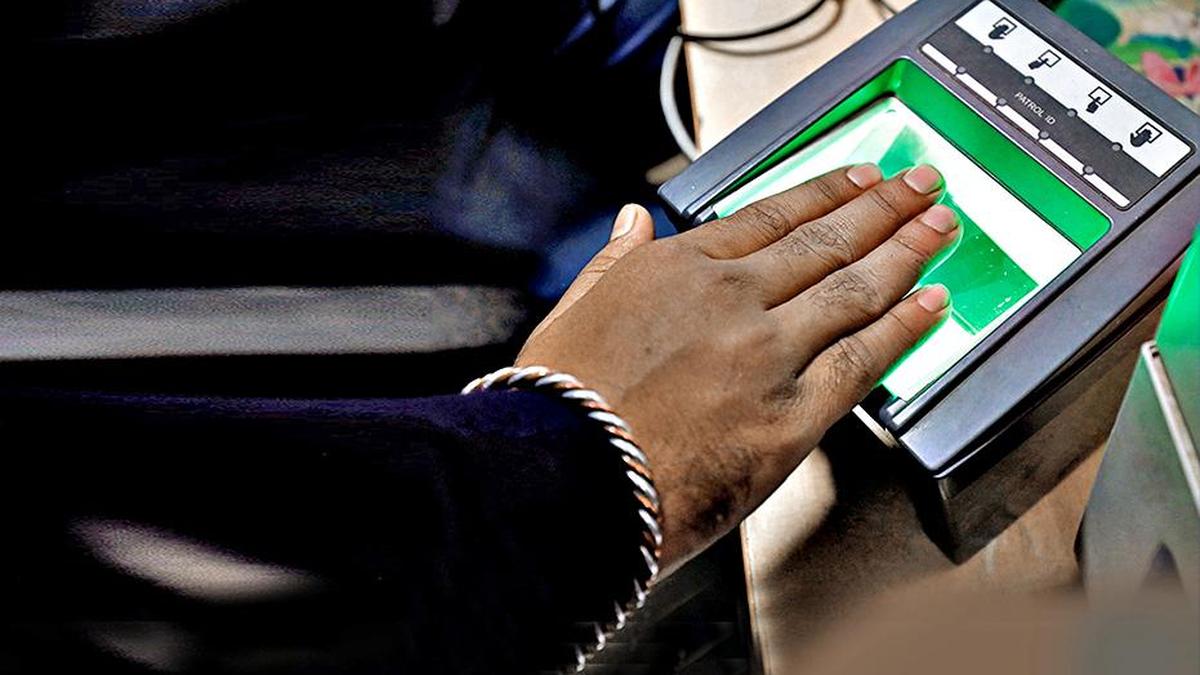
Aadhaar is preparing for a major expansion in scale and use cases, with daily authentications now touching 10 crore and the Unique Identification Authority of India (UIDAI) working towards handling as many as 25-30 crore authentications a day.Neelkanth Mishra, Chairperson, UIDAI said Aadhaar, which began 16 years ago primarily as a government identity platform, has evolved into a foundational layer for India’s digital public infrastructure (DPI), with over 600 entities now using it.The next phase, he said, would focus on making Aadhaar increasingly invisible to users while enabling businesses and governments to build new services on top of it.“Aadhaar is only a database,” Mishra said, stressing that its value comes from the ecosystem built around the identity layer.The Aadhaar app is emerging as an important part of this transition. Mishra said downloads of the app have crossed 5 crore and are approaching 6 crore, with users increasingly using it to update mobile numbers and addresses—tasks that earlier required physical visits to Aadhaar centres.The shift from physical to digital journeys is also enabling more selective sharing of identity information. Instead of sharing a complete Aadhaar copy, users could, for instance, share only their age or address for a particular transaction. This could become increasingly relevant as data protection obligations tighten, Mishra said.For fintech companies, the new Aadhaar SDK (software development kit) could further simplify authentication by allowing Aadhaar-based verification to be integrated directly into business workflows.Jitendra Gupta, founder of Jupiter called for more detailed communication of authentication failures. Instead of generic error codes, users should be told whether a failure was caused by an OTP mismatch, data mismatch or another issue, he said.Mishra said UIDAI had already been working on making back-end error codes more intelligent and improving feedback mechanisms.UIDAI is also using artificial intelligence for fraud detection and working on technologies such as liveness detection for faces and fingerprints. Mishra said the authority was developing zero-trust architecture and micro-segmentation to strengthen the system against cyberattacks.The authority is also looking at a “hyperscaler-like” infrastructure capability while retaining sovereignty over Aadhaar’s critical infrastructure, he said. The objective is to improve response times and enable faster scaling.Beyond India, Mishra said UIDAI was working towards greater global interoperability and supporting efforts to take India’s DPI experience to other developing economies.The next frontier could be the integration of Aadhaar with agentic artificial intelligence. Gupta said purpose-driven data sharing could allow AI agents to authenticate users and share only the information required for a specific task.For example, an agent handling a hotel check-in could be authorised to share only a user’s photograph and address, rather than the individual’s entire identity record.Mishra said such agentic use cases could become mainstream over the next three years, with users increasingly delegating authentication and other identity-related tasks to AI agents.Published on September 9, 2026