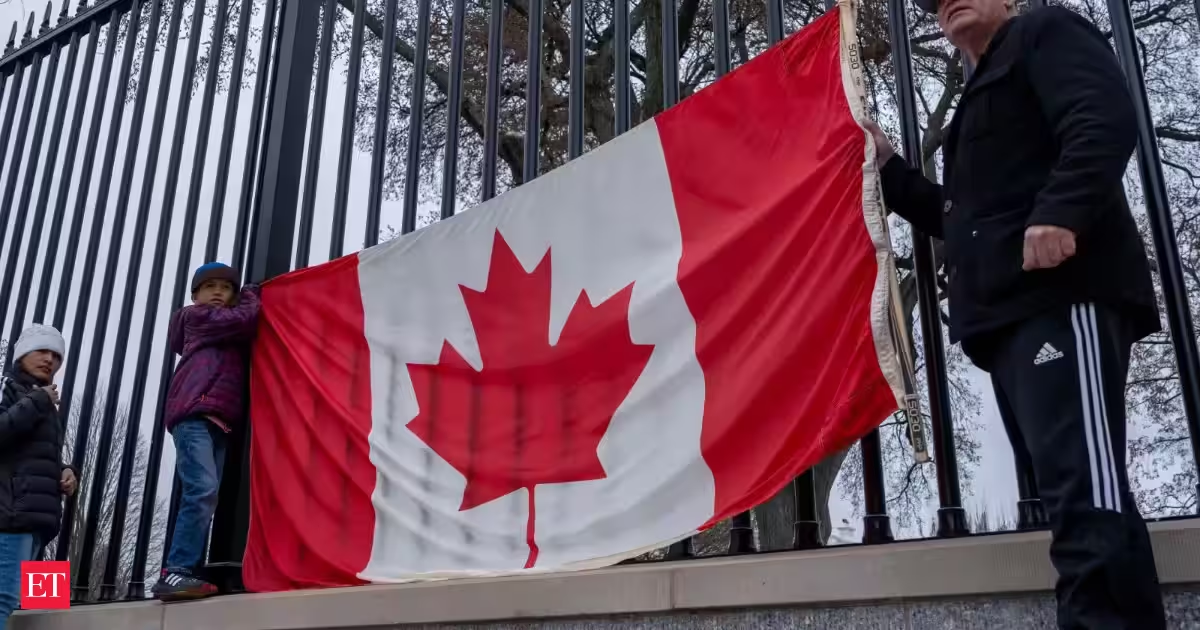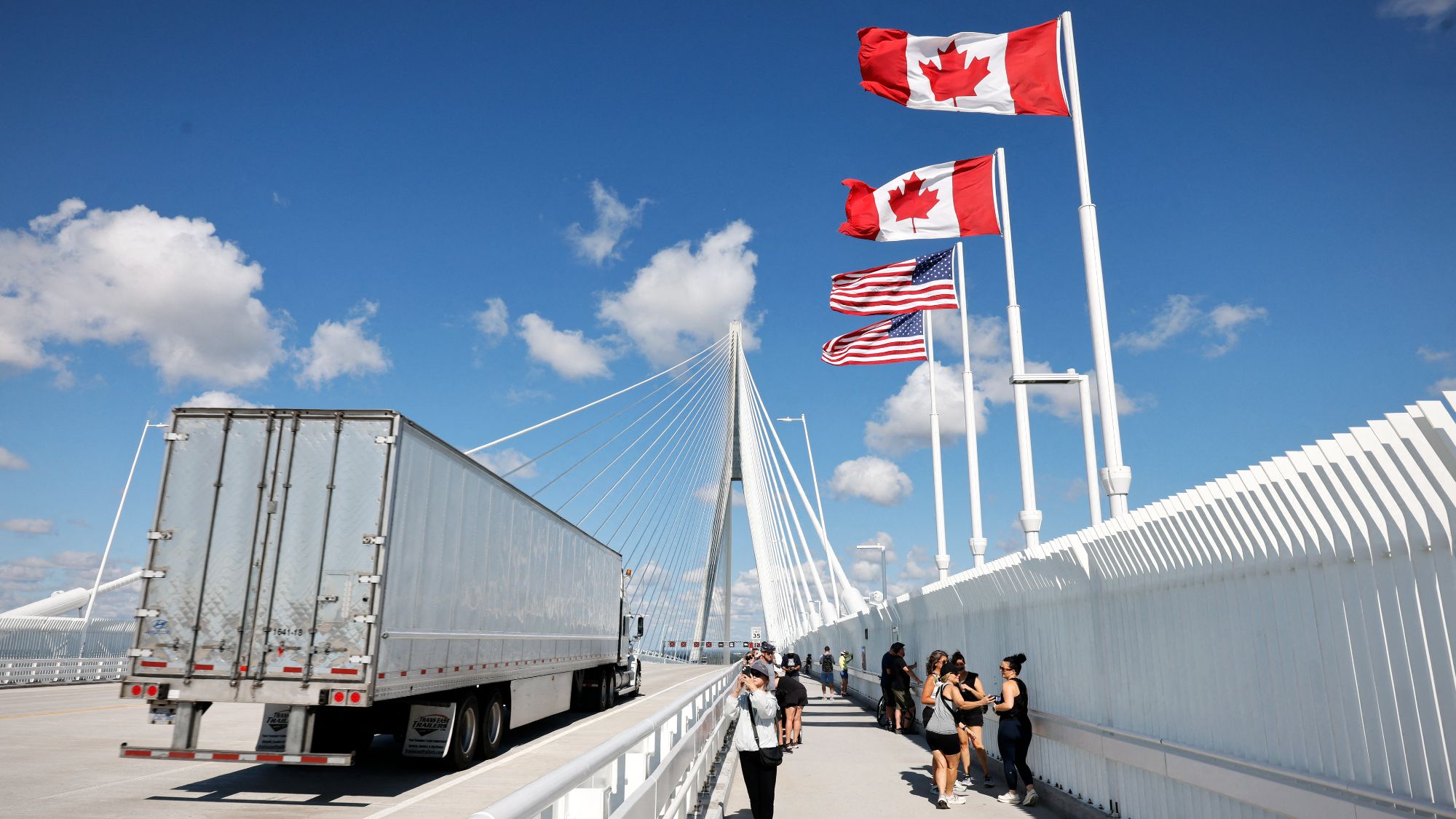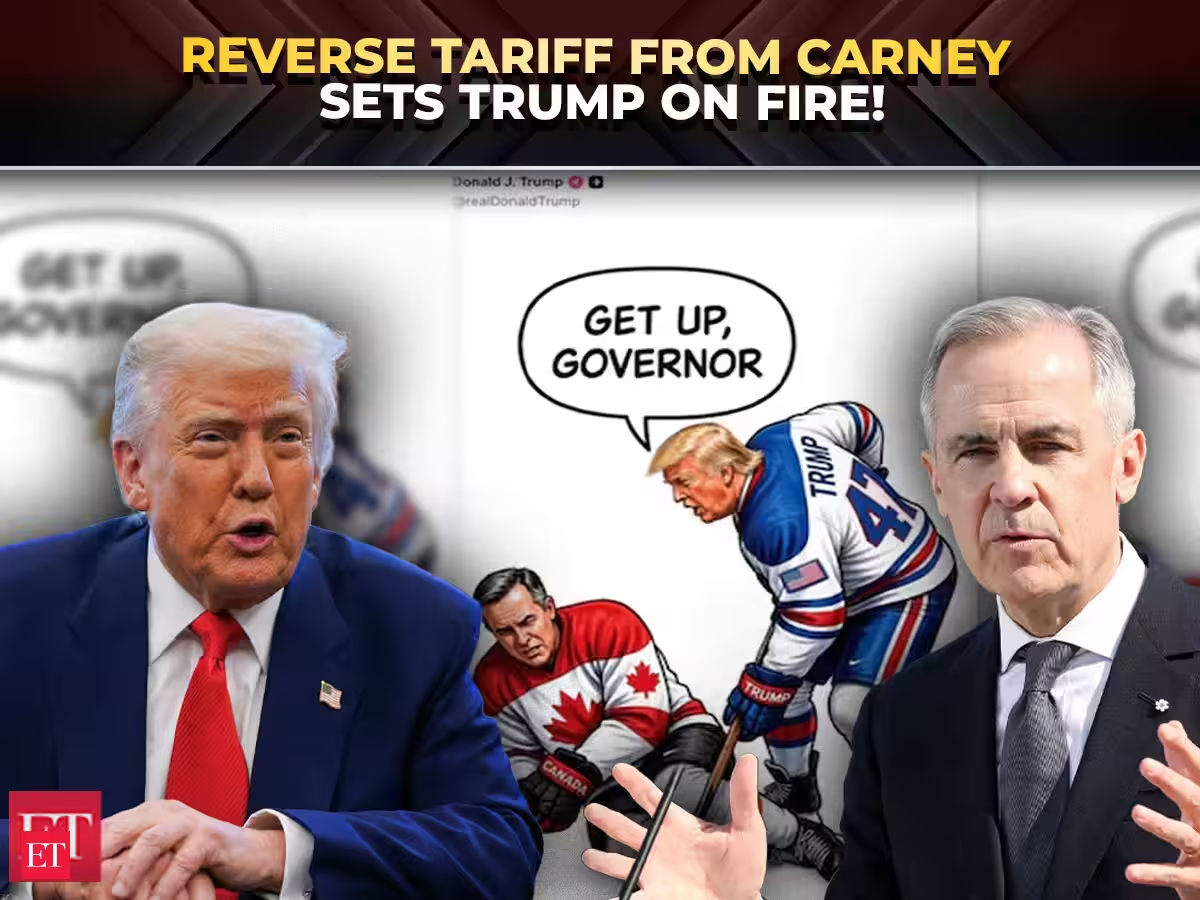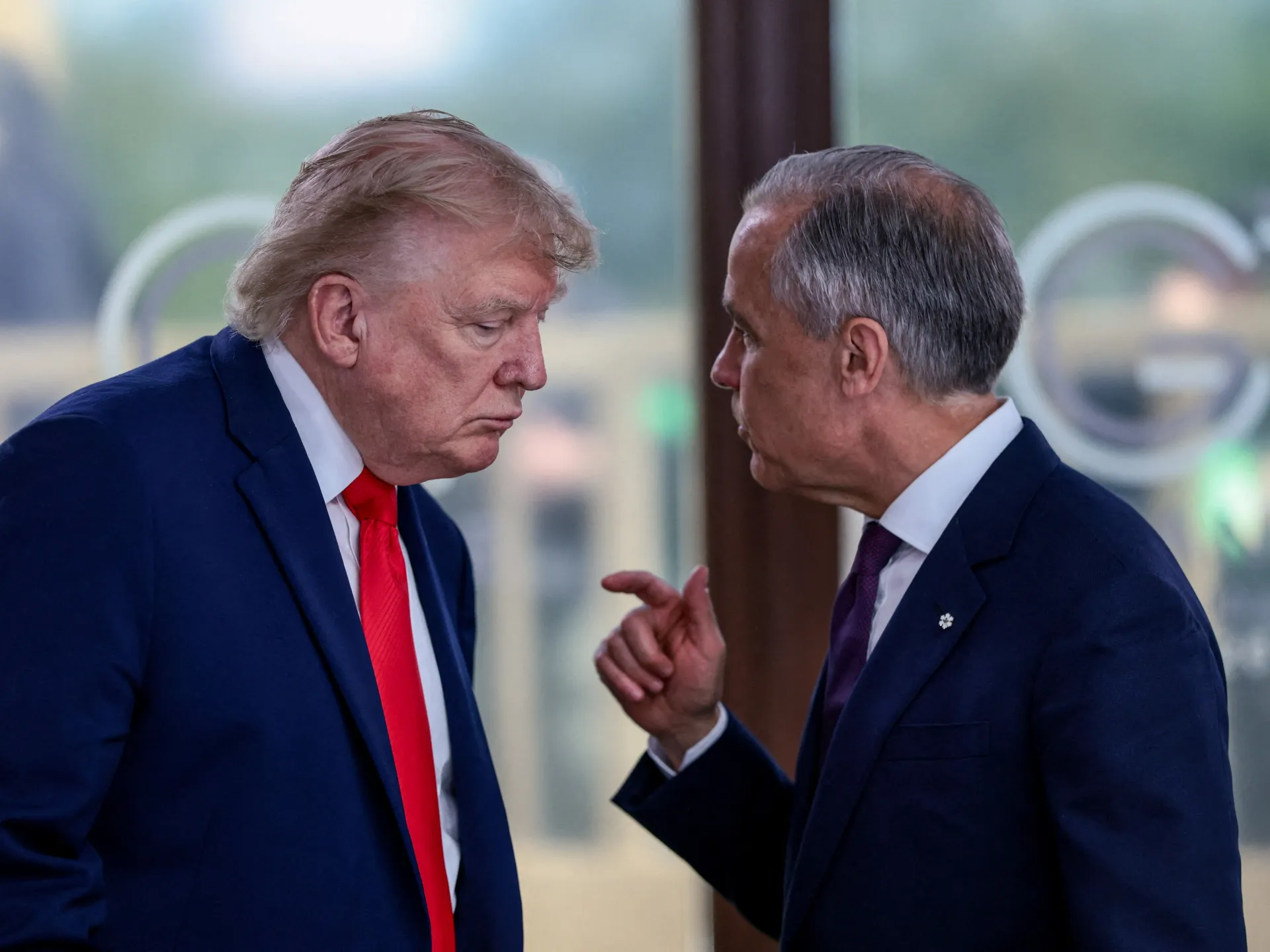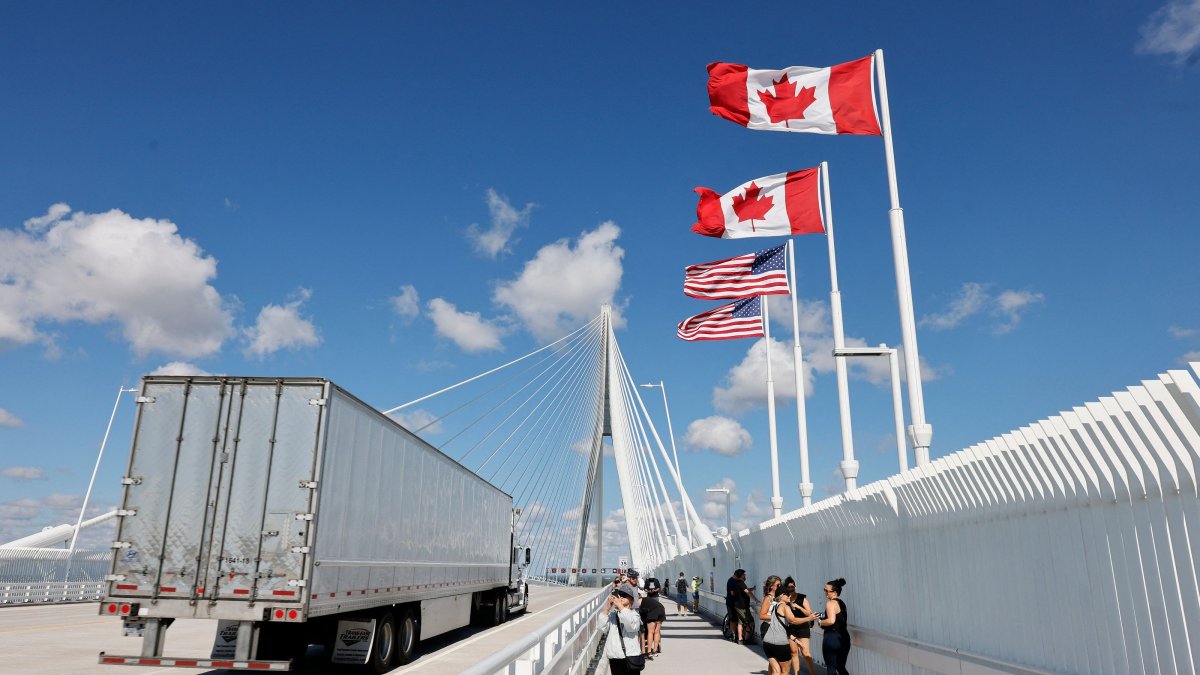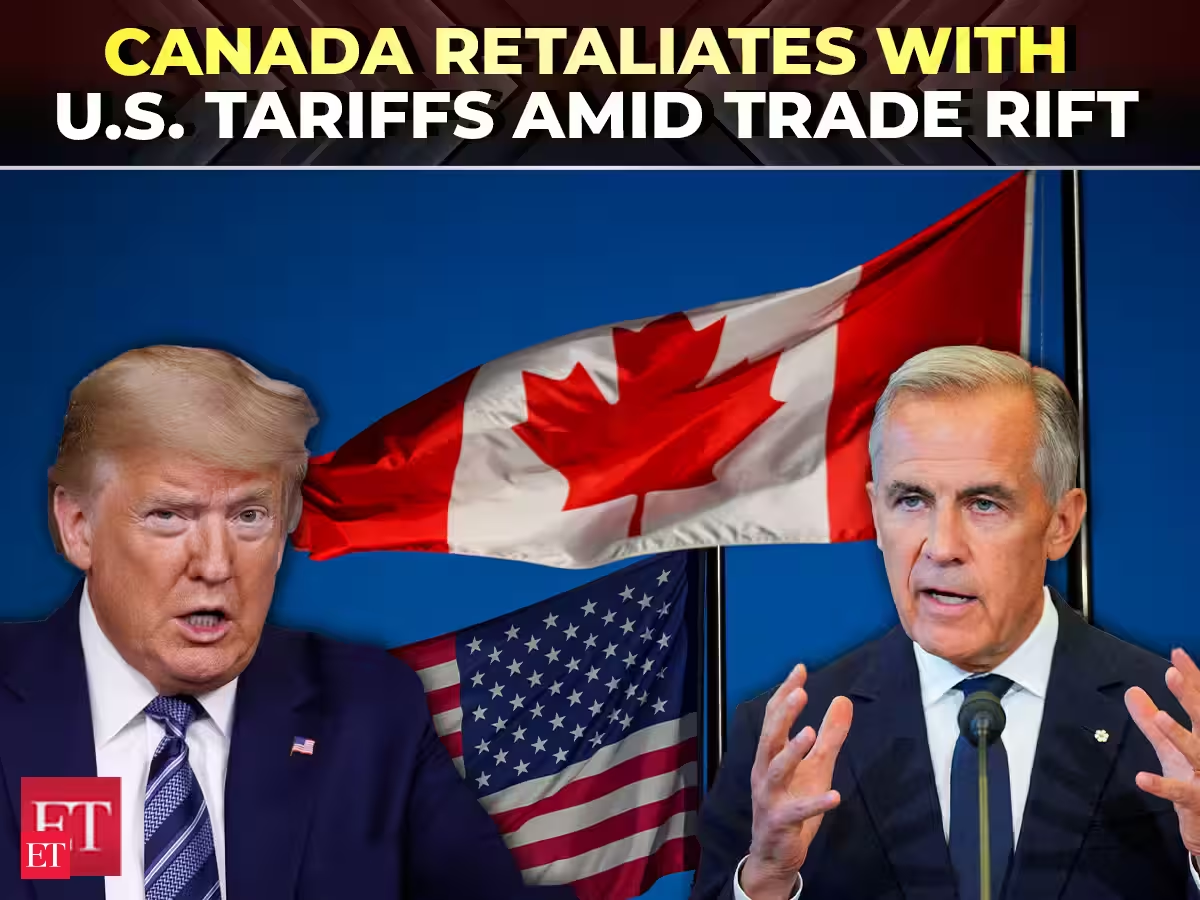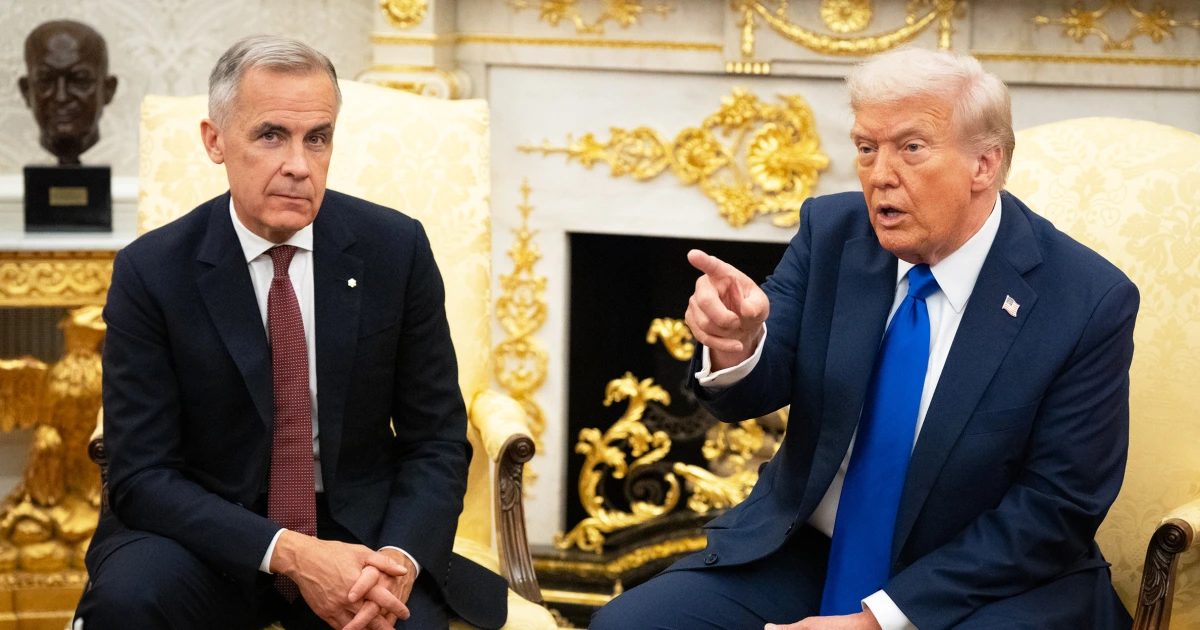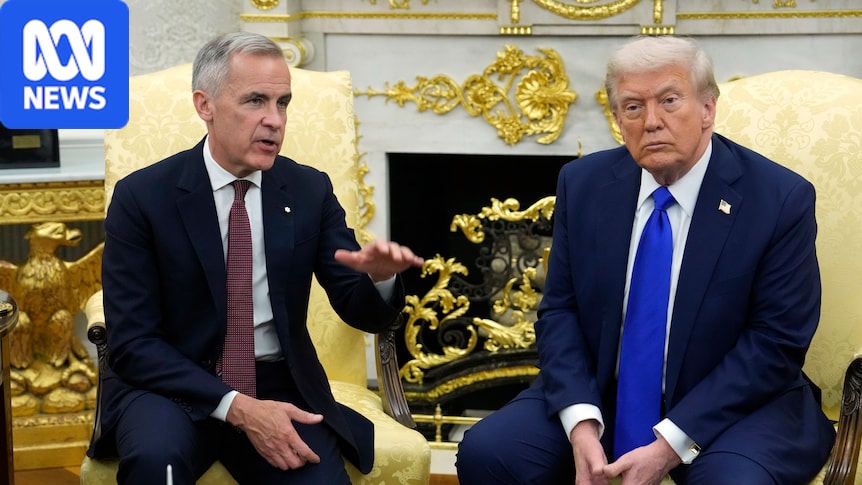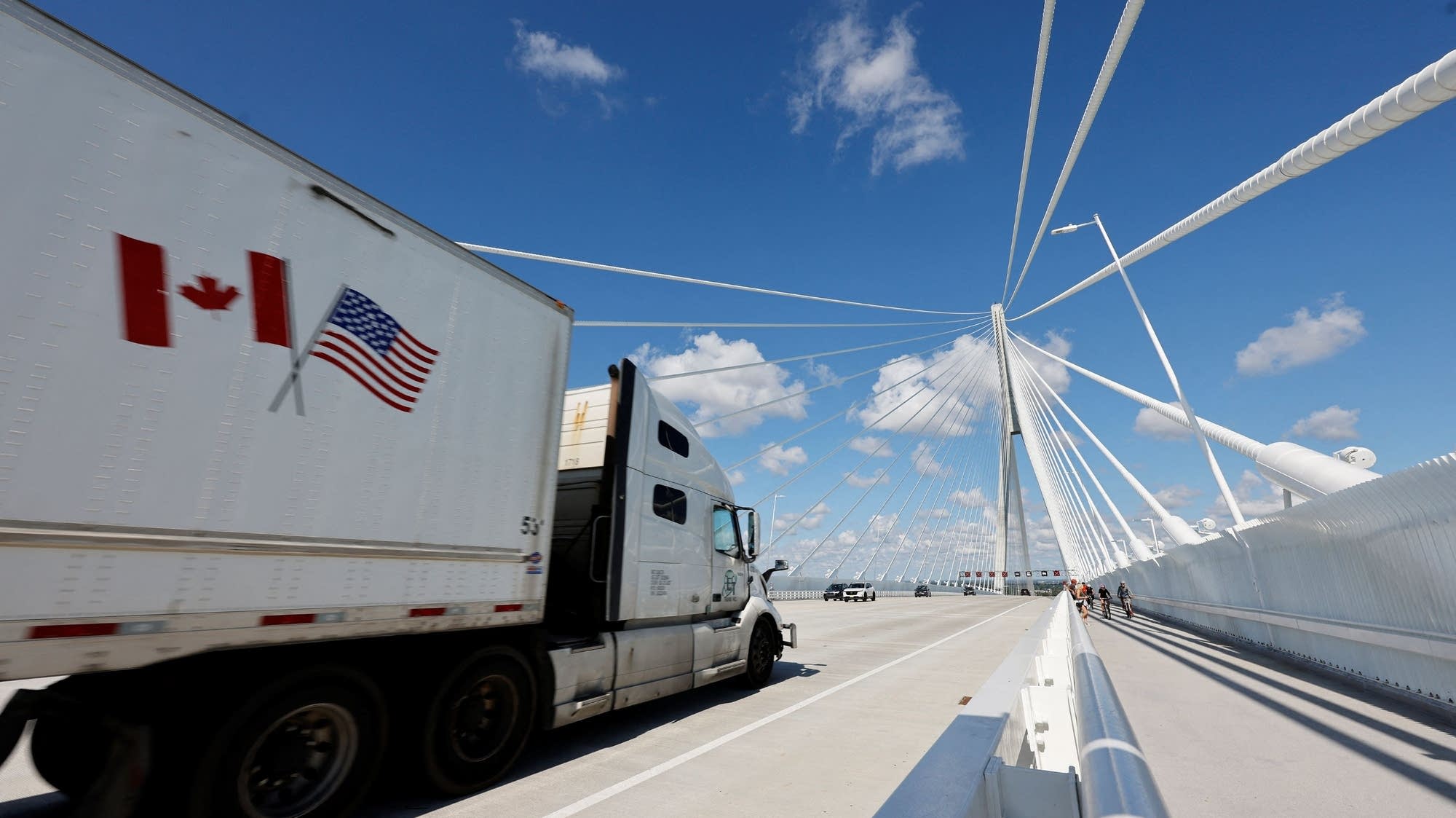
Canada imposed retaliatory tariffs on the U.S. on Tuesday.The tariffs range from 15% to 50% on American steel, paper, electronics, dairy, and more. The country said it’s responding dollar-for-dollar to tariffs the U.S. placed on Canadian goods last month. Canada is America’s second-largest trading partner, behind Mexico. The trade relationship between the two countries goes back pretty much as long as the two countries have been neighbors. The geography of North America almost wants the U.S. and Canada to be trading partners. Andrew Holman, director of the Canadian studies program at Bridgewater State University in Massachusetts, pointed out major mountain ranges and rivers run north to south on the continent, which lends itself to trade. “But I think that there's something bigger here as well,” Holman said. “It’s that Americans and Canadians — for all their differences — have the same kind of character.”Holman, who grew up in Ontario, said there is a cultural affinity between the two countries, along with similar consumer tastes. In a way, they grew up together. “They know one another, despite the fact that Canadians complain from time to time that ‘Big Brother’ should know more about ‘Little Brother,’” he said.And like siblings, the two countries have often fought as they’ve traded stuff. Holman pointed to the 1870s, when John A. Macdonald, Canada’s first prime minister, put in place something called the National Policy, which included a protective tariff. “Manufacturers in Canada would be protected from competition from external producers, and the United States, of course, followed suit not too long after,” Holman said.In 1890, then-Ohio Congressman William McKinley — who would later become president — led an effort to pass a law that became commonly known as the McKinley Tariff.“[That tariff] raised import duties sometimes up to about 50% on Canadian goods,” said Susan Colbourn, a professor of public policy at Duke University.Colbourn said the McKinley Tariff was seen as a way to protect American industry, but some U.S. policymakers also thought of it as an inroad to potentially annexing Canada.“Prominent American politicians … talked openly about how these trade policies could be used to soften up Canada and bring it into the union of the United States,” she said.Which has echoes in the rhetoric taking place now, Colbourn pointed out.“Like when Vice President [J.D.] Vance describes Canada as a state, and then claims that's a Freudian slip,” she said.But a lot of things about this current trade war are unprecedented.“Historians like that old … adage that history doesn’t repeat itself, but sometimes it rhymes,” Holman said.This, he said, doesn’t rhyme with anything.
The U.S. and Canada have had trade spats before, but this one might be different
U.S.-Canada trade disputes go back to the 1870s National Policy tariffs and the McKinley Tariff of 1890, but one historian said this current moment is genuinely unprecedented.
429 words~2 min read