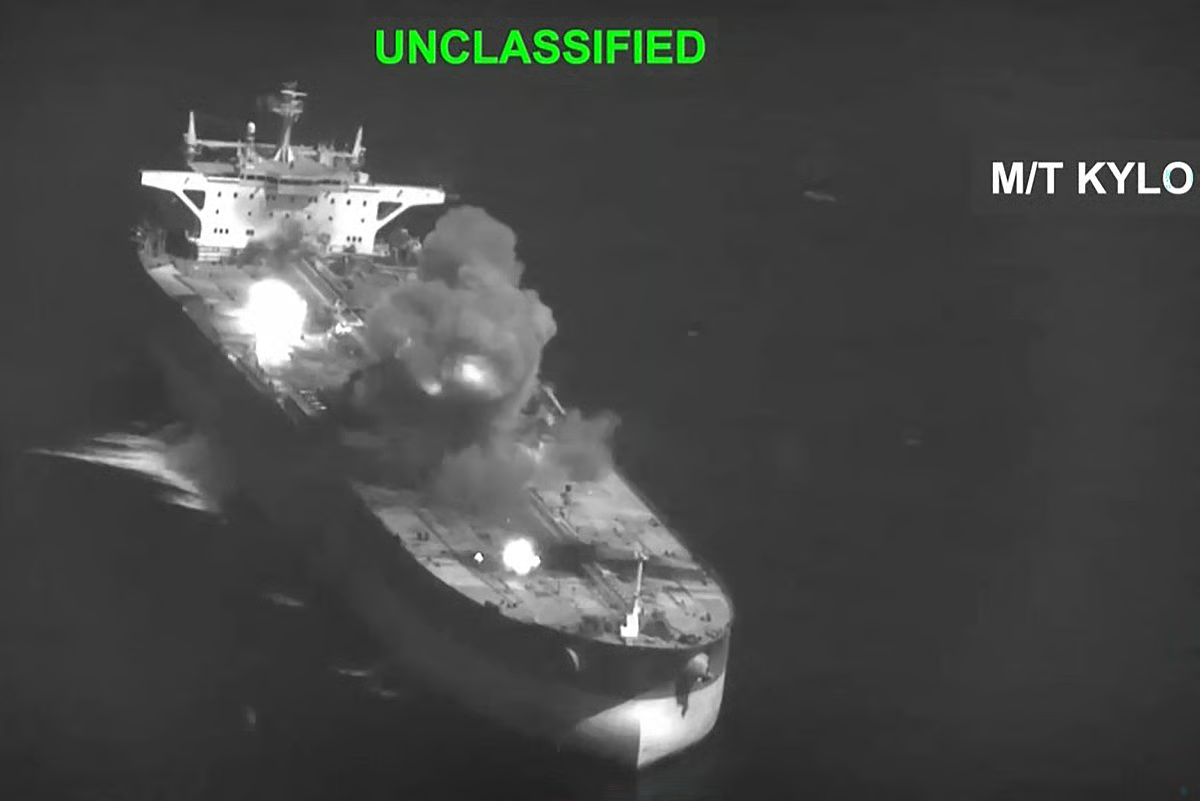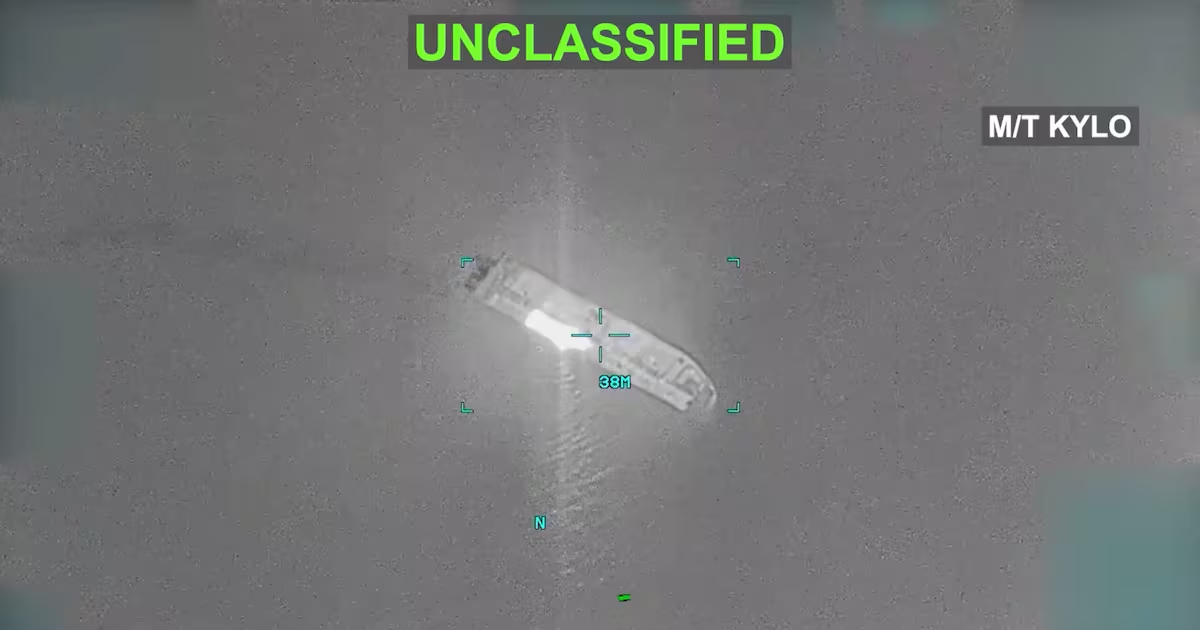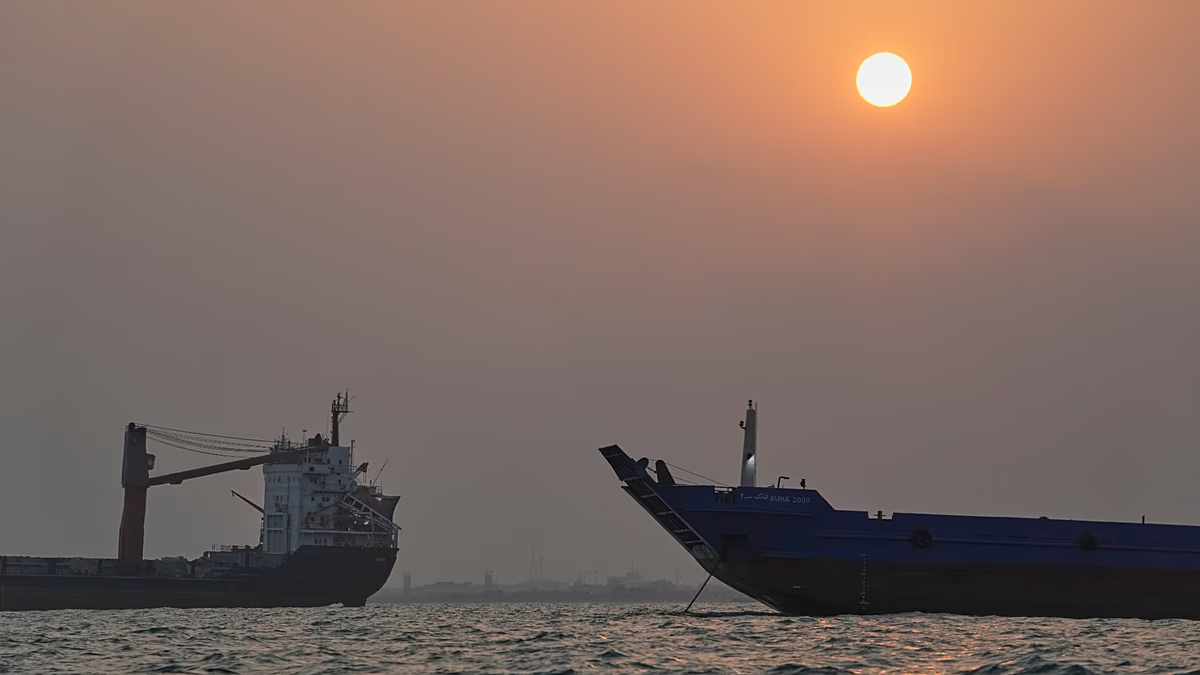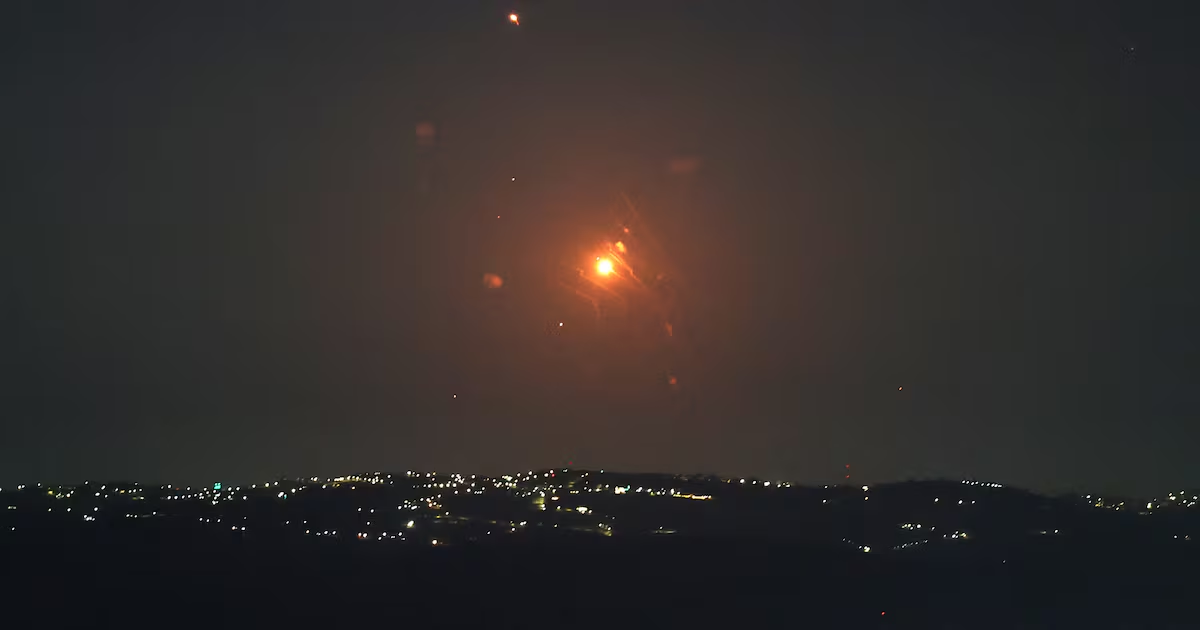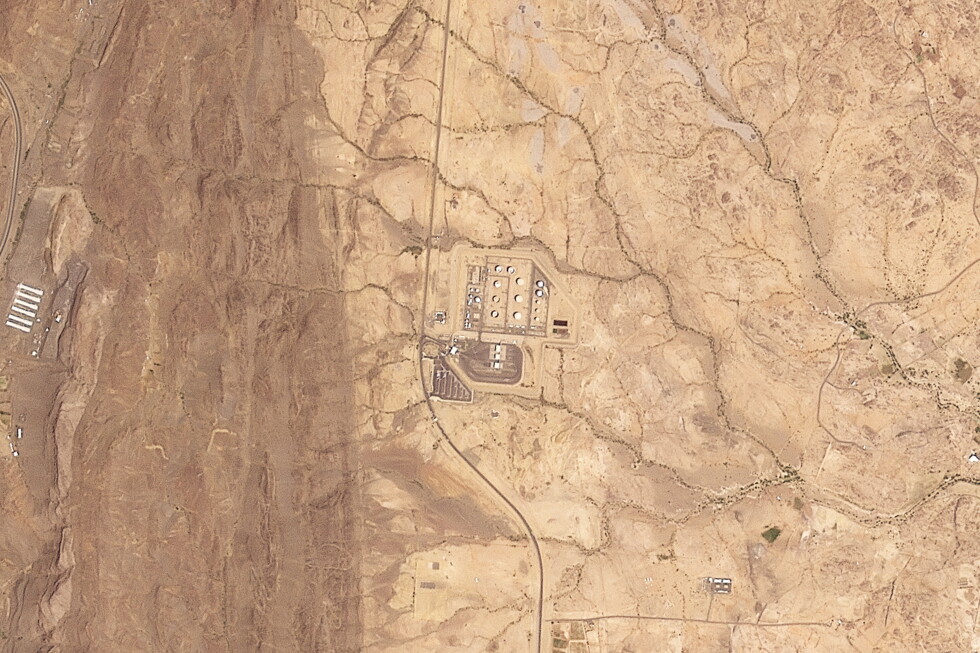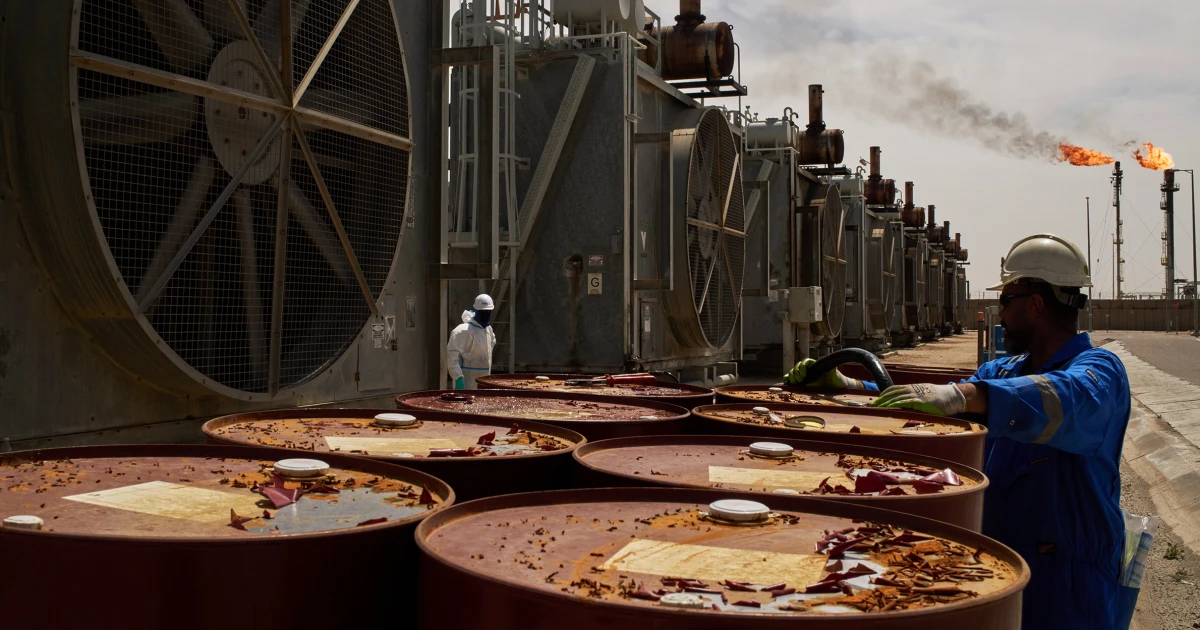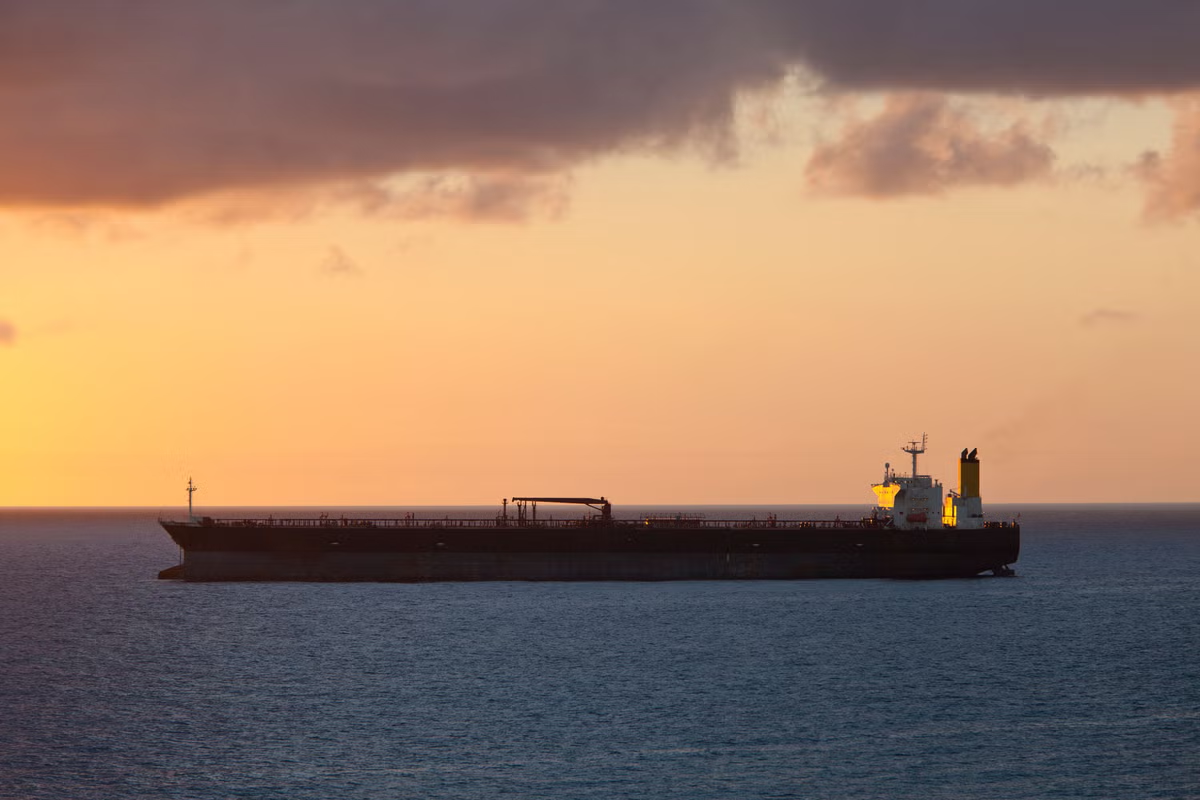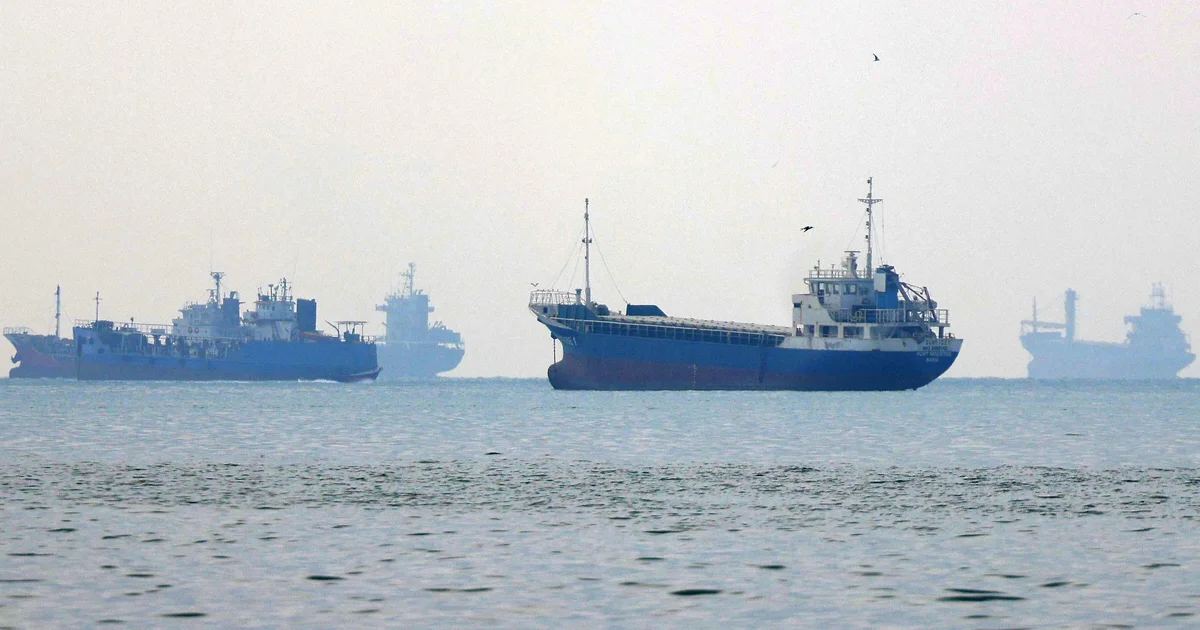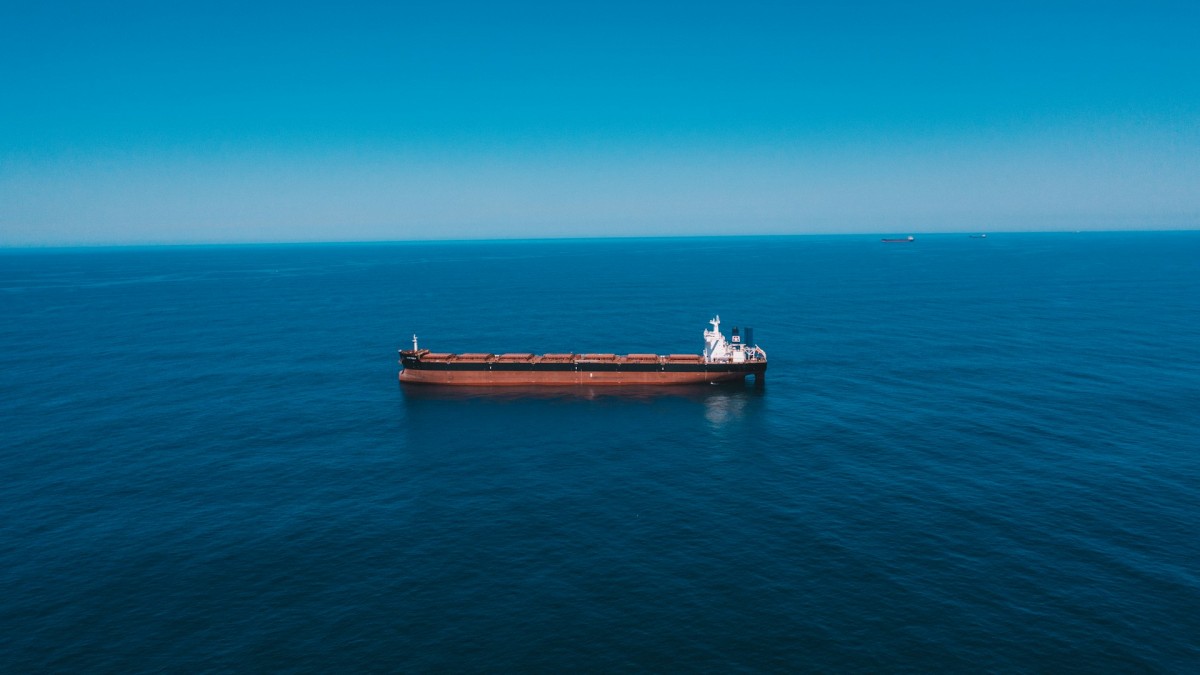
Oil prices finally hit the $100 mark early on Wednesday morning after the U.S. destroyed five more Iranian crude tankers and Iran targeted U.S. forces in Jordan. These attacks are just the latest phase of a major escalation that began over the weekend when U.S. forces hit three other oil tankers in response to the IRGC targeting two U.S. warships.At the time of writing, both benchmarks had fallen back slightly from their peaks but remained nearly $2 higher in the session, with WTI trading at $94.54 a barrel and Brent rising to $99.89. U.S. Central Command (Centcom) announced late on Tuesday that American forces had destroyed five Iranian crude oil carriers, once again claiming that it was in response to the IRGC targeting a U.S. Navy warship with ballistic missiles. Four of the carriers, M/T Kaviz, M/T Charminar, M/T Horizon 1, and M/T Riesco, were destroyed in the Gulf of Oman. One of the carriers, M/T Derya, was struck near Kharg Island. These latest attacks appear to be a continuation of the policy Admiral Brad Cooper outlined on Saturday when he said: “If you shoot at two of our ships, we will impose an even higher economic cost —taking out three of yours.”Centcom subsequently released footage on social media showing the M/T Riesco sinking following the strike. M/T Riesco sinks in the Gulf of Oman, Sept. 8, after being destroyed by CENTCOM forces in response to attempted IRGC attacks on a U.S. Navy warship. pic.twitter.com/EkmG8uyMT9— U.S. Central Command (@CENTCOM) September 9, 2026In response to the destruction of its oil carriers, Iran targeted U.S. forces in Jordan, with Jordan’s Armed Forces confirming that 20 ballistic missiles had been fired from Iranian territory. Jordan’s Armed Forces intercepted and destroyed 18 of them and reported that the remaining two fell on unpopulated areas and there were no casualties recorded.The IRGC claimed it had struck Jordan’s al-Azraq Air Base and said it had targeted two U.S. vessels and eight oil tankers in response to the sinking of its tankers. Those claims remain unverified. Separately, Iran has recovered a U.S. unmanned underwater vehicle in the Strait, although the two sides disagree on the details. Iran is claiming to have “captured one of the most modern, smart, and unmanned submarines”. The U.S. says that an underwater drone “malfunctioned more than a day ago” and that it was “an older model that neither collected sensitive data nor carried any classified sonar or radar equipment.”Oil prices had already been climbing before this latest escalation, with the Houthis’ Tuesday strikes on Saudi Arabia forcing the Kingdom to halt operating activities at several energy sites. The Saudi Ministry of Energy confirmed that there had been “fires at several locations” and that specialized teams were containing them and assessing the damage.Beyond just the short-term risk of strikes on major energy infrastructure in the region, oil markets are now contending with the slow but steady destruction of the ‘shadow fleet’ that has been bringing Iranian and Russian crude to markets. Bullish sentiment is building, and building fast, and there seem to be very few off-ramps to this conflict at the moment. Traders will be watching the American Petroleum Institute’s inventory report due out later today to get further insight into how the physical market is faring.By Josh Owens for Oilprice.comMore Top Reads From Oilprice.comVitol CEO: Global Fuel Markets Are "Tight and Inflexible"Gulf Producers Find Workarounds As Hormuz Tensions PersistOil Tankers Flood Back Into Suez Canal As Red Sea Risk Grows
Oil Prices Hit $100 as U.S. Destroys Five Iranian Tankers | OilPrice.com
Oil prices are closing in on $100 as escalating U.S.-Iran attacks increasingly target tankers, military bases, and regional energy infrastructure.
578 words~3 min read