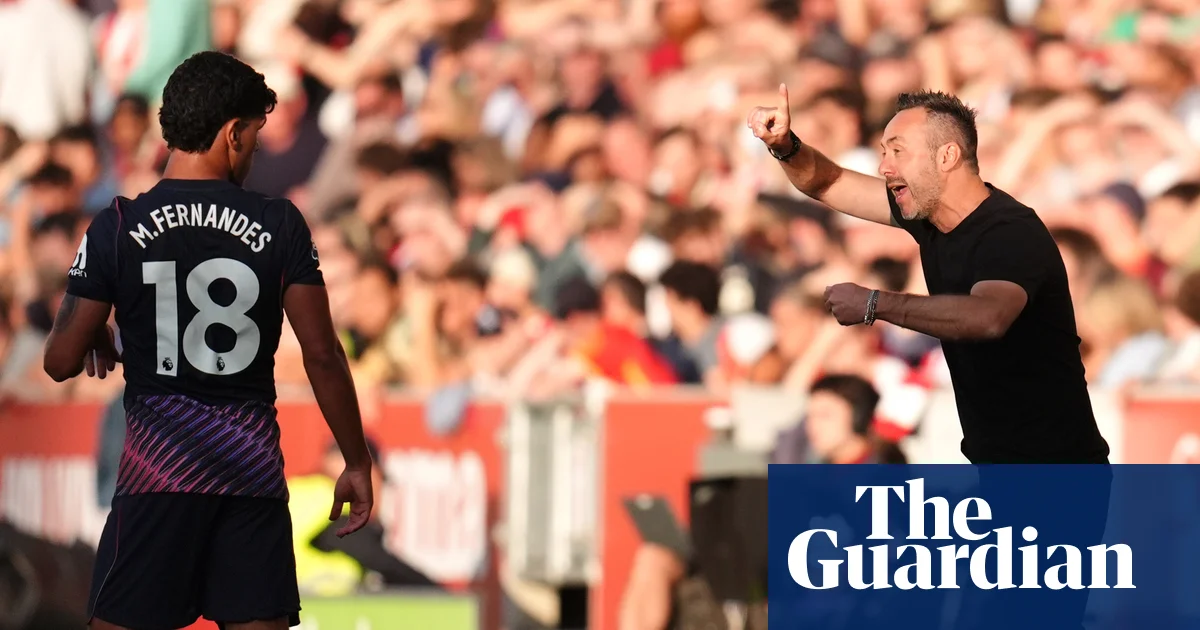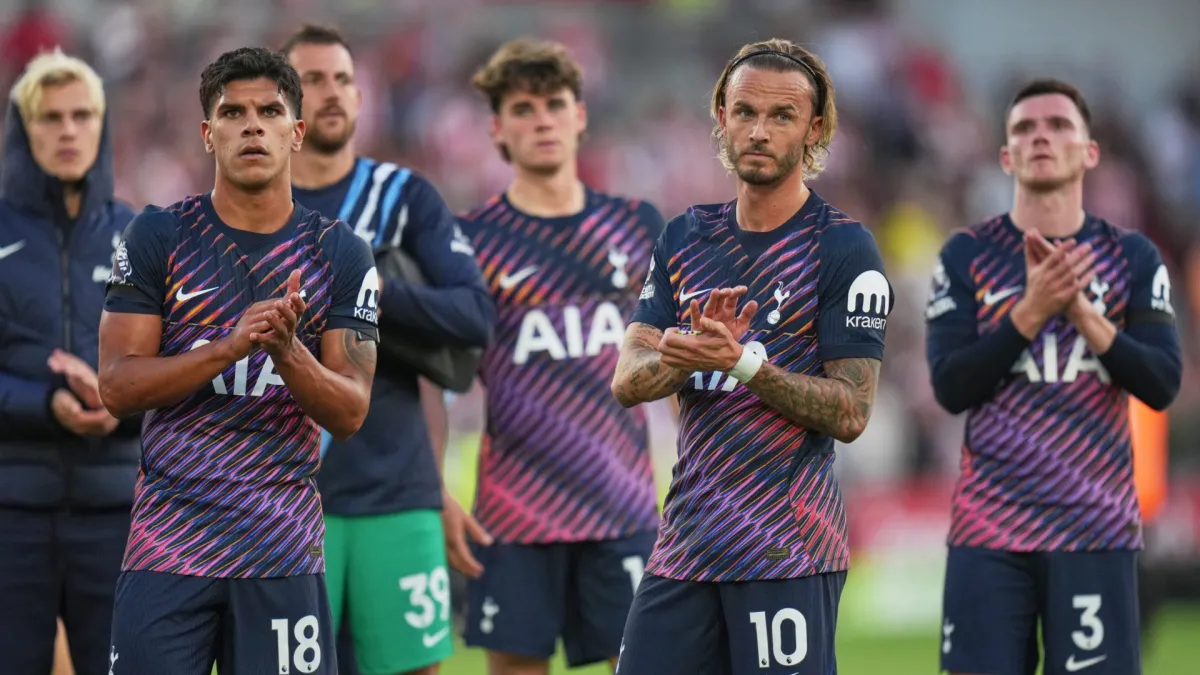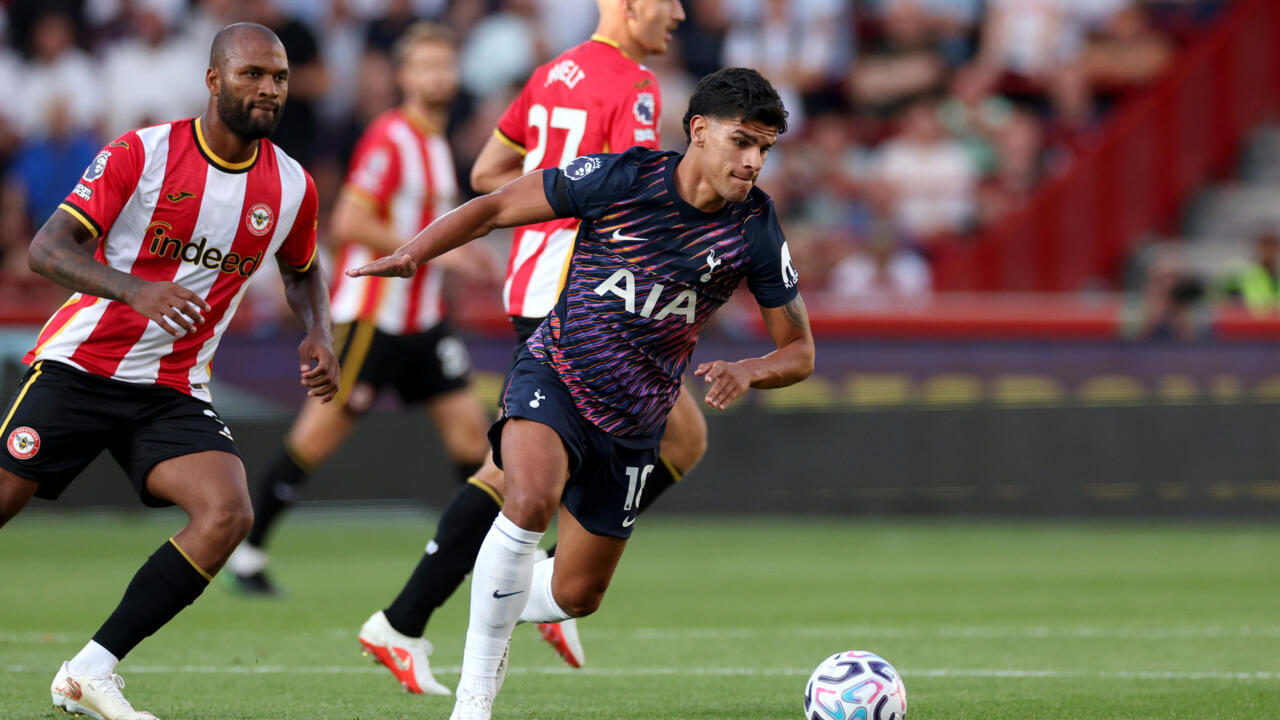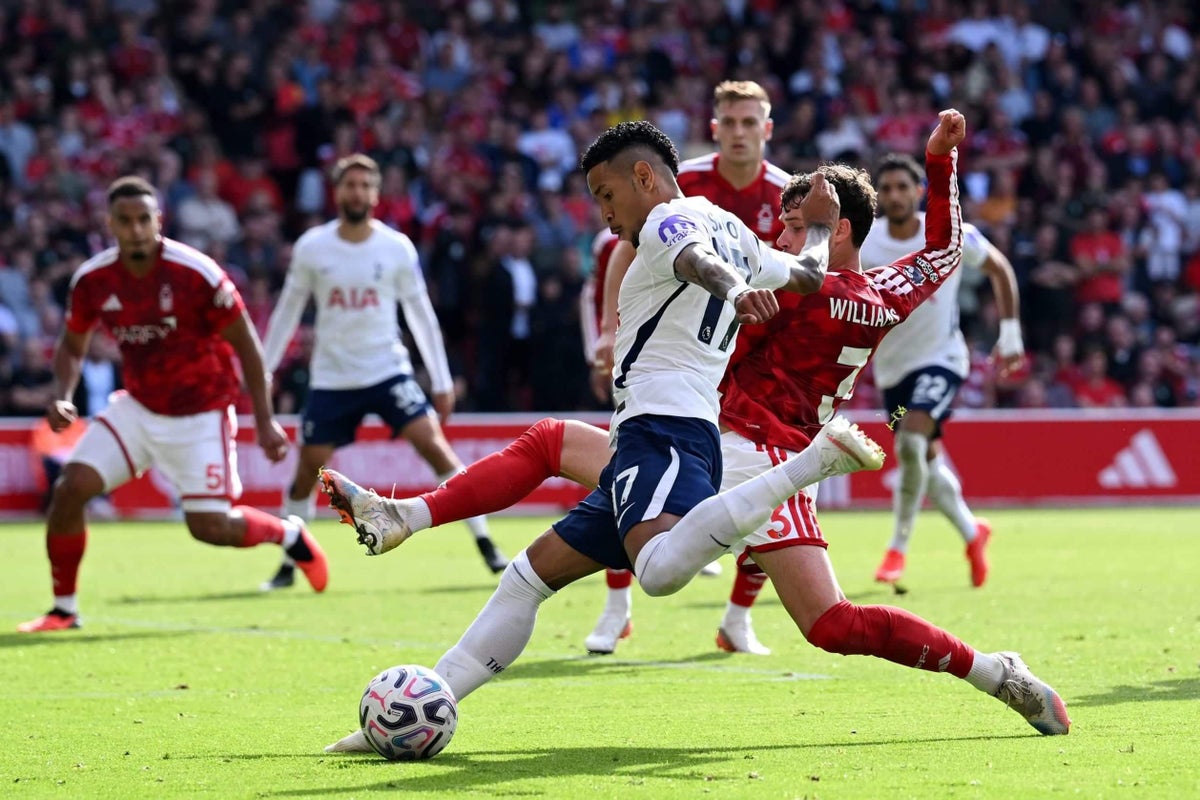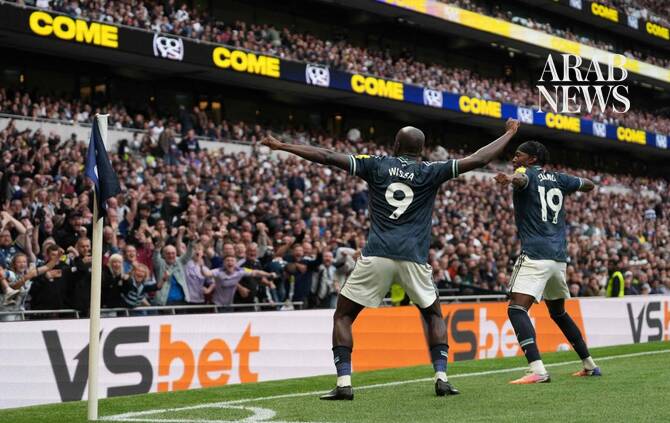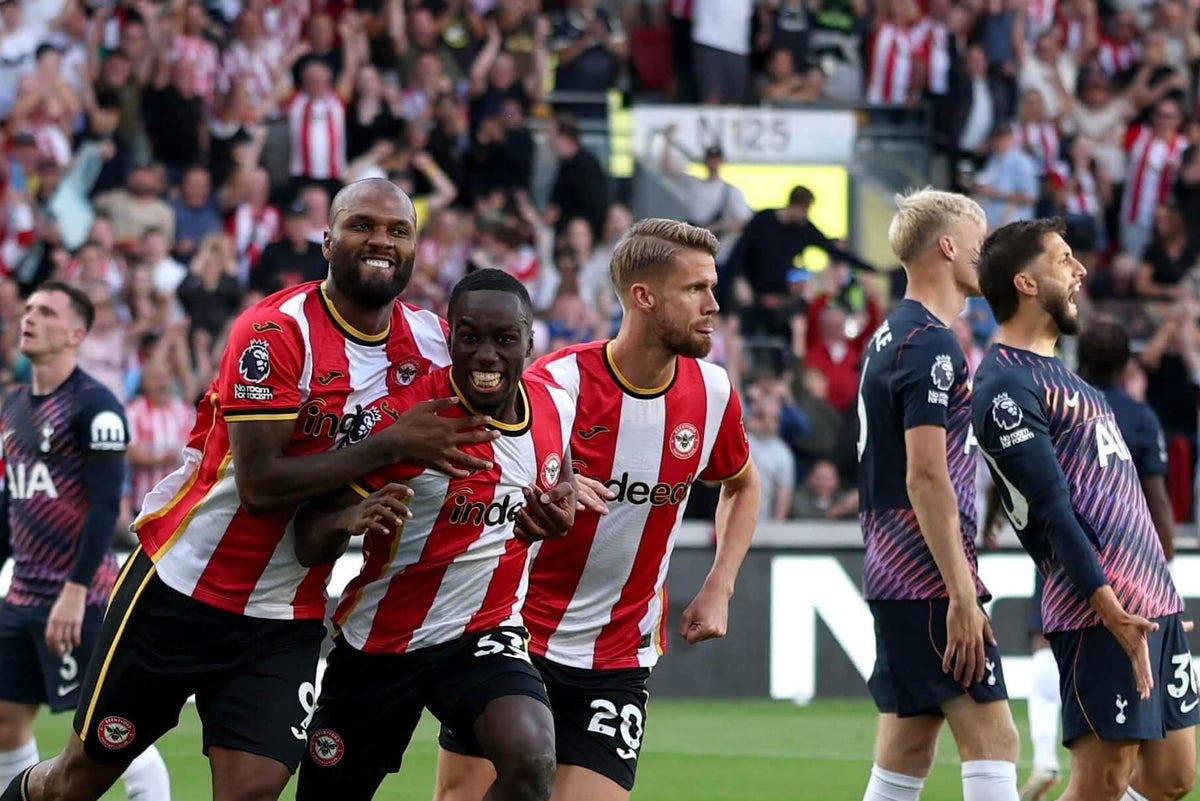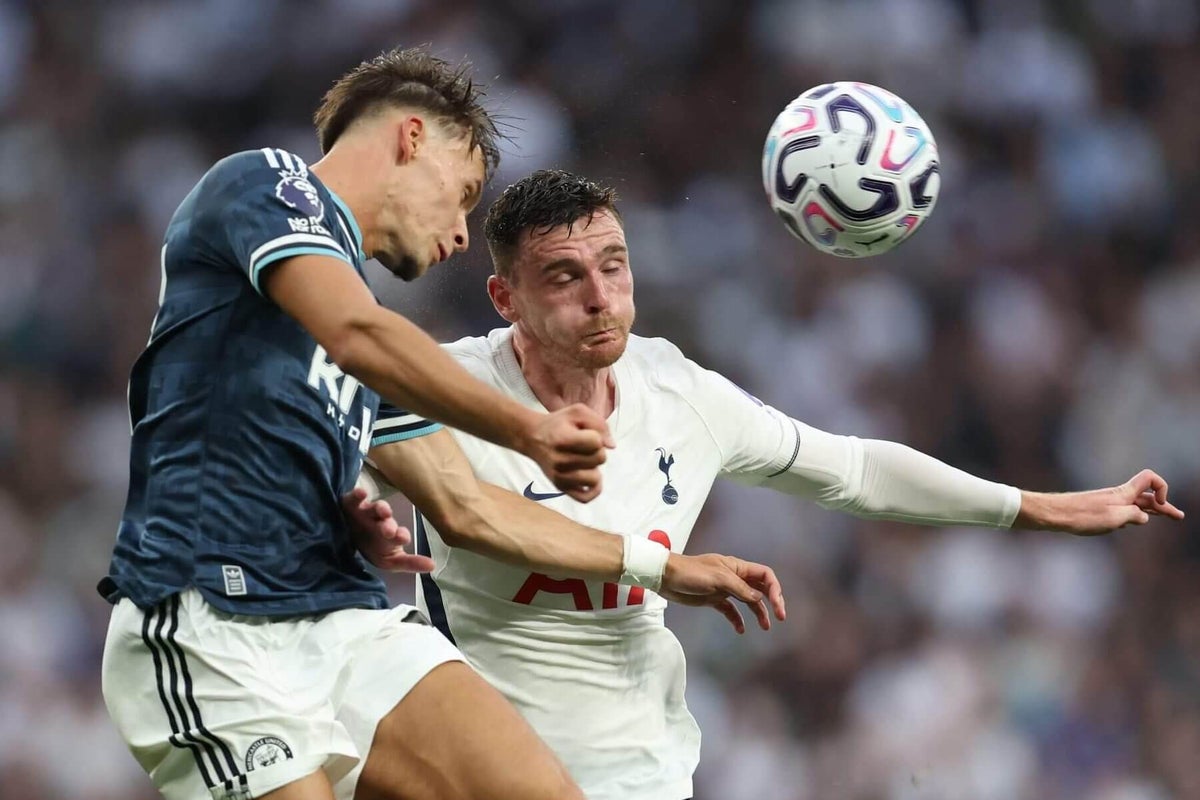
In his post-match press conference after his Tottenham Hotspur side were convincingly beaten by Brentford on the opening weekend of the new Premier League season, with the home side scoring their final goal of a 3-0 win from a corner, Roberto De Zerbi brushed off the suggestion that set pieces and a lack of physicality in the team would be a persistent concern beyond that game.“Listen, Brentford, in set pieces, are maybe the best team in the Premier League,” the Italian said. “So it’s normal to suffer. I think we suffer(ed) more in the duels, more in the second ball, than in the set pieces.”A week later, in Tottenham’s first home fixture of the campaign, Newcastle United got their second goal of a 2-0 win from a corner. Like at Brentford’s Gtech Stadium, Spurs failed to win with the first contact from a deep corner, allowing the ball to be headed across their penalty area to an unmarked Yoane Wissa, who acrobatically converted past Antonin Kinsky.These moments represent a marked departure from last season, when set pieces were one of the few things Tottenham consistently did well.Set-pieces coach Andreas Georgson was the mastermind behind their effectiveness from dead-ball situations, with the club scoring 19 of their 48 league goals via that route — the highest percentage in the Premier League (39.6 per cent). Spurs were also incredibly effective at keeping sides out from them, finishing second to Arsenal in set-piece goals conceded (nine). At just 15.8 per cent of the total (nine of 57), they were also the division’s best defence from set pieces relative to their total number of goals conceded.Micky van de Ven scored headers from two corners at Everton last season (Carl Recine/Getty Images)The 0-0 draw away to Nottingham Forest on matchday three at the weekend was a step in the right direction in the wider sense, keeping a clean sheet and earning their first point of the season, but Tottenham remain ineffective in both boxes in set-piece situations.As spoils of their territory and possession, the visitors won 10 corners but created just one chance, an awkward Micky van de Ven header from close range which he could not direct goalwards. With last season’s squad, a team in which strength and power in both midfield and defence were not in short supply, Spurs would typically have fashioned more from these opportunities.In recruiting players to execute De Zerbi’s style over the summer, they have lost an edge in the physicality department — a potential flaw when you consider the Premier League today is perhaps more physical than it has been since the turn of the century.Tottenham’s local north London rivals Arsenal became Premier League champions in May on the back of their set-piece dominance, while last season’s second- and third-placed sides Manchester City and Manchester United have both spent big since to solidify their midfields with athletes.Of the 10 players Spurs recruited in the transfer window just ended, it’s difficult to argue that any have a stellar reputation for their aerial ability, including Tosin Adarabioyo and Jan Paul van Hecke, despite them being centre-backs listed as 6ft 5in (195cm) and 6ft 2in (188cm) tall, respectively.Have Spurs had a good or a bad window?Jay Harris and Rachael TindeWhile De Zerbi references Brentford as an almost-unique case regarding aerial and set-piece capability, a glance down the table leaves you wondering if any other clubs have not been built their teams with dead-ball situations in mind.Tottenham fielded the fifth-shortest starting XI in the Premier League at the weekend (an average of 183.1 cm — just over 6ft), but height is far from the only factor.Club captain Cristian Romero departed for Atletico Madrid in the summer, having been among Spurs’ best players in both boxes over recent seasons; Joao Palhinha scored five Premier League goals during his year on loan from Bayern Munich, including the decisive one in the 1-0 win against Everton on the final day — he is now at Benfica; Richarlison netted 11 times in the Premier League, and was often the man positioned to make the first contact at defensive corners and other set pieces; then head coach Ange Postecoglou hailed Kevin Danso as a player who “enjoys the whacks”, and the Austrian defender described himself as a “warrior” after signing for Sunderland on deadline day last week.These players were arguably Tottenham’s most dominant physical profiles and headers of the ball last term. All are now either gone or, in Richarlison’s case, unavailable in the Premier League, having been left out of De Zerbi’s official squad.Brentford’s Kevin Schade wins a header against Spurs on the opening day of this season (Gaspafotos/Getty Images)His team selection against Forest suggests the head coach is cognizant of Tottenham’s declining effectiveness as a set-piece animal.Conor Gallagher was a surprise pick in the starting XI, preferred to £85million summer signing Mateus Fernandes, with De Zerbi referencing how he knows English football better and that he was aiming to find the “right balance” in the team. The day before, De Zerbi namechecked Gallagher as a player who can help his team from a set pieces and physicality perspective.“We have the centre-backs with physicality,” he said. ”Listen, to defend the set pieces, first of all, you have to have blood and the right speed to defend. Because, sometimes, it’s the duel. You have not to lose all duels because you are smaller than the opponent. We have Allan Dixon (the club’s beefy player liaison officer). We put Allan Dixon in the set pieces on the pitch, if you want?“But I think if you do not have the spirit to fight in duels — this part makes the difference. Also, the structure, the physicality, for sure. But we have Van Hecke, Van de Ven, (Destiny) Udogie, (Rodrigo) Bentancur and (Dominic) Solanke (as options). Gallagher is very good in the set pieces. Why? Because he fights.”But perhaps falling short in some areas, at least in the early stages of De Zerbi’s rebuild, is an inevitable trade-off as he prioritises others.Notably, Spurs amassed 10 corners against Forest, something they did in the league only four times last season before his appointment at the end of March (the fifth and final occasion was in the 1-1 draw with Leeds United in May), reflecting how they are improving in sustaining pressure in the opposition team’s half.The five best transfers of the 2026 summer windowTim SpiersIn a standout display, Bentancur was at the heart of everything good about Tottenham at the City Ground, bringing a maturity and tactical discipline to the midfield. And with the aforementioned outgoings, the Uruguay international is also probably Tottenham’s best player in the air now, rendering him near-undroppable.Another of the newcomers, Sandro Tonali, was improved, looking closer to the athletic level required to play in the Premier League than he did against Brentford, and Spurs are now stacked with talent, if potentially a little short on evidence of Premier League production, in the final third.In transitioning the team from physical to technical, De Zerbi is, in theory, raising the ceiling.Last season, set pieces propped the floor up just above the relegation precipice. To keep it there, he may have to divert more attention to ensuring the 2026-27 version of Tottenham have the robustness to compete in what’s become a hyper-physical Premier League.
In raising their technical ceiling, Tottenham have left themselves short of physicality
In recruiting players to execute De Zerbi's style, Spurs have lost an edge in the physicality department - but is it a price worth paying?
1,215 words~6 min read