Is Nigeria now a country of fakes and counterfeits? Last week, the House of Representatives ad-hoc committee investigating the purported Presidential Foreign Intervention Promotion Council reported that it uncovered 12 fake agencies and a network of about 58 bank accounts allegedly linked to its detained director-general, Prince Adeniyi Adeyemi. The chairman of the committee, Hon. Yusuf Gagdi, disclosed the findings while presenting the panel’s preliminary report to parliamentary correspondents in Abuja on the circumstances surrounding the council’s inclusion in the Federal Budget Framework.
Over the weekend, there was a trending video where the immediate past Vice President of Nigeria, Prof. Yemi Osinbajo, claimed that his wife, Dolapo, traced a recurring headache to a staple of freshly squeezed orange juice she makes a habit of taking every morning. According to the former No. 2 citizen of Nigeria, a laboratory test on the oranges she used in preparing the juice found them not to be fit for human consumption. I have also seen several videos of Nigerians talking about fake toothpastes, fake palm oil, etcetera.
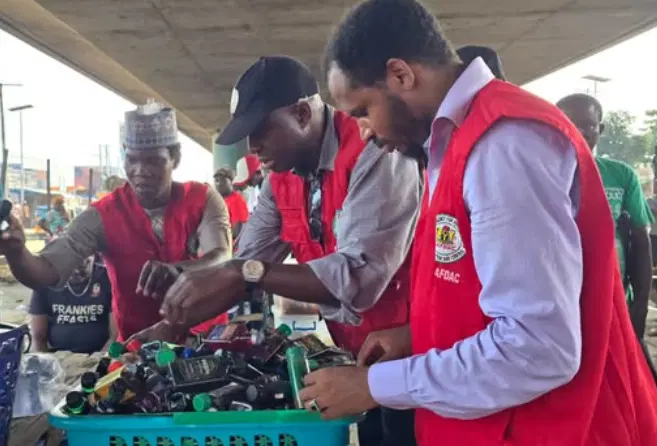
For a long time, it has been uncovered that some unscrupulous Nigerians use hazardous chemicals as preservatives. Some meat sellers are alleged to use formalin; substance used in embalming corpses, as a preservative for their meats so that it does not get spoilt quickly. Recently, there was a trending story of a bakery which produce bread that does not get spoilt no matter how long it’s been on the shelf. This is made possible due to chemicals used in baking the bread. A lot of fruit sellers have been accused of using carbide to ripen their fruits such as mangoes, oranges, bananas, plantains, pineapples, etc. They also use poisonous substances to preserve vegetables from wilting and apples, carrots, cucumbers, pawpaw, etcetera, from spoiling quickly. Similarly, grain sellers in local markets have been accused of using dangerous chemicals such as sniper and other insecticides to preserve grains such as beans, maize, guinea corn, millet, and the like.