Published September 8th, 2026 - 21:02 GMT
Highlights
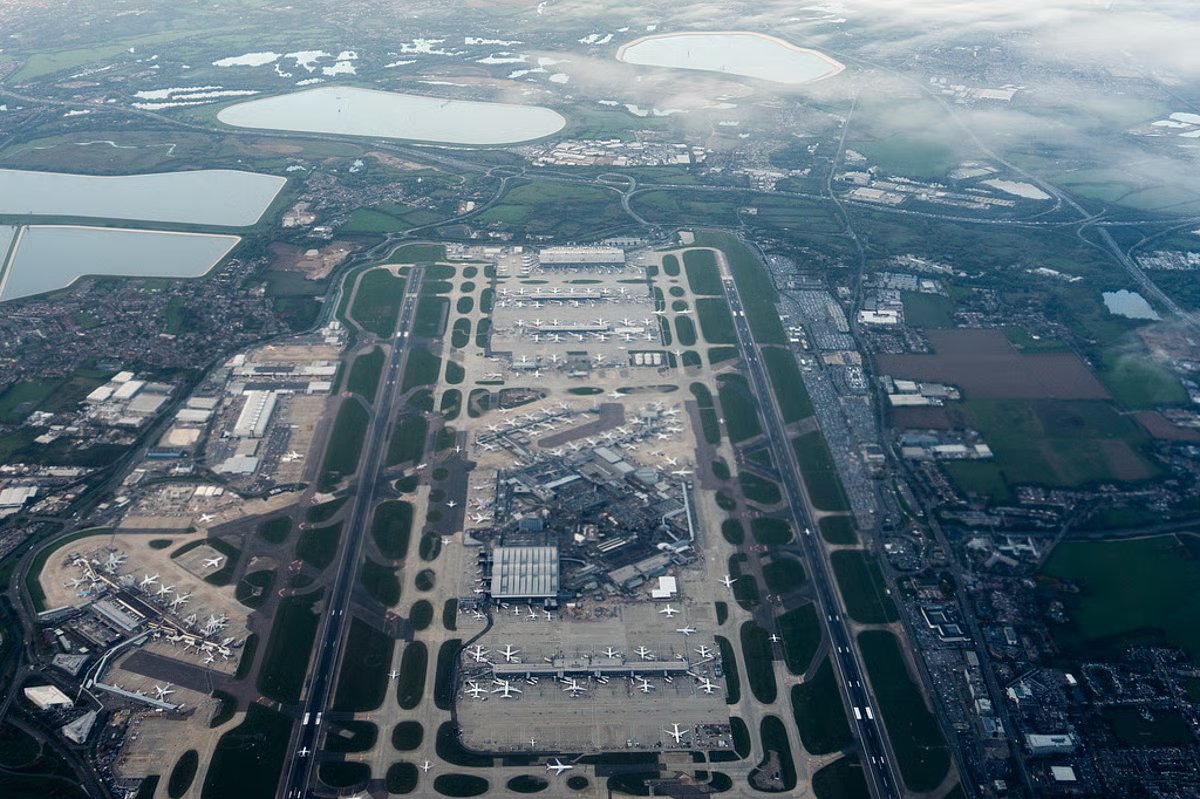
Affected airports included Heathrow, Gatwick, Stansted, London City, Manchester, Birmingham, Edinburgh, East Midlands, Luton and Belfast, while airports in Ireland, including Dublin, also reported knock-on disruption.
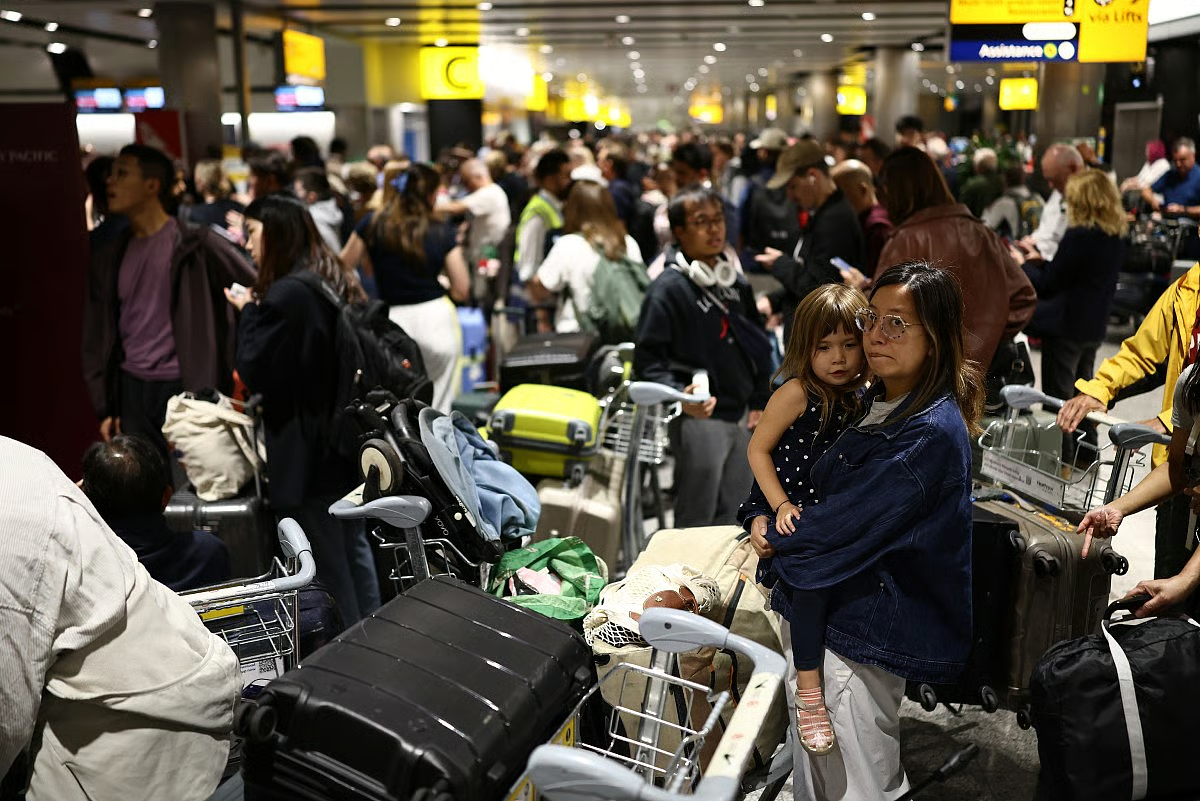
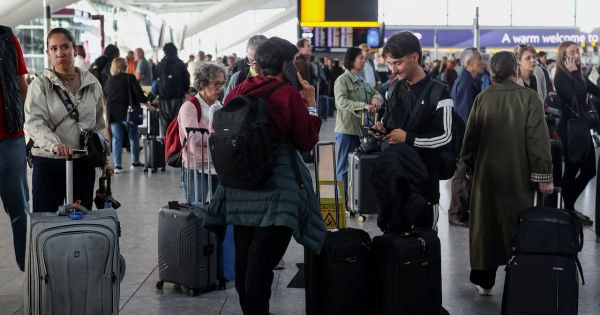
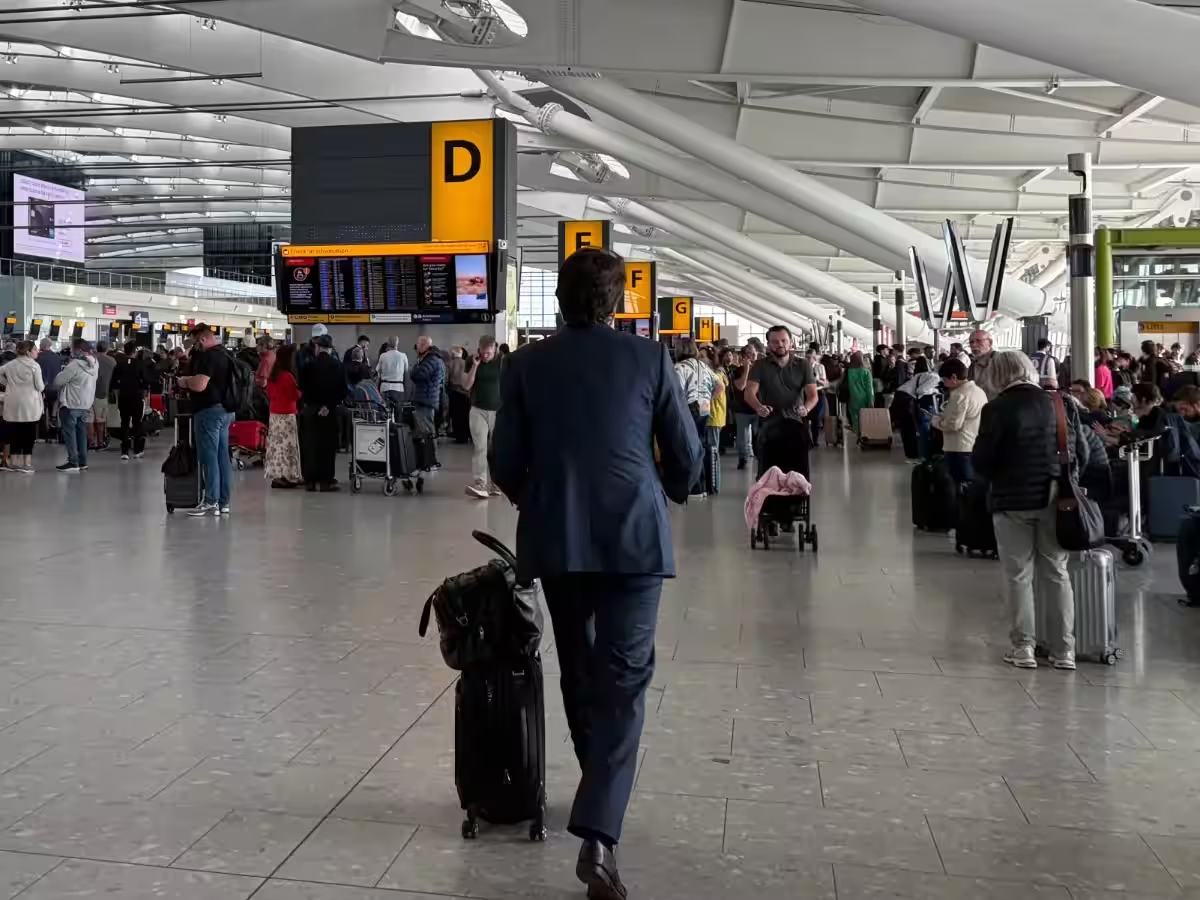
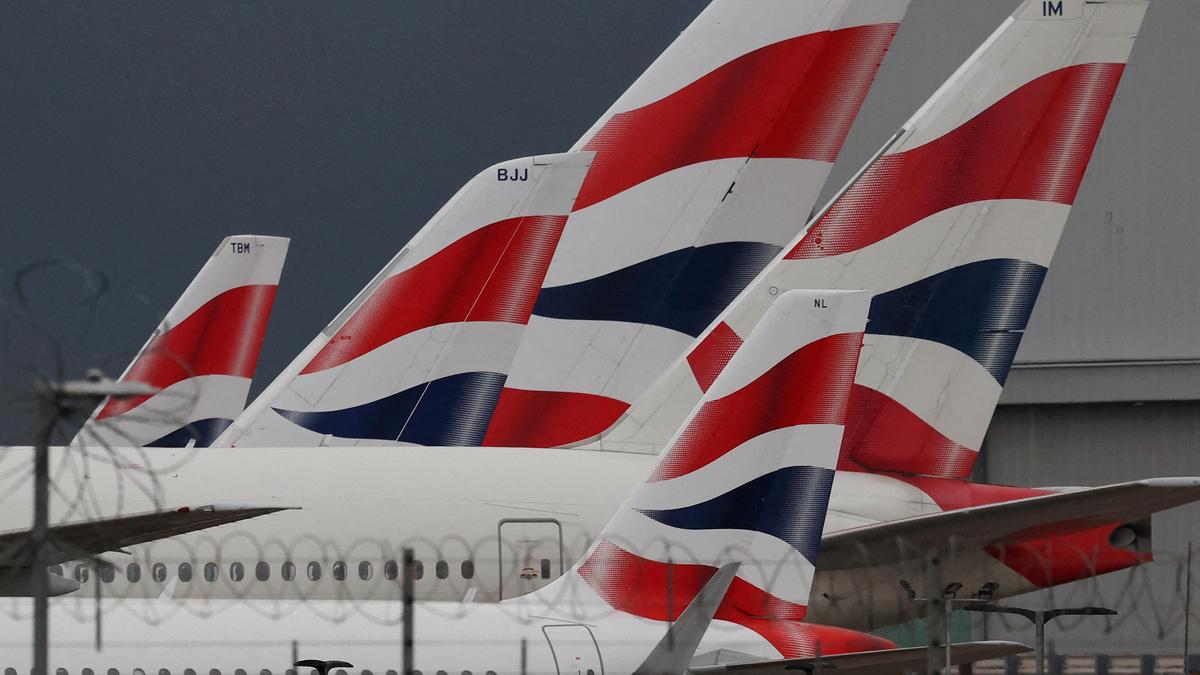
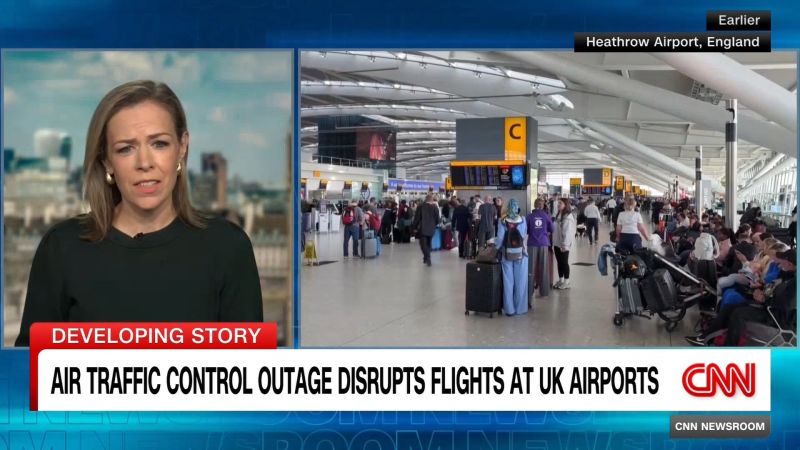
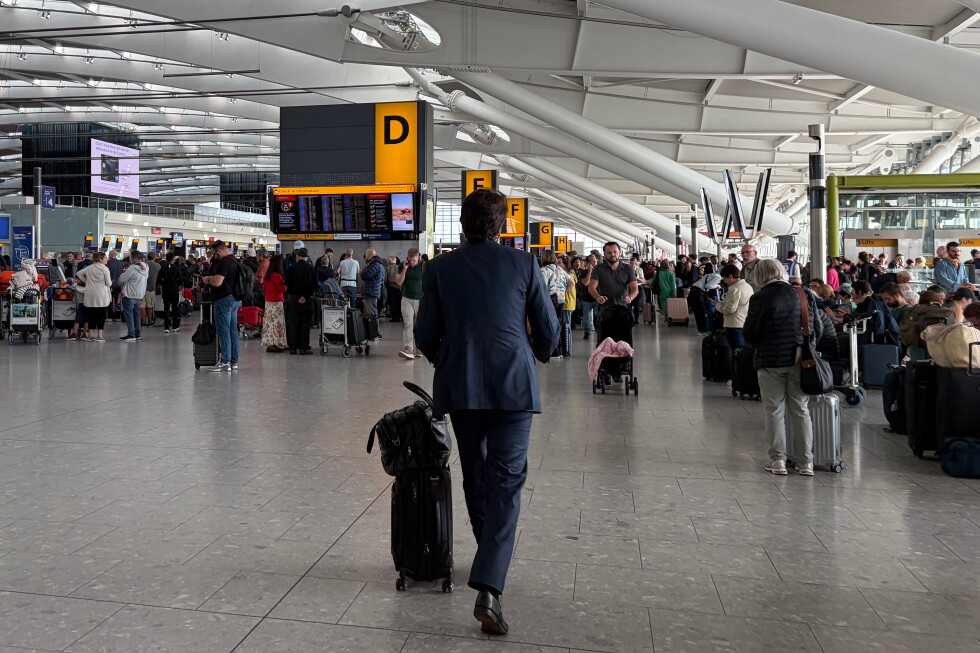
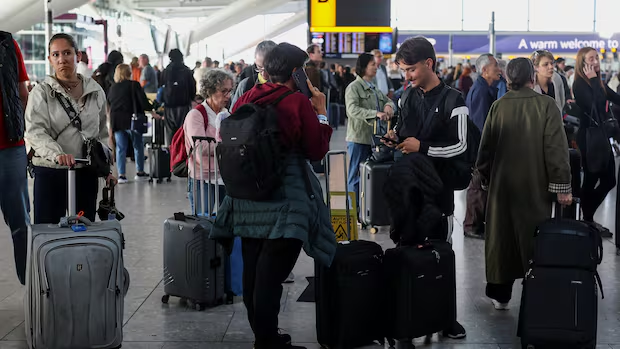
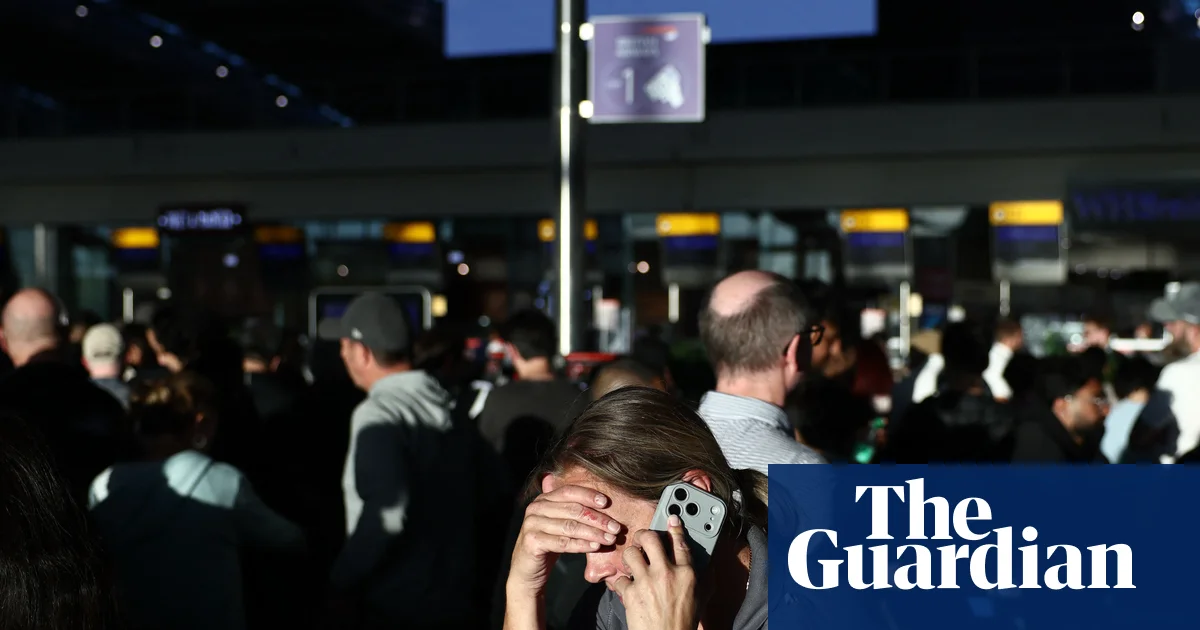
ALBAWABA- A major technical failure in Britain’s air traffic control system caused widespread disruption at airports across the United Kingdom and parts of Ireland on Tuesday, with more than 600 flights cancelled and hundreds more delayed.The disruption began around midday after NATS (National Air Traffic Services), which manages air traffic control across the UK, experienced a fault in its flight-processing system. The problem initially hit departing flights but later affected both arrivals and departures at airports across the country. NATS said airspace remained open and flights continued to operate, but at severely reduced capacity. Affected airports included Heathrow, Gatwick, Stansted, London City, Manchester, Birmingham, Edinburgh, East Midlands, Luton and Belfast, while airports in Ireland, including Dublin, also reported knock-on disruption. By late afternoon, flight-tracking data showed at least 625 cancellations, with the overall number of delayed or disrupted flights approaching 1,000. Airports across the UK are seeing flight delays and cancellations due to an issue with air traffic control.Nats says the issue is with its "flight processing system" and that "recovery will take some time".Heathrow and Gatwick airports are affected."Technicians have… pic.twitter.com/BXvDxDuihB— BBC London (@BBCLondonNews) September 8, 2026 NATS said engineers identified the fault in its flight-processing system and implemented a fix at about 4:40 p.m. local time. The system subsequently began recovering, but NATS warned that restoring normal operations would take time because of the backlog of aircraft, passengers and crews displaced by the disruption. Airlines bore much of the immediate impact. British Airways cancelled or diverted more than 100 flights, affecting tens of thousands of passengers, while Ryanair said more than 65,000 passengers were delayed and more than 50 flights were cancelled. EasyJet also reported disruption extending to flights elsewhere in Europe. The incident triggered renewed criticism of NATS. Ryanair called for the resignation of NATS chief executive Martin Rolfe, arguing that passengers were again paying the price for failures in Britain's air traffic-control infrastructure. Wizz Air also called for urgent reforms, saying a critical national infrastructure provider should not repeatedly cause major disruption. The disruption is particularly significant because it follows other major NATS-related incidents in recent years, including a nationwide flight-planning system failure in 2023 and a radar-related disruption in 2025. Britain's aviation regulator previously required NATS to review its contingency arrangements following earlier failures. Transport Secretary Heidi Alexander said she was seeking assurances that lessons would be learned and that systems supporting Britain's aviation network were reliable enough. NATS has apologised to passengers and said the latest failure was not the same technical problem responsible for previous outages. The cause of Tuesday's failure remains under investigation.