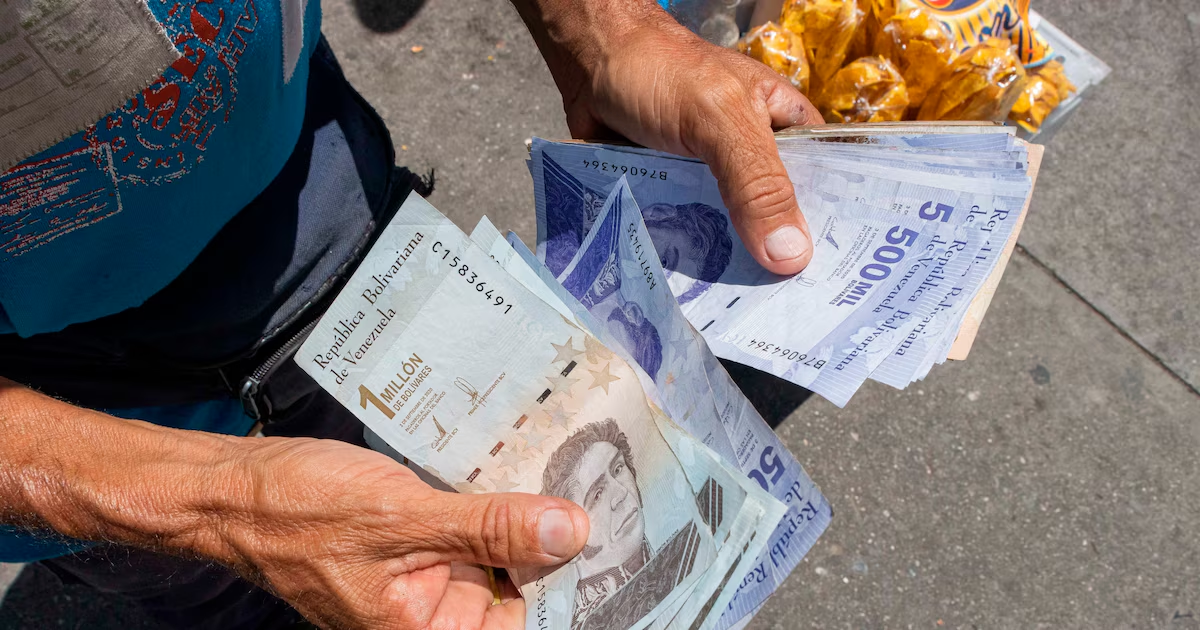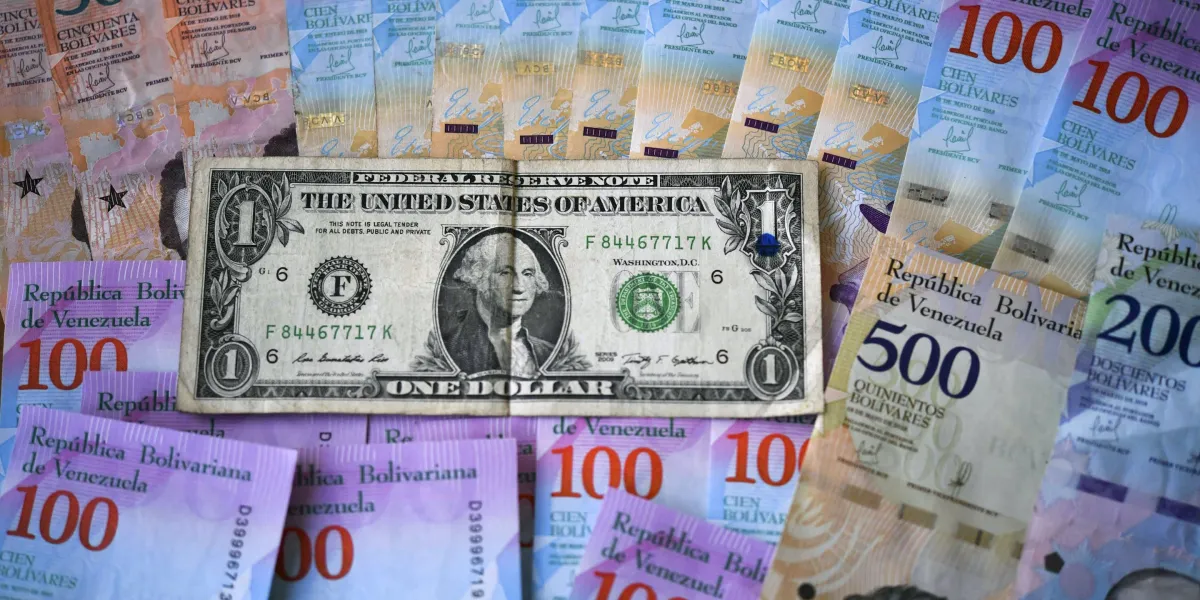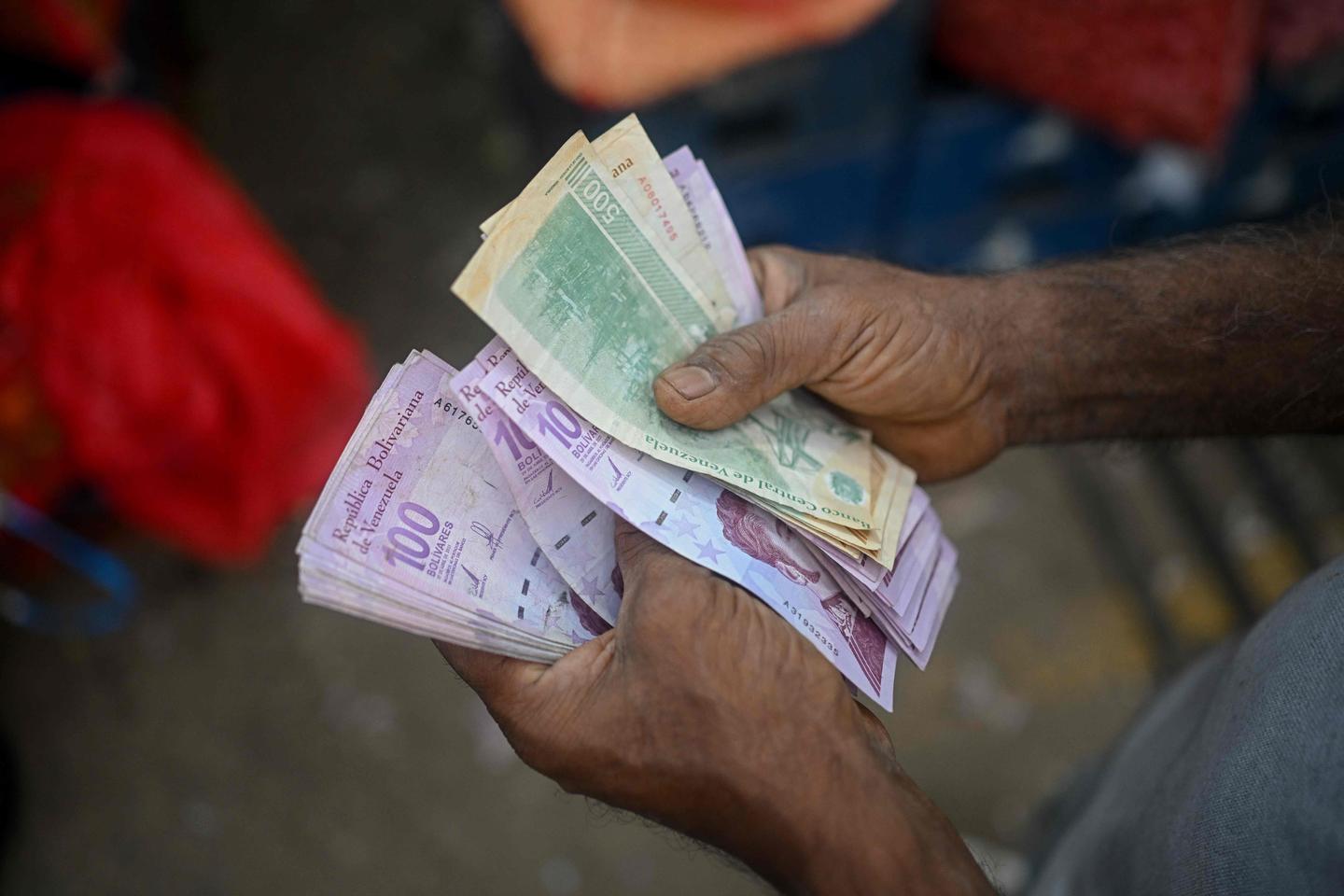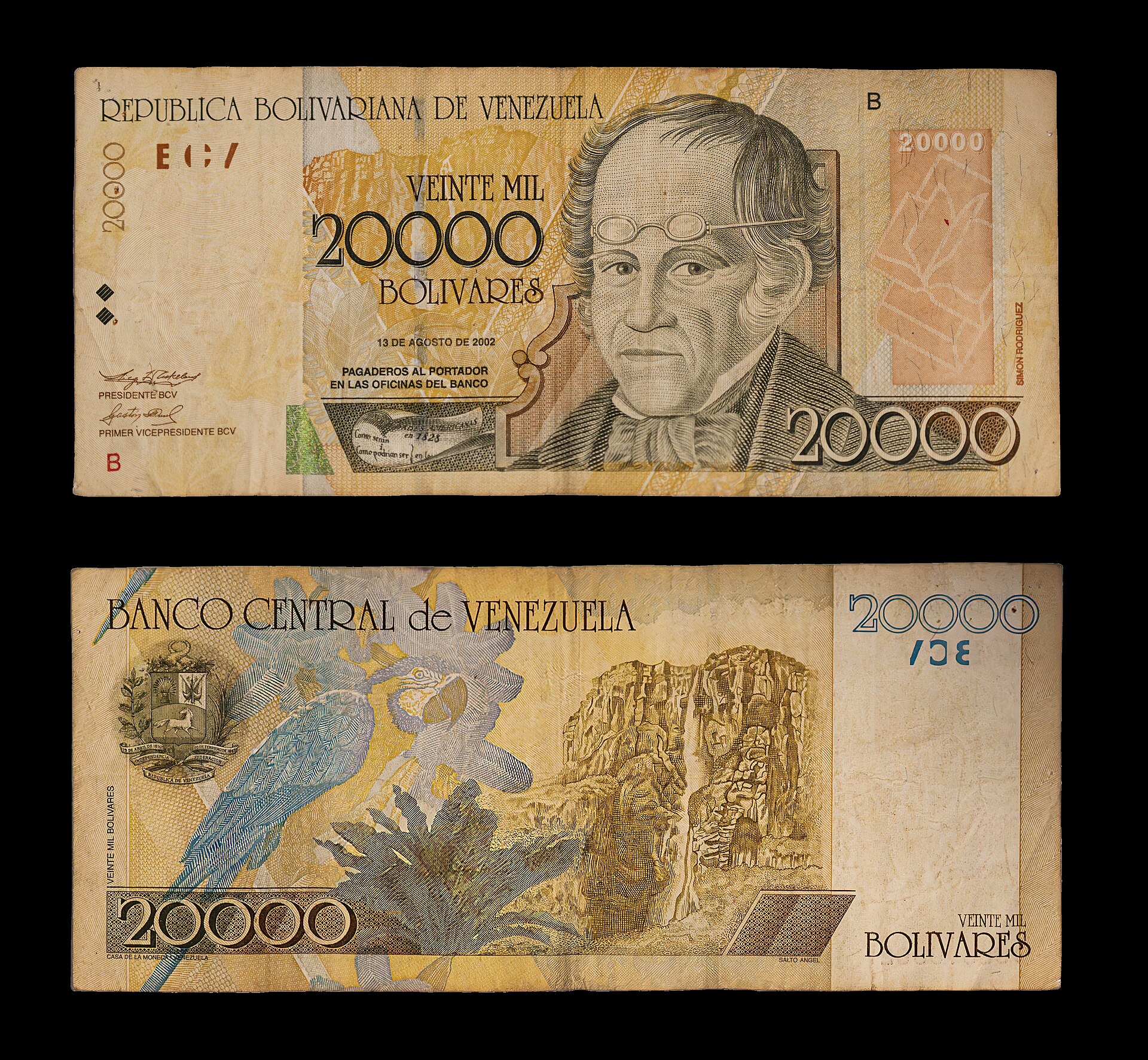
Venezuela’s National Assembly is actively debating how to end the world’s highest inflation rate and retire the bolivar, the world’s worst-performing currency. One of us is advising that debate directly. Naturally, during the past few weeks, the discussion about how to kill Venezuela’s inflation, the world’s highest, and what to do with the bolivar, the world’s worst-performing currency, has heated up.
Some Venezuelans have argued that the most desirable option to solve the bolivar-inflation problem would be to adopt the Peruvian system. While this system has performed well in Peru, it is the product of a unique set of circumstances that are not exportable. It would not work in Venezuela. Indeed, the idea that the adoption of Peru’s system would solve Venezuela’s monetary problems is not only mistaken, but dangerous.
Why do people advocate the Peruvian system? Because it is one of the few Latin American success stories. Following Peru’s hyperinflations of 1988 and 1990 and its economic collapse, Peru introduced a monetary regime in 2002 that has hit or come close to hitting its inflation target of 1%-3% most of the time. Indeed, inflation has only exceeded the upper bound of the target range four times in the 24 years since inflation targeting was introduced, and three of those four years occurred during the COVID pandemic. In addition to relatively low inflation, Peru’s system has delivered a relatively stable currency, resilience to major economic shocks, and sustained economic growth.