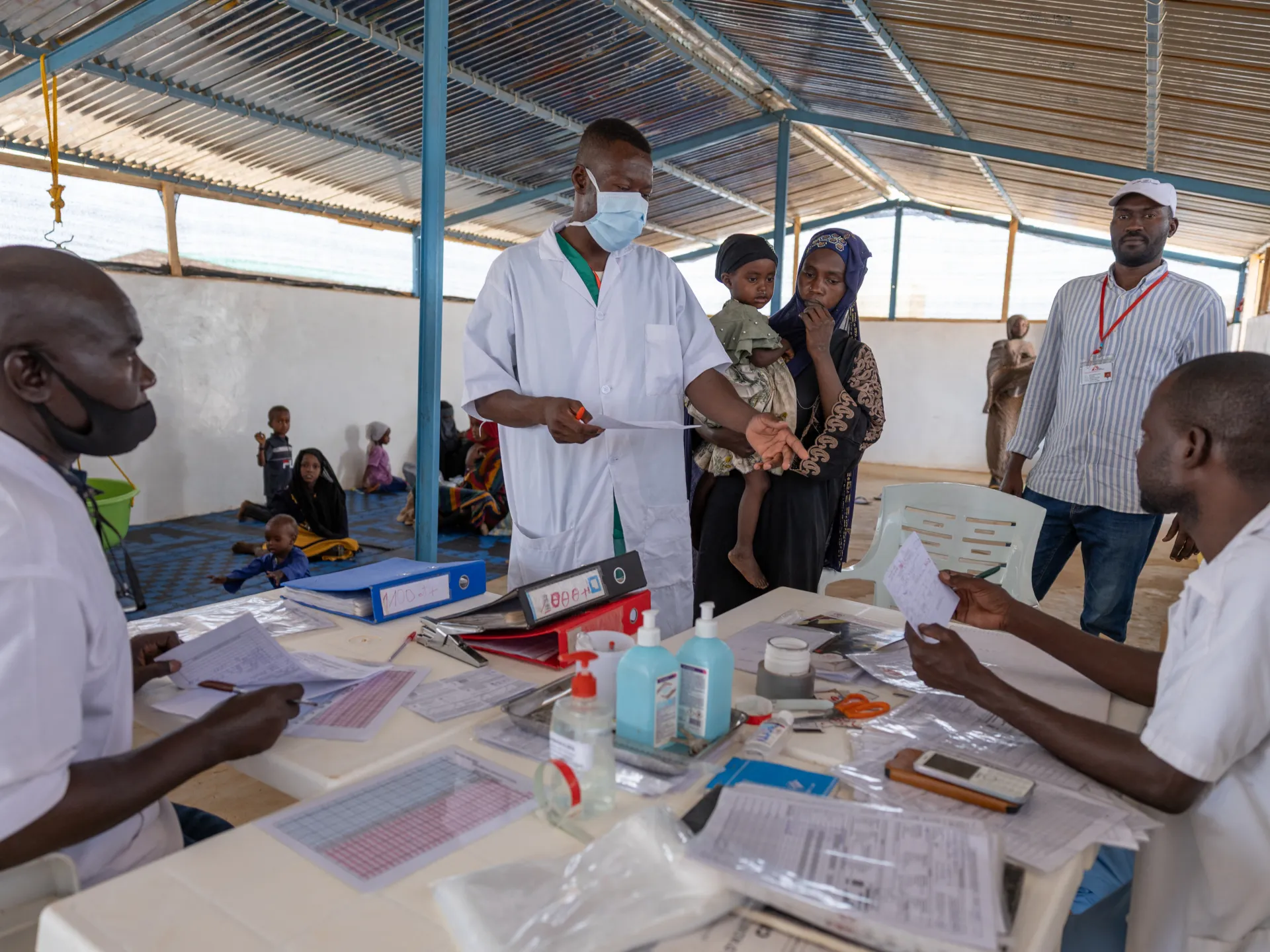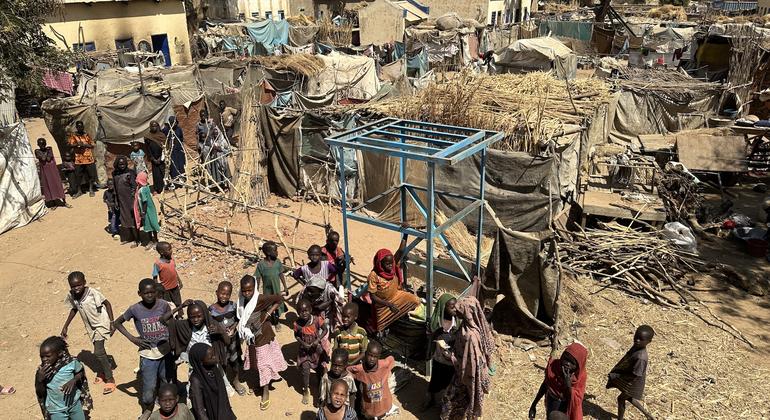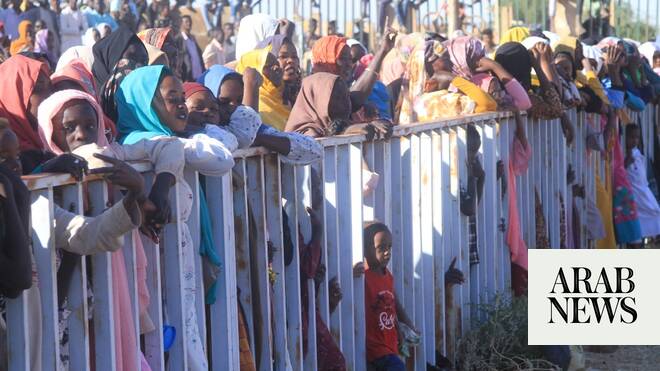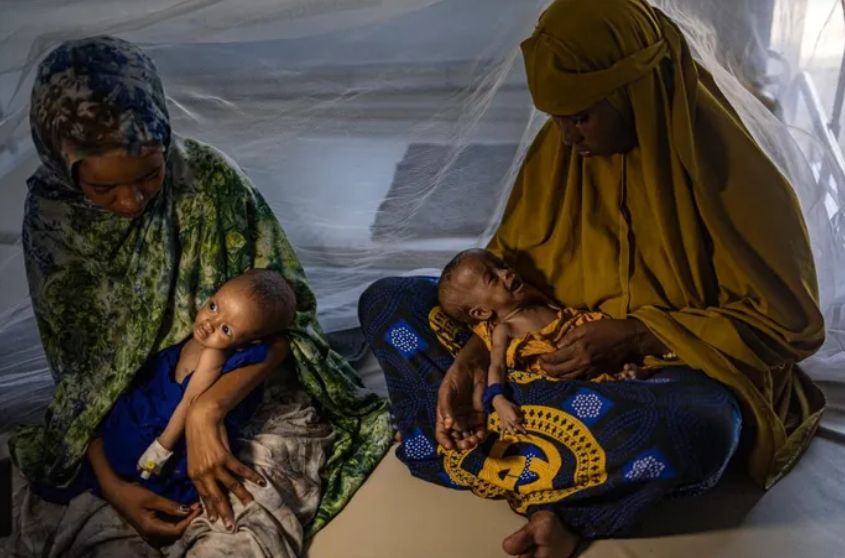
Displaced Somali women hold their severely malnourished babies in a stabilization centre for children suffering severe accute malnutrition in Kismayo, Somalia on April 22. Today across Africa, women and girls remain caught in a confluence of armed conflict, forced displacement, food insecurity, climate shock and systemic poverty, says the writer.
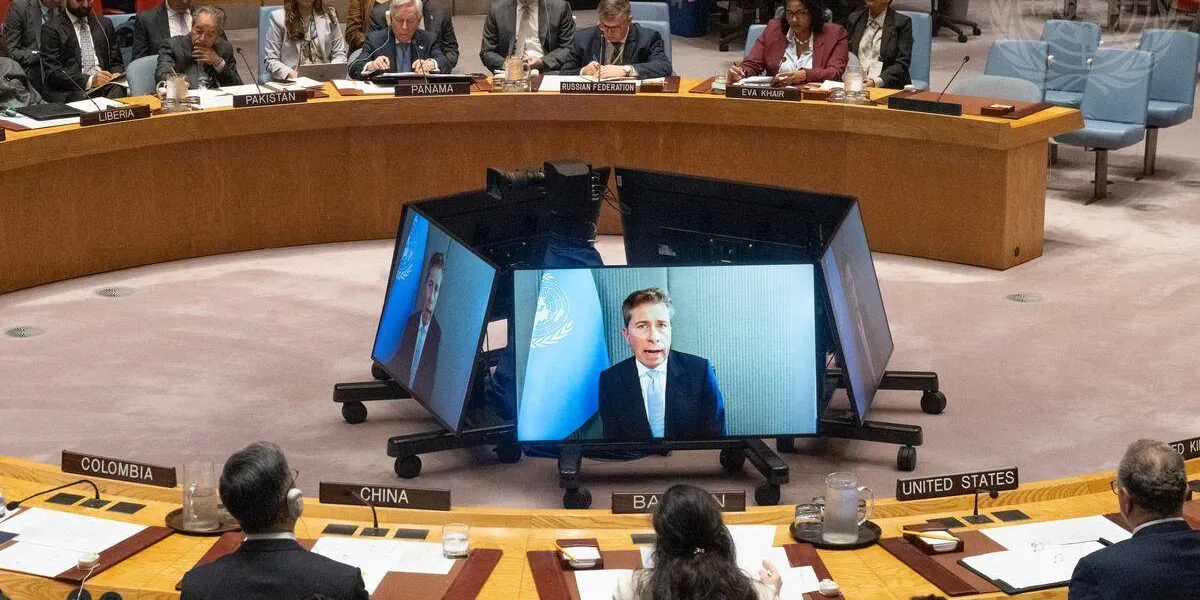
The scale is difficult to overstate. Since fighting erupted between the Sudanese Armed Forces and the Rapid Support Forces in April 2023, roughly 14 million people have been displaced, including some 7.1 million internally and 4.4 million who crossed into Chad, Egypt, South Sudan and beyond , figures that make Sudan the world's largest displacement crisis, ahead of Syria and Ukraine at their respective peaks. UN Human Rights Chief Volker Türk this week pointed specifically to strikes on "markets, hospitals and fuel stations," citing a drone attack on a kindergarten and hospital in South Kordofan that killed 114 people, including 60 children, and a separate assault on a teaching hospital that killed at least 70. The UN's $2.87 billion humanitarian response plan for Sudan is only 41% funded, even as needs keep climbing.
MSF's warning, delivered directly to world leaders gathered at the UN General Assembly, is not speculative, it is describing a system unravelling month by month. Roughly 37% of Sudan's health facilities are now out of service. In central Darfur, MSF-supported facilities saw patient admissions rise 22.5% between January and April 2026 compared with the same period a year earlier, even as 45 healthcare centres in the same region lost their funding in May alone. In Tawila, North Darfur, MSF runs the only 200-bed hospital serving up to 600,000 displaced people and remains the sole organisation capable of running large-scale epidemic control, at precisely the moment malaria and malnutrition cases are climbing ahead of the rainy season's peak.