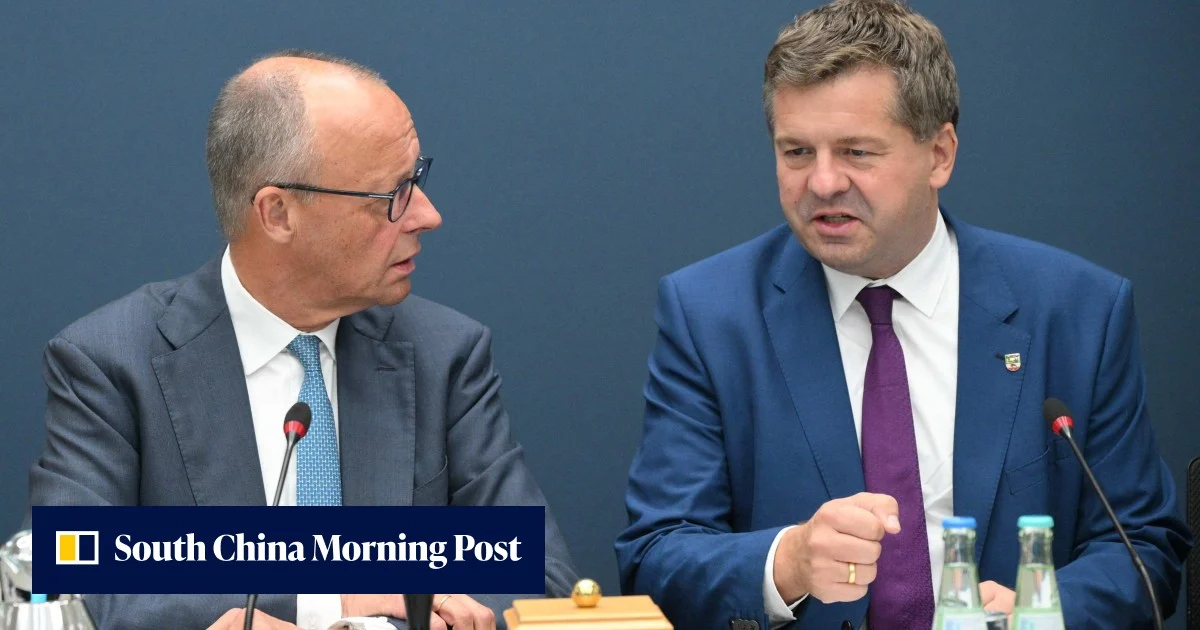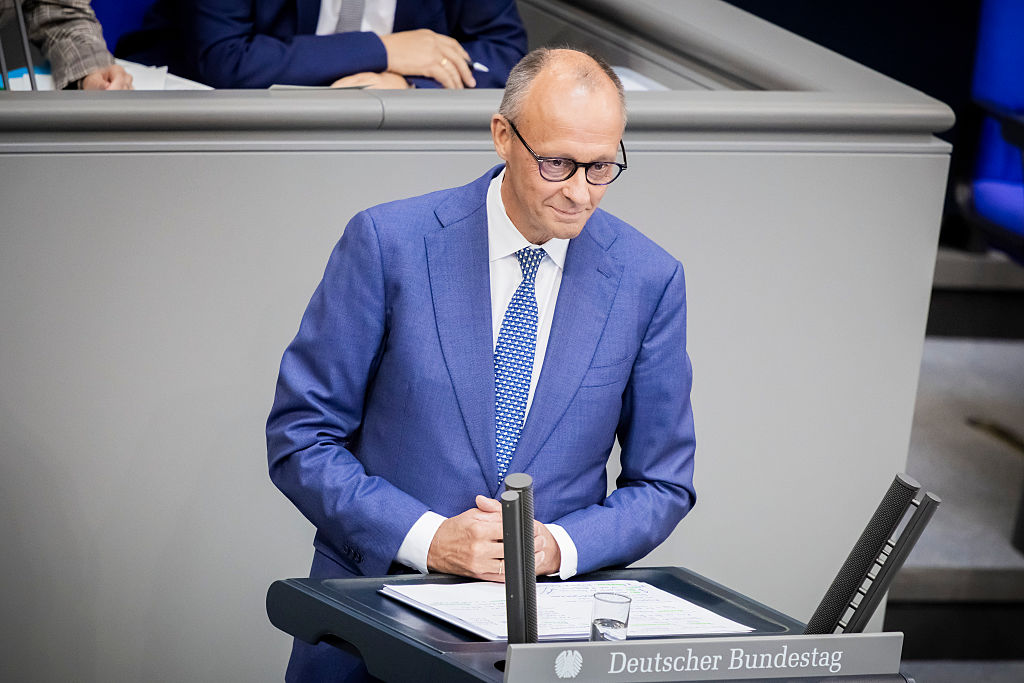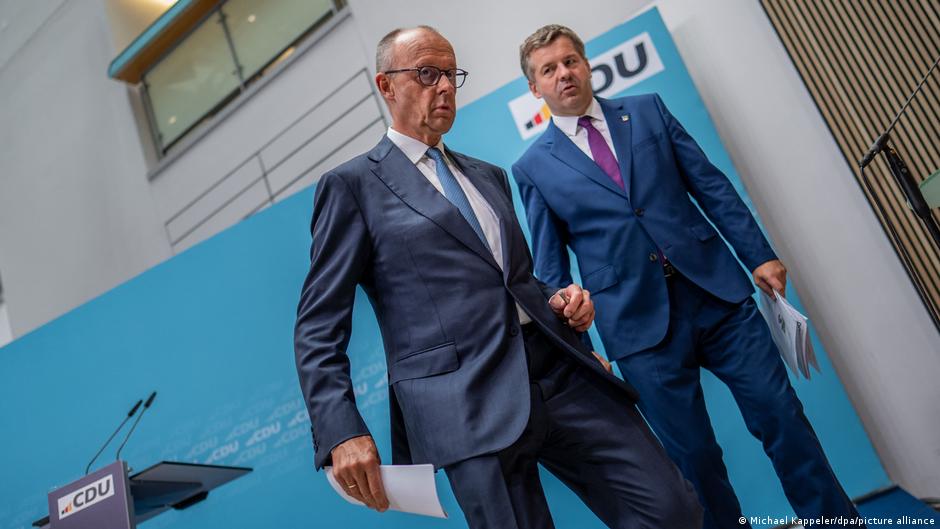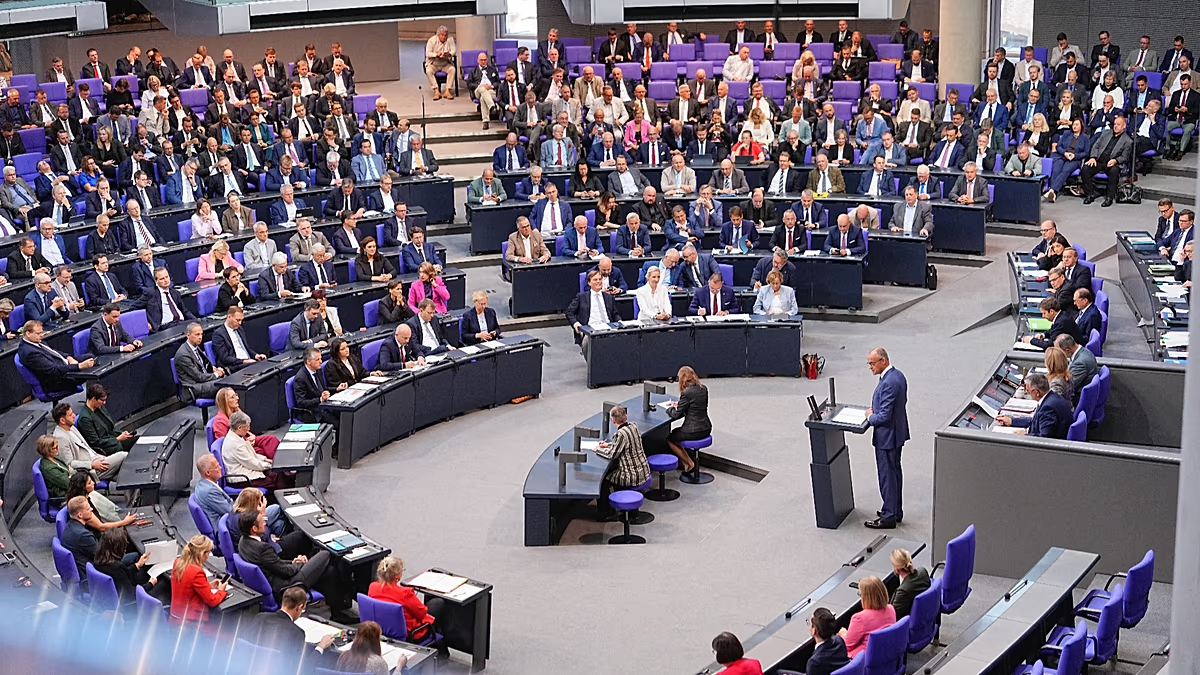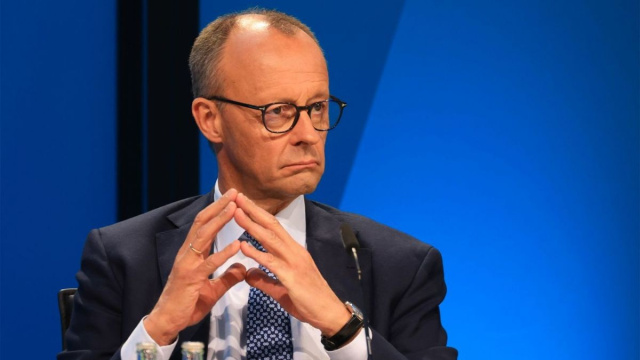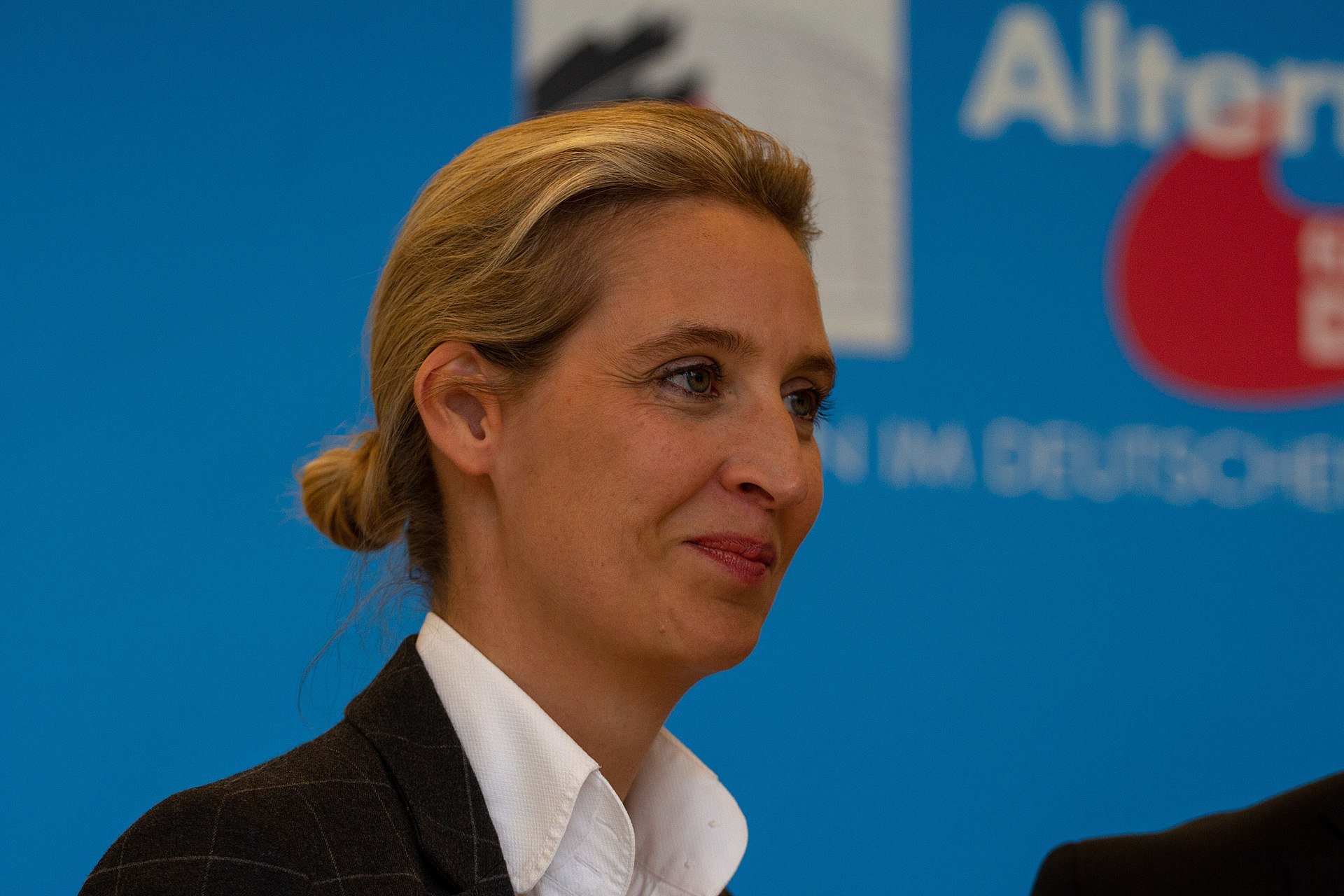
Anybody hoping German chancellor Friedrich Merz would respond to the far-right Alternative für Deutschland victory in Saxony-Anhalt with a clear sense of direction probably came out of Monday’s (7 September) press conference disappointed.
He vowed to continue his economic reform programme, consisting of tax breaks for the rich, welfare cuts and harsh migration policies, which, until now, clearly, has not been popular with the masses.
He also equated the AfD (a party several state intelligence agencies label as extremist, and a danger to democracy), with Die Linke, another party Merz does not like.But Die Linke has never had to disband its youth wing after activists called for Jews to be rounded up in ghettos, or been recorded looking for volunteers willing “to shoot women and children.”
Nor has a state-level leader been fined €13,000 for using a slogan SA stormtroopers used to engrave on daggers, “Alles für Deutschland” (Everything For Germany), during a speech.
The question that arose quickly after the AfD’s electoral victory was whether or not to ban the party. It is a question that comes up a lot in German society. But so far, Merz and his CDU have remained largely silent on the subject.