Washington —
Investors are increasingly worried about government deficits and persistent inflation, driving up the price of money. The Federal Reserve can ease some of those nerves.
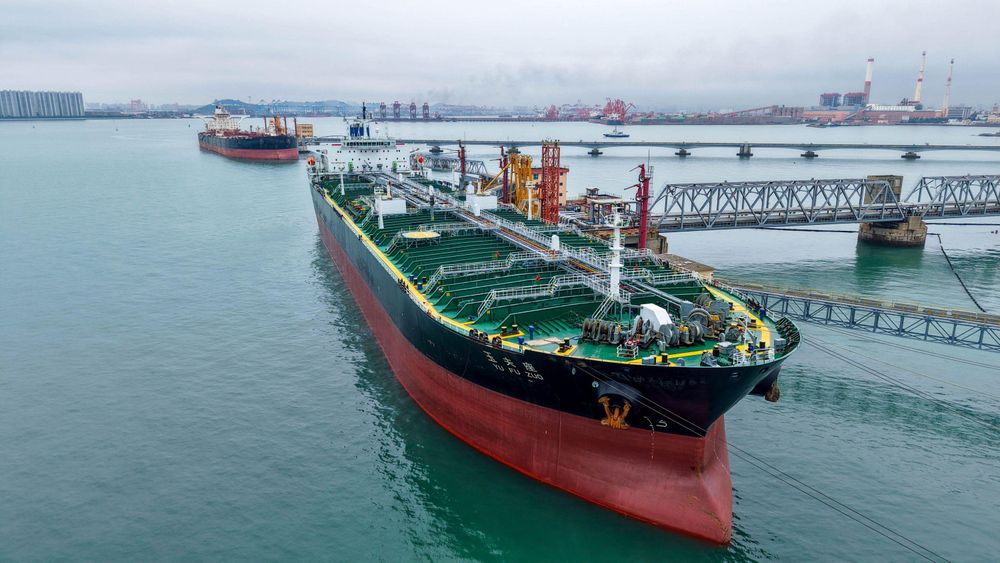
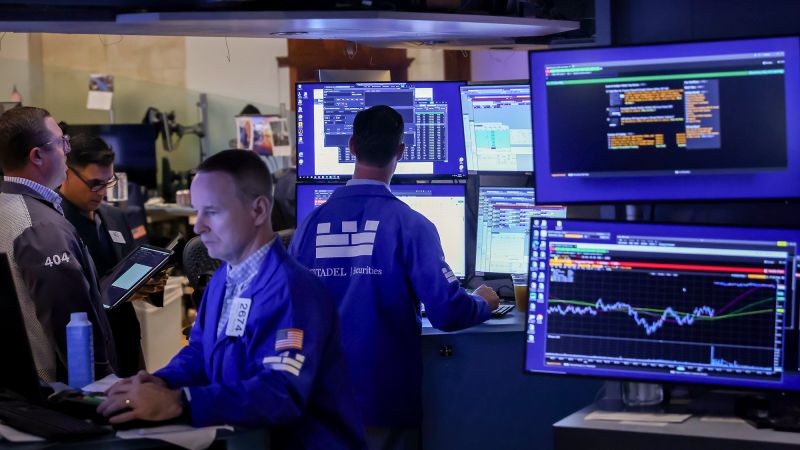
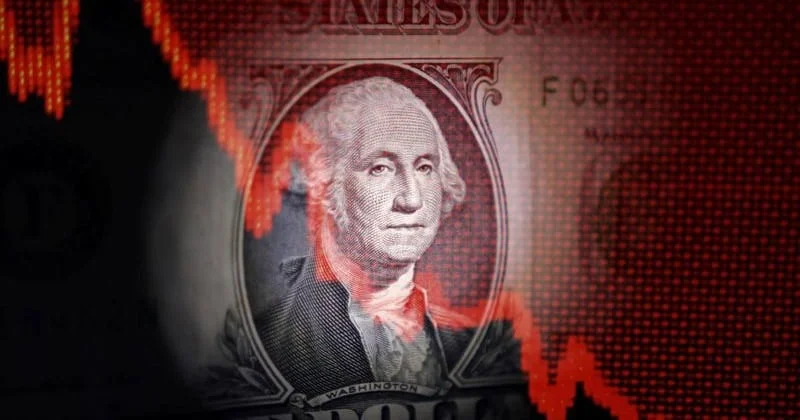
The conflict in the Middle East intensified last week, pushing up energy prices again and forcing heavily indebted countries to borrow more to increase defense spending and fund the war. That deepened a global rout in the bond market, sending yields to multi-year and multi-decade highs. Higher yields raise borrowing costs for consumers for everything from mortgages and credit cards to the US government’s $40 trillion debt.
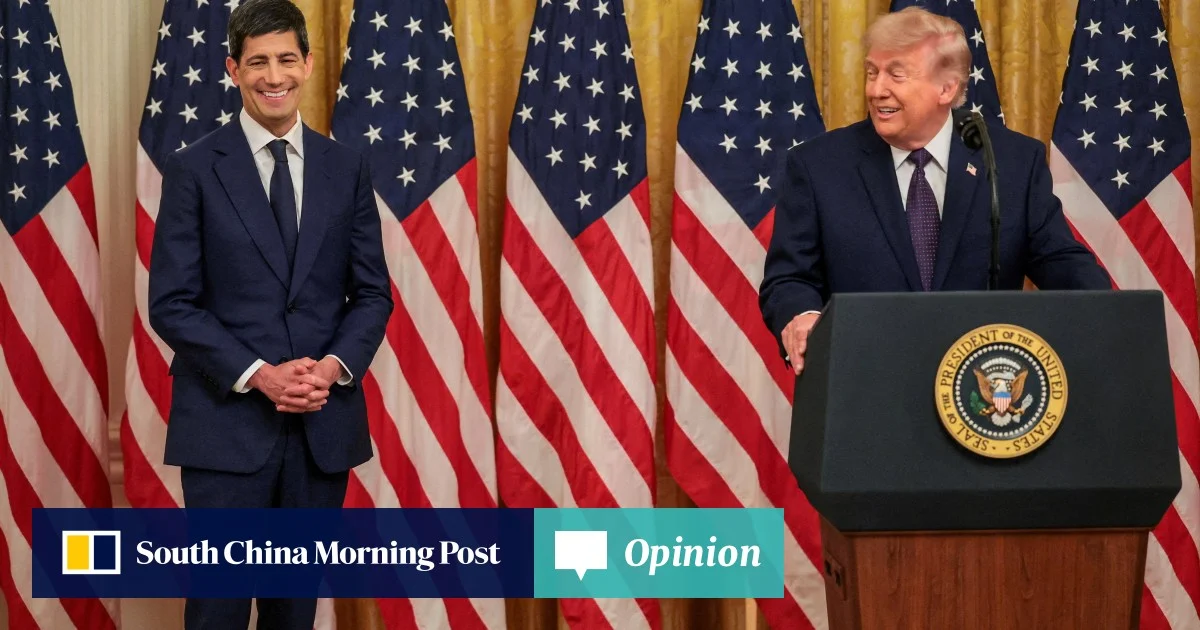
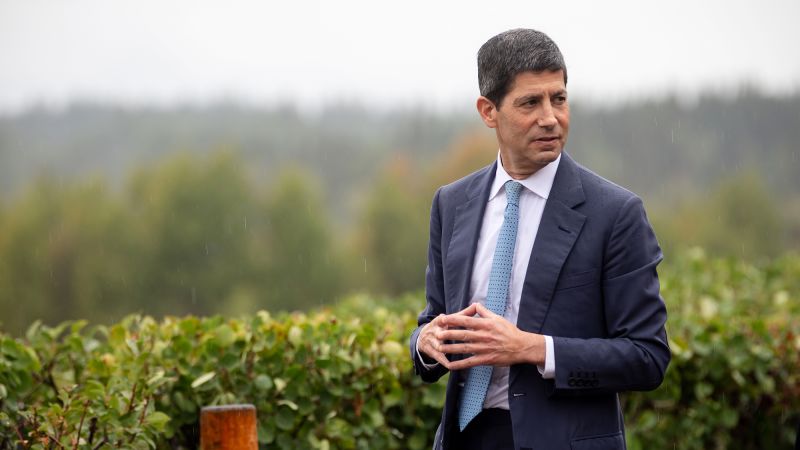
Fed Chairman Kevin Warsh has been mostly silent on where he believes interest rates could be heading. However, in a major speech last month at an economic symposium in Jackson Hole, Wyoming, Warsh gave markets a hint, saying there was more “work to do” in fighting inflation — a signal that rate hikes could be around the corner.
Investors welcomed Warsh’s Jackson Hole speech, underscoring how keen they are to get more clarity on his economic views. Fiscal concerns and a flood of corporate borrowing to fund the AI build-out are the biggest drivers of the surge in yields. But greater transparency from Warsh could be an important source of stability for the bond market — and a much better alternative to the central bank deploying its massive $6.7 trillion balance sheet to control yields, as it did during the Great Recession and World War II.