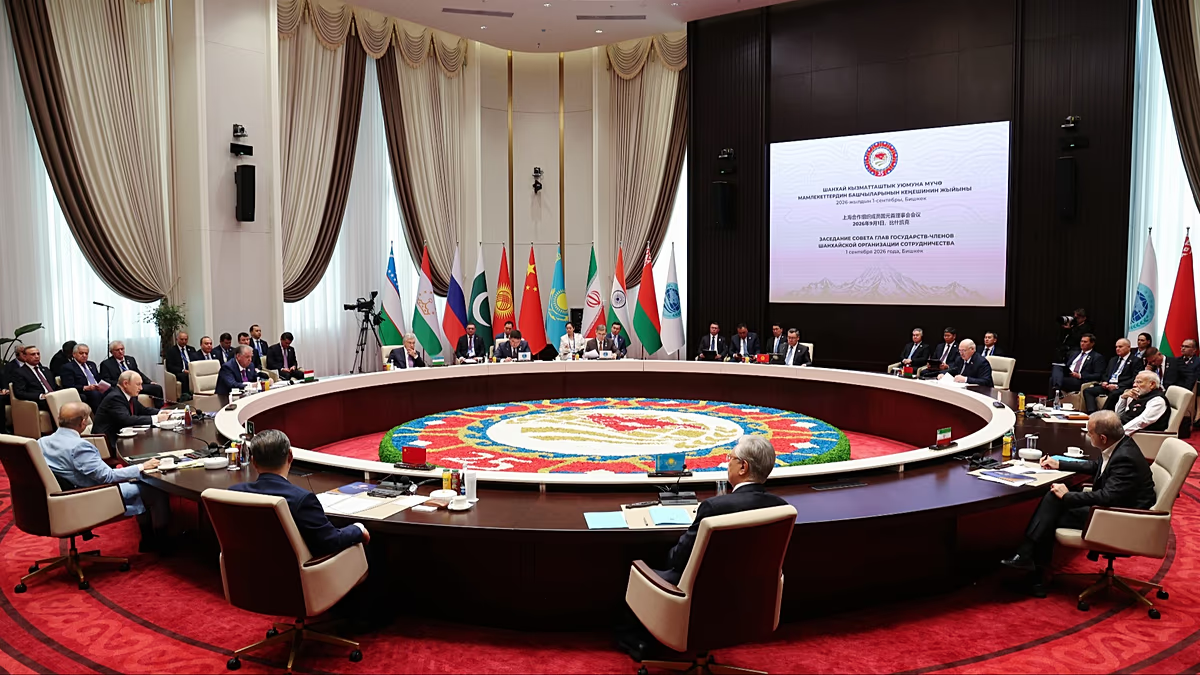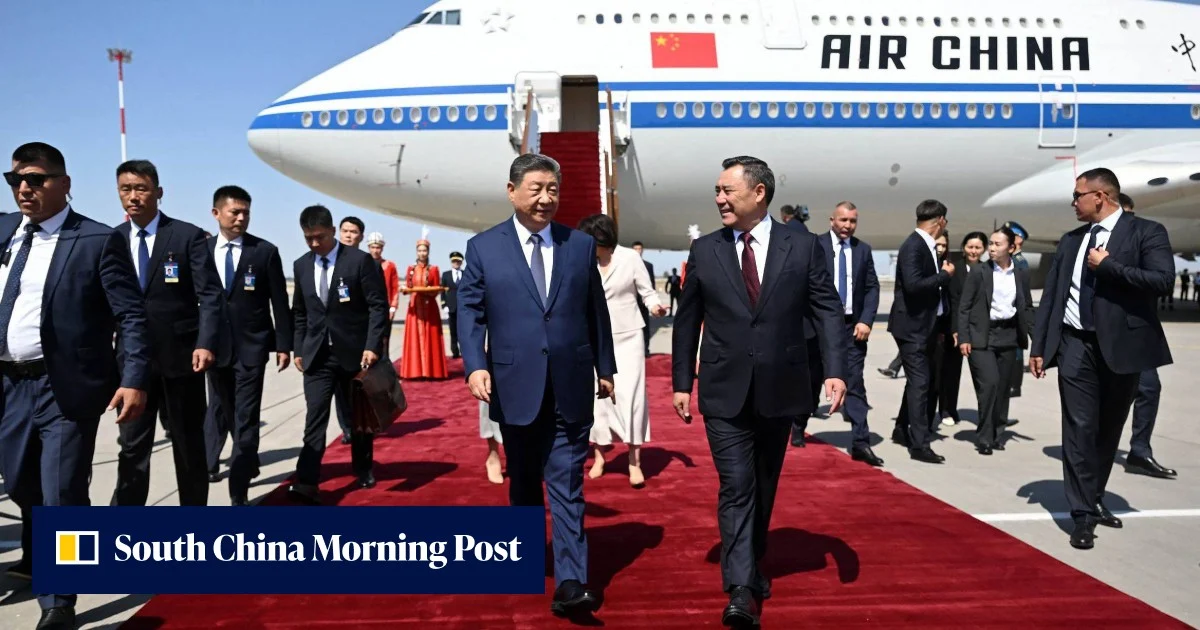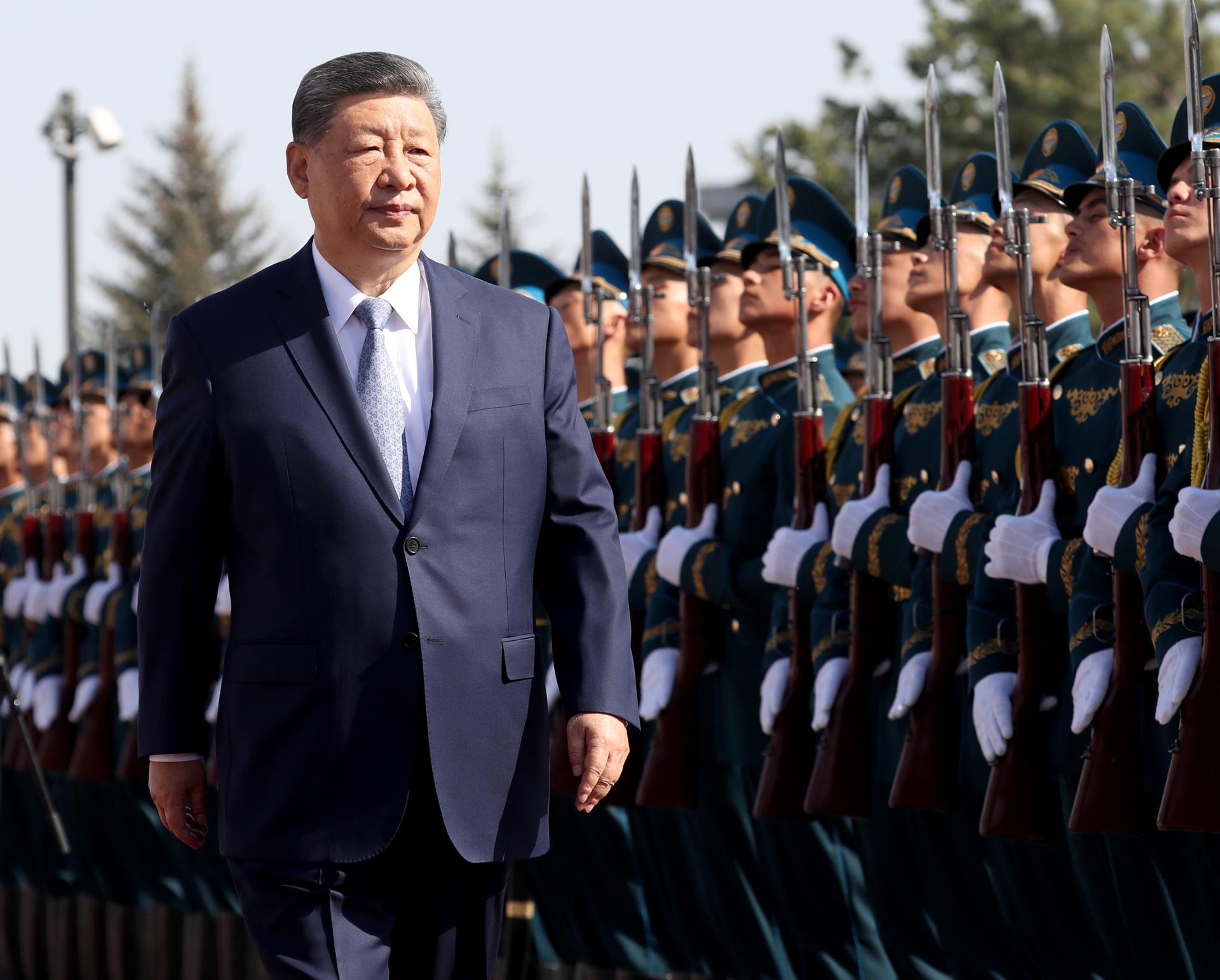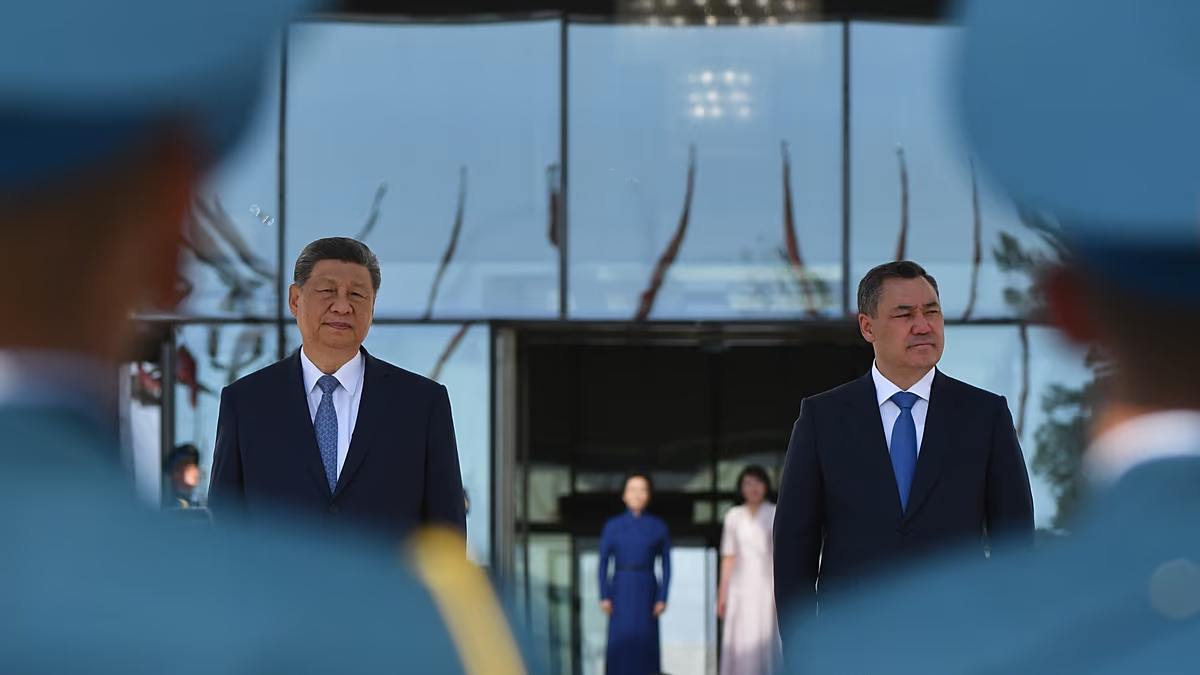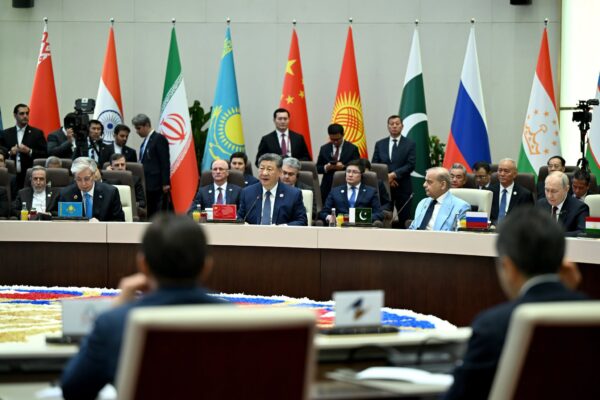
China’s growing efforts to increase control over the Turkic states of Central Asia was the dominant, if little discussed, outcome of the Shanghai Cooperation Organization (SCO) summit in Bishkek, Kyrgyzstan on September 1.
Beijing wants its relationship with the Central Asian states to be one of vassals thankful for China’s “protection” and economic integration. The recent summit produced the 25th anniversary Bishkek Declaration and 27 other documents, which claimed they would strengthen mechanisms for security, countering terrorism and organized crime, and promised new transport lines and logistics. On its face, the Central Asian states are promised infrastructure, technology and diplomatic engagement. But beneath those promises is guaranteed deeper dependence on Chinese capital, standards, and security concepts.
China successfully got Muslim-majority states (including Iran, Pakistan, Kazakhstan, Kyrgyzstan, Tajikistan, and Uzbekistan) to sign onto documents clearly aimed at China’s own Turkic Muslim populations. The SCO endorsement of combatting “terrorism, separatism, and extremism” was China-sponsored and indisputably about Uyghurs. Under this pretext, the institutional capacity that enables surveillance, intelligence exchange, and political labeling of Uyghurs is being expanded.