In November 1998, Gaza International Airport opened to much fanfare, a bagpipe and red carpet on hand to welcome the landing of the first jet. U.S. President Bill Clinton subsequently hailed this moment as a tangible outcome of the Oslo peace agreements. European countries had footed much of the airport’s $86 million bill.
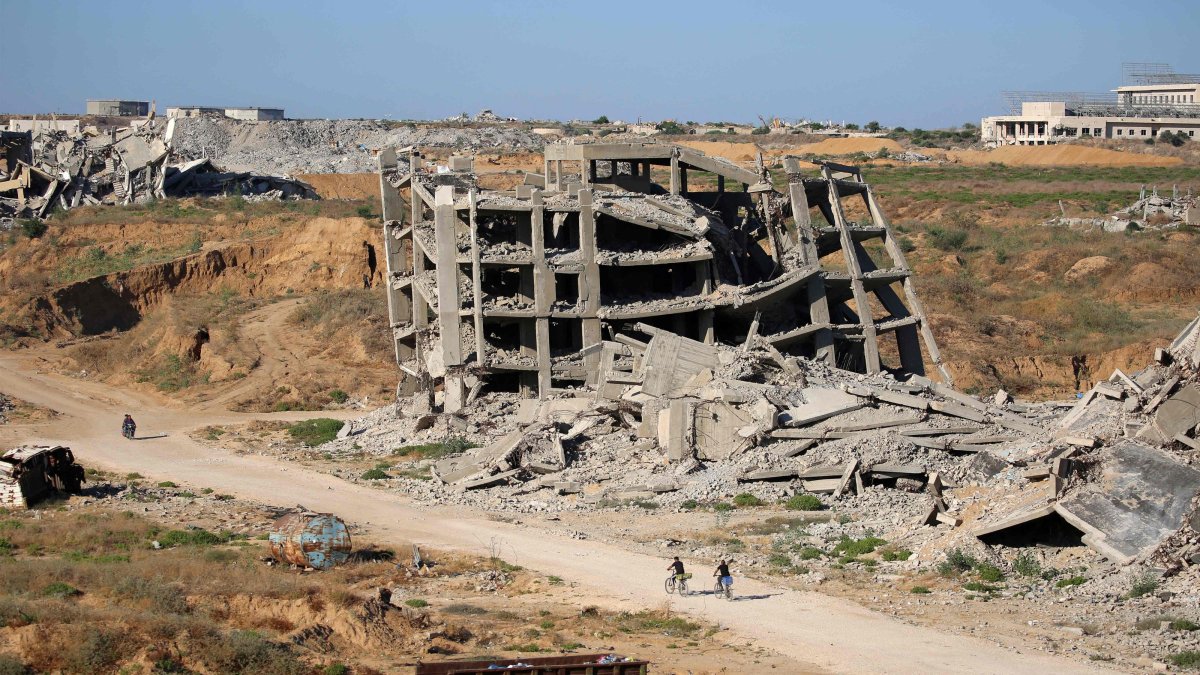
Three years later, during the Second Intifada, Israeli forces bombed the airport’s control tower and later bulldozed the runway—while also destroying other EU-funded development projects. The fate of the Gaza airport came to symbolize the predicament Europe found itself in. When it comes to the Israeli-Palestinian conflict, Europe is seen as a “payer, not a player.”
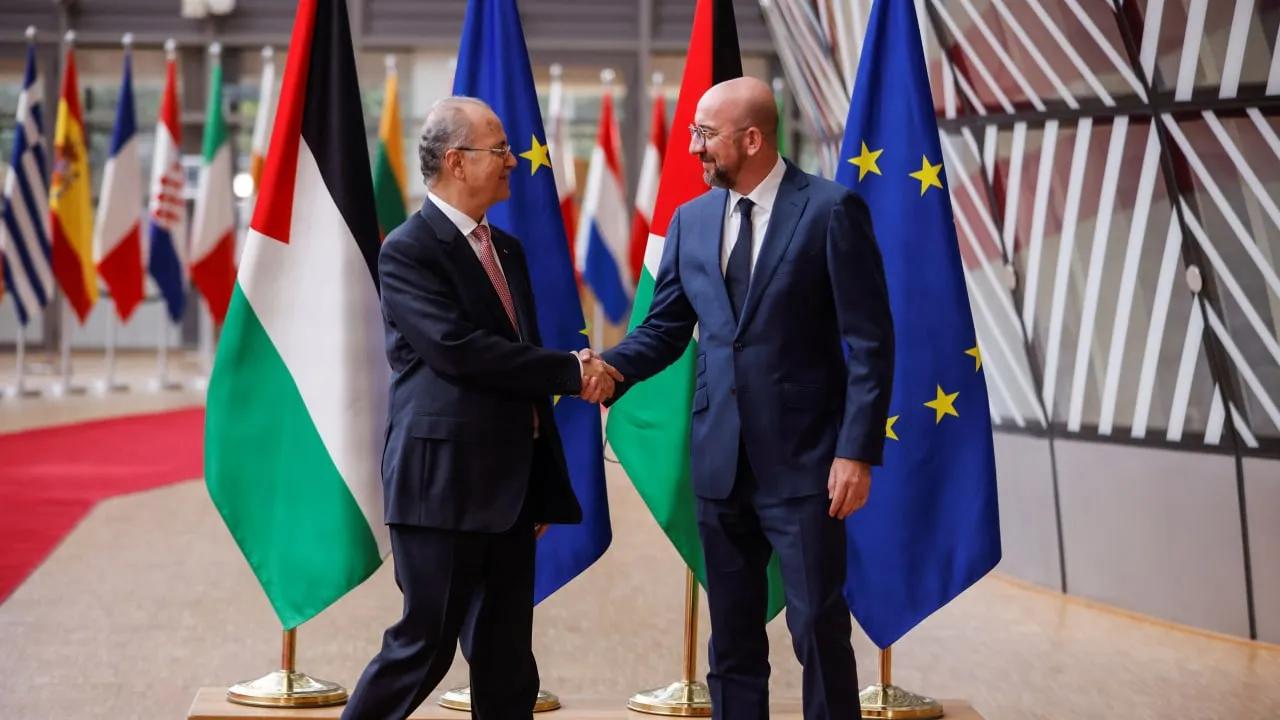
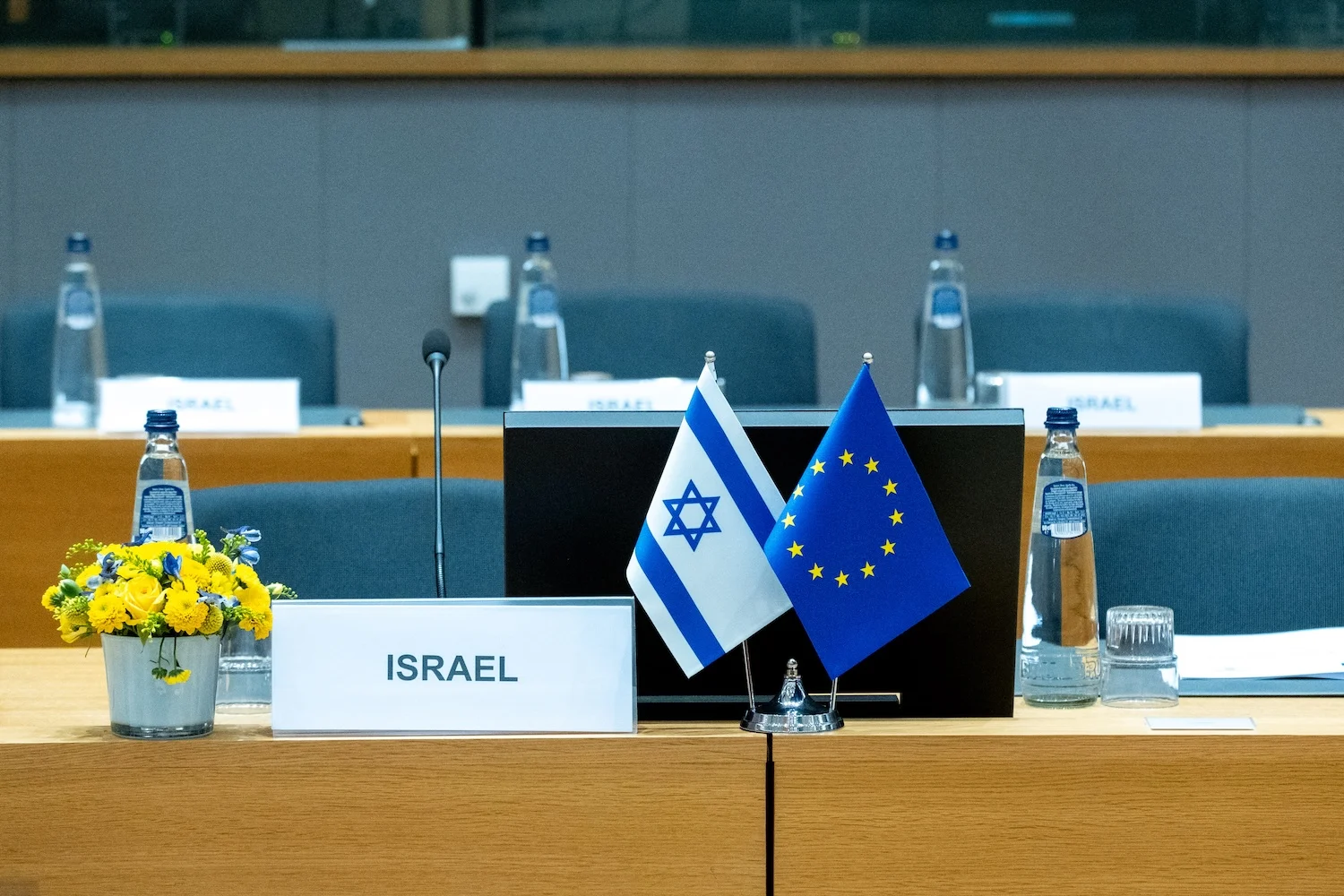
As Europe now faces a reckoning over its Israel policy and grows less willing to defer to Washington, the EU has a chance to become a player. Through “constructive conditionality”—backing Israel’s legitimate security needs while making further cooperation contingent on respect for international law and Palestinian rights—it can advance a more independent foreign policy and, by building a landing pad for eventual U.S. policy shifts, extend the weight of its choices beyond its borders.
For decades, European policy toward Israel has largely deferred to Washington. The 27 EU member states are deeply divided. Historically, a minority, led by Ireland, has strongly favored Palestinian independence, while a bigger group, led by Germany, has unwaveringly stood by Israel, with others shifting according to their government. These divisions have hampered Europe from taking any initiative beyond providing material assistance to U.S. peace efforts and to the parties directly. The EU was excluded from the Trump-orchestrated Abraham Accords, which normalized relations between Israel and four Arab states in 2020. It still contributed funds after the fact.