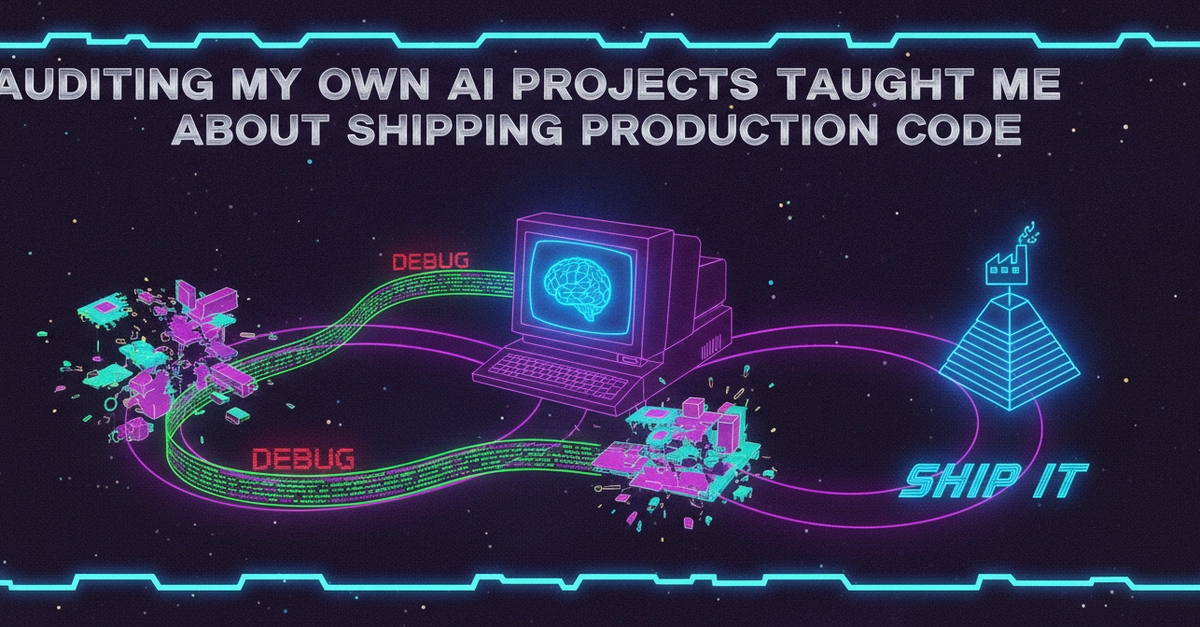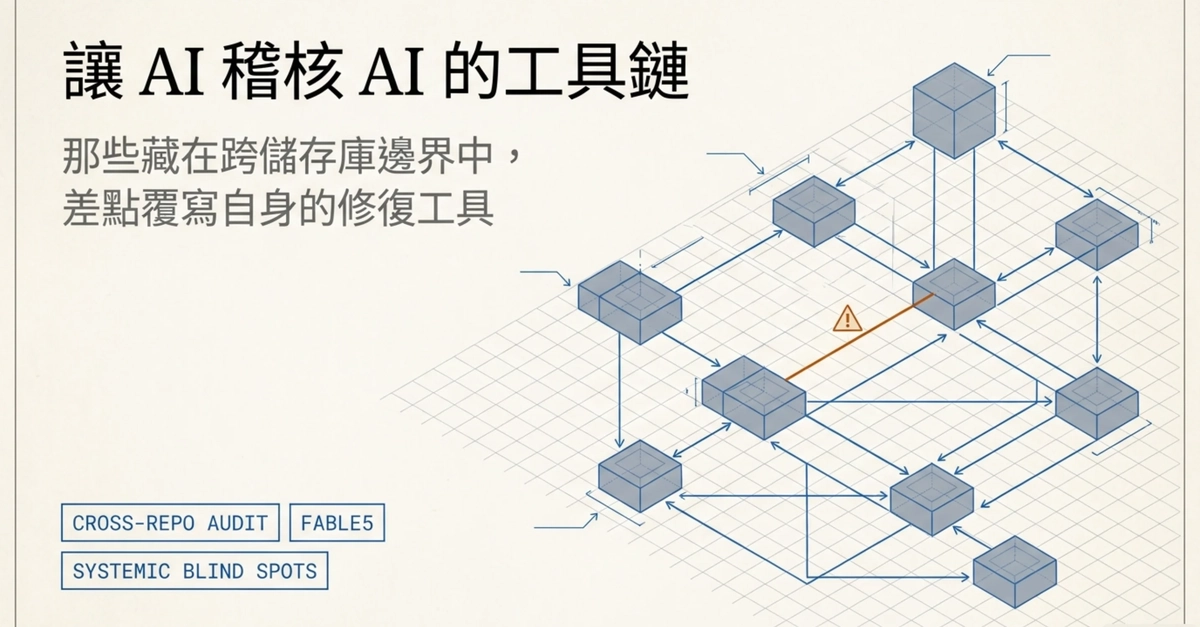
I have seven interdependent tool repos — some public, some private — each with its own audit checks, but nobody had ever checked what happens when they're wired together. This post is about handing all seven to Fable5 for a cross-repo audit, and the fact that not one of the real problems it found could have been caught by auditing any single repo alone.
Read on: Previous: the Confrontation-Point Law · Don't ask a model to narrate itself · 繁體中文版
The audit prompt itself went through three drafts
I didn't just paste in "please check these seven repos." The prompt started as a skeleton, then got execution steps, then got filled in with the real seven repos — 5 public tool-chain repos plus 2 private ones (an internal connective framework and a cross-project reuse library). The goal was to write context and boundaries, not a checklist — tell Fable what the terrain is and where the hard lines are, and make verification about mechanism, not about handing over an answer.
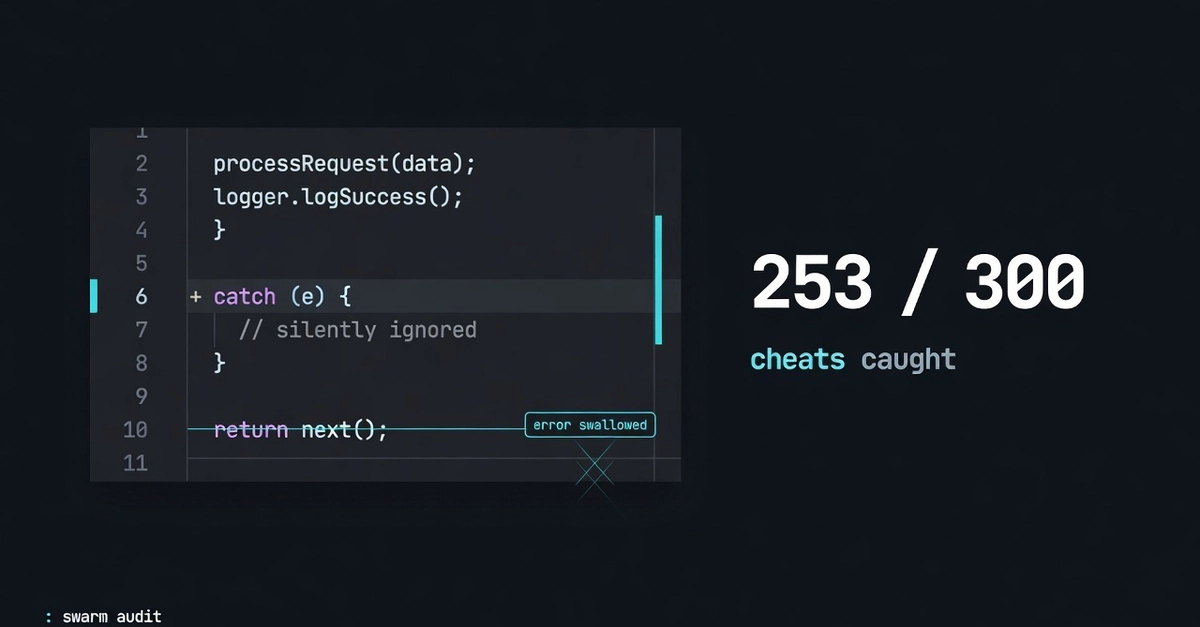
Each repo got its own scanning subagent, plus one independent verifier subagent that never saw the scanners' conclusions. That independent verifier is the part that mattered — it overturned four of the scanning agents' conclusions. The topology itself turned out fine; the two public/private seams both worked correctly. The real problems weren't in any single repo. They were three composition-level failures that only become visible once you look at all seven together.