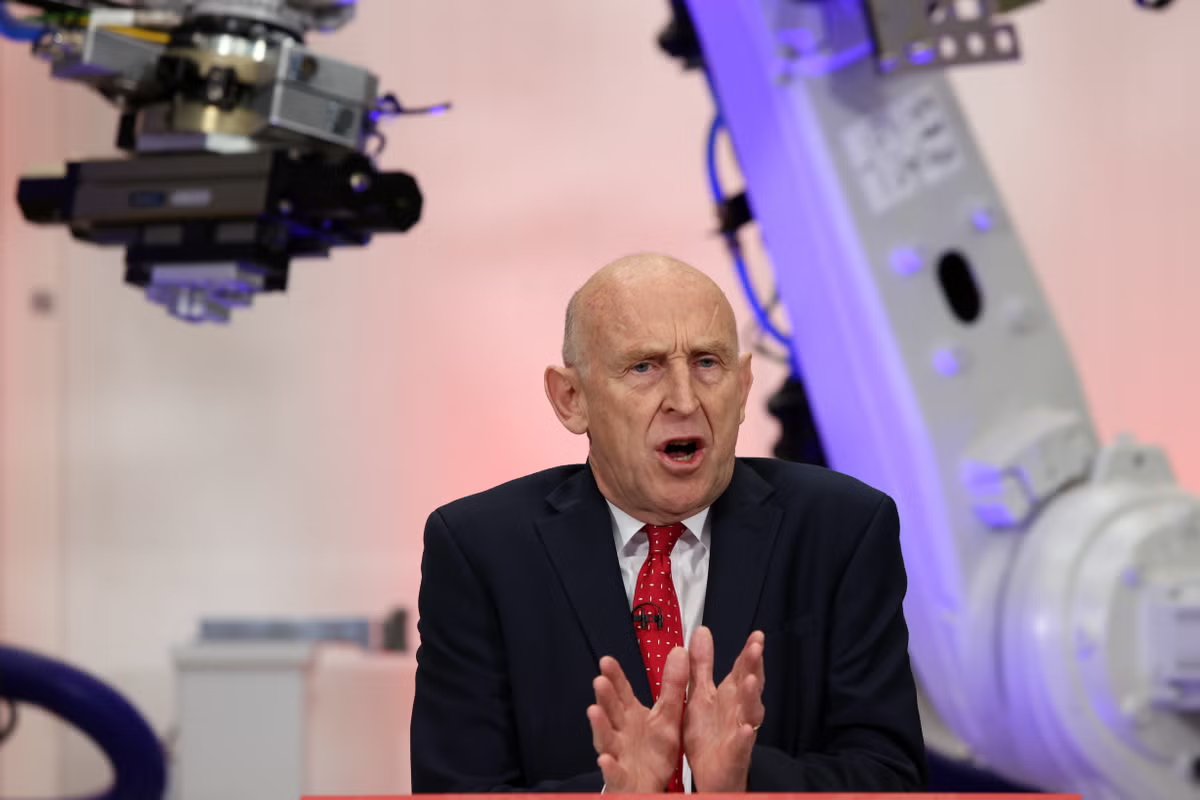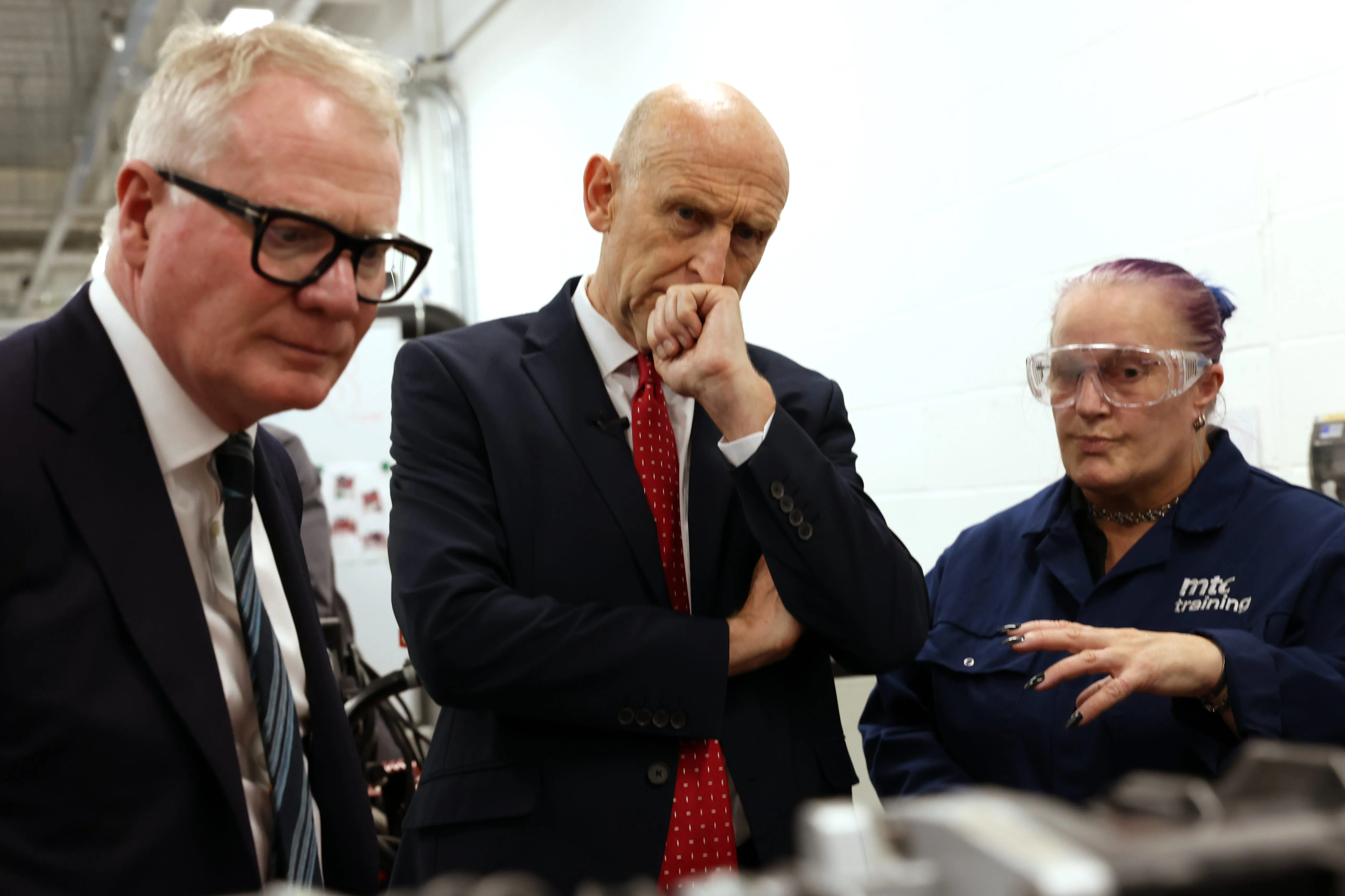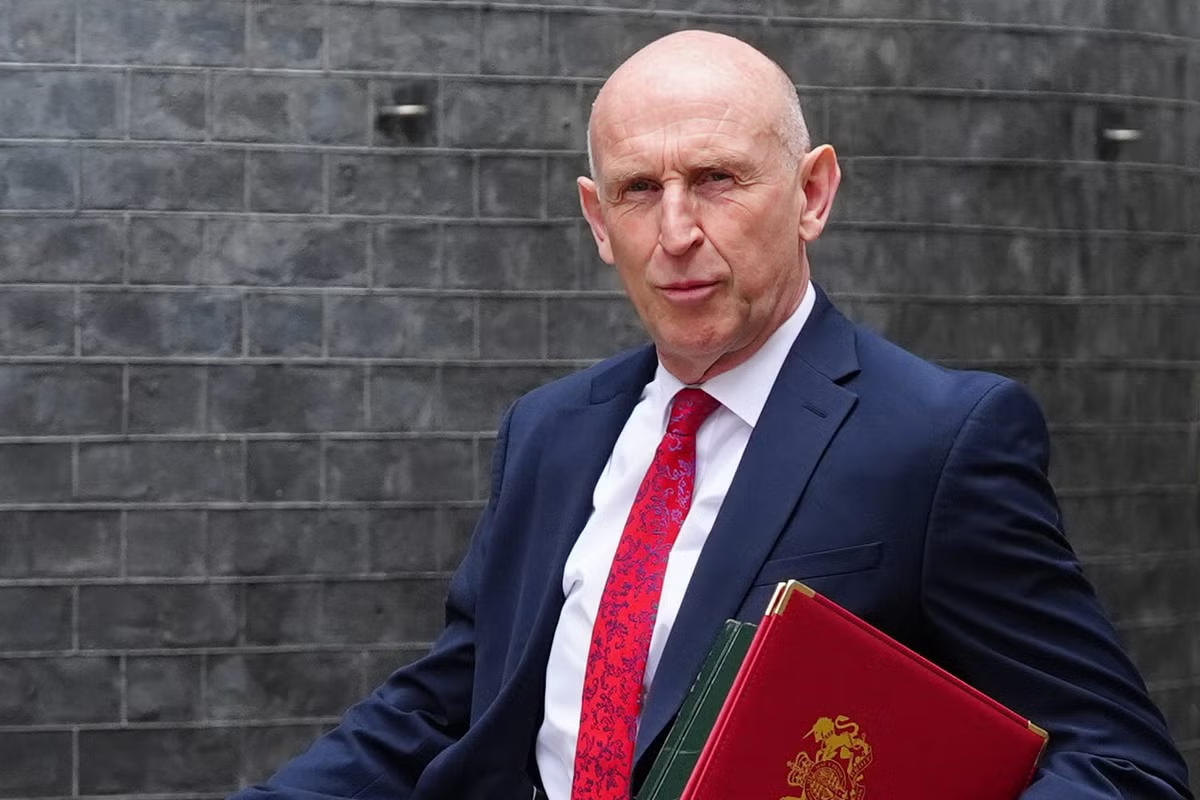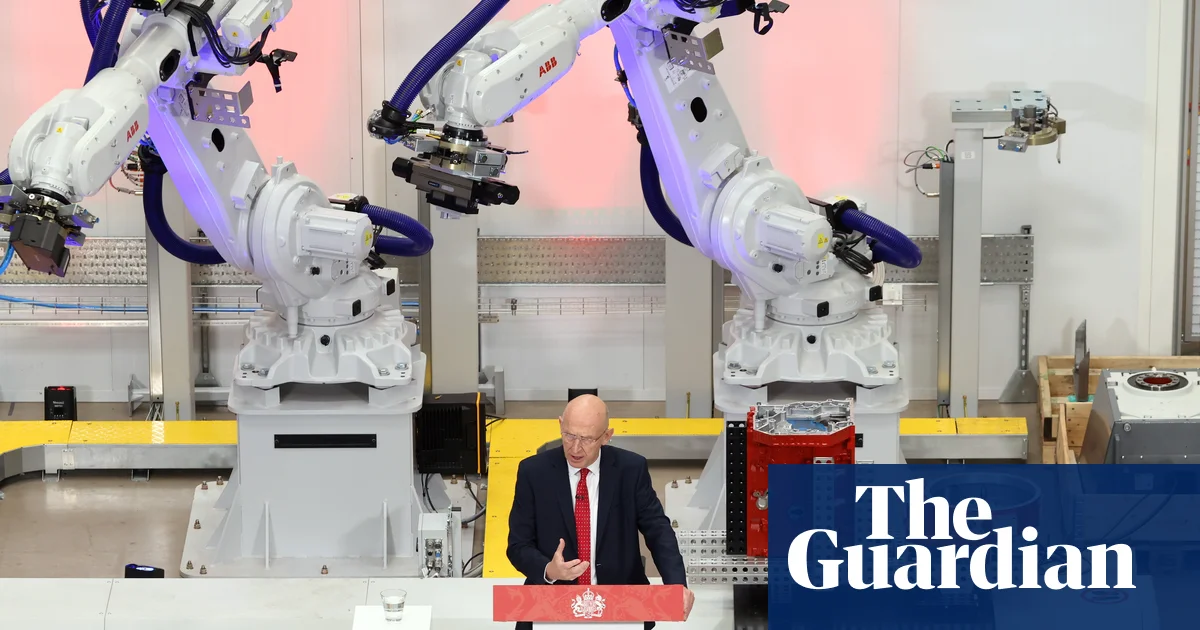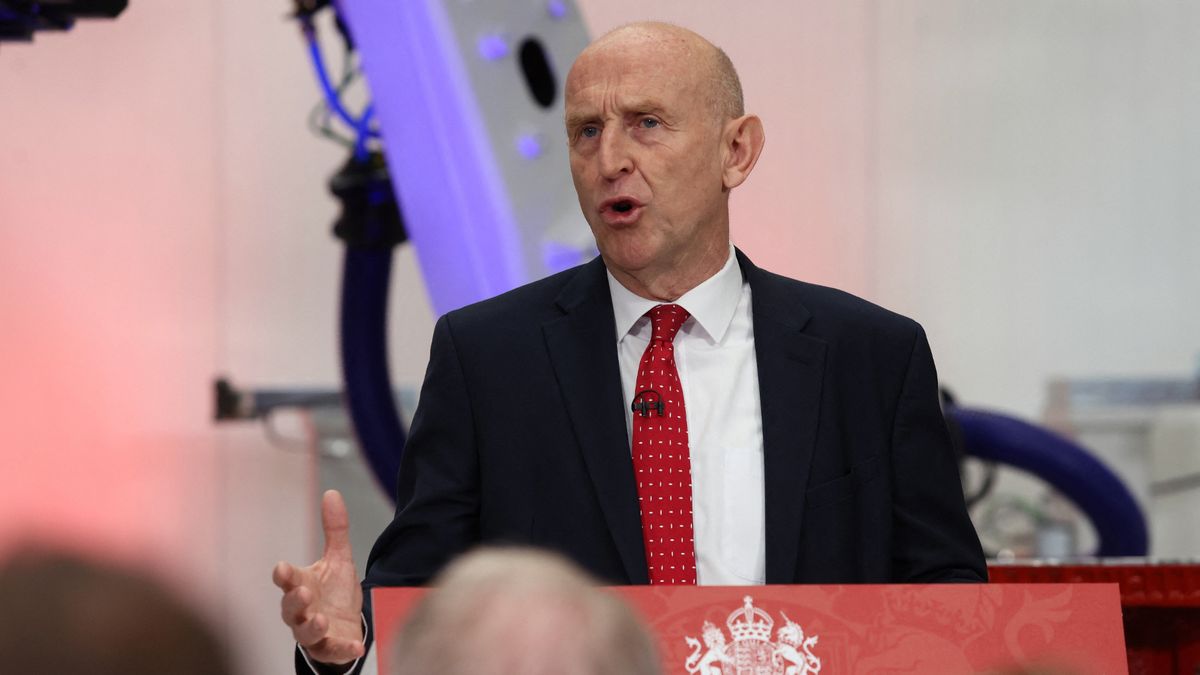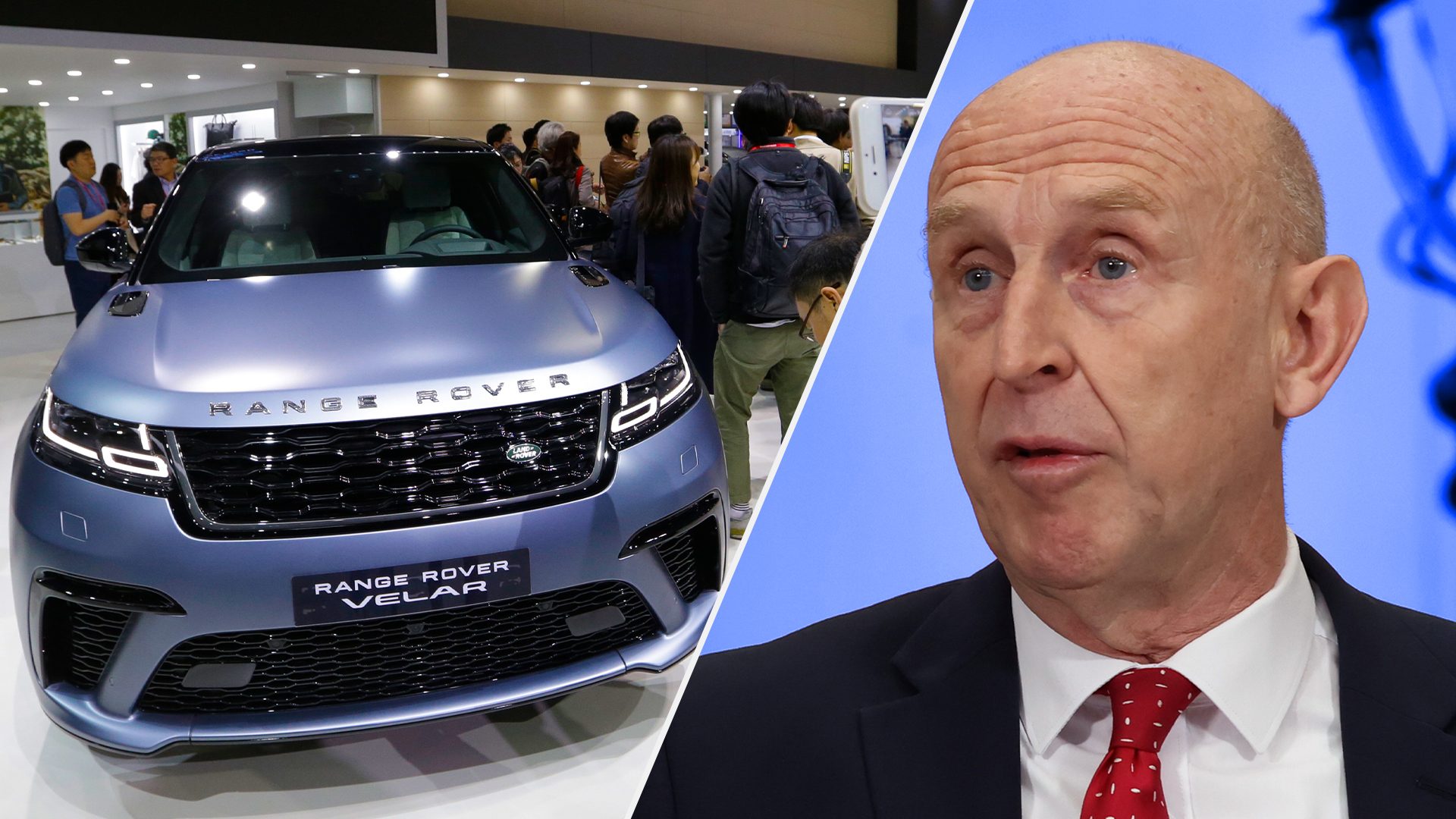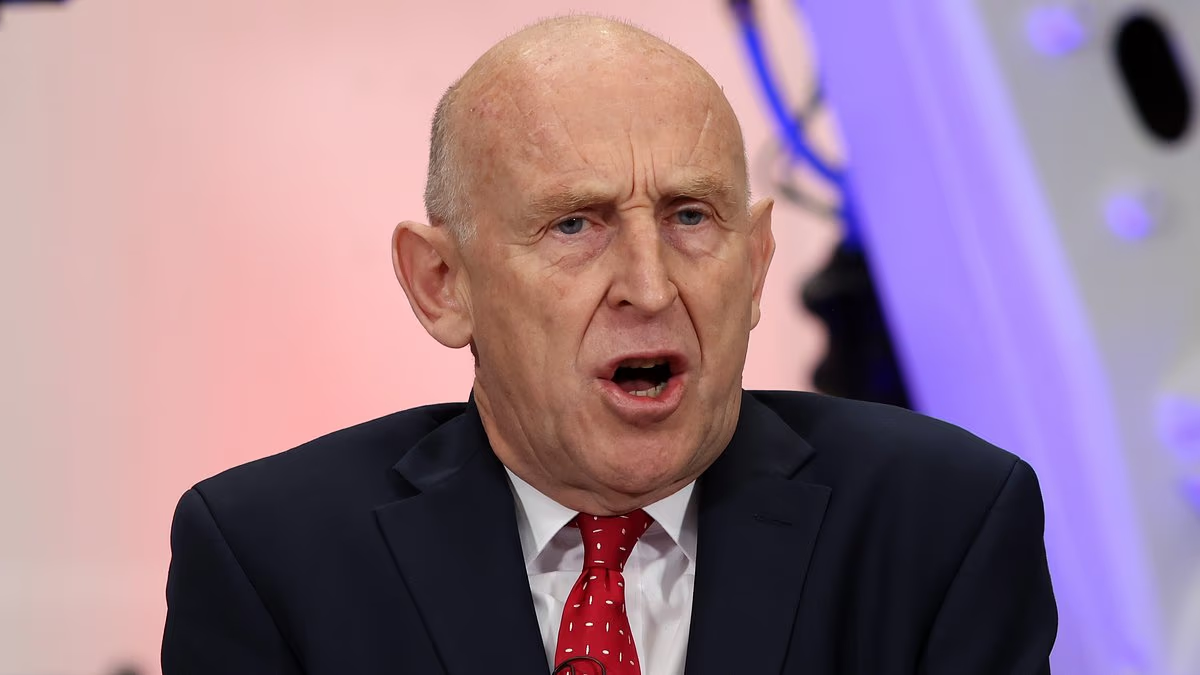
John Healey’s Coventry speech, with its emphasis on growth, was an improvement on his predecessor’s doom-laden, trades union-focused start in office.Yet the shine was tarnished by events down the road at Whitley, where Jaguar Land Rover was axing jobs.There was also little in the Chancellor’s words to encourage bond market traders that Labour is prepared to take bold decisions to lower the cost of government borrowing. The fiscal watchdog, the Office for Budget Responsibility (OBR), under the fresh leadership of Jonathan Haskel, will soon be supplying Healey with its assessment of the impact of higher bond rates, inflation and unfunded spending decisions on the public finances. At best, the budgetary headroom, or space for emergencies, will have shrunk from £23.6billion to £11.5billion.As Rachel Reeves discovered in her first year in office, a shift in geopolitical tensions can wipe that out very quickly. Debt bill: Chancellor John Healey, pictured, said Labour is prepared to take bold decisions to lower the cost of government borrowingTory calls for welfare reforms, to bolster capacity for increased defence spending, are on the right track.The changes proposed, such as rationing personal independence payments (Pips), are a slow burn. The Department for Work and Pensions could deliver enormous immediate savings, securing the public finances for this Parliament and beyond, if ministers were prepared to show political bravery.Axing the ‘triple lock’ on state pensions and replacing it with a double or single lock, under which state pension increases would be linked to the consumer prices index (CPI), could over time save £15.5billion a year. Similarly, changing the indexation of welfare payments from average earnings to CPI could halve the cost of welfare as a percentage of output.These changes would give a radical government the breathing space to make longer-term changes to Pips and help put one million or so 16 to 24-year-olds not in education, employment or training (NEETs) back to work.Healey’s first Budget on October 28 could then be weighted towards shoring up the nation’s defences and encouraging growth through tax breaks for all SMEs and incentives for UK start-ups.His £150million Northern Scale-Up Fund is a drop in the ocean in a world where AI pioneer Anthropic could be valued at $2 trillion at its US float.Braking badJaguar Land Rover (JLR) was cock-a-hoop last year when Keir Starmer secured a deal which slashed the Trump tariff on British car exports to North America from 25 per cent to 10 per cent. As a luxury car maker, with a reputation for fine design and the latest tech, JLR could handle that level of price shock. What no one reckoned with was a cyber-attack in 2025 which wiped as much as £1.9billion off UK output.JLR’s proposed axing of 4,000 posts, from its 43,000 global workforce, is minor compared to the job cuts taking place at mass market car maker Volkswagen where another 50,000 jobs are under threat.Nevertheless, Business Secretary Jonathan Reynolds needs to tread carefully when dealing with JLR. Its ultimate owner, the Tata empire, is already in receipt of substantial subsidies for the green conversion of its steel furnaces at Port Talbot. In the aftermath of the great financial crisis JLR sought to persuade then-business secretary Peter Mandelson that it needed a bail-out. The company, for all its merits, has a habit of taking naïve Labour politicians for a ride.Plutus odysseyHealey’s vow to make Britain a ‘country of wealth creation’ contrasts with predecessor Rachel Reeves’ threats to make those with the ‘broadest shoulders’ pay.The change of tone is promising but too late to alter the decision of one of the UK’s biggest taxpayers, hedge fund trader Chris Rokos, to pick up his marbles and relocate to Greece.It may be unpatriotic, but those with the greatest resources are the most mobile. This was recognised by Margaret Thatcher in the early 1980s.Her government was successful in persuading rich Brits, who had fled socialism a decade earlier, to come home.In 2010 Greece was Europe’s weak link with a vast debt and borrowing crisis. Together, the IMF and EU forced it to confront its problems by slashing public sector wages and shrinking the size of the state. Terrific advice.
Can ending the triple lock and welfare fix the UK's public finances?
John Healey's Coventry speech, with its emphasis on growth, was an improvement on his predecessor's doom-laden, trades union-focused start in office.
687 words~3 min read