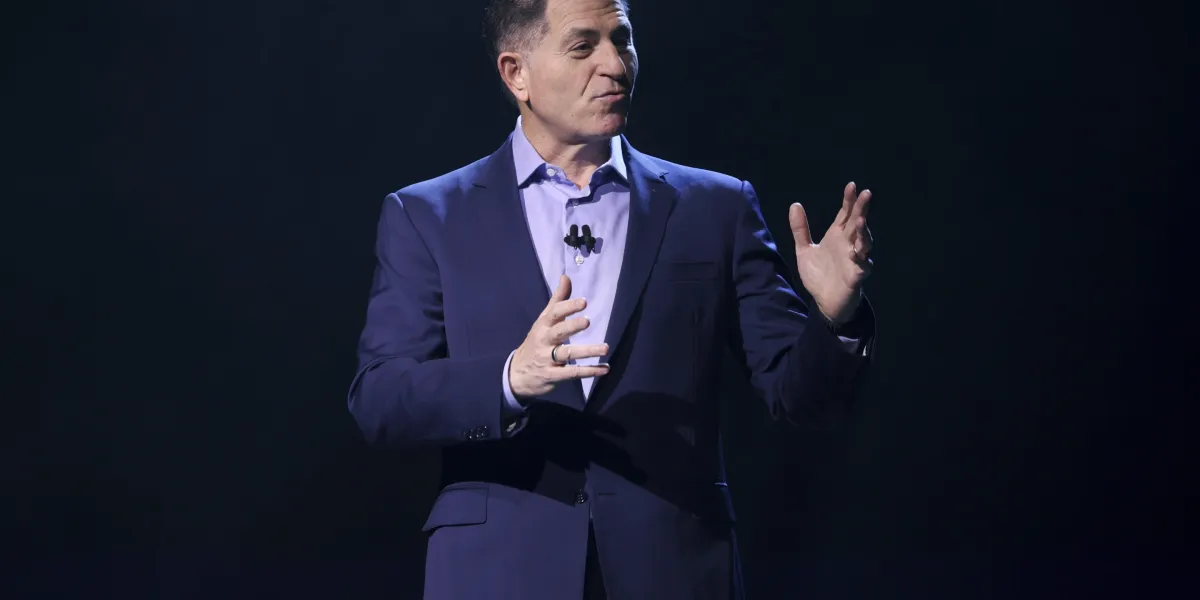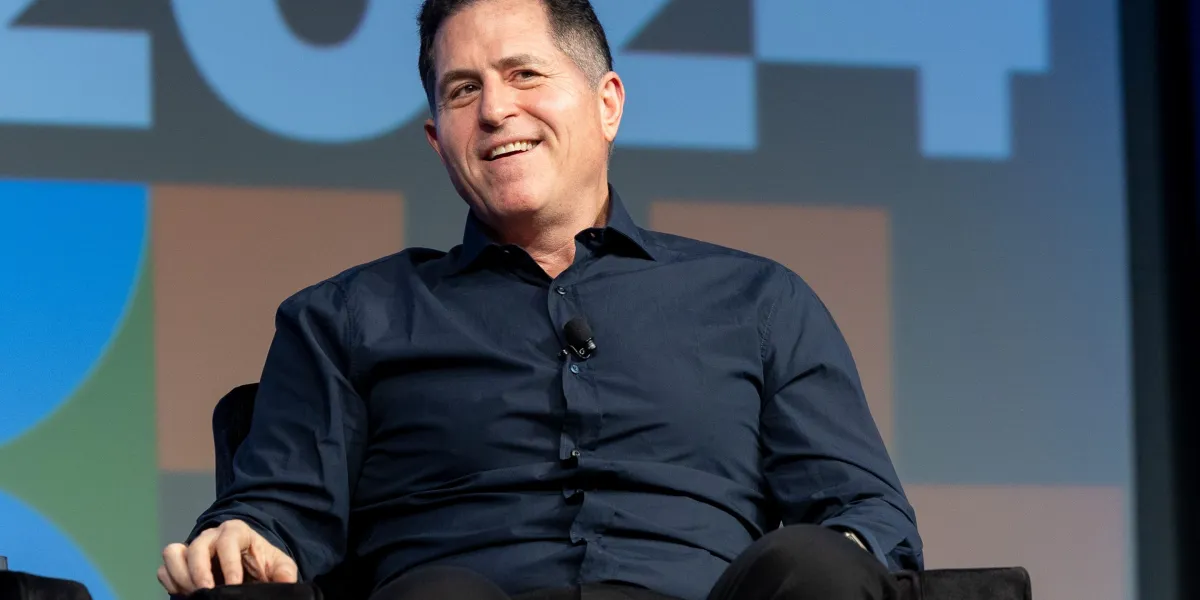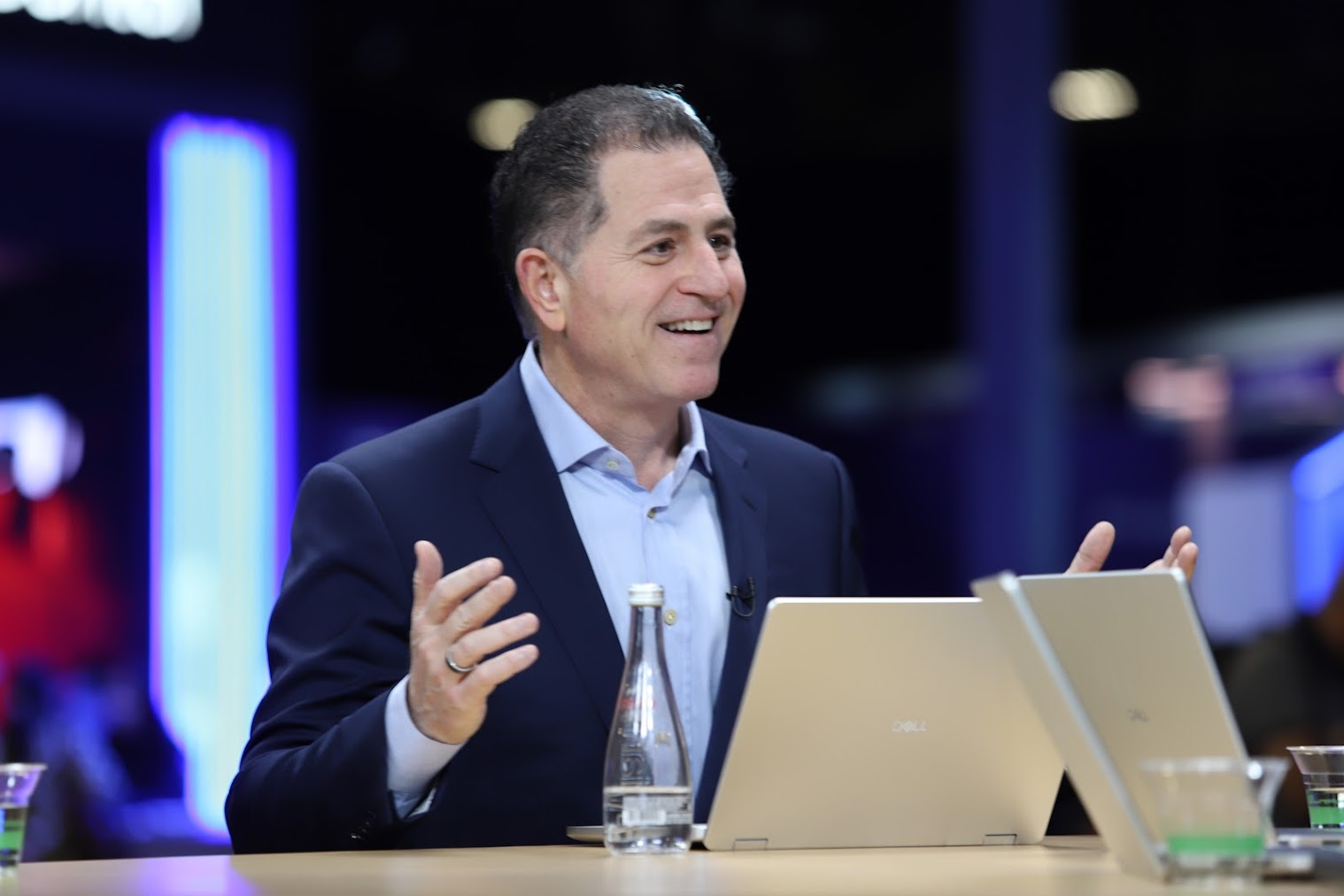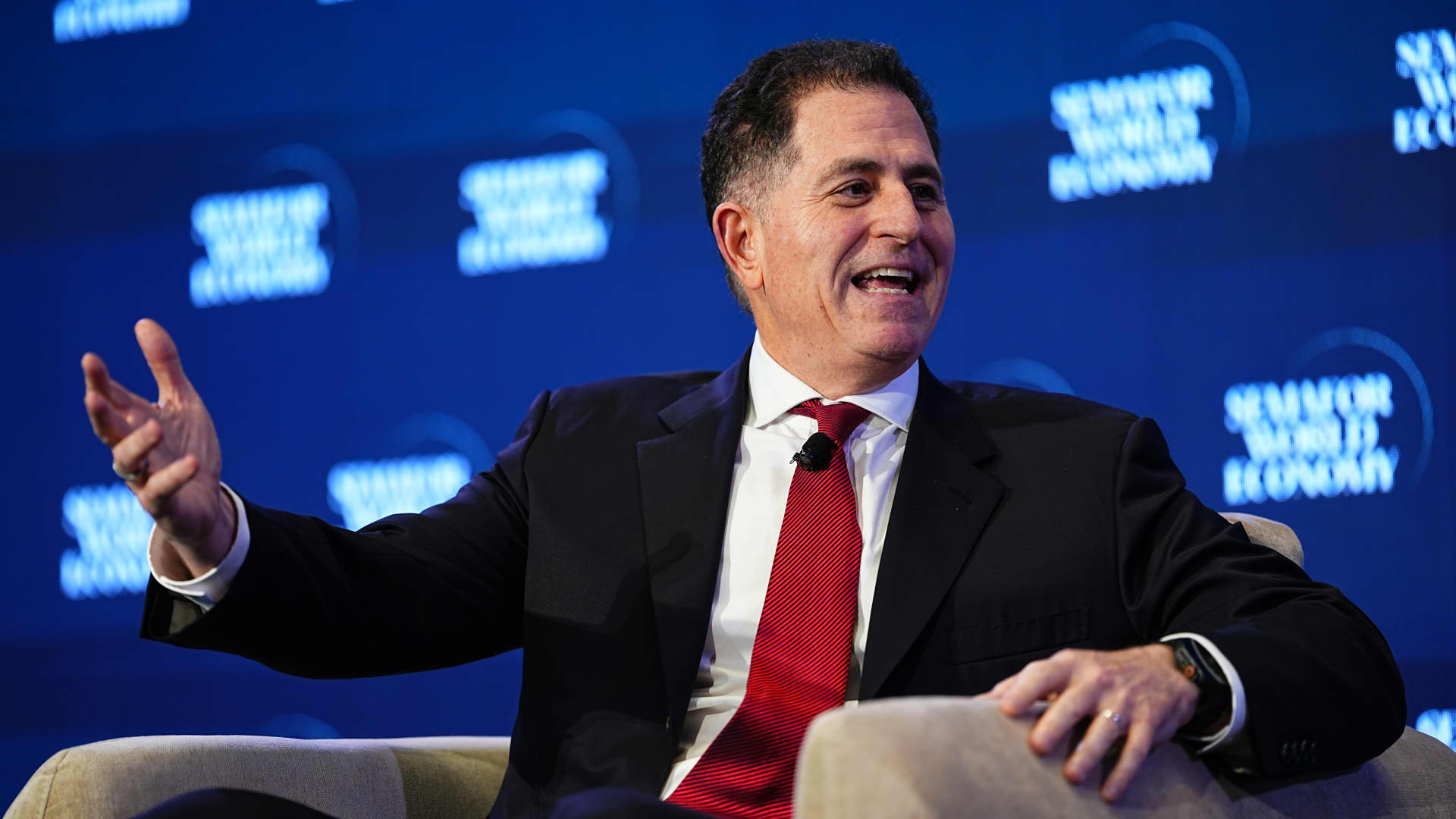
In 2013, as Michael Dell fought Carl Icahn to take his company private, we asked a simple question in the New York Times: how do you keep the revolution forever young? It’s the same question Thomas Jefferson wrestled with when he argued no generation should be bound by the last one’s answers. Dell just gave his own answer again last week.
Four years ago, while others were playing with chatbots, treating AI as parlor games or sounding cataclysmic alarms over LLMs’ threats to society, Dell saw AI’s emerging utility as a new pillar of the economy and prepared his company accordingly, culminating in perhaps the 12th strategic reinvention of his enterprise strategy since he launched his business in 1984 as a 19-year-old in his college dorm room.
Last week, Dell Technologies delivered one of the most lopsided beats of this earnings season. Revenue of $47 billion rose 58%, and adjusted earnings of $7.04 per share crushed already enthusiastic expectations of roughly $4.90. Dell booked a record $60.9 billion of AI server orders in a single quarter, exited with a record $95 billion backlog and raised its full-year outlook by $25 billion to $192 billion, roughly 70% y/y growth.
The skeptics’ story about Dell has always been the same: a heritage as a mere assembler of parts, a legacy PC maker rather than an AI innovator. For years it traded below the multiple of its AI peers, and below the S&P 500. This bearish narrative was already dead in the water, but with this latest earnings release, there should be no doubt that Dell Technologies is positioned to be one of the biggest winners as the provider of the critical infrastructure on which the AI build-out physically runs.