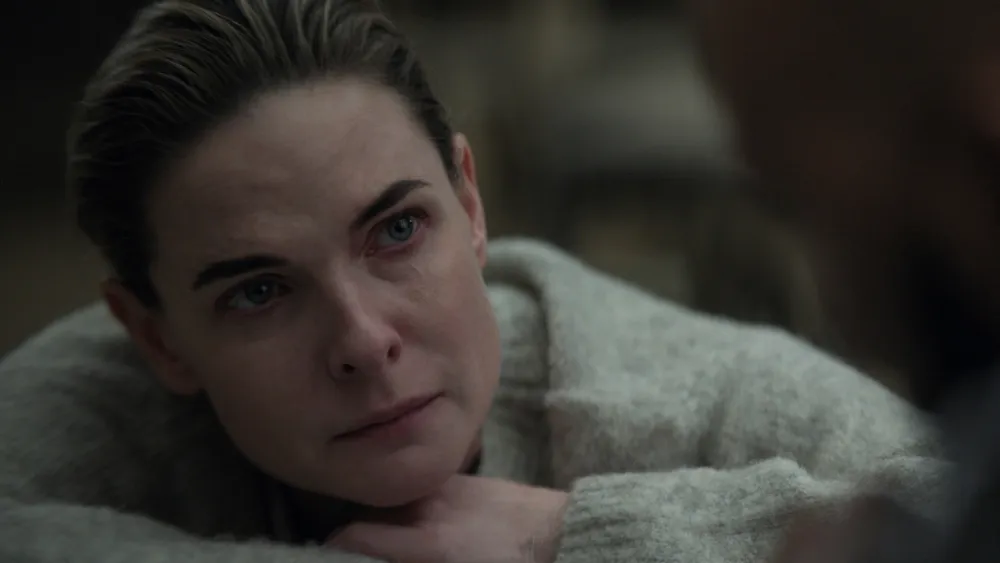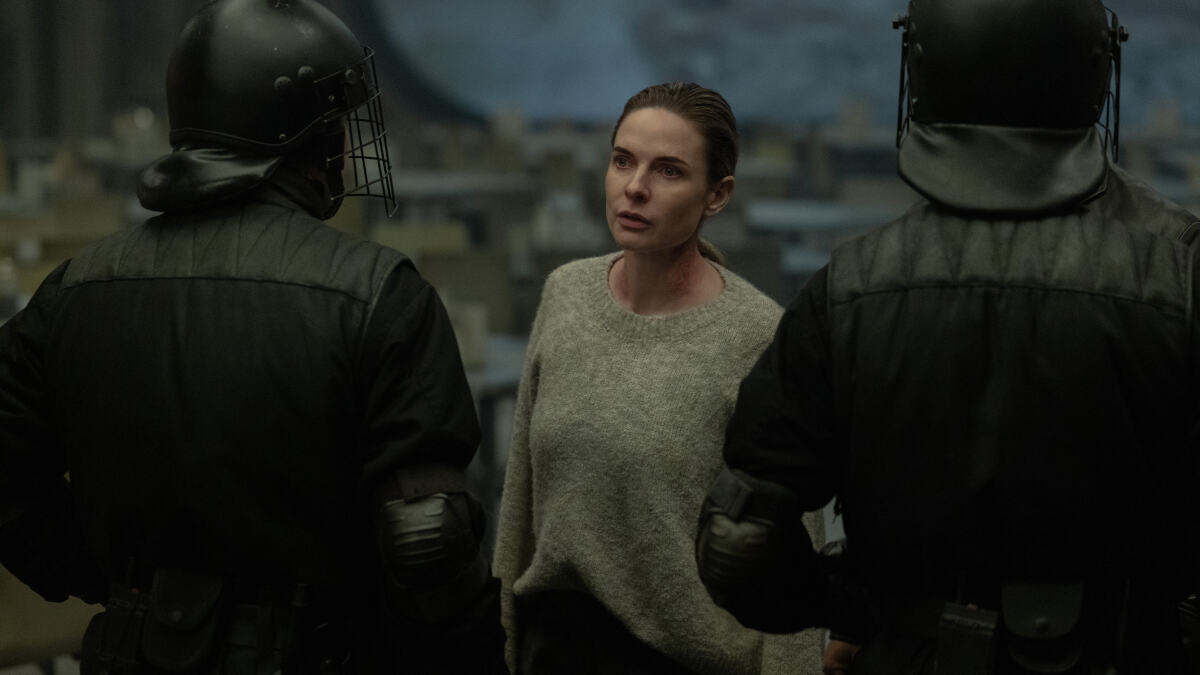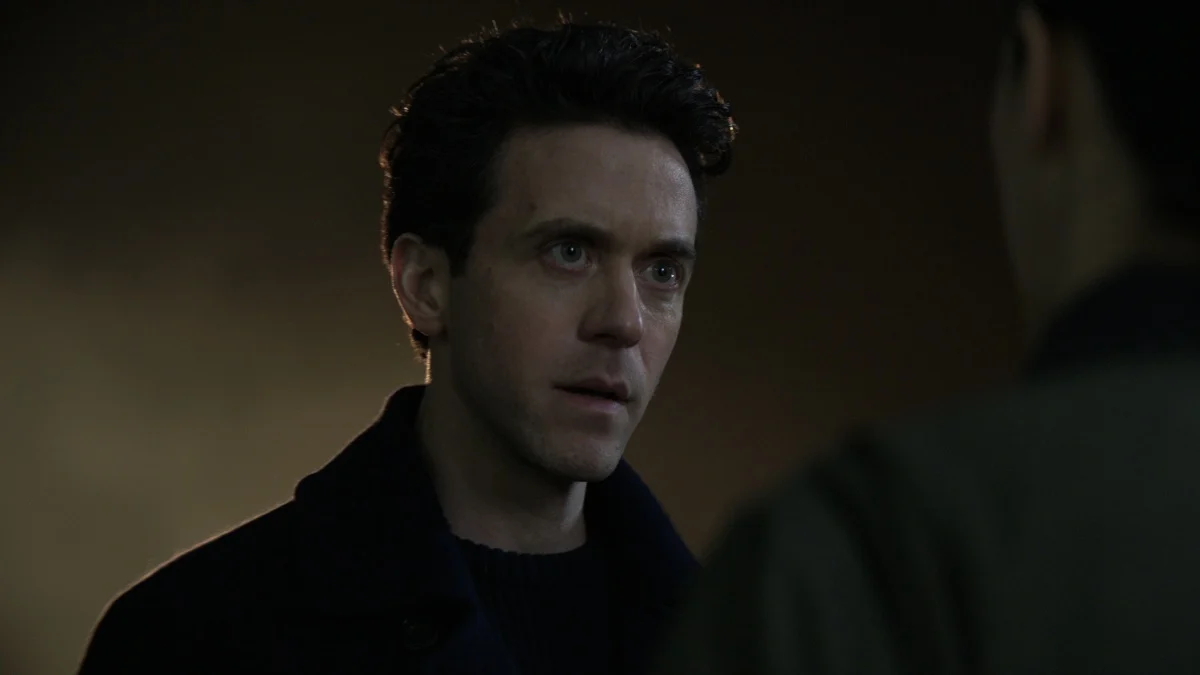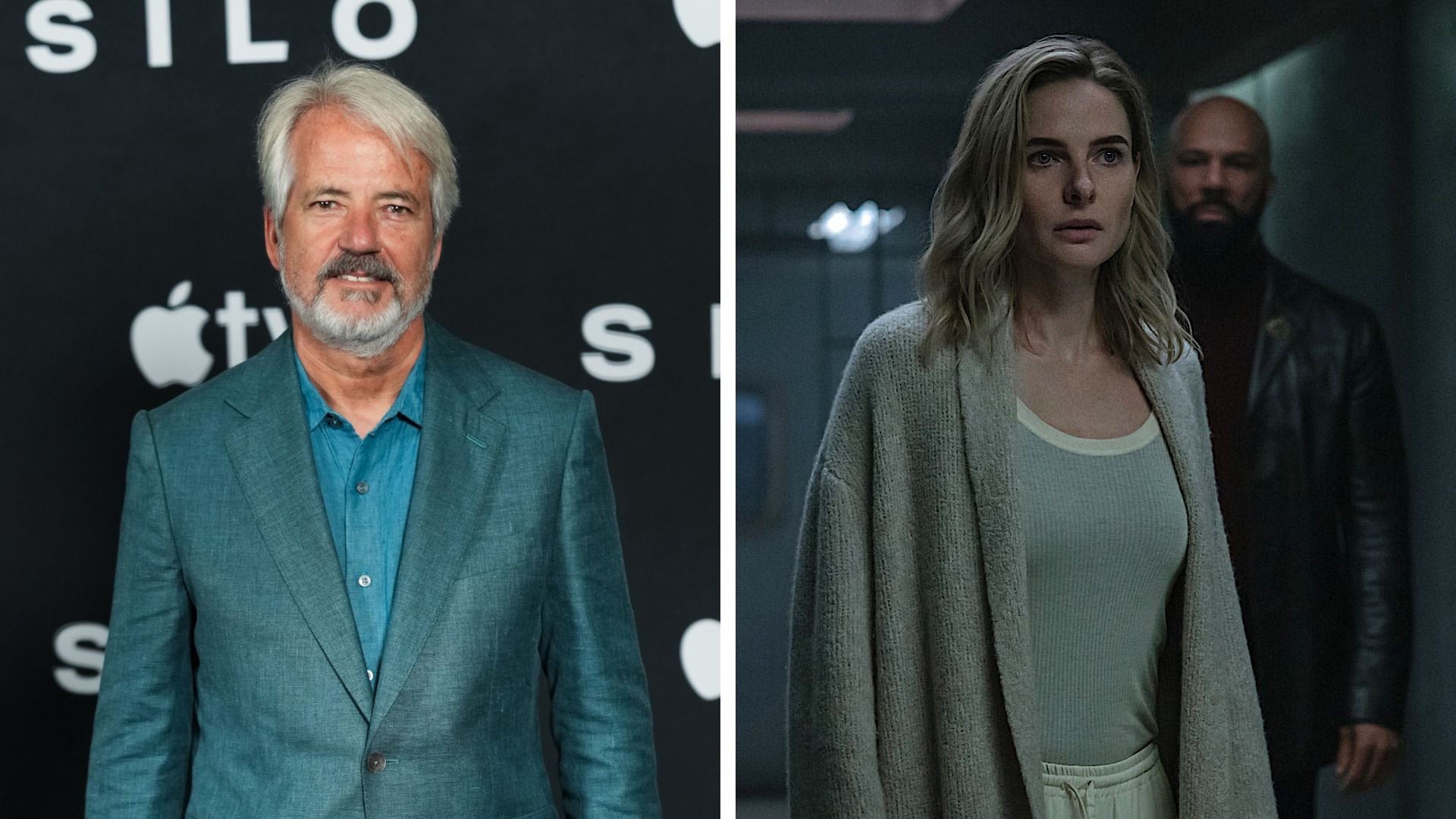
For its first two seasons, Apple TV’s Silo built its mystery around a dangerous surplus of “why?”. Why can nobody leave? Why must curiosity be punished? Why does an institution supposedly built to preserve humanity possess the means to exterminate it? In Hugh Howey’s Wool, published in 2011 and followed by Shift and Dust, those questions furnish the architecture of the dystopia. Ten thousand people live underground, sealed inside a colossal Silo and taught that the world outside is toxic. The rules governing their lives have survived for generations, while the history that produced them has been methodically effaced. Inside the Silo, mum’s the word and the wrong question can get you killed. Juliette Nichols (Rebecca Ferguson), an engineer whose instinct is to repair whatever is broken, keeps tugging at those loose threads until they lead beyond the machinery of her own Silo. Season 3 finally reveals how the Silos were conceived and how memory became an instrument of control. The 10-episode season divides its attention between Juliette’s return to Silo 18 and the “Before Times,” where journalist Helen Drew (Jessica Henwick) and Congressman Daniel Keene (Ashley Zukerman) become entangled in the conspiracy that will eventually produce the Silos. It is also the show’s most overtly political season, with its explosive final episodes detonating a succession of revelations that have sent fans back through its mythology and towards the question of what any of it portends for the final season.For showrunner Graham Yost, these political dimensions lead back to the questions that have animated Silo from the beginning. In an interview with The Hindu, he unpacks the season’s political undercurrents, Rebecca Ferguson’s role in shaping Juliette, and the trajectory that awaits her in the final season.“It’s interesting how this show can feel like it’s reflecting the times we’re living through,” Yost says. “I think that was part of the magic of Hugh’s books, because he wrote them nearly two decades ago, and they were reflective then too.”
‘Silo’ Season 3 interview: Showrunner Graham Yost on how Rebecca Ferguson turned Juliette into a reluctant revolutionary
In an interview, Graham Yost discusses Juliette's evolution into a revolutionary in 'Silo' Season 3 and its political themes.
1,225 words~6 min read