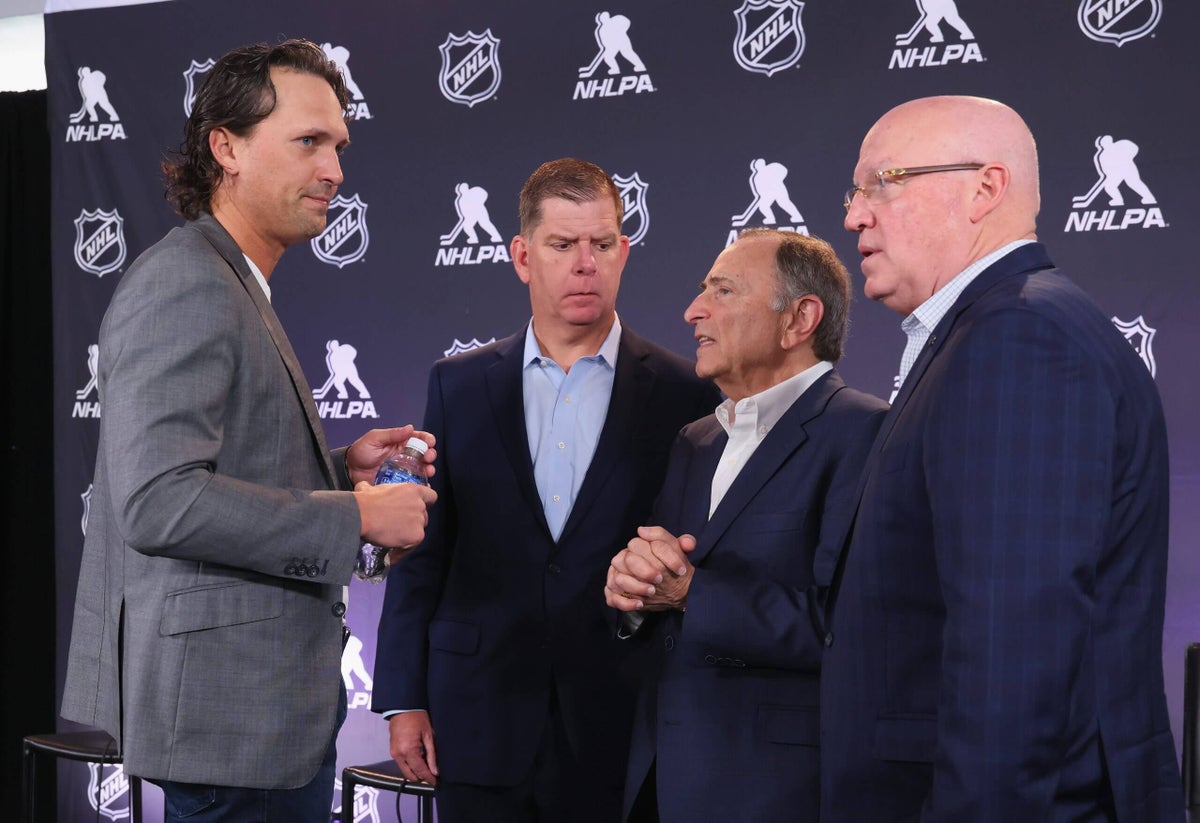
It won’t be long before fans spot some of the changes that come with the NHL’s new collective bargaining agreement taking effect later this month.Training camps open Sept. 16 to coincide with the start of that new labor deal, and they’ll look much different than they did in the past. Experienced players will be put through only a 13-day camp, down from 20 days, and those with at least 100 NHL games on their resumes are now limited to two exhibition games. Each team will play only four exhibition games.After that, the puck will drop on a longer 84-game regular season, which starts earlier than usual on Sept. 29 to accommodate the two extra games per team.Those are some of the main items pertaining to working conditions that were codified in a memorandum of understanding between the NHL and NHL Players’ Association in June 2025. They appear alongside other system changes in the new CBA, such as reduced length limits on contracts (re-signing players will be capped to seven-year deals starting Sept. 16), the creation of a playoff salary cap and the elimination of deferred compensation, among other tweaks.With the new CBA set to take effect, The Athletic spoke with deputy commissioner Bill Daly and NHLPA executive director Marty Walsh about the items they’ll be monitoring closely during the transition.Why sports leagues finally embraced Las VegasTifo SportsFitness testing eliminatedNHL players were accustomed to returning from summer to a grueling set of tests from their teams. Whether it was a lung-burning set of sprints on an air bike, an on-ice beep test designed to measure endurance by having players skate goal line to goal line or a standard timed 2-mile run, measuring fitness has long been a required part of training camp.No more.Fitness tests have been abolished in this CBA — a trade-off, according to Walsh, for the players agreeing to a longer regular season.“It’s a negotiation,” he said. “Fitness testing was given up because we have 84 games. So we got no dress code, a 13-day training camp, four-game preseason (per team) and no fitness testing for additional games. We want to make sure that’s all implemented properly and that there’s nobody trying to get around that.”While most players are no doubt thrilled to have that extra burden taken off their plates, some have said they’ll miss being able to measure their fitness against previous benchmarks.From the NHLPA’s perspective, the practice was a leftover from a bygone era when athletes didn’t consistently keep themselves in top shape. The union had also seen proof of concept that it wasn’t necessary during the COVID-19-interrupted 2019-20 season, when play was stopped in mid-March before resuming with an August playoffs that didn’t feature fitness testing beforehand.
EBUGs, dress code, other changes the NHL, NHLPA are monitoring as new CBA takes effect
Deputy commissioner Bill Daly and union boss Marty Walsh tell The Athletic what they're watching under the new CBA.
1,277 words~6 min read