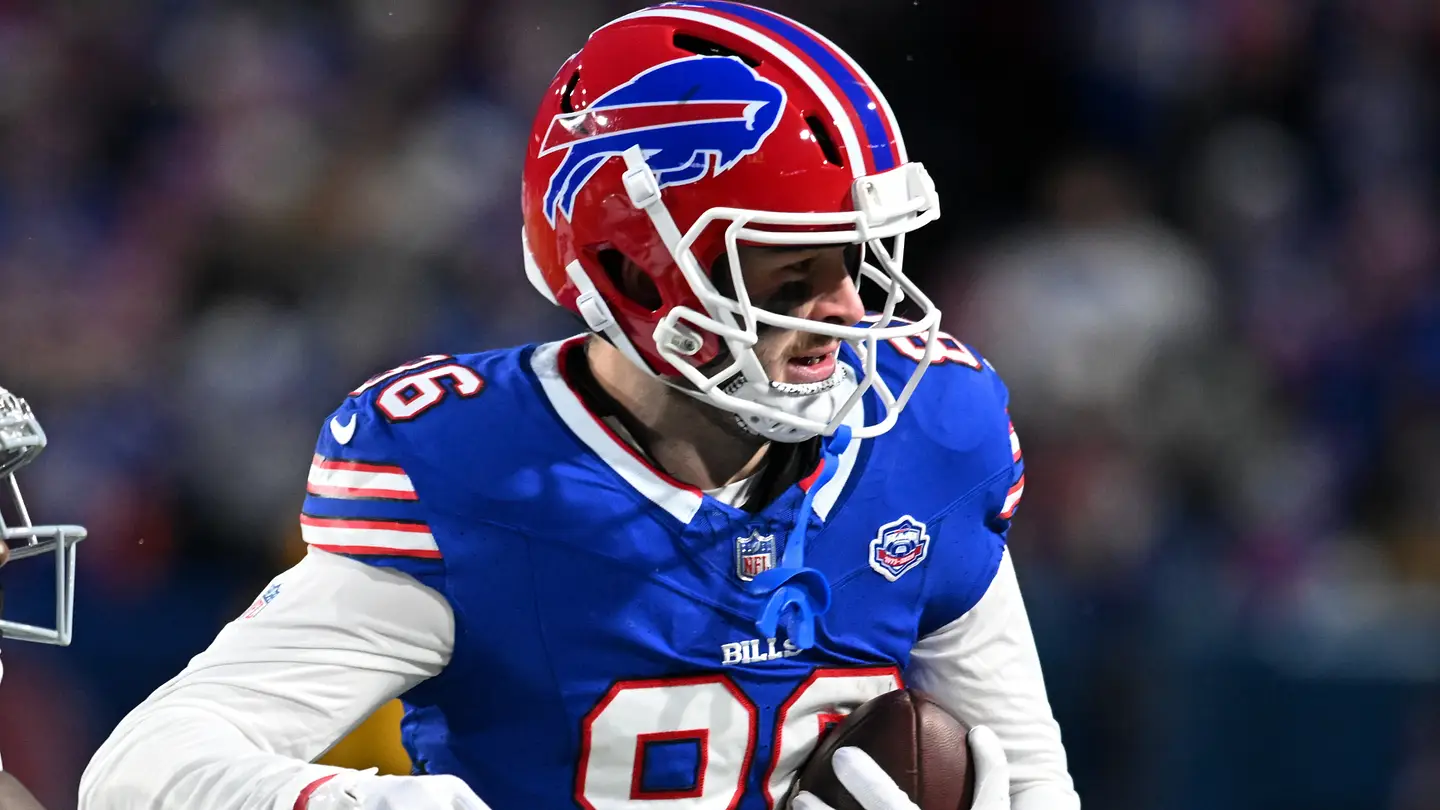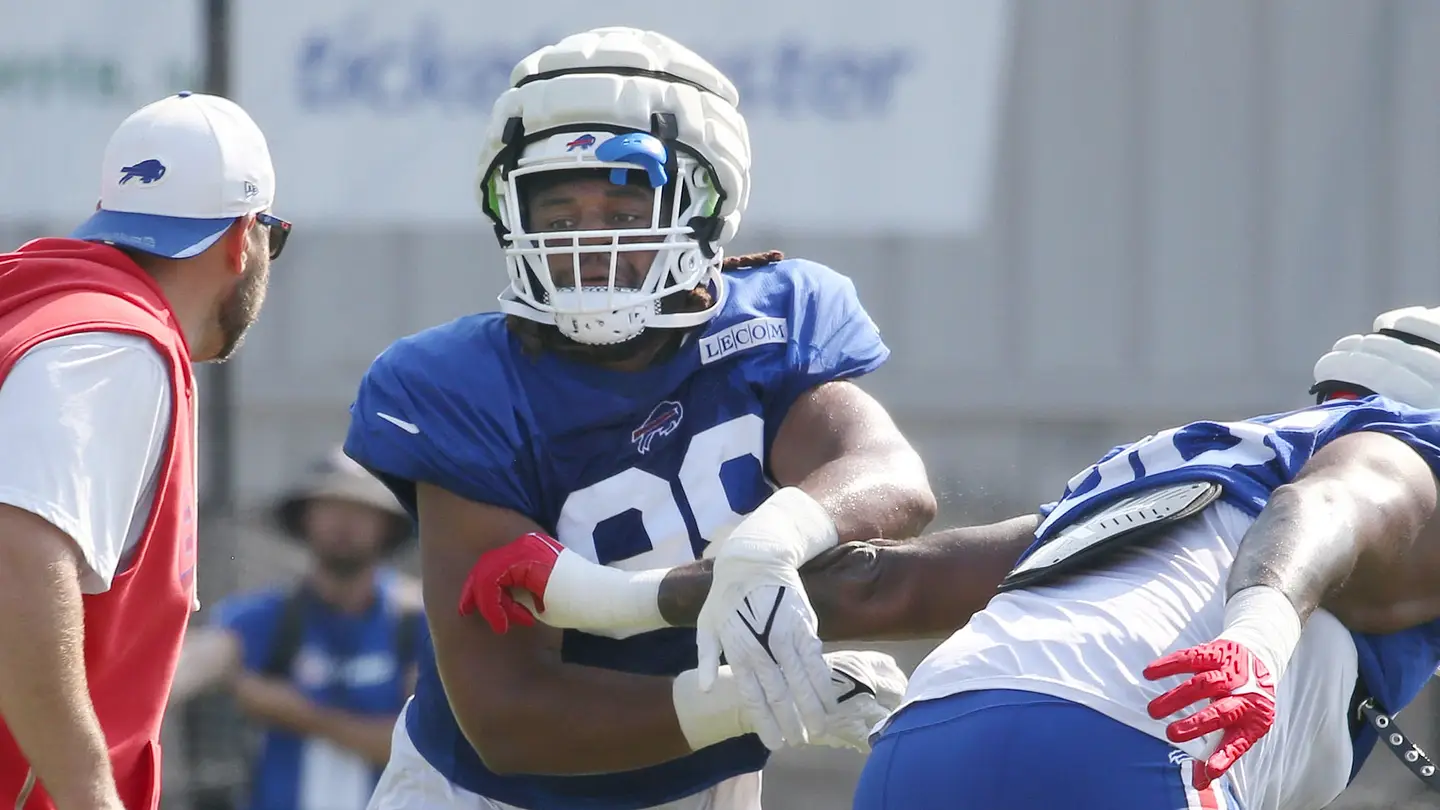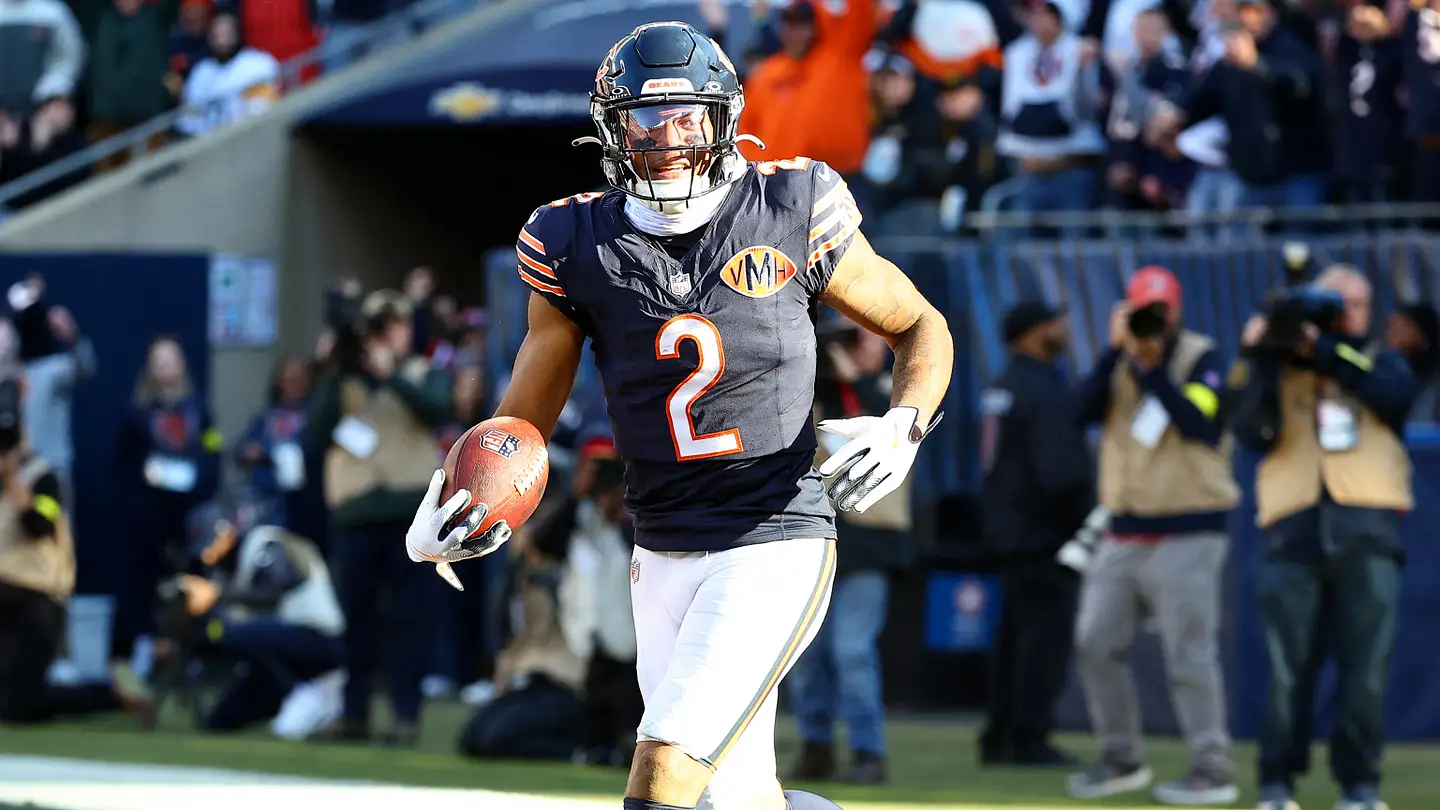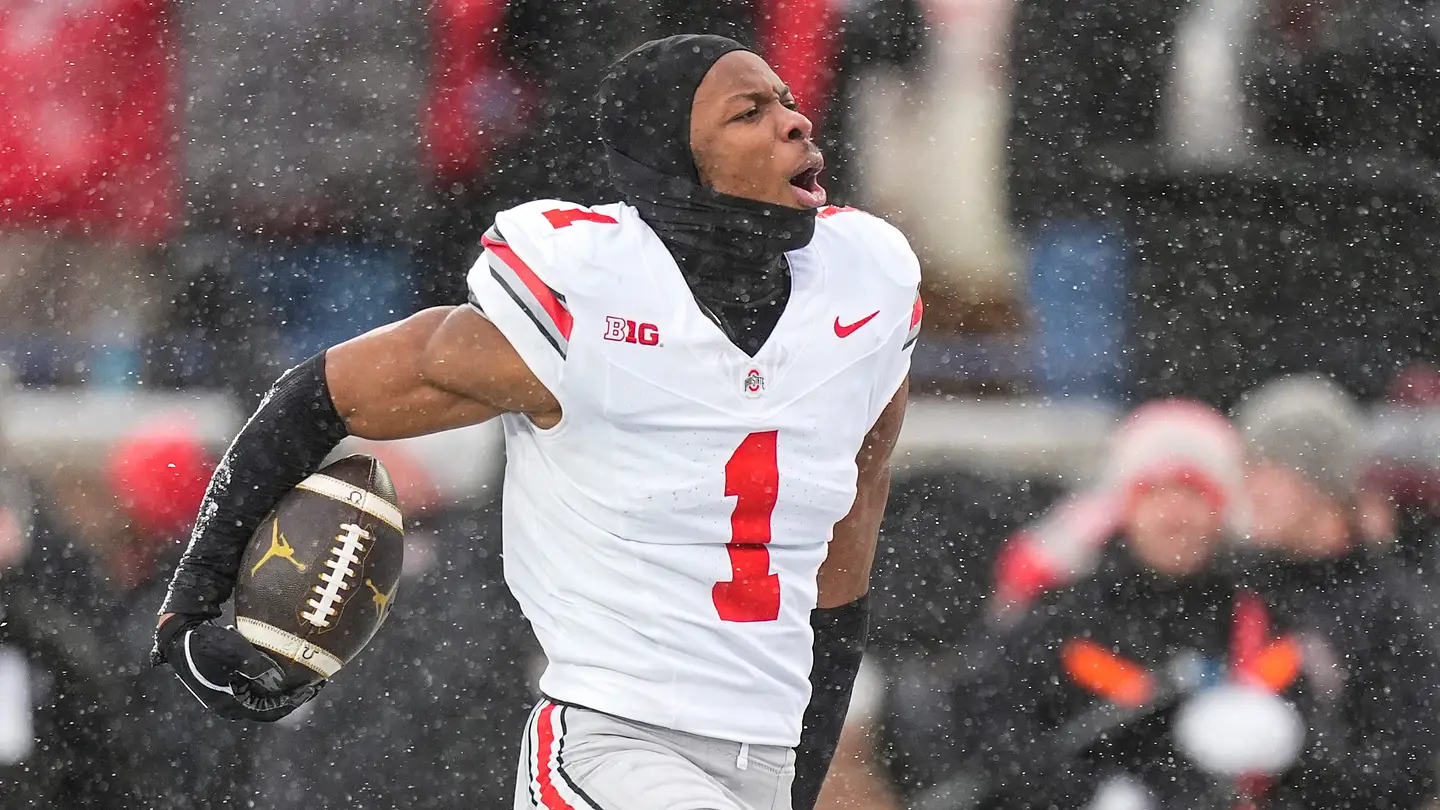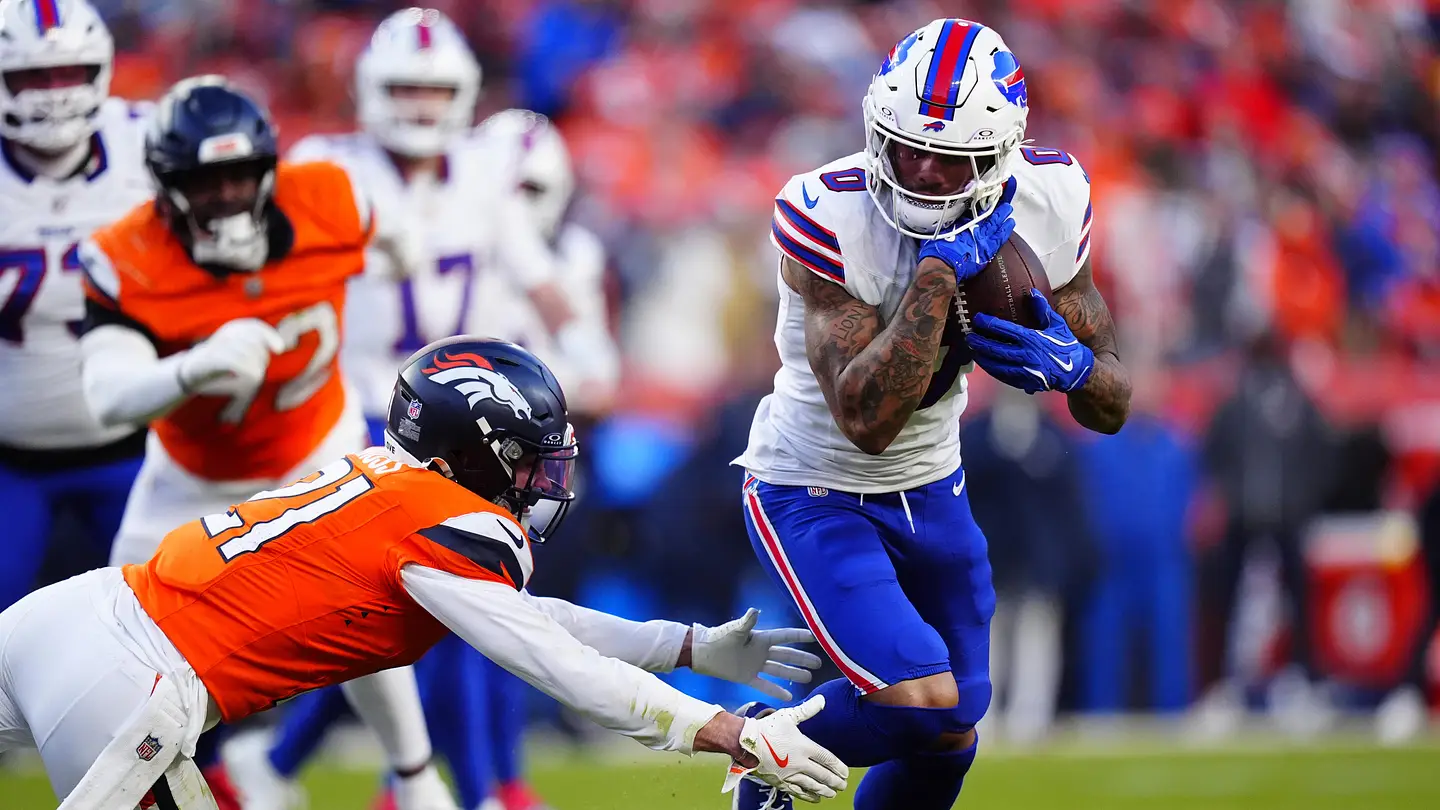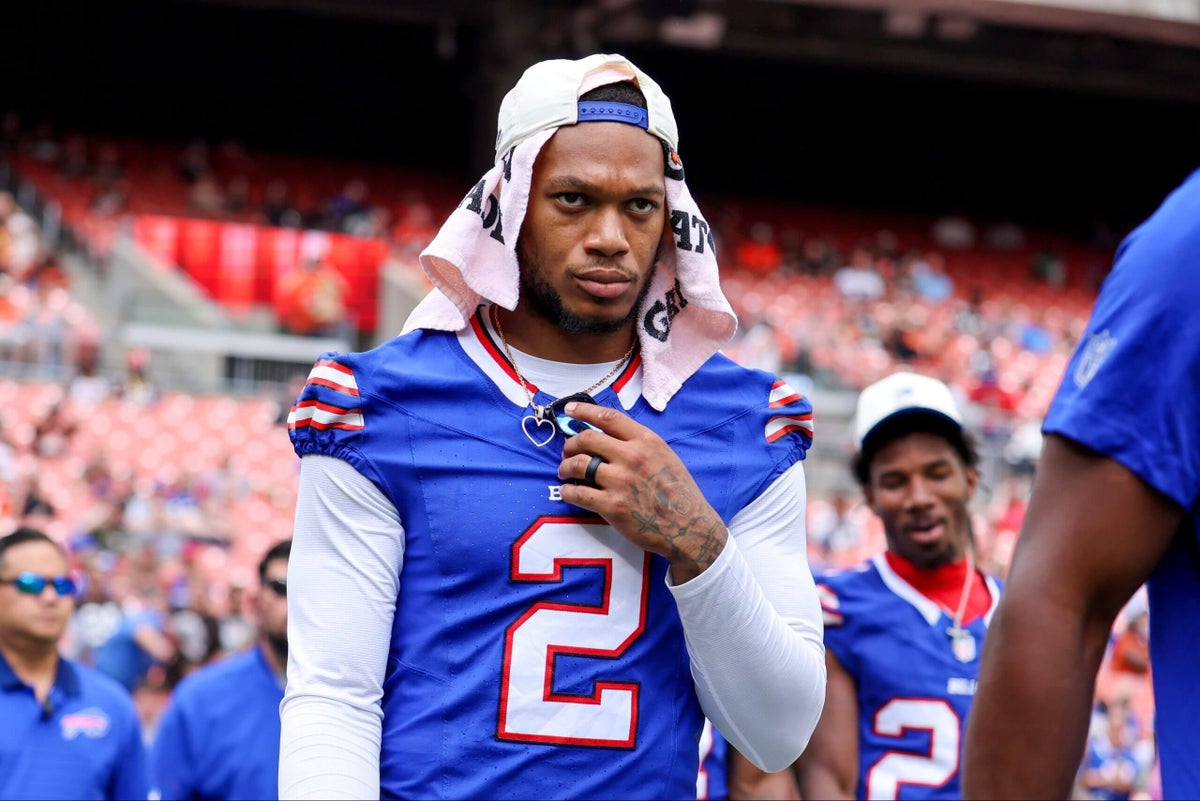
The following list isn’t for Josh Allen, James Cook or the known Buffalo Bills players expected to have great seasons or, at the very least, lead the way. This list is about the players slated to have a huge role and at least some volatility in how the Bills’ upcoming season could go.So, which players can help swing the Bills’ season either toward the Super Bowl or below expectations? Here are eight players who can shape 2026.WR DJ MooreWithout many changes to a passing offense that has been craving an explosive downfield element for the past two seasons, there isn’t a much better example of who could swing the season than Moore.He was their crown jewel of the offseason, with the Bills effectively spending the last pick in the second round to get him based on the terms of the pick swap. Moore’s contributions to the offense within training camp were immediate and obvious. Allen routinely pushed the ball downfield to Moore, making a concerted effort all summer to build on-field chemistry with the Bills’ new No. 1 receiver.The Bills brought in Moore to be their No. 1 receiver. The days of “everybody eats” seem to be in the rearview mirror, and it would not be surprising to see Moore on the field constantly and for Allen to default to looking his way. The Bills haven’t had that type of receiver since Stefon Diggs left the franchise. But just because Moore will be on the field a lot doesn’t mean he’ll have the massive impact the Bills are hoping for. After all, Moore’s last two seasons yielded an average of only 824 yards per season. Our film study pointed to perhaps a lack of connection between him and Chicago Bears quarterback Caleb Williams, but you can’t assume Moore will bounce back without question with Allen, even if it looks like a good bet.A successful season would yield a high snap and target role, while helping to increase the overall depth of target for the rest of the receivers and stressing the defense to create more space.Will the Bills surpass the Patriots in the AFC East?Joe BuscagliaS Cole BishopFor as much as Bishop broke out down the stretch of the 2025 season, he isn’t getting talked about as much in the run-up to this season because of all of the newness surrounding the Bills.His first full year of starting in 2025 began slowly, with inconsistent play but also flashes of great performances in two of the first six games. After the Bills’ bye week, Bishop took off.From Week 8 through the end of the season in our film study, Bishop very quietly graded out as the Bills’ best defender. He was mostly good to great over all of those outings. His instincts and confidence were outstanding, and his tackling improved, too. Along with his man coverage skills, if he can take that second-half showing and be used creatively within defensive coordinator Jim Leonhard’s new scheme to get around the ball more, Bishop has all the potential to be more than just a good player.He could become one of the Bills’ best players and make a strong case for an extension. If the end of the season comes and the defense is way better than anticipated, there’s a good chance Bishop had a lot to do with it.LT Dion DawkinsNot a single move — or, in this case, non-move — raised my eyebrows more than the Bills choosing not to convert Dawkins’ 2026 base salary into a prorated bonus.Why is this important? For context, the Bills were cap-strapped in the offseason, just as they have been almost every offseason since Allen’s massive extension kicked in. Had they converted Dawkins’ salary this offseason, it would have saved them $10.6 million to help their 2026 roster. However, it also would have locked them into keeping Dawkins on the team in 2027 by adding that additional $10.6 million to the cap space they’d need to pay out in the future. By keeping Dawkins’ contract as is, they can get out of the deal next offseason and create $11.2 million in cap space for what is sure to be another cap-strapped offseason.Though Dawkins had an above-average season in 2025, it was far removed from the dominant player he was in 2024 and still a step down from his 2023 performance. He went through a similar downturn in production in 2022, though not as stark a drop-off as it was from 2024 to 2025.There was also a key difference: his age. Back around his first dip, Dawkins was only 28, but as a 32-year-old left tackle, it’s a completely different discussion. That’s not to say Dawkins is out of his prime, but he had a large drop in his age-31 season, and the Bills are smartly proceeding with caution.
From DJ Moore to Cole Bishop, 8 Bills who could swing the 2026 season
A new No. 1 receiver, a veteran left tackle and young defenders carry big questions — and big stakes — for Buffalo's Super Bowl hopes.
1,645 words~7 min read