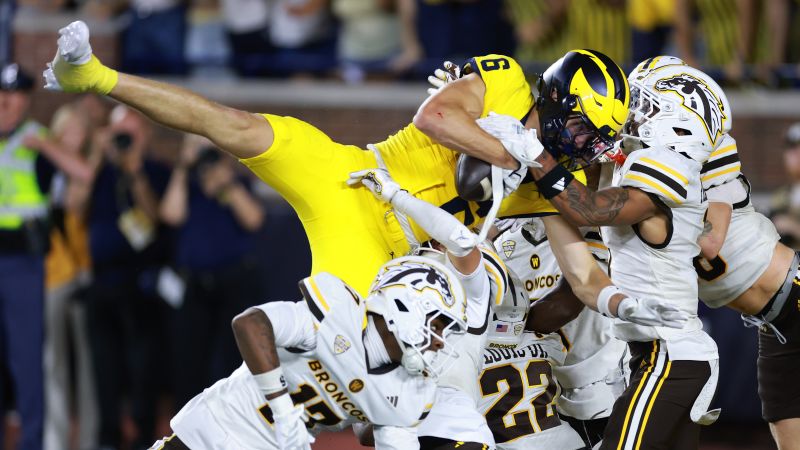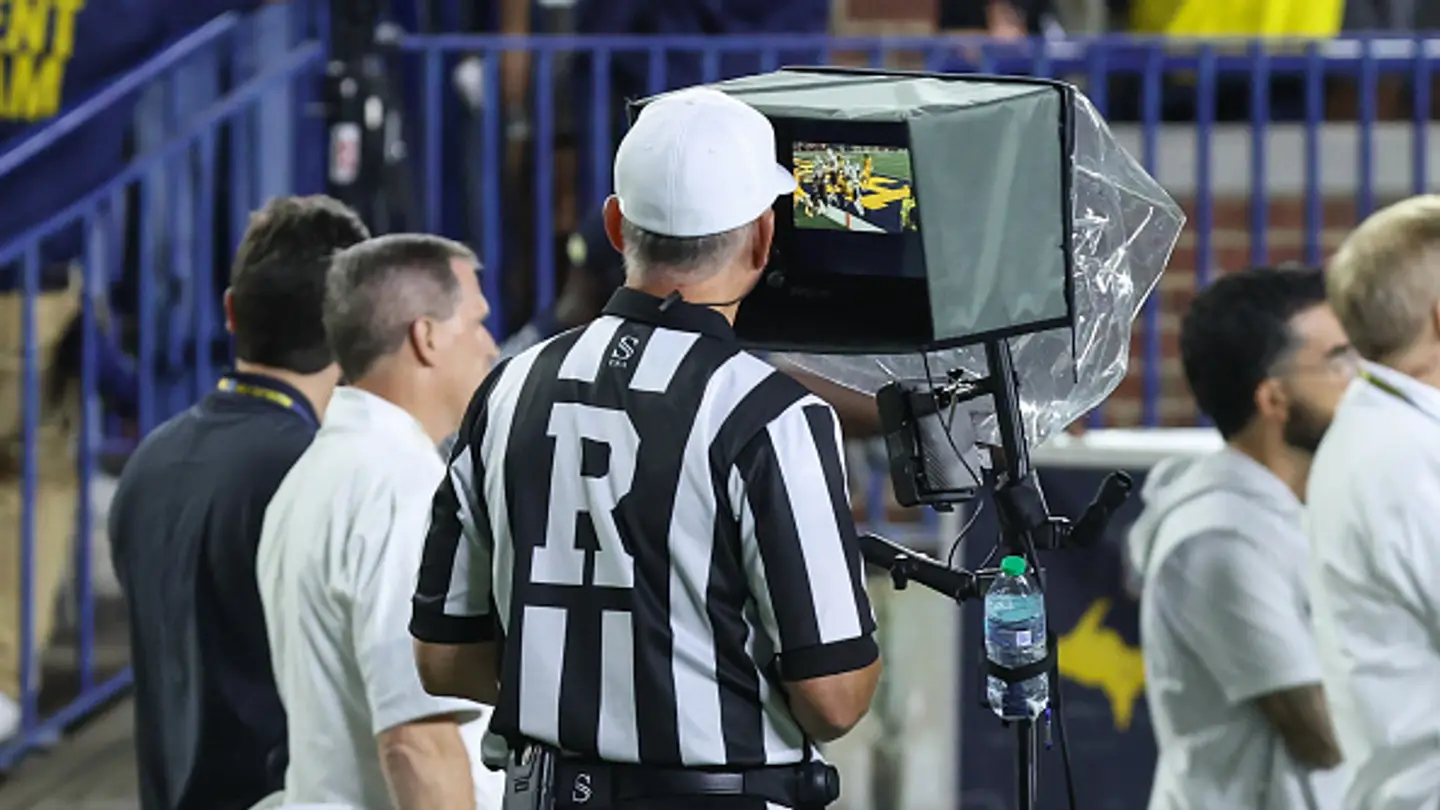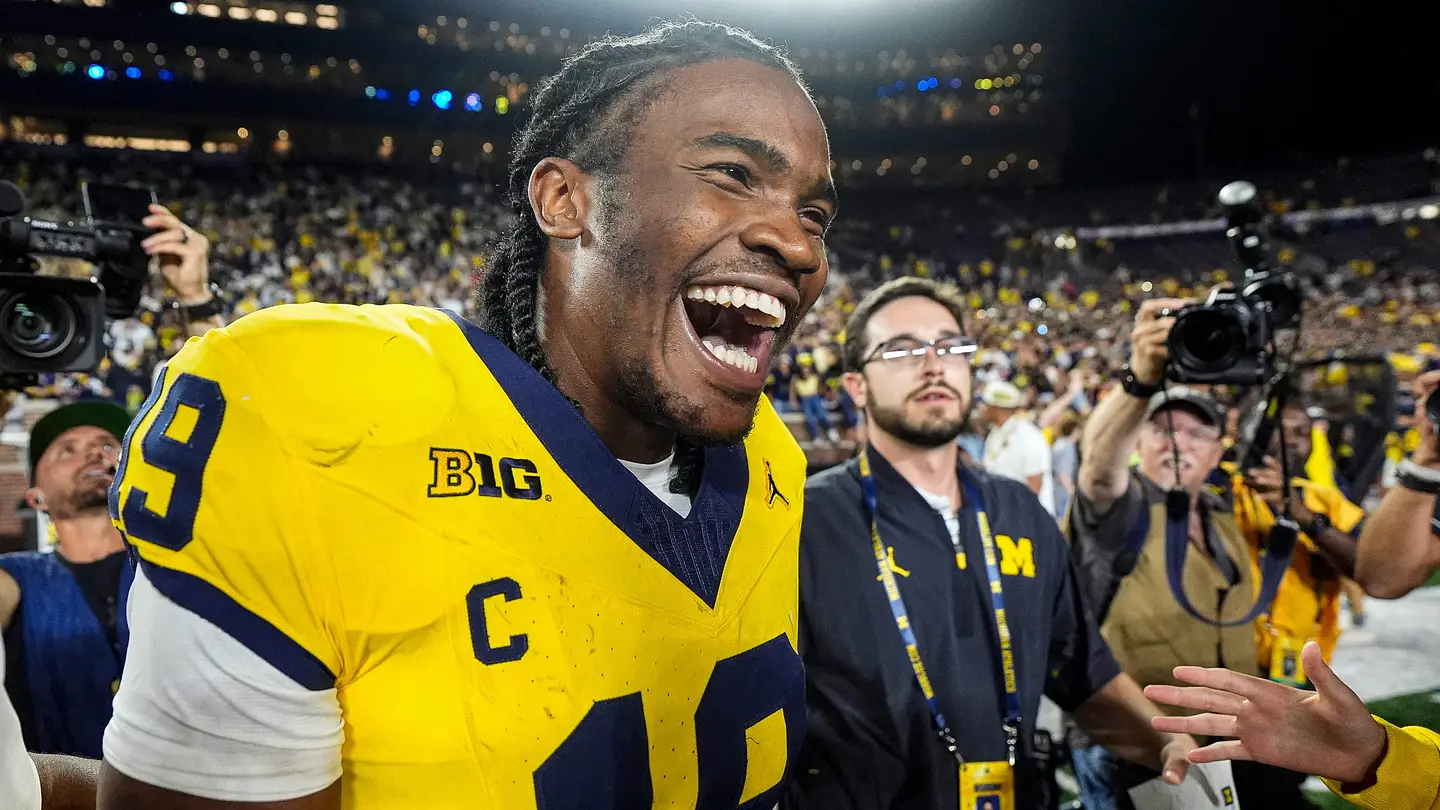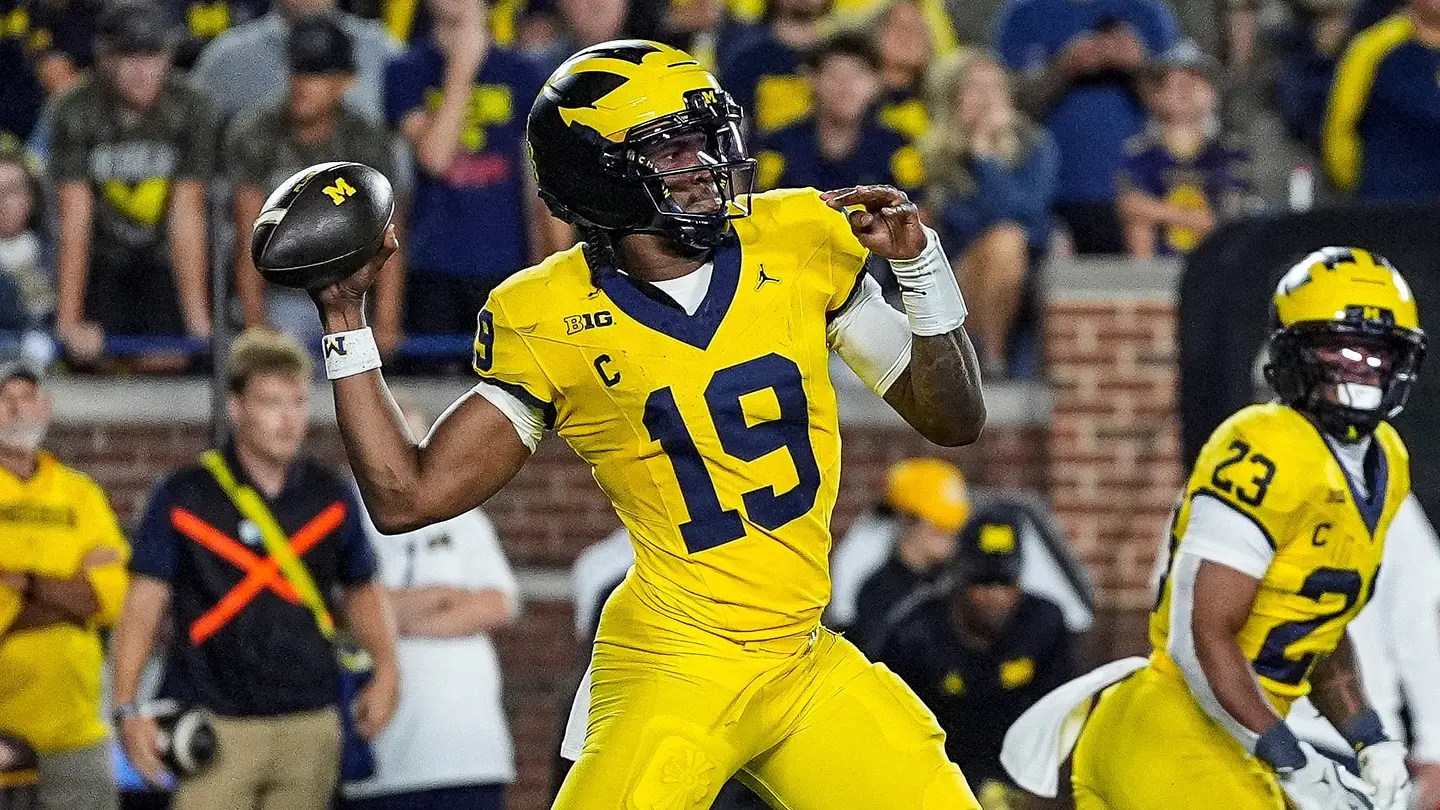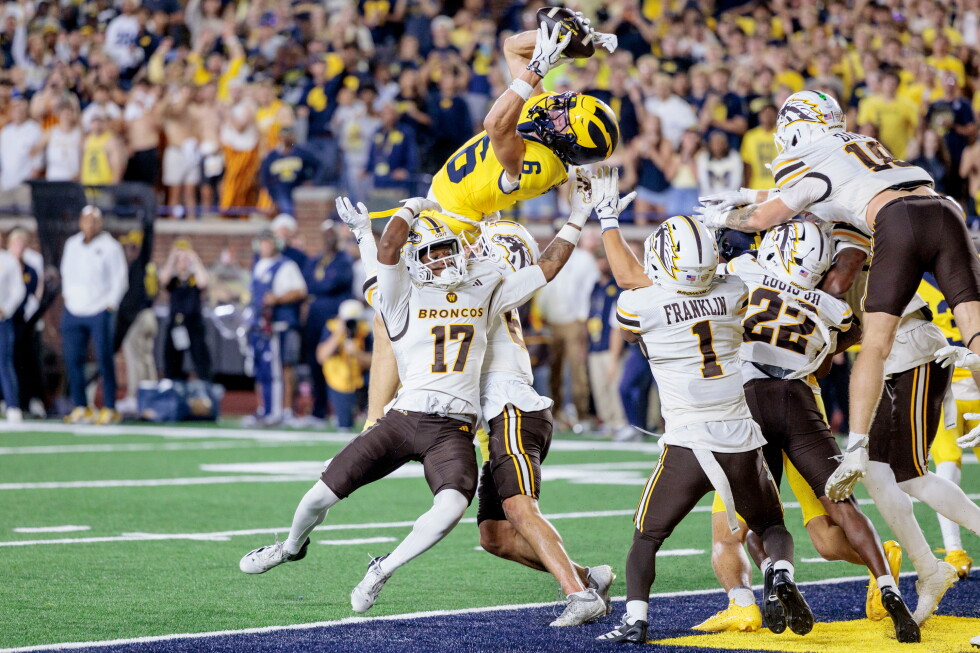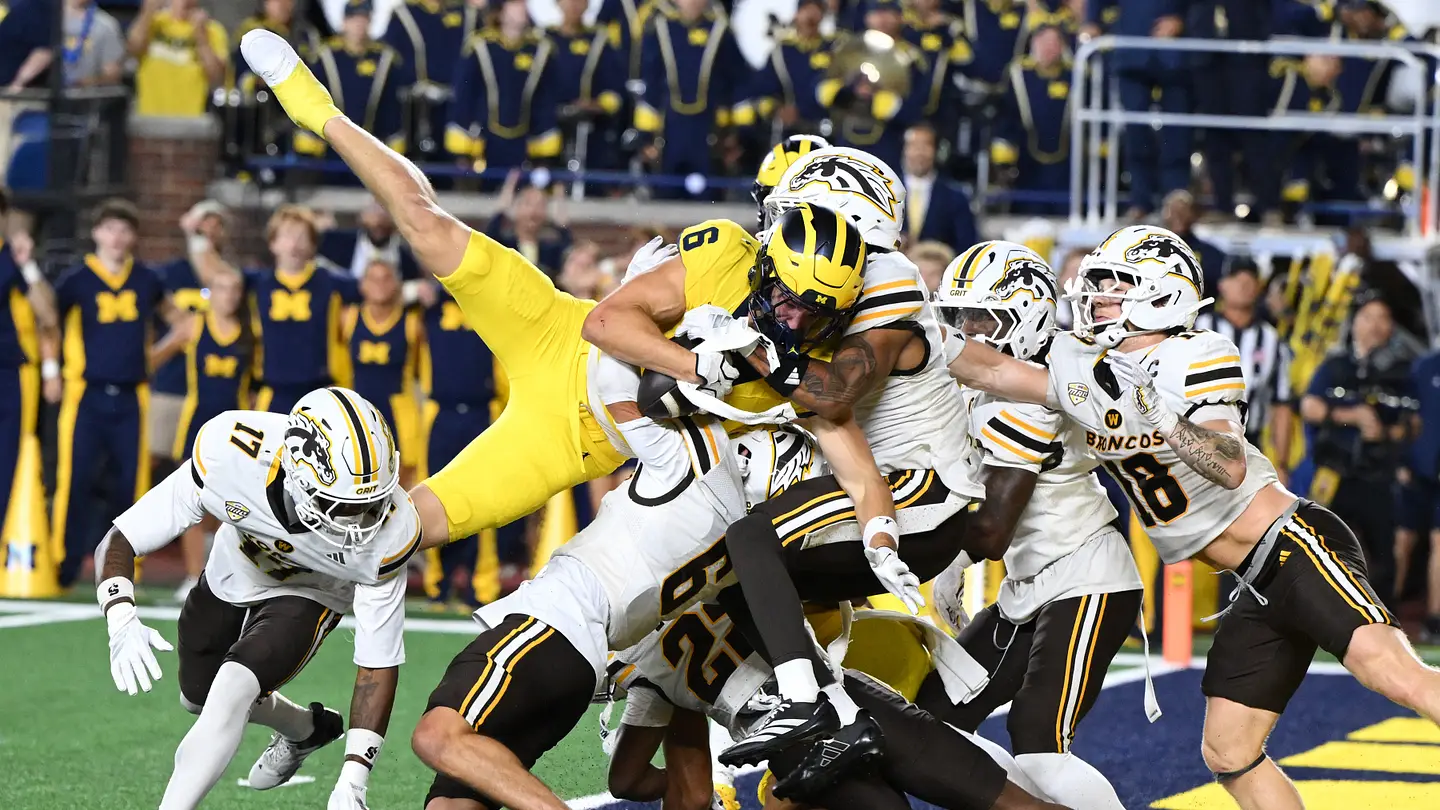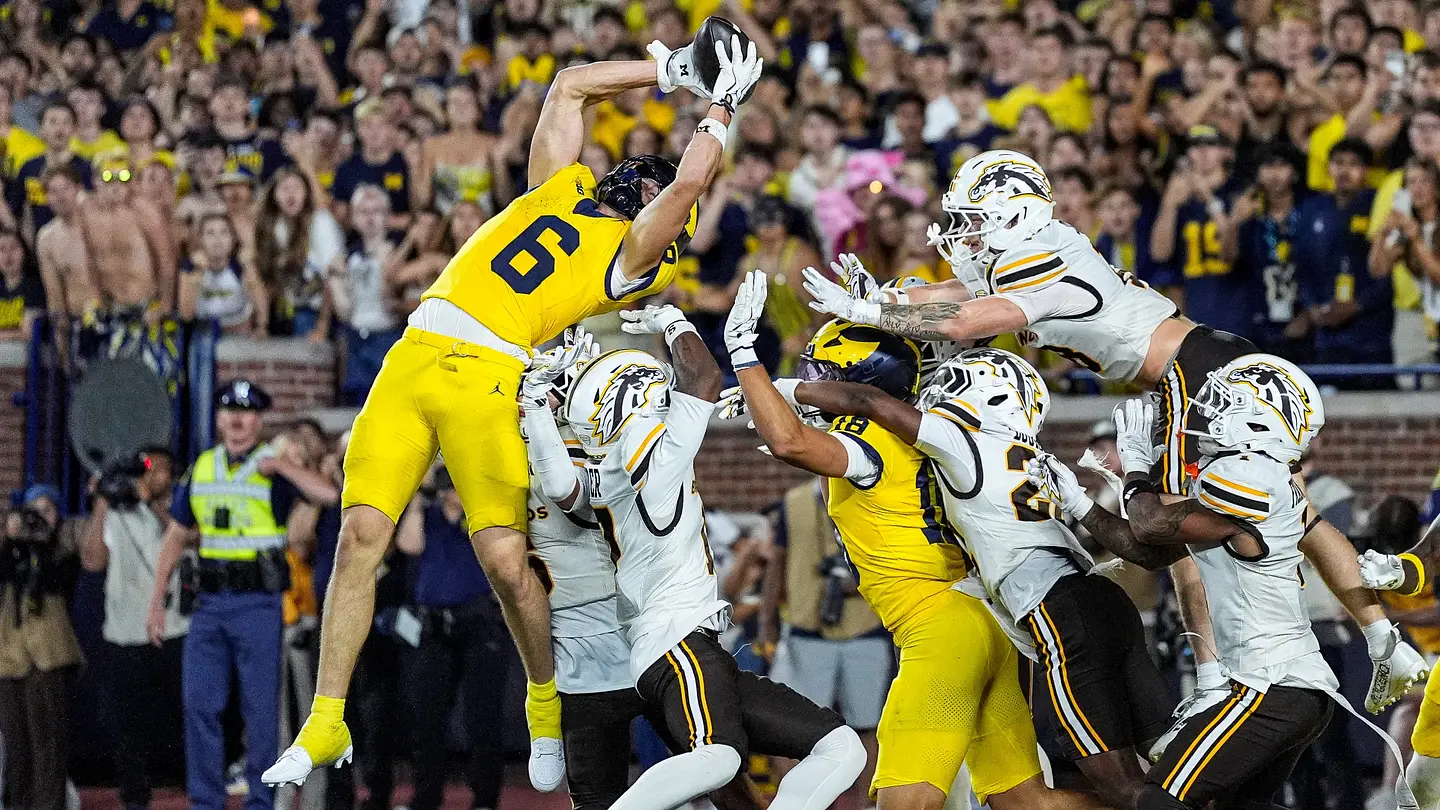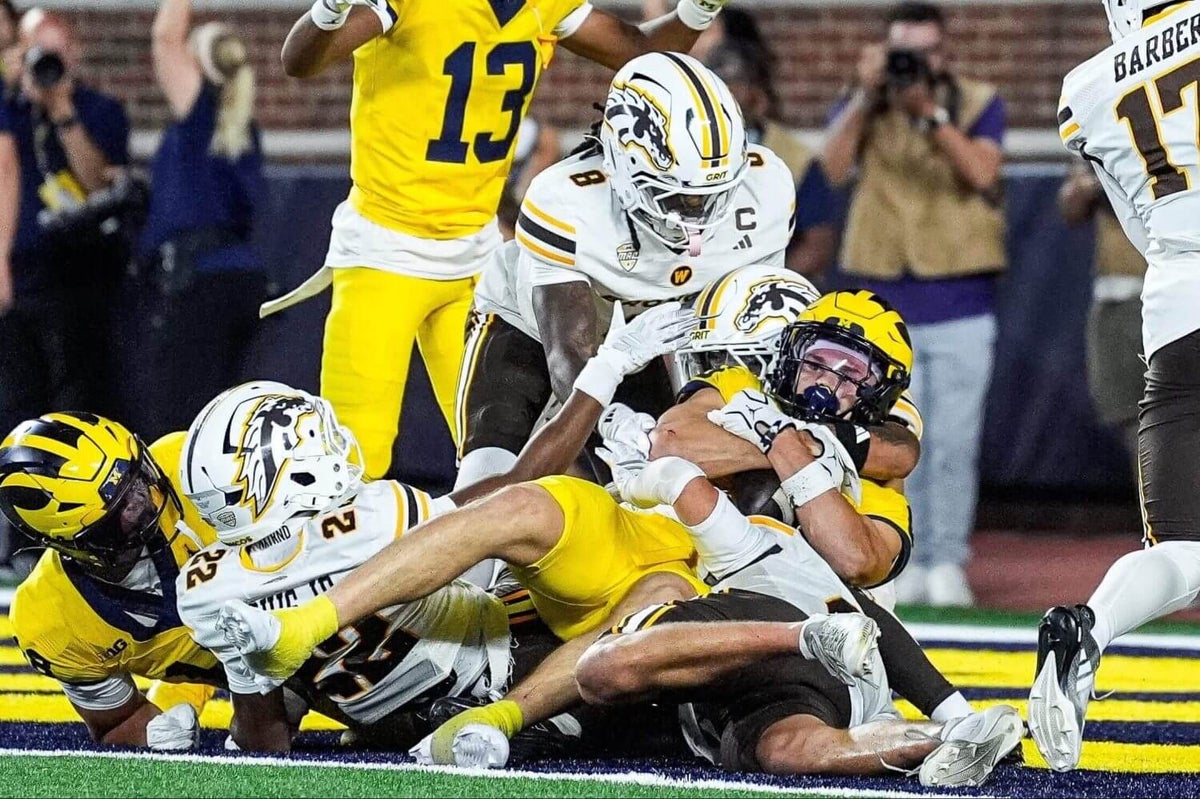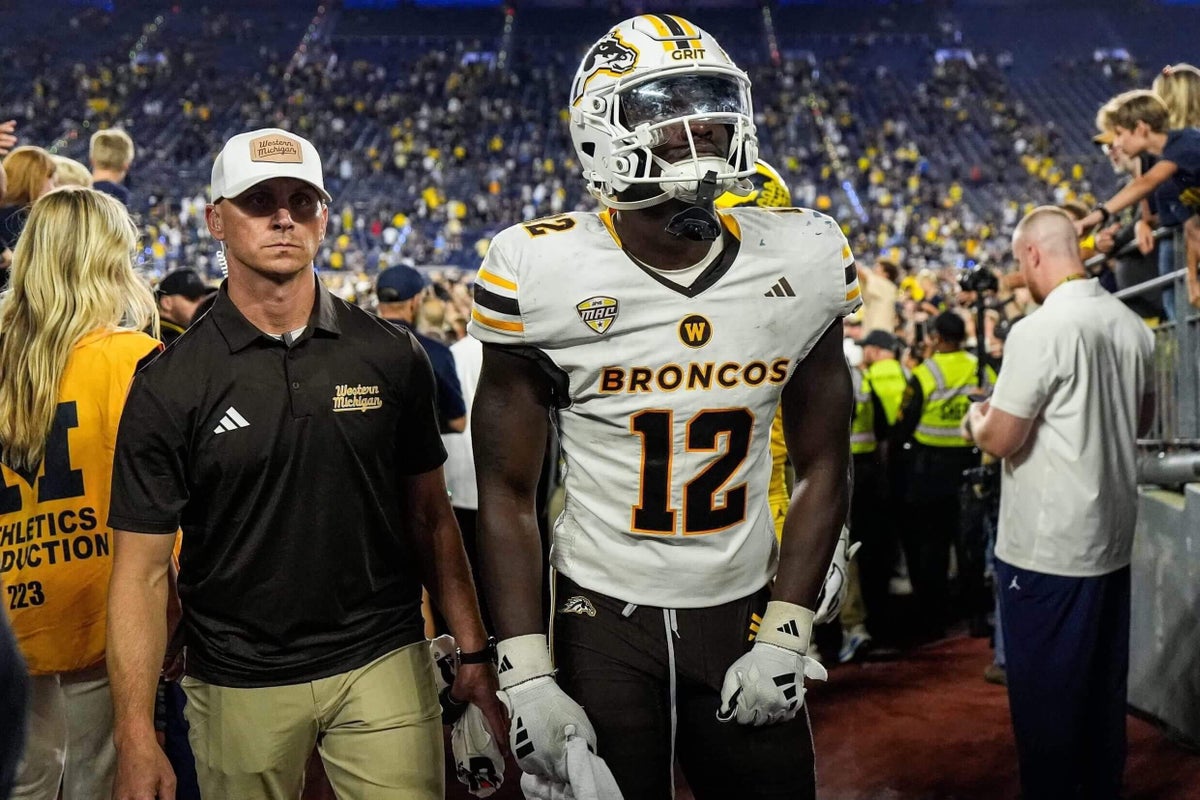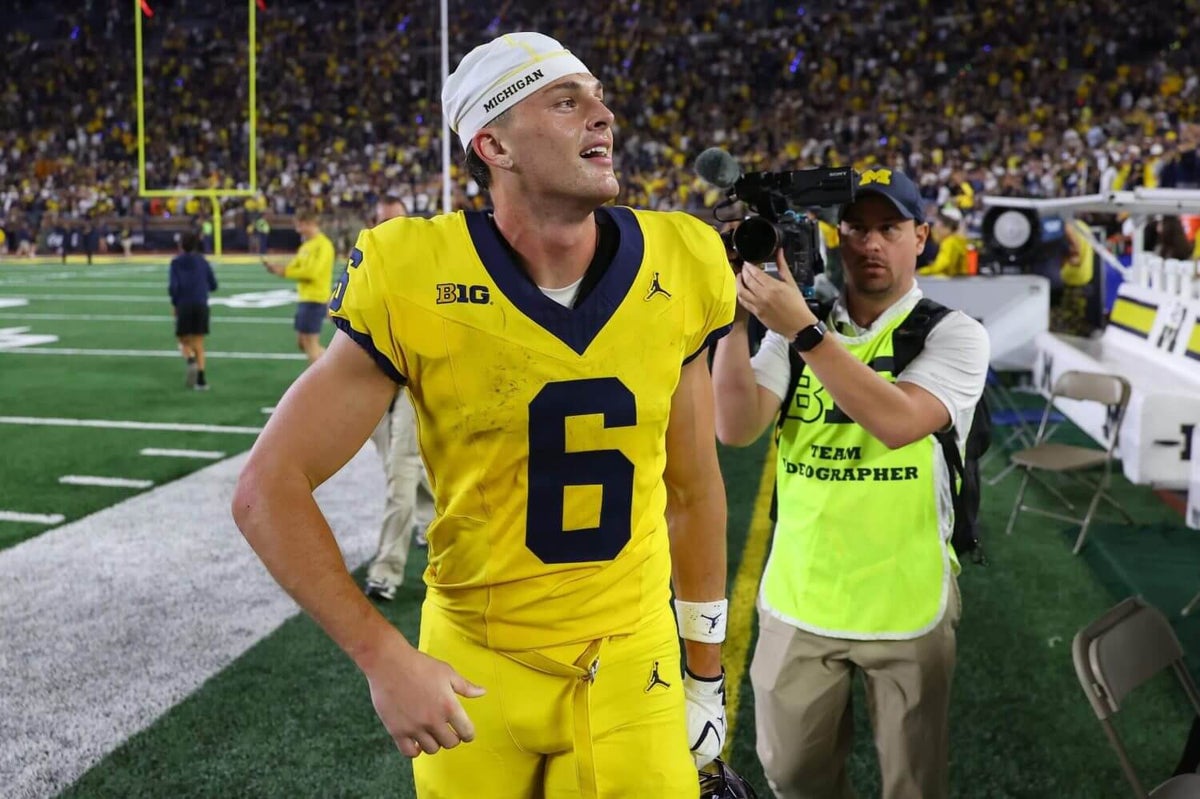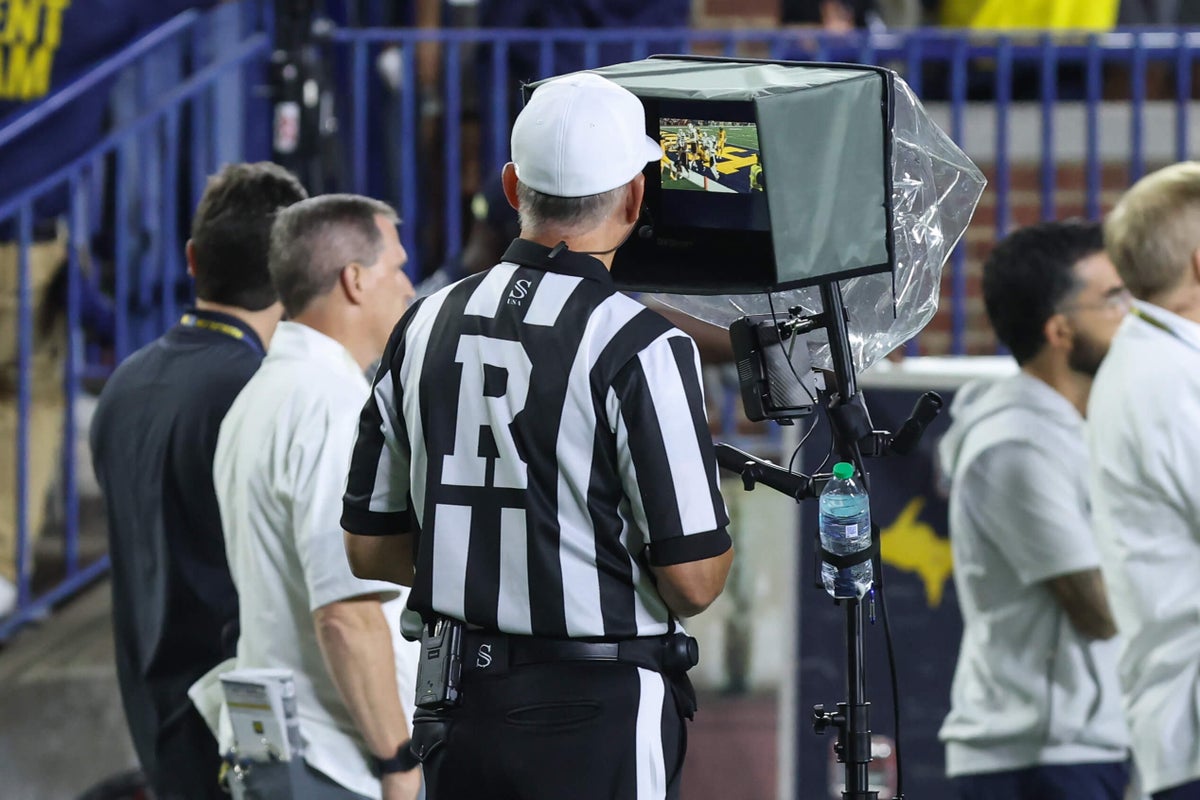
Editor’s note: The Mid-American Conference announced Tuesday that it is appealing the result of Saturday’s Michigan-Western Michigan game.One of my biggest issues with official replay reviews, in any sport, is that they attempt to solve a problem that I’m not sure we should actually want to solve.The case for instant replay was that it was supposed to right historical wrongs. Jorge Orta is out at first base; Colorado doesn’t get five downs; Tom Brady didn’t tuck that ball. You wanted to avoid the nightmare scenario of a championship being decided because a referee — a well-meaning but flawed human being with human being limitations, like all of us — missed a call that a camera was able to see more clearly. This was a reasonable, honorable goal: If you can get it right, don’t you have to do it?But if there’s anything the past two decades of instant replay have taught us, it’s that “getting it right” is, even with frame-by-frame video review (perhaps especially because of frame-by-frame video review) a lot easier in theory than it is to practically implement. Reality is always fungible and subject to interpretation, no matter how much you slow it down. How many times have you watched a replay, been certain of what it showed and had the officiating crew decide the opposite? Isn’t that the problem replay was supposed to fix? Replay reviews haven’t solved any of our problems. If anything, they’ve made them more frustrating.But what happened in Ann Arbor on Saturday night was something new. When officials put one second back on the clock, giving Michigan the opportunity to beat Western Michigan on a Hail Mary, it didn’t feel like instant replay making a mistake or not giving us a full answer. It felt like a conspiracy. When the Big Ten, later that night, in full-on back-of-the-Metroid-box font, showed that there was a “discrepancy” between the clock we saw at home and the clock they had access to in the replay center — a discrepancy no one had ever thought to tell anyone about, ever, until the last, worst possible second — it basically blew up the entire point of replay altogether. So there are secret cameras that gave a secret answer that happened to benefit the only people who have access to those secret cameras? How convenient.Should Michigan have gotten an extra second?Chris VanniniWhether you think it’s a grand conspiracy by the Big Ten to save a signature member from a historically embarrassing loss or just an unfortunate misunderstanding among broadcast partners about which replay is the real replay, it is more than enough to eradicate any conviction you might have in the veracity of replay and the people who make decisions based on it. Which defeats the entire purpose of replay in the first place. If we can’t decipher the correct answer from a piece of ostensibly clarifying replay, and even if we can, there’s suddenly another replay we never got to see that contradicts it anyway, what is it, exactly, we’re supposed to be getting out of this? Other than longer games and more commercial breaks, that is.In an age of disinformation, intense polarization and widespread distrust in institutions, it is no wonder that few believe the Big Ten’s explanation. The only people who seem to, frankly, are the leaders at Western Michigan, the ones with the biggest complaint about this and the ones who seem to be handling it the most maturely.“Our students and our coach and our university live in a world where we don’t always get what we want,” Western Michigan president Russ Kavalhuna said. “That’s an opportunity for us to show that, unlike what we see a lot in our society, where we point fingers at someone else and we say that what happened to us was bad because of someone else, even if it was, we know that those people exist in our lives, and we also know that the people we want on our teams and we want in our houses of worship and in our neighborhoods, they’re the kind of people who say, ‘Man, that really hurt, but we’re stronger together. We’re going to move forward. We can take this pain and use it to galvanize strength.”That is a very lovely sentiment, and it sure would be wonderful if everyone in the world lived that way. But it also should be pointed out that Kavalhuna’s university and athletic department got paid $1.5 million to play that game, and raising a huge fuss and kicking up a bunch of mud about being screwed over would be an excellent way not to be invited back to get paid some more. Does that sound cynical to you? Maybe it is. But that is the point. When the power structure is so inherently imbalanced, and replay so apparently inconclusive even though it only exists to be conclusive, hey, everybody’s suspect. There are no heroes here.And you know what? I think that’s OK too.The late baseball umpire Ron Luciano, when asked whether technology would ever take his job, once said, “If they create a robot umpire that calls every strike exactly right, hitters will never let it survive. Whenever it makes a call against them, they will beat it to death with a bat.” It’s a good line, but the decades have proven it unquestionably true. We do not want replay to give us the correct call. We want replay to give us the call that we want. Somebody’s going to be mad either way.Which is the way sports, in the end, are supposed to work. We’re supposed to be mad! This whole thing is supposed to be about emotion. Conclusive answers have always been an illusion. Disinformation, intense polarization and widespread distrust in institutions are problems for the world, but in sports, well, they’re the coal that drives this whole engine in the first place. Sports are fun — and are important, and even healthy — because they are, in the end, harmless ways for us to express emotion. Being angry about the Don Denkinger call, 41 years later, is a large part of my personality as a St. Louis Cardinals fan; it’s my history, something I still feel in my bones every time I watch a game. Missouri fans feel the same way about the fifth-down call. Raiders fans feel the same way about the tuck rule … and you surely feel the same way about any call that ever went against your team and made you feel like the world was against you. It’s integral to the whole sports experience.Hasn’t anyone been on a message board or listened to a postgame call-in show before? Feeling aggrieved is a huge part of what this is all about!There are wide swaths of the college football viewing public who will never, ever believe that there should have been one second put back on the clock at the end of the Michigan-Western Michigan game. It will come up every time anyone talks about Michigan or the Big Ten or replay reviews for a long, long time. (What announcer will be able to resist a, “Here’s a look at the replay … or at least a look at our replay anyway!” anytime we have a review?) It is certain to live on for decades, just like Denkinger, the fifth down, the tuck rule and all the rest.Is that such a bad thing? Do you want definitive answers? Sorry, you can’t have them, not even from replay.What we can give you, though, is something to talk about, forever — to debate, to be angry about, to remember. If replay can’t give us reality, it can at least give us an excuse to retreat into our corners and feel aggrieved. Which is a natural, comfortable sports fan place to be. We have, at last, found replay’s ultimate utility: To be beaten to death with a bat.
If Michigan-WMU showed no one can trust instant replay, is that really such a bad thing?
We do not want replay to give us the correct call. We want replay to give us the call that we want. That's how sports are supposed to be!
1,316 words~6 min read