Three years ago, on a clear day, you could stand at the Lebanese border with Israel in the village of Marwahin and see the Baha’i Gardens on Mount Carmel, looking down over the Israeli city of Haifa. The view suited the widespread talk at the time about an Iran-led “axis of resistance” based in Lebanon and Gaza and intent on liberating Palestine. Then Oct. 7 happened.
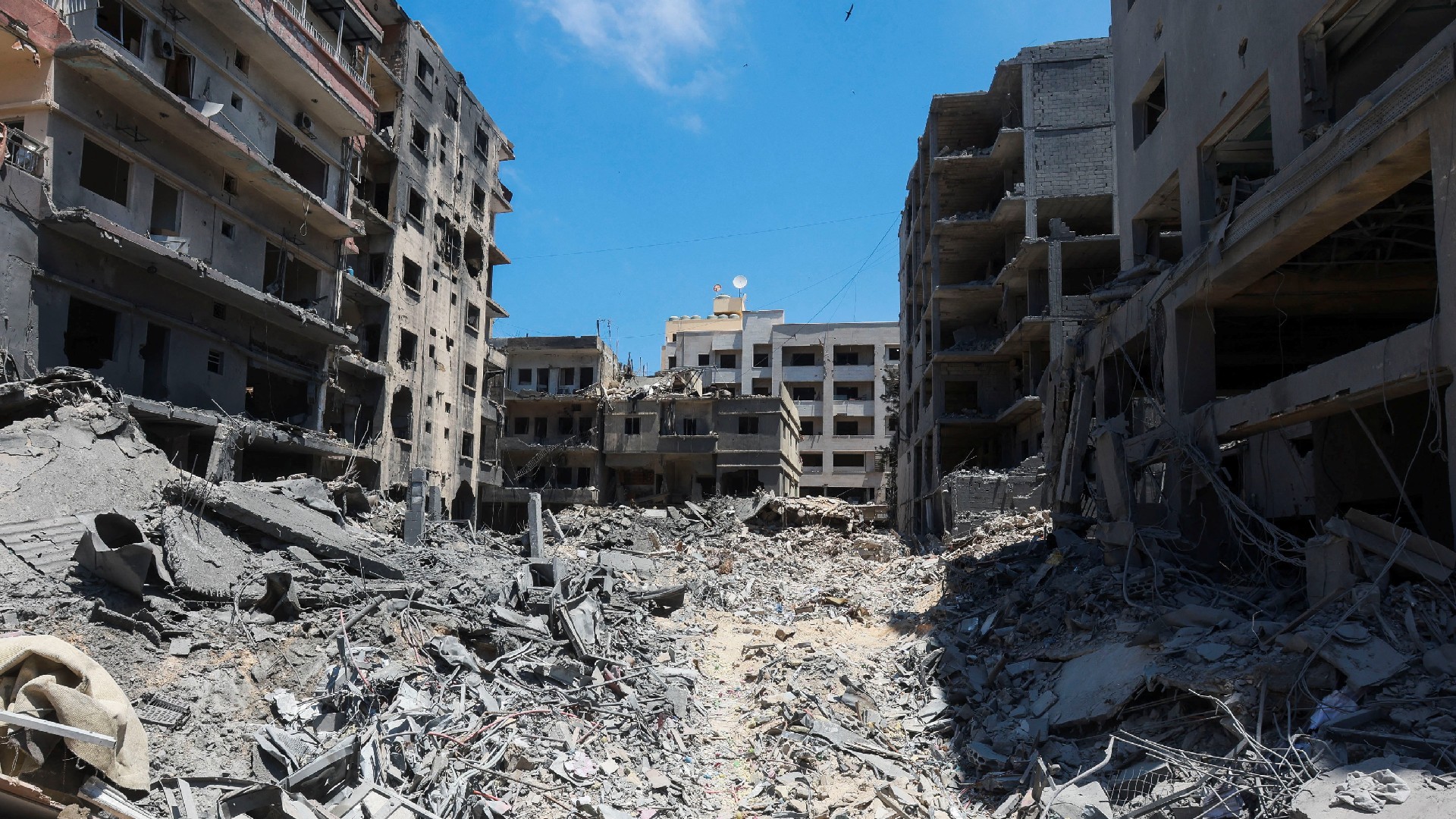
That was when the “axis of resistance” finally met another regional dynamic head-on: an expansionist Israel that was increasingly willing to strike first against its adversaries. What has transpired over the past three intense years of war—in Gaza, Lebanon, and Iran—has been the collapse of Iran’s deterrent strategy. The axis was Iran’s first line of defense in its grand strategy against Israel and the United States. But the axis’s forward strongholds were no longer protecting its core; it was no longer possible to keep war away from Iran’s borders.
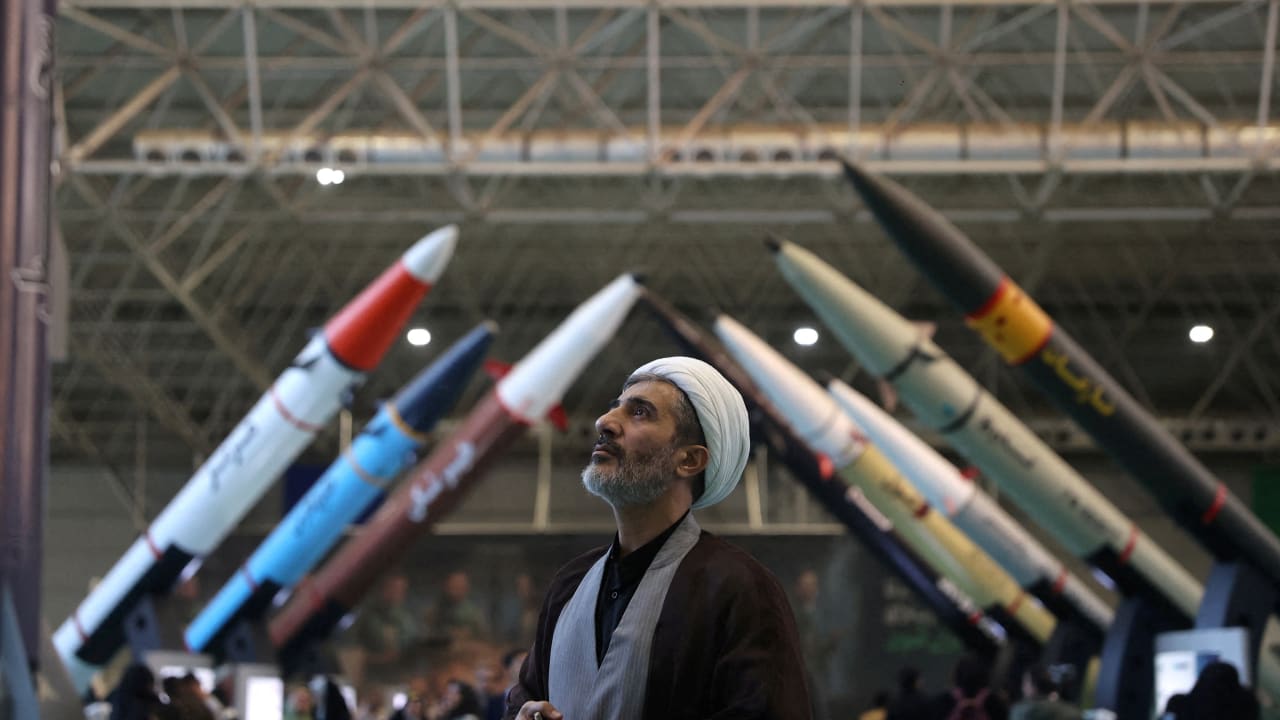
Iran entered a new era, one that necessitated a rethinking of its grand strategy for confrontation and even survival. Iran’s previous strategy, based on containment and strategic patience, has not survived the current war. Tehran has instead been forced to rely on what had previously been its second and third lines of defense. The second line consisted of its missile and drone arsenal, and the third relied on its geographical superiority: vast expanses of land; mountainous terrain; and, most importantly, the Strait of Hormuz and its significance for global trade.