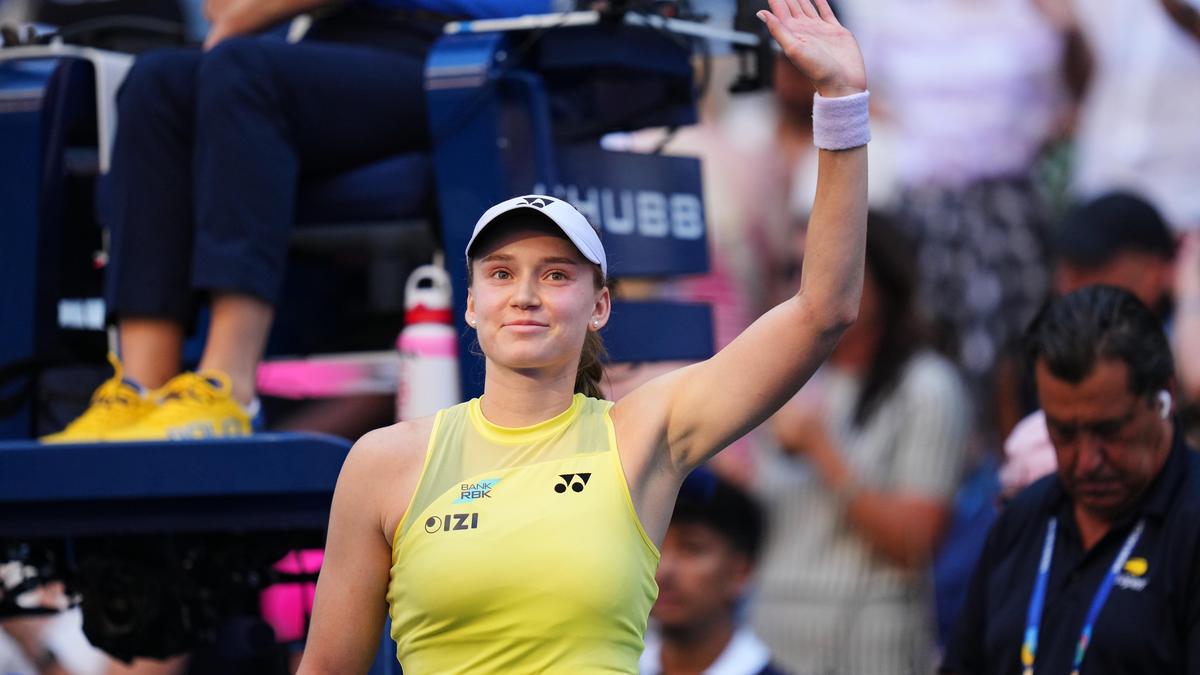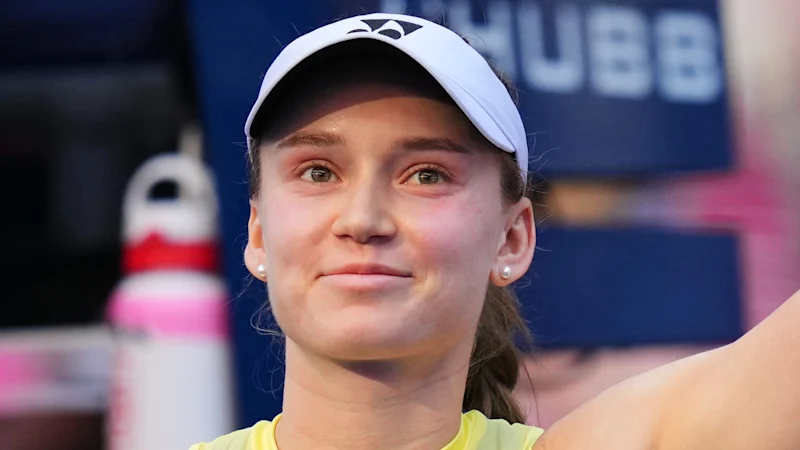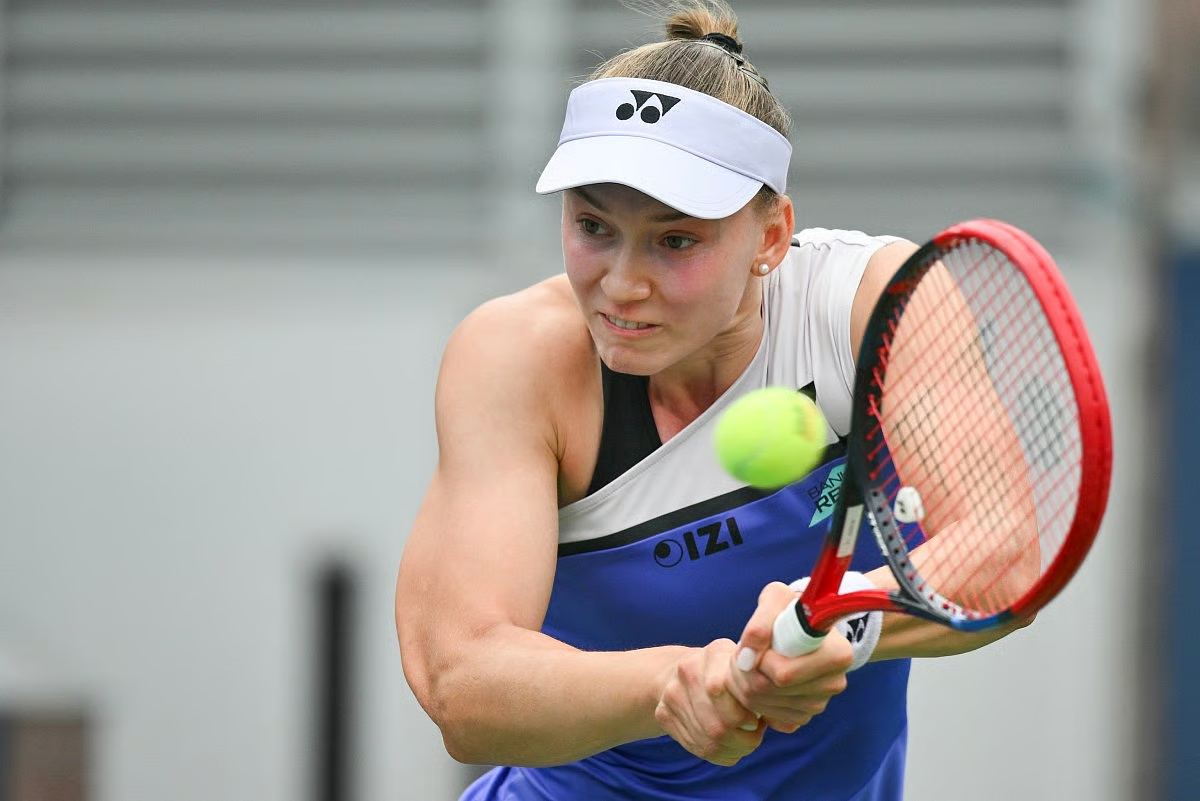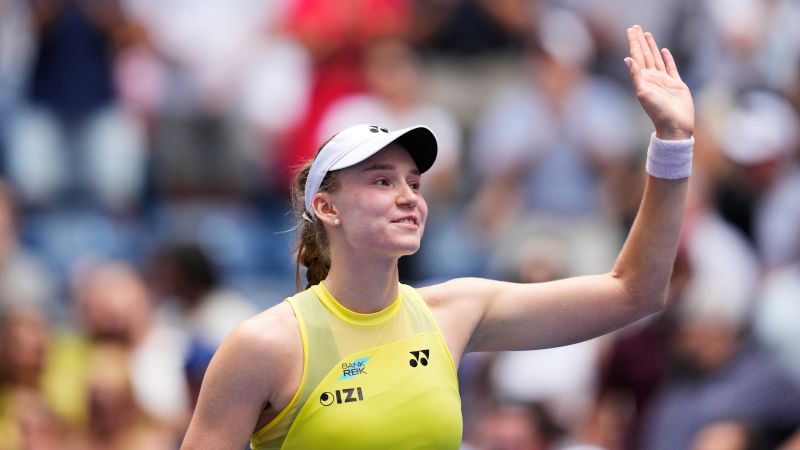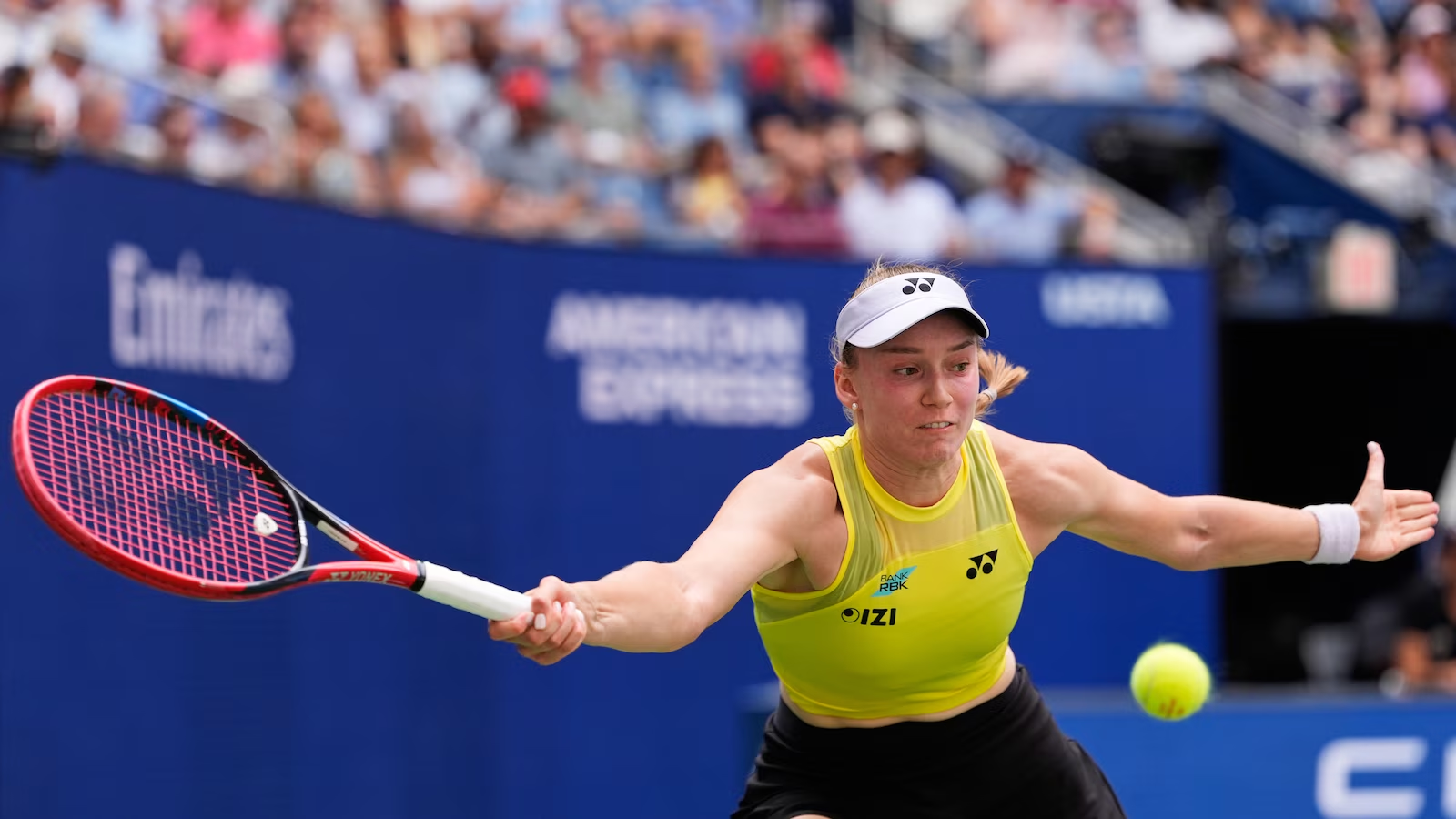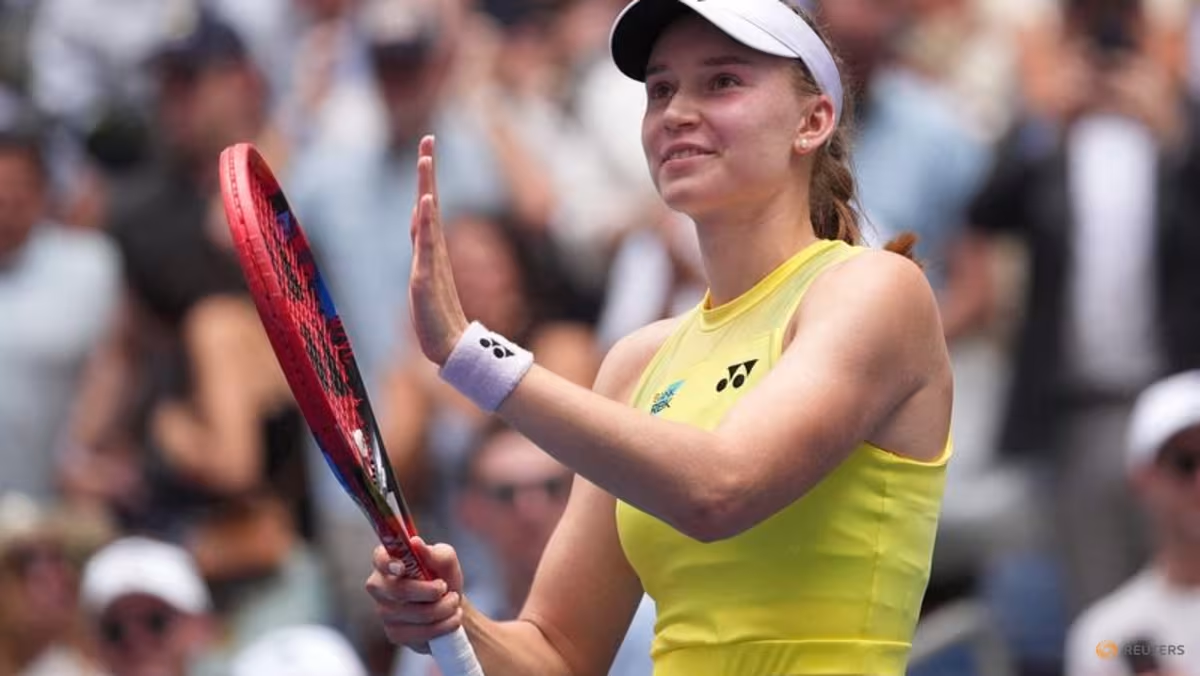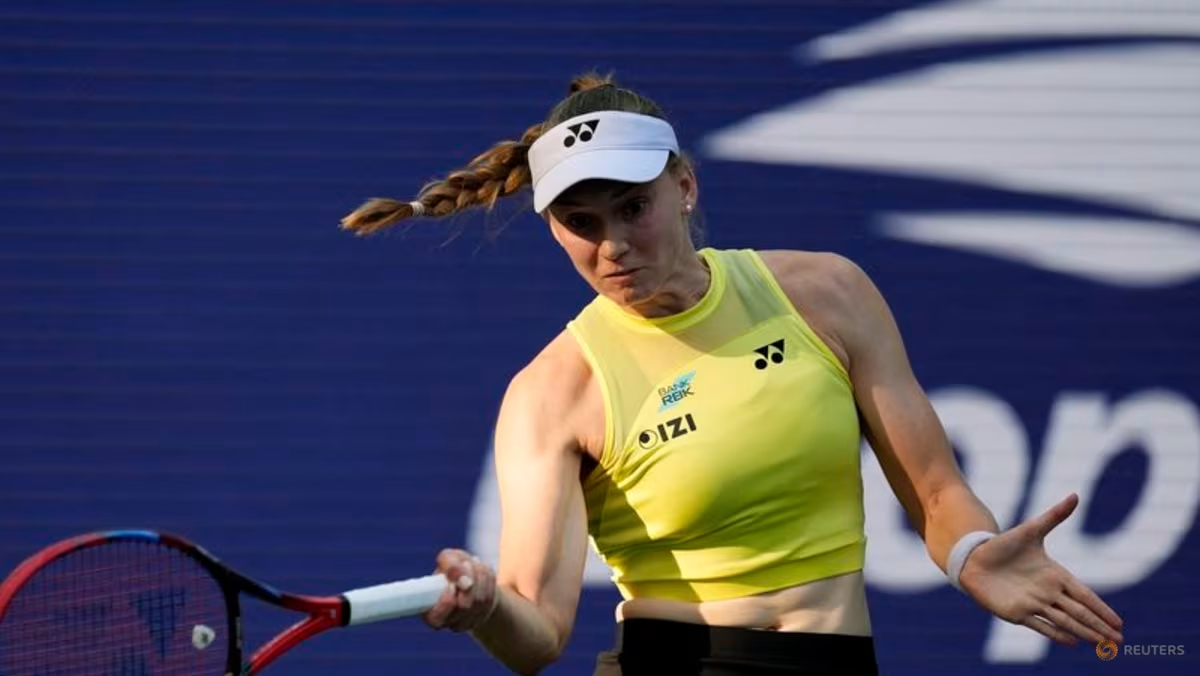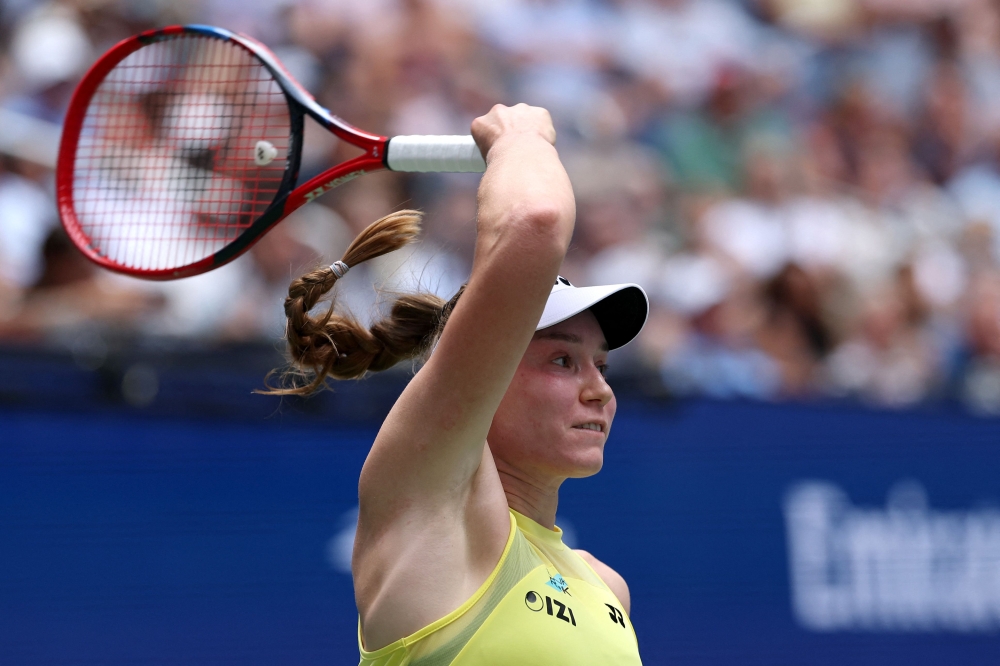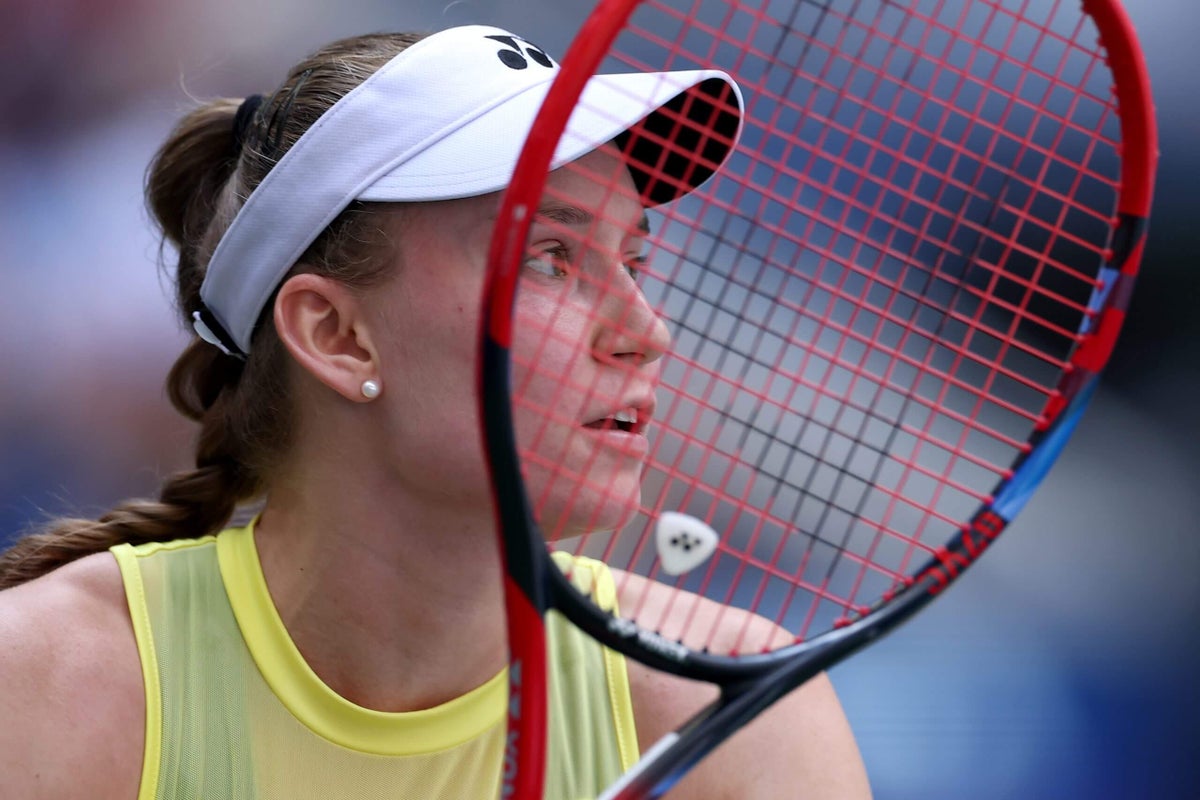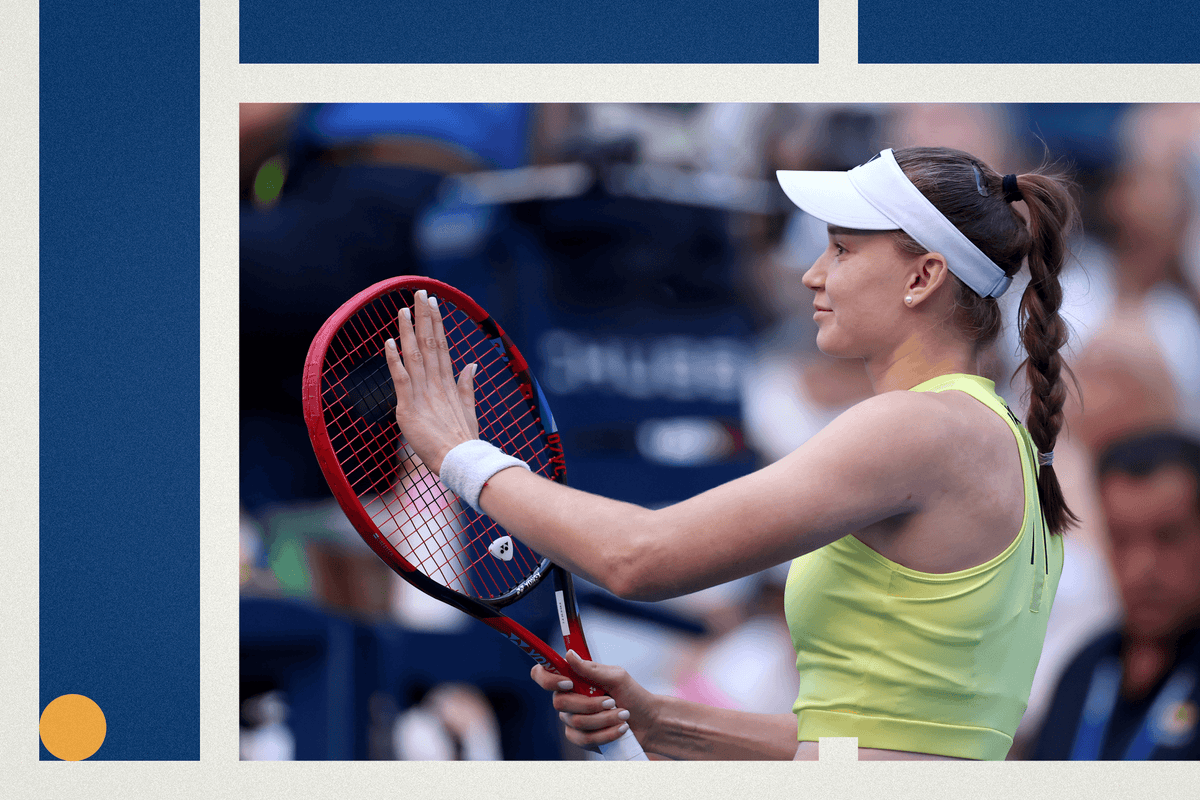
The Athletic has live coverage of the 2026 U.S. Open. Welcome to the U.S. Open briefing, where The Athletic will explain the stories behind the stories on each day of the tournament.On Day 9, a big move at the top of the women’s game, two epic men’s matches and some surprising doubles drama.What took Elena Rybakina to the cusp of a career milestone?For someone who didn’t play the entire week before showing up at the U.S. Open, Elena Rybakina should be ecstatic with her results. The No. 2 seed beat Naomi Osaka, 6-1, 6-4 in a brisk 61 minutes Monday to advance to an enticing quarterfinal matchup against Zheng Qinwen, who defeated Iga Świątek 7-5, 6-3 with yet another comeback win after trailing 5-0 in a set.That puts Rybakina one win away from clinching the No. 1 ranking. She will take the top spot no matter what Aryna Sabalenka, Jessica Pegula and Coco Gauff do, as long as she reaches the semifinals.Rybakina said that opportunity played no part in her decision to play the U.S. Open after she pulled out of the Cincinnati Open last month with a left Achilles injury.“I never want to miss the tournaments. No matter where I go, I want to win,” Rybakina said in a news conference.She’s playing well enough that she could win her first title in New York, though Monday was hardly a revealing test.What might have been an exciting matchup between two power hitters was instead a straightforward drubbing, largely because Osaka couldn’t serve at full power. She’s been struggling with an injury in her left Achilles area since before Wimbledon and wore visible black strapping against Rybakina.Osaka said she had an ultrasound on the injury Sunday and will likely have an MRI exam Tuesday to find out about the precise nature of her ailment.“I can’t really push off like I want, and when I land, it hurts a little. I was trying to figure out ways to, I guess, minimize it. I thought if I served a little slower, the impact when I land would be less,” Osaka said.— Ava WallaceHow do tennis rankings work?Ava Wallace and Lia GriffinHow did the good kind of late-night tennis show up?For all the late nights the U.S. Open has already had this year, Monday was the first that actually felt like classic late-night tennis in New York.Crowds haven’t been sticking around much for matches that have ended in the wee hours of the morning. But Monday hit a sweet spot: two five-set battles went just late enough, ending around 10 p.m.One involved American Learner Tien, with the 20-year-old bidding to become the youngest American male quarterfinalist at Flushing Meadows since Andy Roddick in 2002. He lost to former U.S. Open semifinalist Karen Khachanov, 7-5, 4-6, 7-6(8), 6-1, 6-4, in a match played on a hyped-up Louis Armstrong Stadium.It was full of long, taut rallies that earned standing ovations from a rowdy crowd, especially down the stretch as Tien first led by a break in the fifth set, and then tried to keep Khachanov at bay as he came back. The American managed to do so — until the very last point.There was a big cheer when Khachanov won despite the fact that he was clearly not the crowd favorite — the fans’ way of thanking him for his part in a great night of entertainment — as Tien hurled his racket to the ground in the frustration of a job so nearly well done, before sitting at the side of the court to console himself.Learner Tien was devastated after a close loss to Karen Khachanov. (Matthew Stockman / Getty Images)Khachanov will face Alexander Blockx, the rising Belgian No. 28 seed who took down the No. 24 seed, Argentina’s Francisco Cerúndolo, 6-3, 4-6, 7-5, 7-5. Blockx, 21, said in a news conference that he came close to retiring during the third set after struggling with sharp rib pain. He took some medication during a medical timeout, he said, and hopes to be fit to play Russia’s Khachanov Wednesday.
U.S. Open recap Day 9: Elena Rybakina moves one win from world No. 1 as quarterfinals are set
Rybakina defeated two-time U.S. Open champion Naomi Osaka to edge closer to the top spot in women's tennis.
1,598 words~7 min read