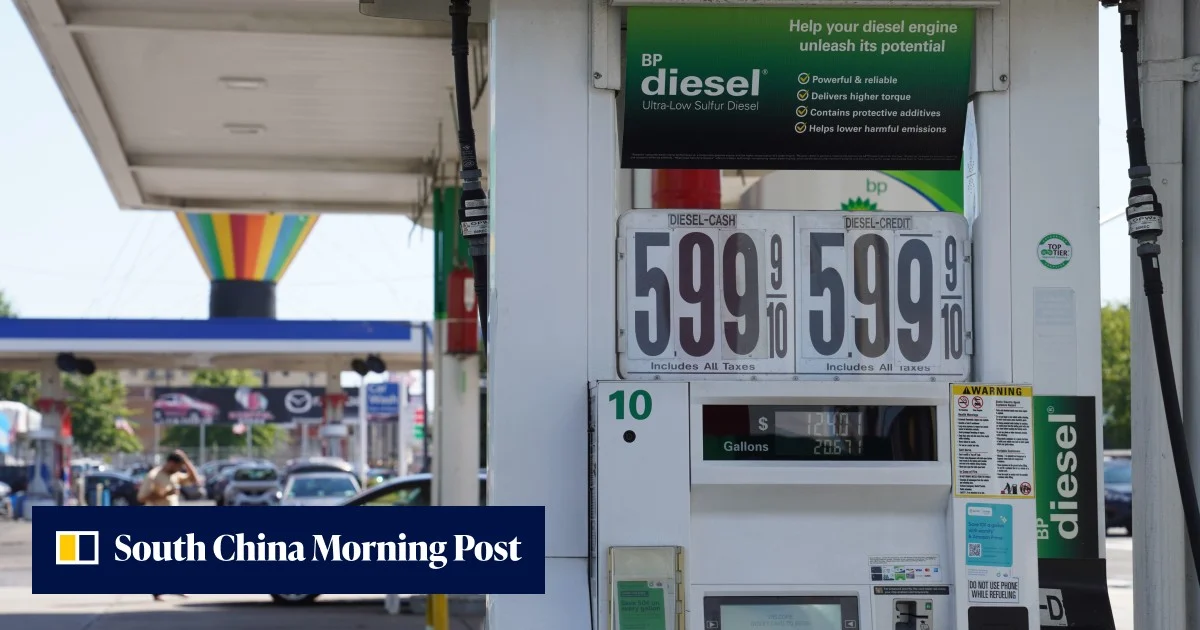
Heightened geopolitical tensions are pushing global crude benchmarks towards the critical US$100-a-barrel threshold, and investment banks have lifted their end-2026 price forecasts, dampening import appetite in China – the world’s largest net crude importer.Saudi Aramco oil installations at Jizan, home to a 400,000-barrel-per-day refinery, were attacked on Monday, the Financial Times reported, with authorities assessing the damage.Iranian-backed rebels had yet to claim responsibility for the latest attack, according to the report.In the wake of the report, global crude markets saw renewed bullish momentum on Monday. Brent futures surged past US$98 a barrel during intraday trade. The benchmark edged higher in Tuesday afternoon trading, reaching its highest mark since June and getting close to the US$100 barrier.Ongoing conflicts, as well as disruptions to shipping through the Strait of Hormuz, have provided additional support for elevated crude prices.“Neither the US nor Iran has the willingness or capacity to escalate the existing conflicts, meaning negotiation channels will reopen,” said Zhao Xuyi, analyst at Shanghai-based Guotai Junan Futures. “Yet, talks can only de-escalate conflict intensity – they cannot resolve disputes over control of the Strait of Hormuz or other underlying frictions.”02:58How China’s energy structure cushions the blows of global oil crisis
Oil prices near US$100 a barrel as Saudi oil facility attack raises supply risk
Geopolitical tensions and strikes on energy infrastructure are tightening supply expectations, threatening to push oil higher and curb China’s appetite for imports.
197 words~1 min read