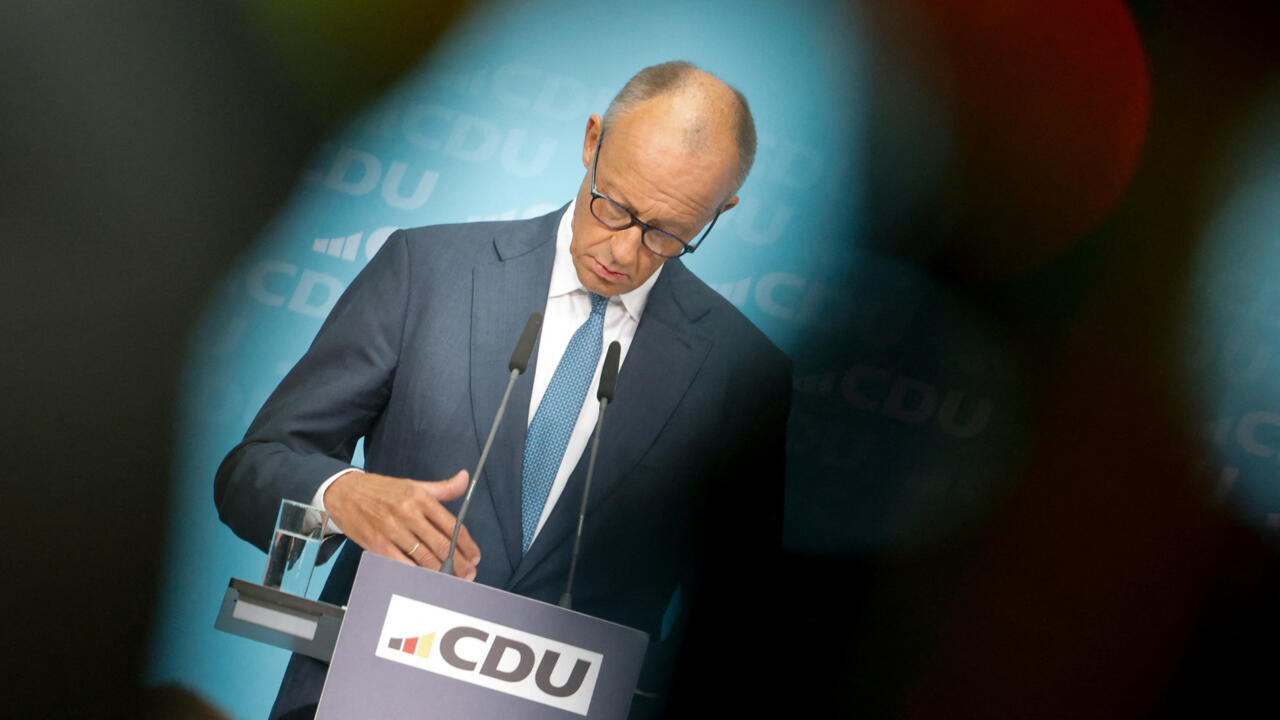
"Yesterday's result has changed not only Saxony-Anhalt, but Germany as a whole," the downtempo chancellor told reporters in Berlin on Monday afternoon as he attempted to pick up the pieces of a disastrous election in the country’s east. "There will have to be consequences," he said.
As a reminder: The far-right, anti-migration Alternative for Germany (AfD) won 43.8% of Sunday’s regional vote, which is more than double its showing five years ago. That was far ahead of Merz’s party, the centre-right Christian Democratic Union of Germany (CDU), which polled 17.2% — losing about half its support — and winning 15 seats. The rest of the seats were divided between the centre-left Social Democrats, Greens, the Left Party and BSW.
In short, this was a mammoth loss for Merz’s party and his leadership, while serving as a major victory for the AfD. Former German government spokesperson Béla Anda just told Europe Today that it is going to be “very hard” for Merz to regain control of the political situation going forward. Watch.
As my colleagues Luca Bertuzzi and Vincenzo Genovese write in this must-read analysis, this landslide victory for the AfD may mark the first real crack in the power structure that has held European politics together since World War Two. For Germany, however, the result raises major questions about who can best govern Europe’s largest economy, as it struggles with sluggish growth and an increasingly divided population.