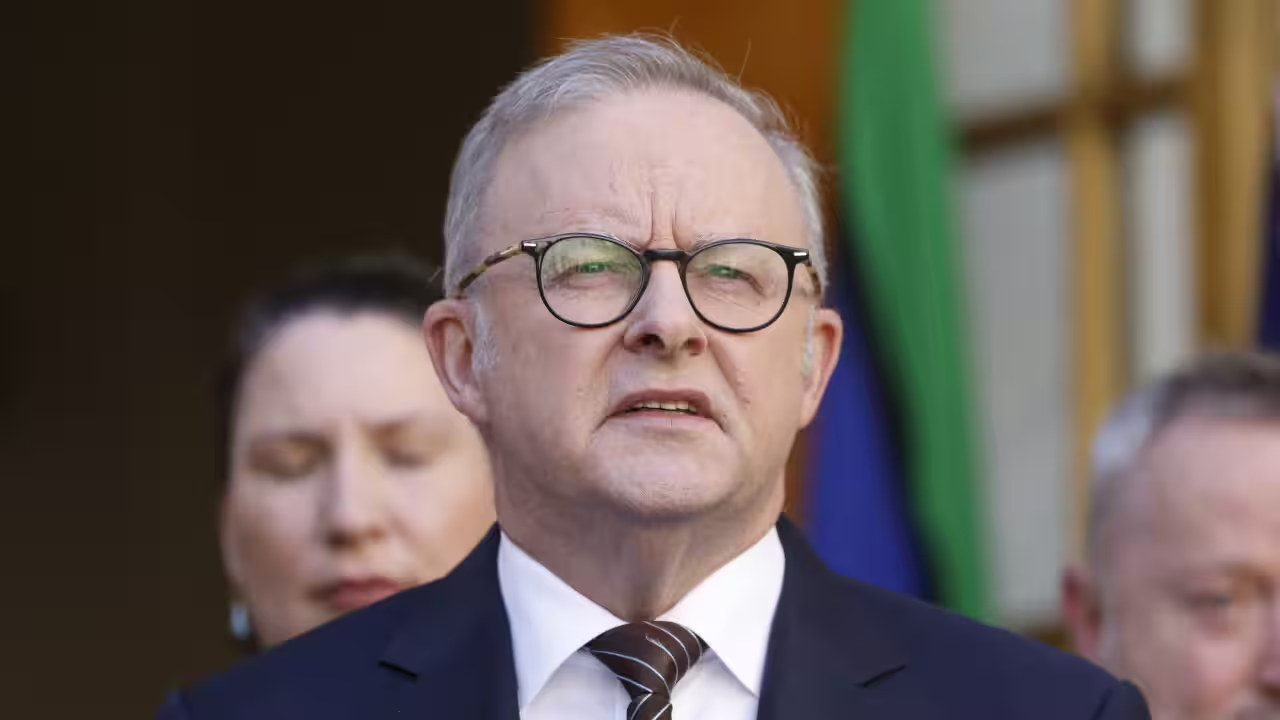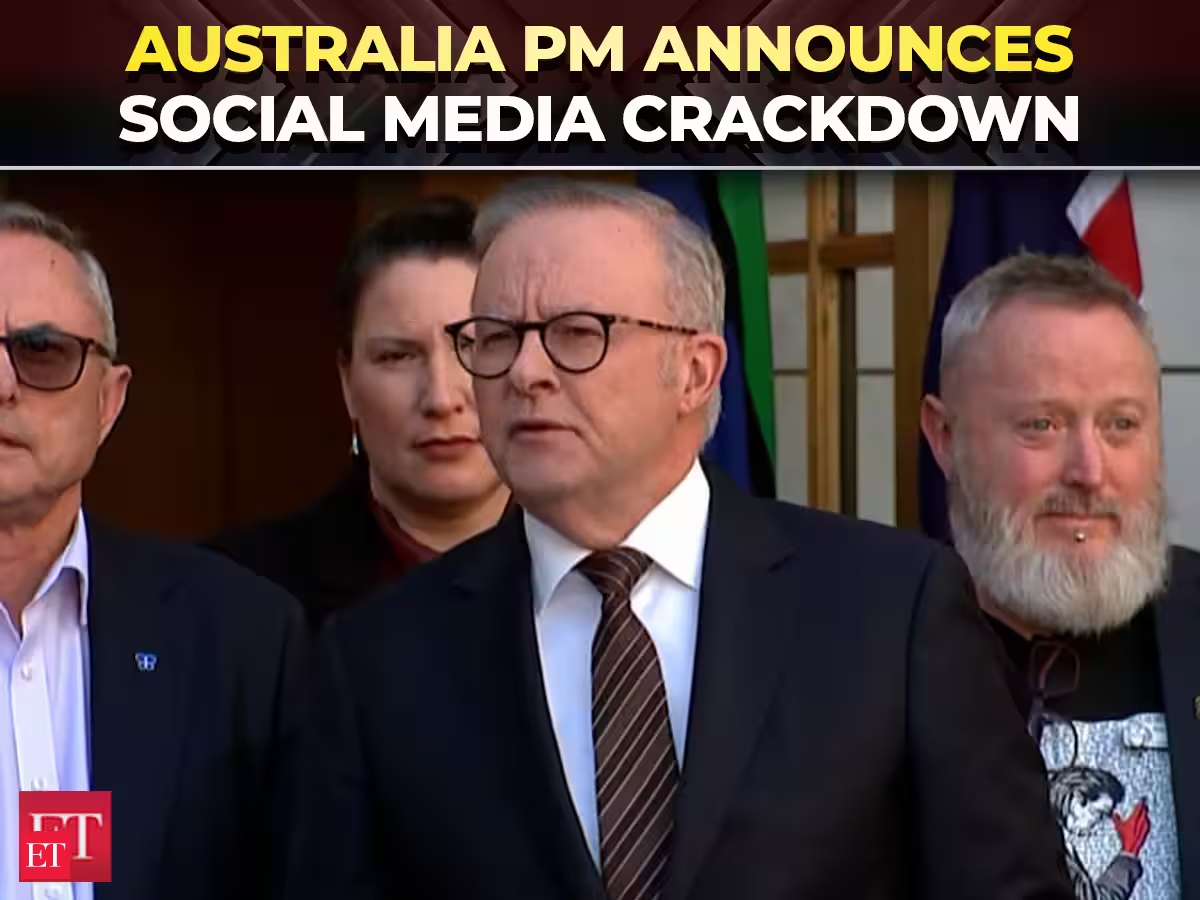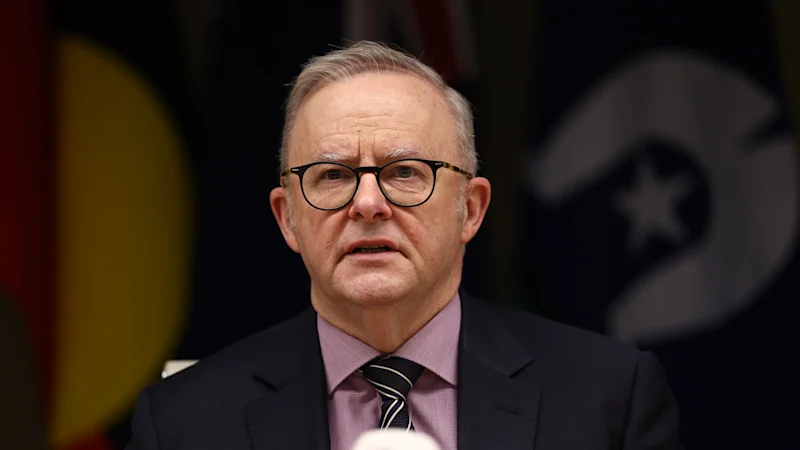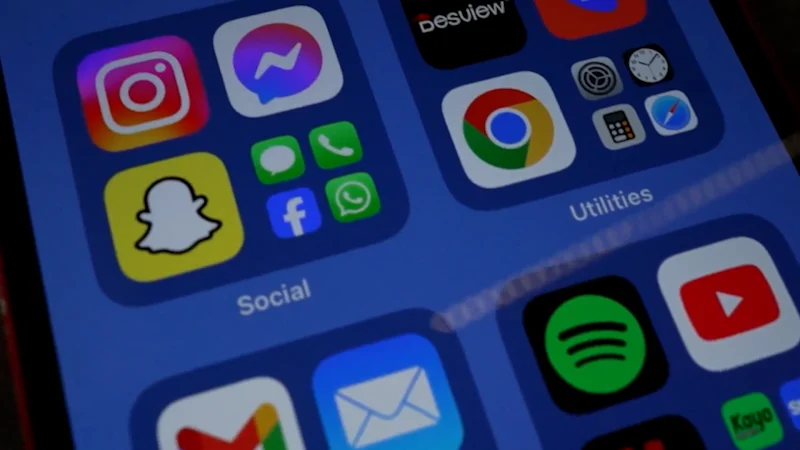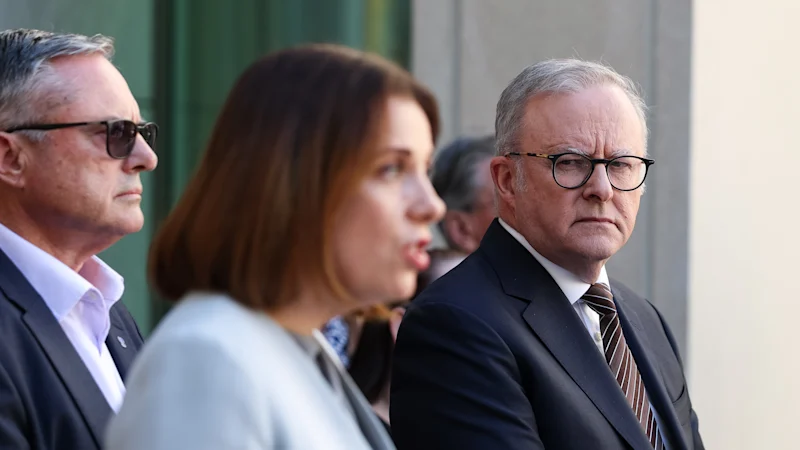
September 8, 2026 — 3:59pmAnthony Albanese is pitching Labor’s Digital Duty of Care laws as a way to protect Australians from online harm and give them more control over the content they see.“If people want to doomscroll … that’s fine. That’s up to them,” the prime minister told reporters in Canberra on Tuesday. “But if people want to have a change, then this will provide them with the opportunity.”Anthony Albanese announced the proposed laws in Canberra on Tuesday.Alex EllinghausenSo, what is in the proposal?The platforms captured by the Digital Duty of Care lawsAlbanese said the proposed laws would put the onus on tech giants to provide a safe online environment.Social media platforms, AI chatbots, search engines and apps will all be captured under the reforms.Instead of criminal activity needing to be reported and investigated individually, the laws mean tech giants will have a responsibility to proactively protect users from that kind of content being shared.What kind of content is the government cracking down on?Communications Minister Anika Wells said illegal activity – such as child abuse, terrorism, and violence – would be captured, as well as content that posed serious dangers to children.Labor outlines five key harms to children that companies should prevent under 16s from seeing. These include pornography, promoting disordered eating, encouraging “hostile attitudes towards women or gender equality”, glorifying crime or dangerous stunts, and bullying or harassment.Wells gave the example of a chatbot giving a teenage girl advice about how to eat 600 calories a day, or content that claims women are equal to animals.Platforms will also be required to remove addictive design features “that have negative behavioural impacts” for those aged under 16.How will social media algorithms change?Australian adults will be able to choose whether they want an algorithm-driven social media feed under the “My Feed, My Way” initiative, Albanese said.Algorithms push content into a person’s feed based on their online activity and personal data. Experts have sounded the alarm on problematic content platformed by tech giants because it gets clicks – one study showed it takes just 23 minutes for misogynistic content to be suggested to a new male profile.Wells said the algorithm or follower-driven option would come in the form of a pop-up.Opting in to the algorithm means choosing to be fed personalised content, while opting out of the algorithm means only seeing content from the people and pages you follow.Some social media platforms already contain an opt-out feature following an attempt from the European Union to crack down on algorithms. But tech giants have been criticised for making them difficult to find or disincentivising uptake by impairing other in-app functionality.Expanded take-down powersThe eSafety commissioner will be empowered to order nudify apps, which allow people to generate fake nude images, and their content to be taken down.The compliance timeframe for a take-down order will be halved to 24 hours.Previously, the commissioner was limited to acting on complaints made to the regulator. Under the new rules that requirement is waived.Offending content that is a screenshot and reshared will also be subject to take-down notices, and platforms will be required to provide a complaints process to users for dangerous content.Child protection, or government overreach?Labor ministers have been scathing about algorithms since the prime minister flagged an expansion of its online safety agenda last month.Opposition communications spokeswoman Sarah Henderson said last month that Labor must leave no stone unturned to protect Australian children from online harms, but senior Coalition figures have since sounded the alarm on free speech as they face fierce pushback from right-wing influencers.Albanese on Tuesday insisted the measures were about consumer choice, not regulation.“This is not about giving government control. It’s about giving people control. It’s about putting choice back into the hands of Australians online,” he said.Labor will need the support of either the Greens or Coalition to pass the legislation through the upper house.The unanswered questionsIt remains unclear where the threshold for harm lies.Take misogyny, for example. Wells says rhetoric that equates women with animals would be captured by the reforms, but what about advocating for women to be excluded from the workforce?From our partners
What the Digital Duty of Care bill means for you
Anthony Albanese says the “my feed, my way” initiative will give Australians control over their social media. How will it work?
682 words~3 min read