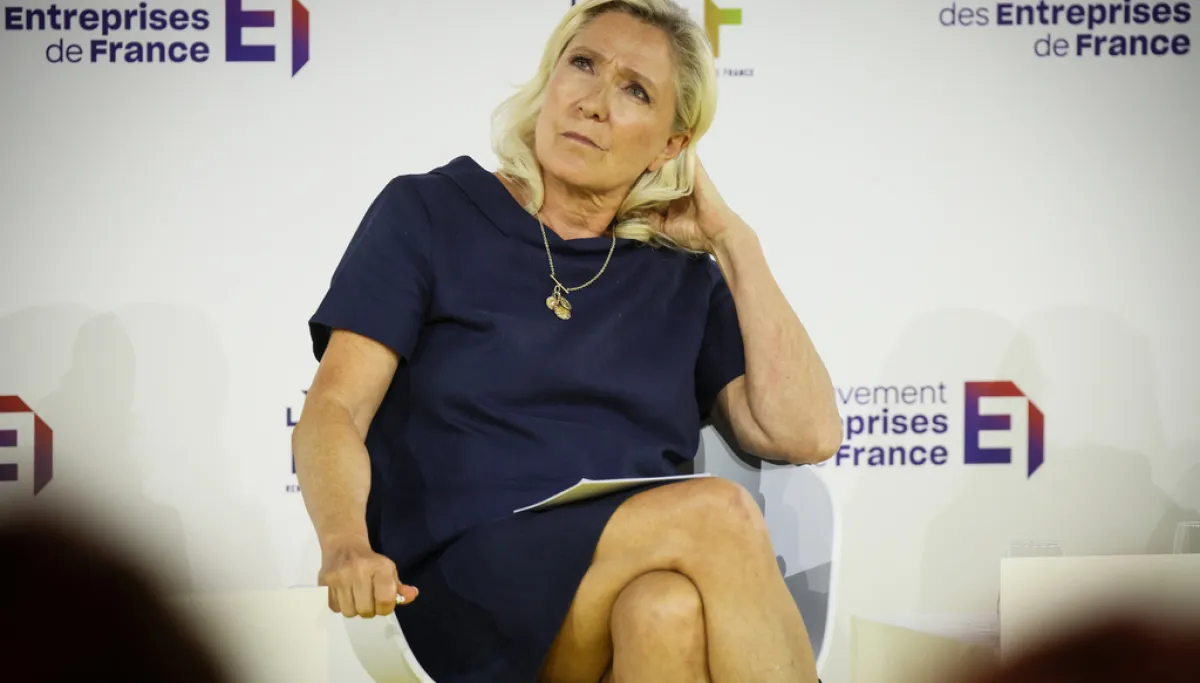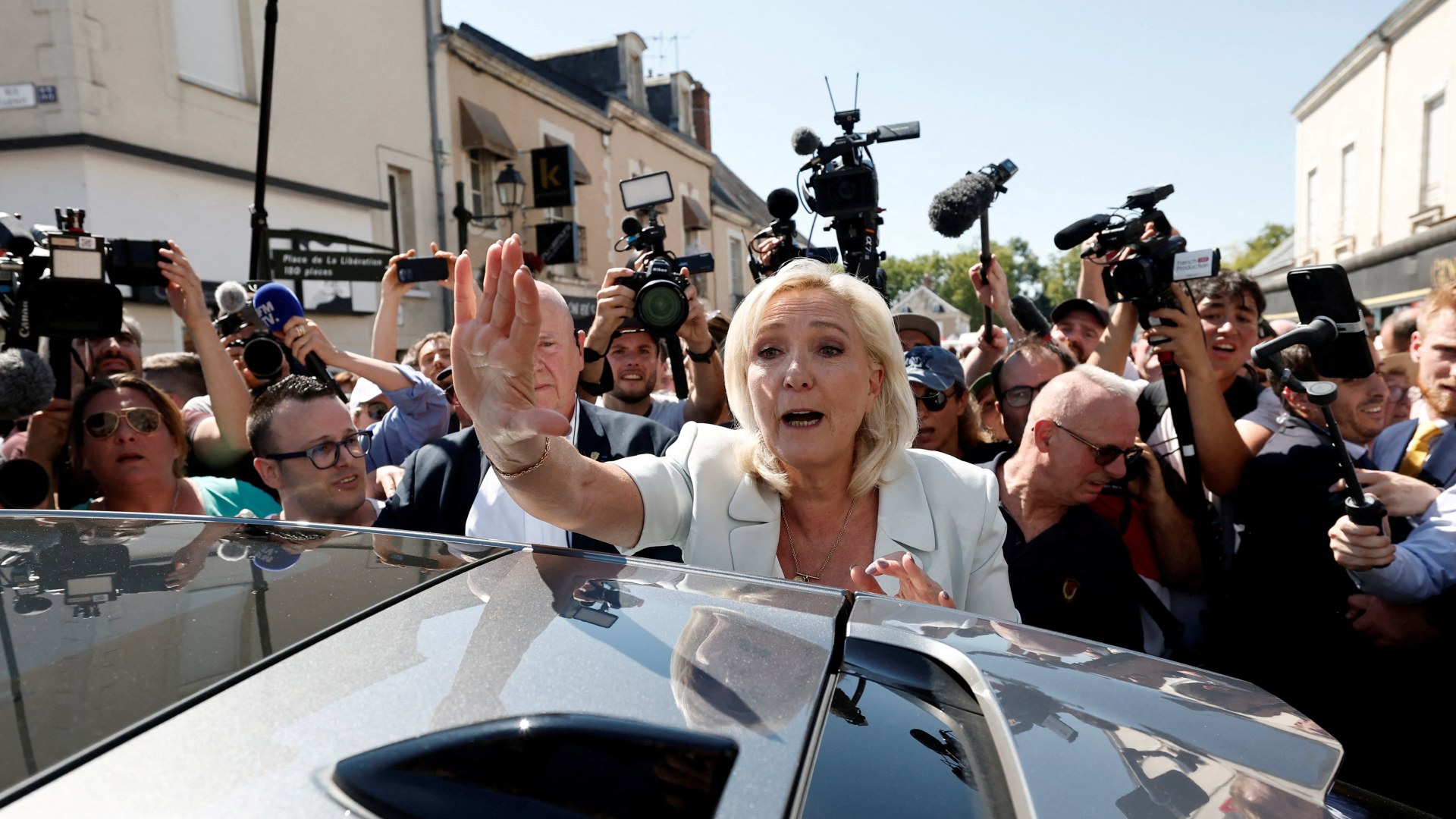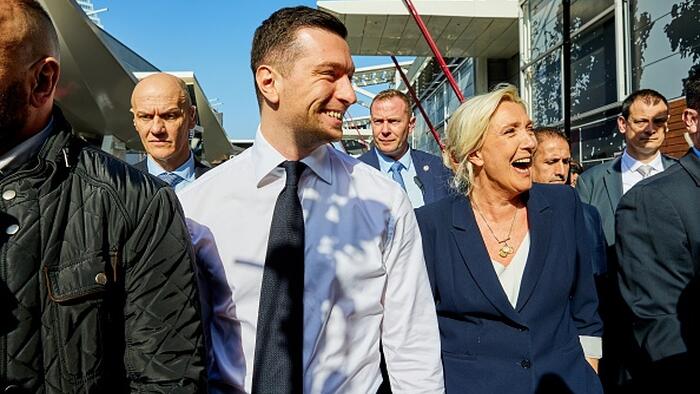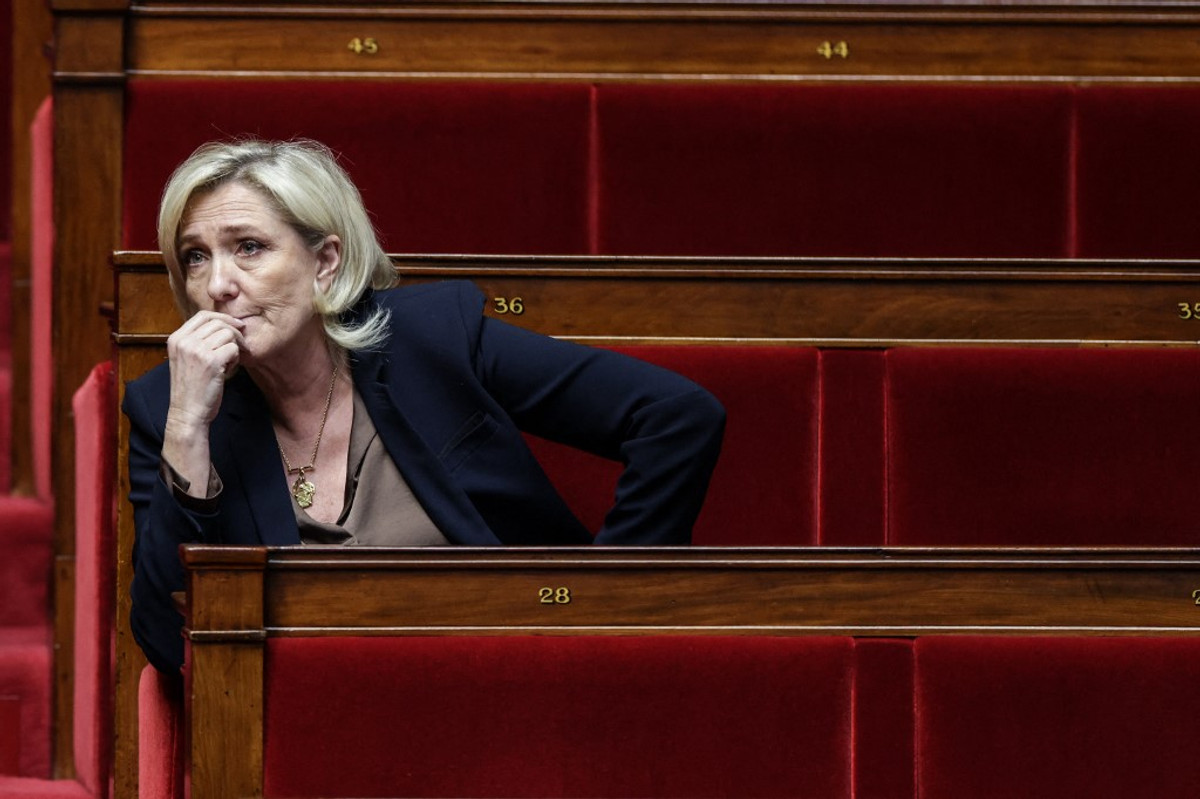
Marine Le Pen no longer needs an electoral breakthrough to reach the second round of France’s presidential election. What she needs is for the rest of the field to remain divided. France will vote on April 18, 2027, with a runoff between the two leading candidates on May 2, according to France’s official election calendar. President Emmanuel Macron cannot seek a third consecutive term.JOIN US ON TELEGRAMFollow our coverage of the war on the @Kyivpost_official. A Paris appeals court has shortened Le Pen’s electoral ban, allowing her to run despite upholding her conviction for misusing European Parliament funds. She has appealed to France’s highest court, which is expected to rule before the election, Reuters reported. The latest Elabe polling places Le Pen at roughly 35% in the first round. Her nearest rival, former Prime Minister Edouard Philippe, remains below 21%. In a runoff, she narrowly leads Philippe and defeats every other tested opponent by a wider margin. What a Le Pen presidency can mean for Ukraine For Ukraine, the election is not an abstract contest between French parties. France is a nuclear power, a permanent member of the UN Security Council, and one of the EU’s two indispensable political heavyweights. The president is commander-in-chief, represents France internationally, and negotiates treaties. Parliament controls budgets and most domestic legislation, but the Elysee has exceptional influence over defense and foreign policy. Macron has moved France well beyond general declarations of solidarity. Paris supports weapons deliveries, sanctions, Ukraine’s EU accession, and postwar security guarantees. France and Britain are also leading preparations for a multinational force that could deploy after a ceasefire, according to the Coalition of the Willing declaration.
Marine Le Pen Leads Every 2027 French Election Scenario. Can Anyone Stop Her?
Marine Le Pen is the clear favorite to reach France's 2027 presidential runoff and now leads every tested opponent in runoff polling. For Ukraine, the central question is whether her post-2022 break with Vladimir Putin can survive the powers of the presid
2,333 words~11 min read