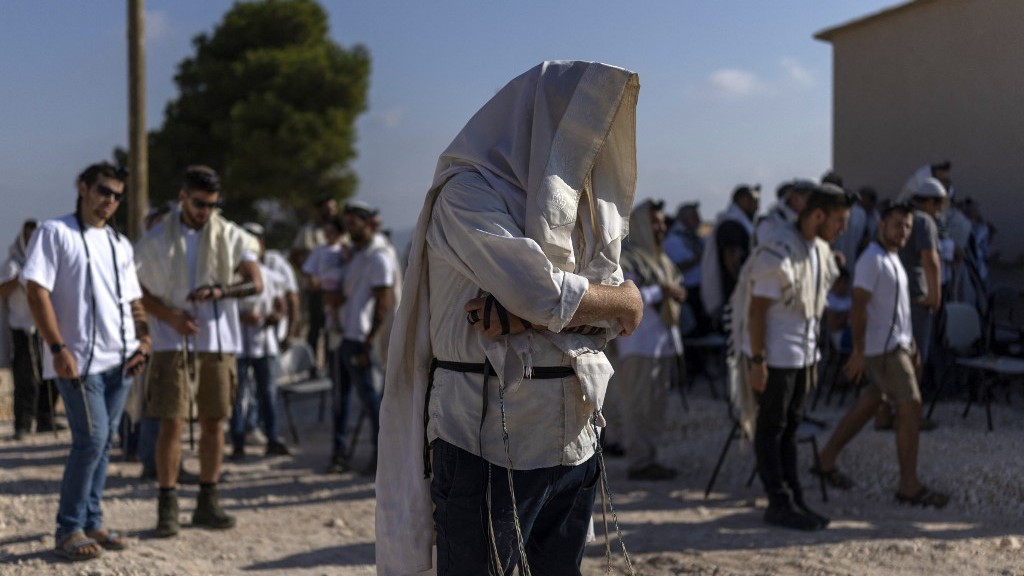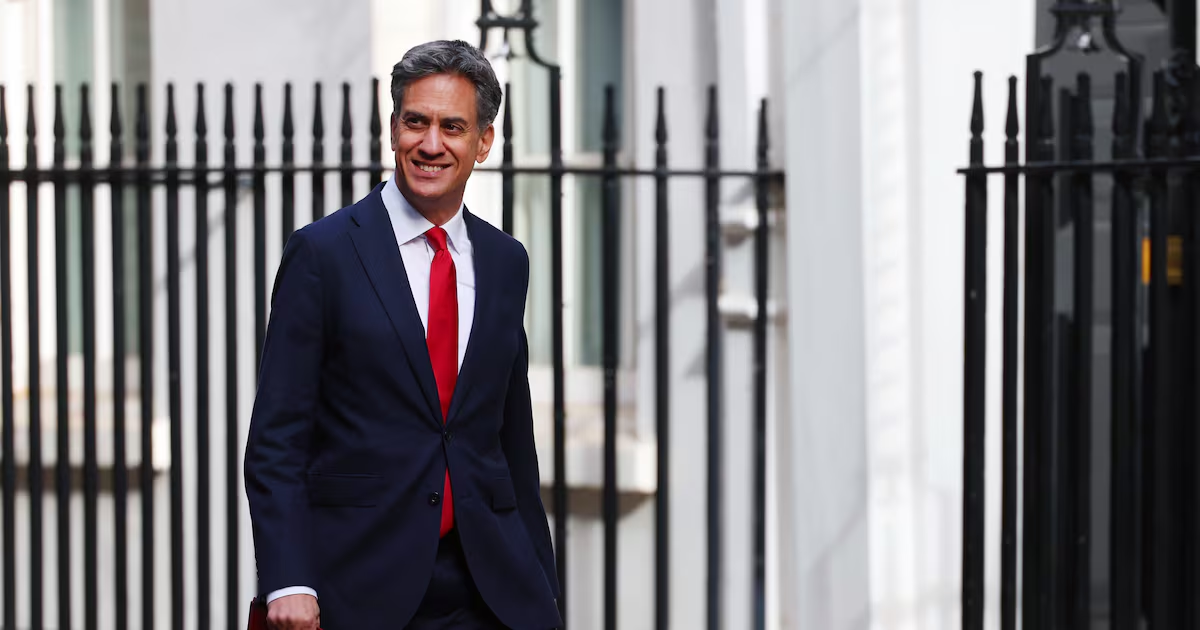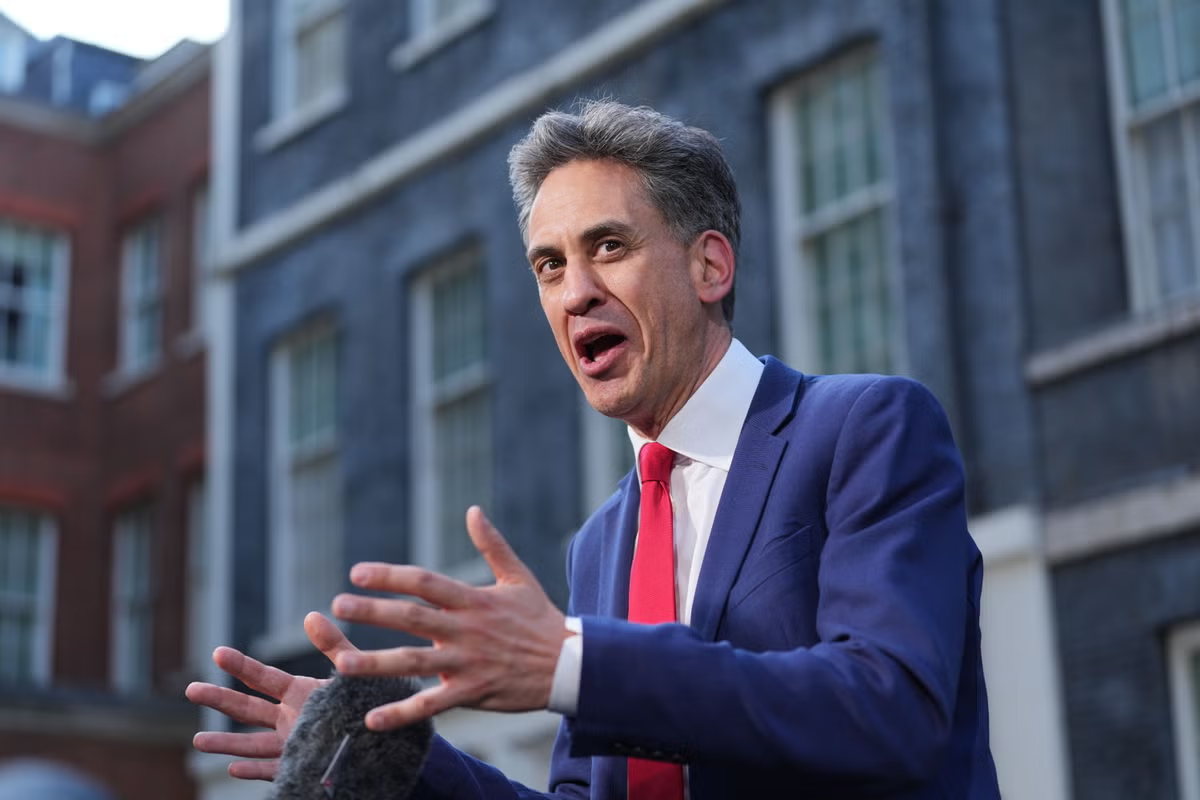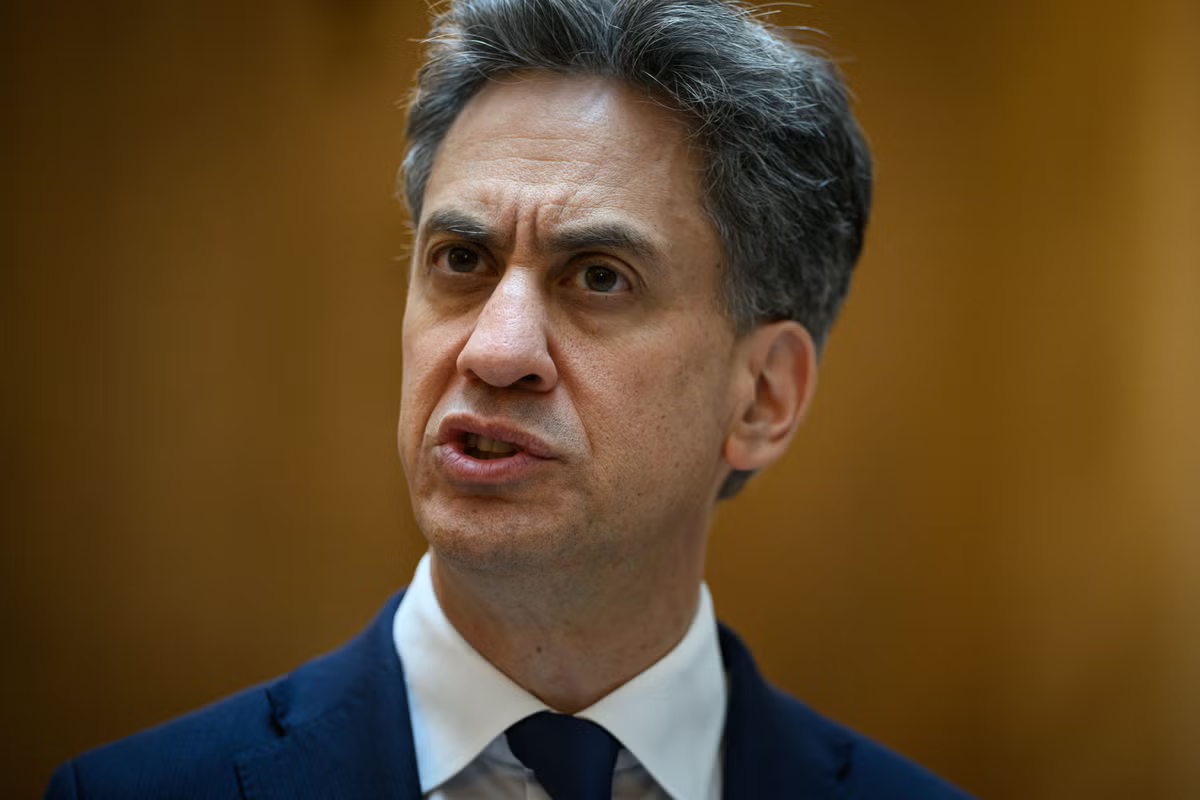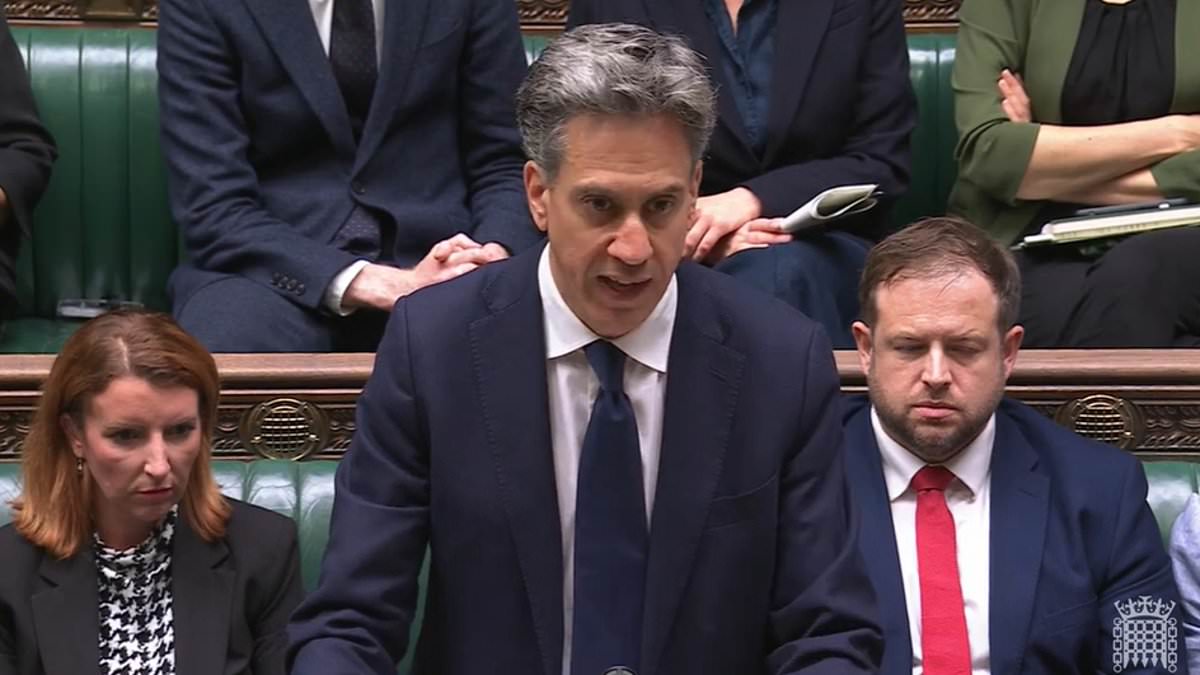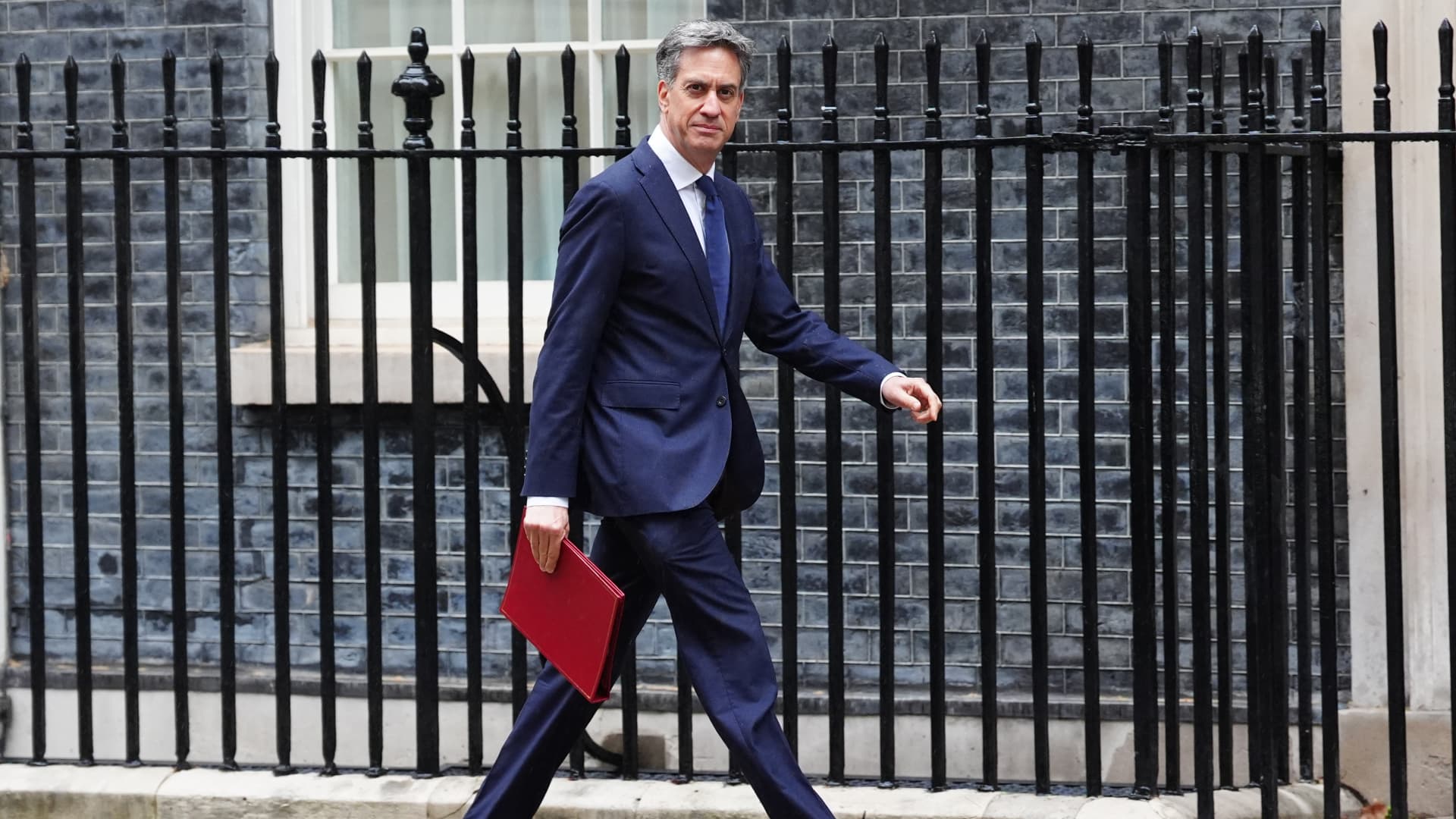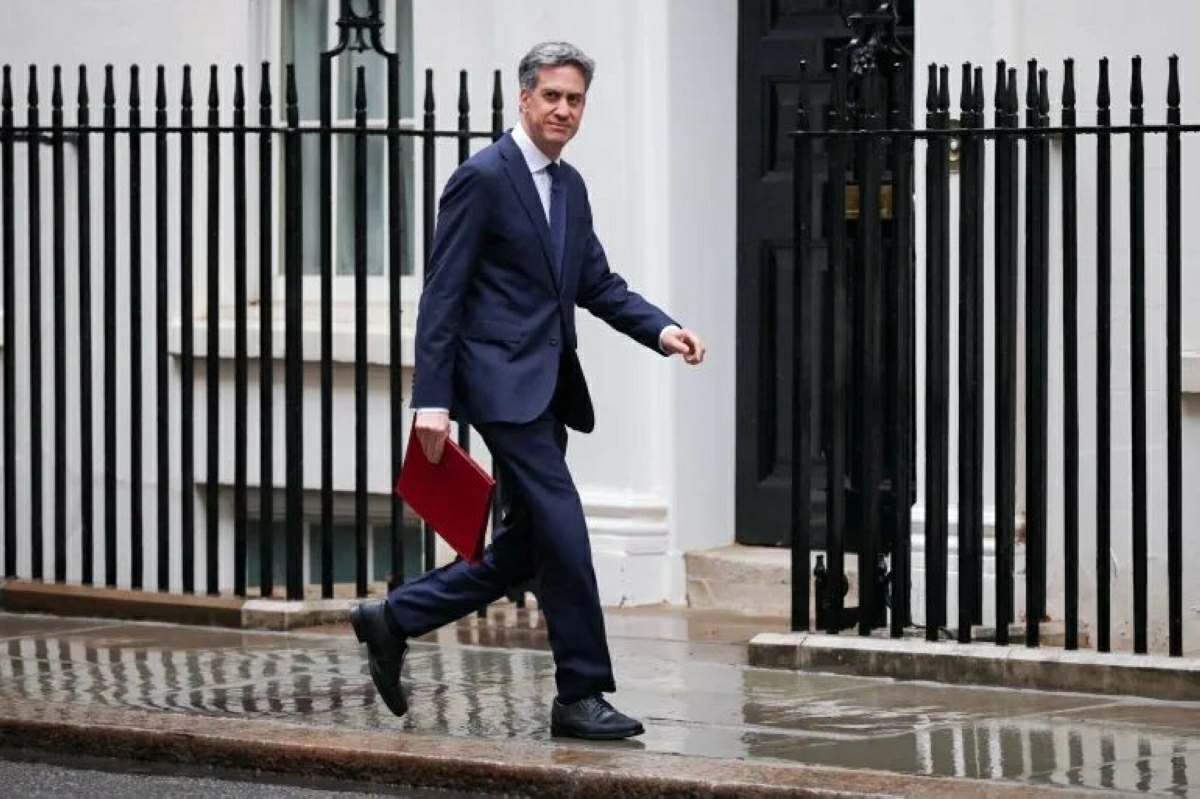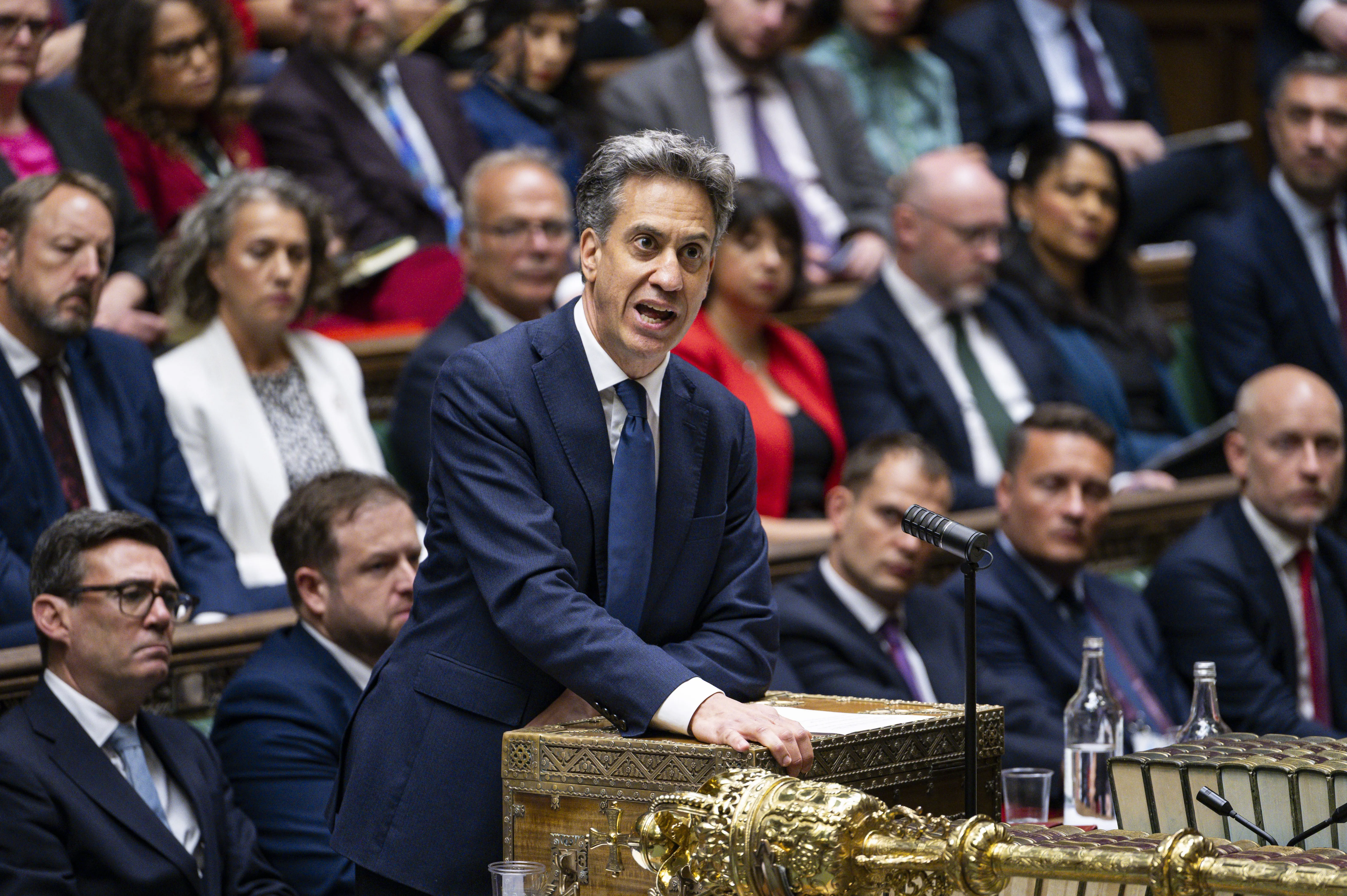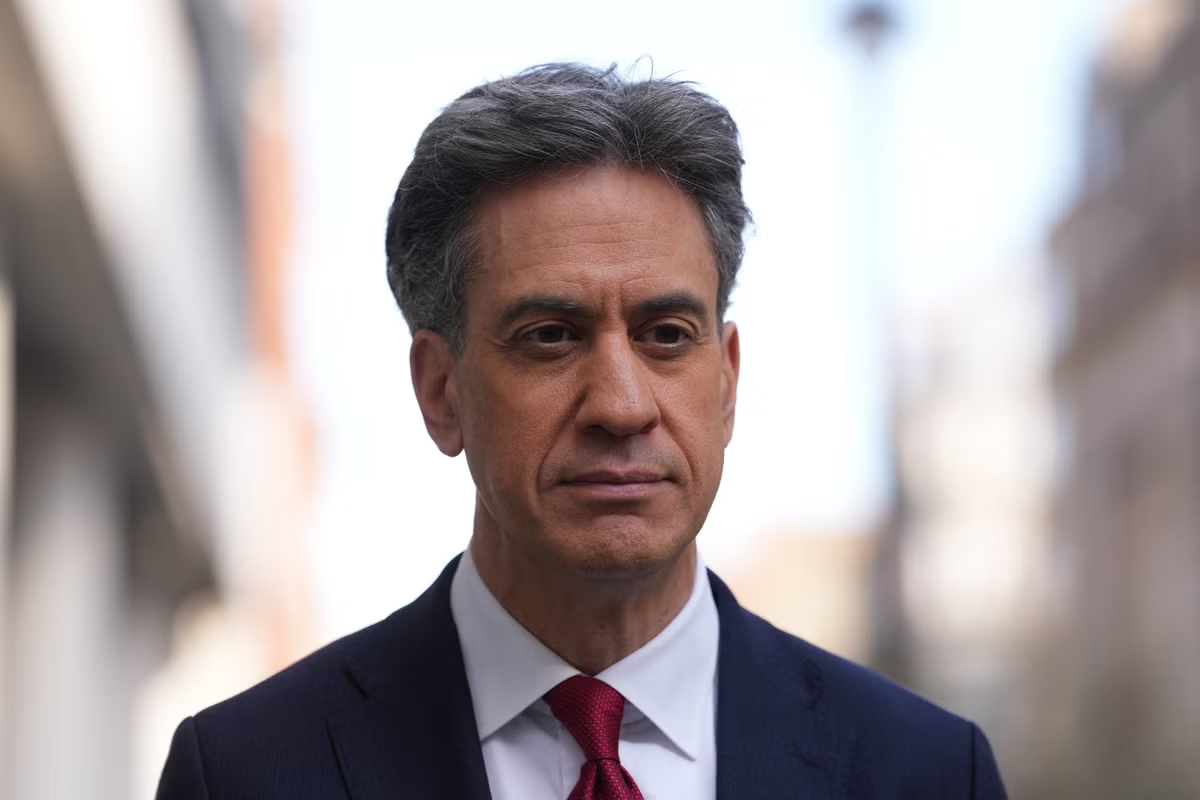
Britain is preparing to announce one of the most significant foreign policy interventions in Israel and the occupied West Bank, with sanctions to be imposed on businesses and settlers linked to illegal Israeli settlements. UK Foreign Secretary Ed Miliband is expected to set out measures designed to protect the viability of a future Palestinian state and deter Israel’s advanced settlement plans, including the E1 area near Jerusalem. Labour MPs and other figures have told The National that they welcome the step, but there are concerns among some observers that it will lead to a further decline in diplomatic ties with Israel and potentially antagonise the US.“There has been a significant hardening of the view towards Israel in parliament, in general, and the parliamentary Labour Party specifically,” said Labour MP John Slinger, who previously worked in Middle East communications. UK Foreign Secretary Ed Miliband. Getty ImagesShow caption: UK Foreign Secretary Ed Miliband. Getty Images“The actions of the settlers and of the Israeli government haven't done anything to change that. If anything, recent actions have just made it more likely that parliament will be even more resolute.” In his view, the moral argument now outweighs the looming diplomatic consequences. “There comes a point in international affairs where you've got to do what's right morally and accept that there could be consequences," Mr Slinger said. But the sanctions must be “calibrated” carefully, he added. “There is legitimate trade with Israel, and we don't want to penalise British businesses," he said. "But if we allow this government, which contains extremists, to dictate the future of the region, it impacts on the whole world. So it's in the national security interest for the UK as well.” US sanctions threat Israeli President Isaac Herzog criticised the impending move. “This will prove to be a grave miscalculation, a decision that will fall on the wrong side of history, and a gross interference in the democratic elections of a sovereign nation,” he said on Tuesday. The threat of counter sanctions from Washington was raised by the hardline US ambassador to Israel, Mike Huckabee. The UK action will “do great damage” to British companies “who are doing business in a number of states in the US”, he told the BBC. While Mr Huckabee acknowledged that he did not yet know what the “repercussions or retaliations will be from the US”, he highlighted Florida, which has a law that if sanctions are imposed on Israel “then Brits will not be able to do business with any company or business” in the state. After accusing the UK government of “Jew hate” at the weekend, Mr Huckabee, who is close to US President Donald Trump, also called the pending sanctions “discrimination against the Jewish people”. Sharing intelligenceTom Tugendhat, the Conservative shadow foreign secretary, has also warned of the importance of British-Israeli intelligence co-operation in preventing terrorist attacks. However, Richard Pater, director of the British-Israeli Bicom think tank, believes that relationship should survive the political dispute. “It's clearly in both sides’ interests to maintain intelligence sharing, and the ideal scenario would be that the professional echelon remains beyond the boundaries of a political spat.” A Palestinian is watched by Israeli soldiers in the occupied West Bank. AFPShow caption: A Palestinian is watched by Israeli soldiers in the occupied…There is also a question about whether sanctions will actually work. “They're a blunt instrument, and they make noise, but I don't think they will curb the most difficult and challenging behaviour,” Mr Pater added. He warned that they could provide ammunition to Israel’s hard-right figures. “It's not inconceivable that right-wing parties can seize upon this and say, ‘Look how the world is against us.’” Charlotte Leslie, director of the Conservative Middle East Council, argued that the political message matters more. “Sanctions will have some material impact, but I doubt it will be felt very much in the settlements themselves," she said. "The value of this is really more in what it says about Britain's treatment of the rule of law.” She called the move “long overdue” and said that Britain had lost trust in the region by appearing weak on international law. “I think it's a really good thing for the perception of the UK among Arab states,” she added. “It will go some way to reassure them that [Prime Minister] Andy Burnham will take bold moves on the global stage.”
UK sanctions push on illegal Israeli settlements widens diplomatic rift | The National
Foreign Secretary Ed Miliband’s move will please Labour figures, but may harms UK relationship with Israel and US
726 words~3 min read