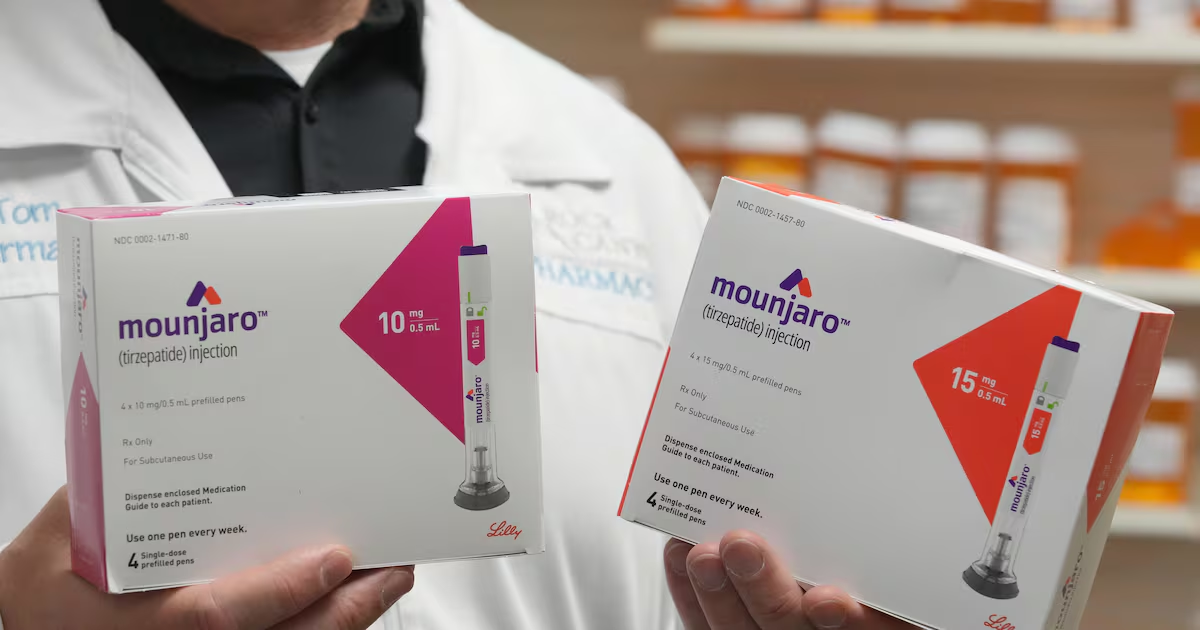
Not for the first time, the Irish tail is wagging the European Union dog. Euro zone growth for the second quarter has been revised up to 0.6 per cent (from 0.4 per cent), marking it the strongest quarterly acceleration in more than a year. Good news for Europe, which has been struggling with stagnant growth and high inflation for several years. It also comes after downward revisions to gross domestic product (GDP) in France, Austria and Portugal. The upgrade was triggered by the Central Statistics Office (CSO) here, which last week revised the Republic’s headline GDP growth in the second quarter to 10.2 per cent, up from a previous estimate of 3.9 per cent, lifting growth for the bloc as a whole.The CSO said the expansion was driven by a 22 per cent spike in output from the multinational-dominated “industry” sector here, which includes big pharma groups such as Eli Lilly and Pfizer.Has the Government’s strategy to keep fuel costs down proved to be ‘knee-jerk’ and difficult to reverse? Listen | 34:57Eli Lilly shipped $42.3 billion (€36.4 billion) of ingredients for its weight-loss drugs Mounjaro and Zepbound from the Republic to the United States in the first four months of last year.This was initially put down to the company strategically front-loading product into the US to avoid tariffs, but it also related to the explosive demand for these drugs globally, which may have continued into 2026. The company has been launching its drugs in various countries.Irish GDP is susceptible to large quarterly revisions because of multinationals using this State as a base for exports. Economists consider it an unreliable metric. Modified domestic demand, seen as a better measure of underlying activity here, shrank by 0.8 per cent in the second quarter.The positive euro zone growth number is the last data point before the European Central Bank’s interest rate decision later this week. The bank is expected to announce another quarter-point hike in response to the latest pickup in energy prices.Despite inflation at a three-year high due to the Iran war and rising borrowing costs, and with the Republic’s GDP bulge, the outlook is marginally rosier for Europe as governments spend big on defence and infrastructure, a trend that is expected to boost growth.
Big pharma exports from Ireland an impetus to euro zone growth
Euro zone economy expands more than initially thought after a sharp upward revision in Ireland
373 words~2 min read