Nigeria’s manufacturing resilience will depend not only on how much it produces but also on how much of the industrial machinery and components needed to keep its factories running can be sourced at home.
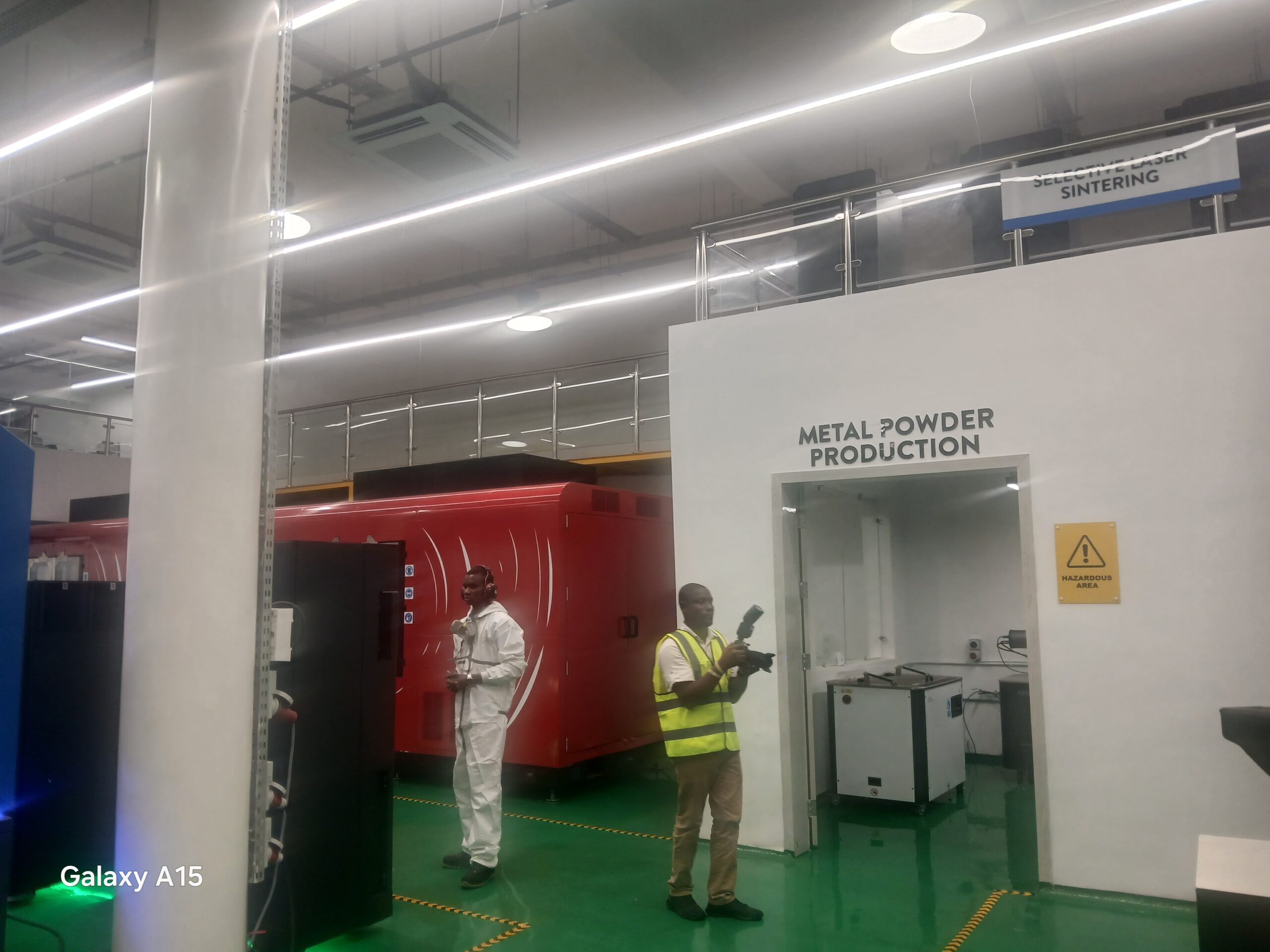
That is why the Manufacturers Association of Nigeria’s endorsement of Arridex’s 3D manufacturing hub in Lagos deserves attention beyond the technology itself. The visit by Segun Ajayi-Kadir, MAN’s director-general, to Arridex’s Omnifactory and his commitment to working with manufacturers to identify where additive manufacturing can have the greatest impact point to a potentially important shift: using local technology to reduce some of the vulnerabilities created by Nigeria’s dependence on imported industrial components.
“Parts used in energy, transportation, construction, healthcare and other critical industries must meet appropriate technical and safety standards. Without credible testing and certification, manufacturers may continue to prefer imported components even when a domestic alternative is available.”
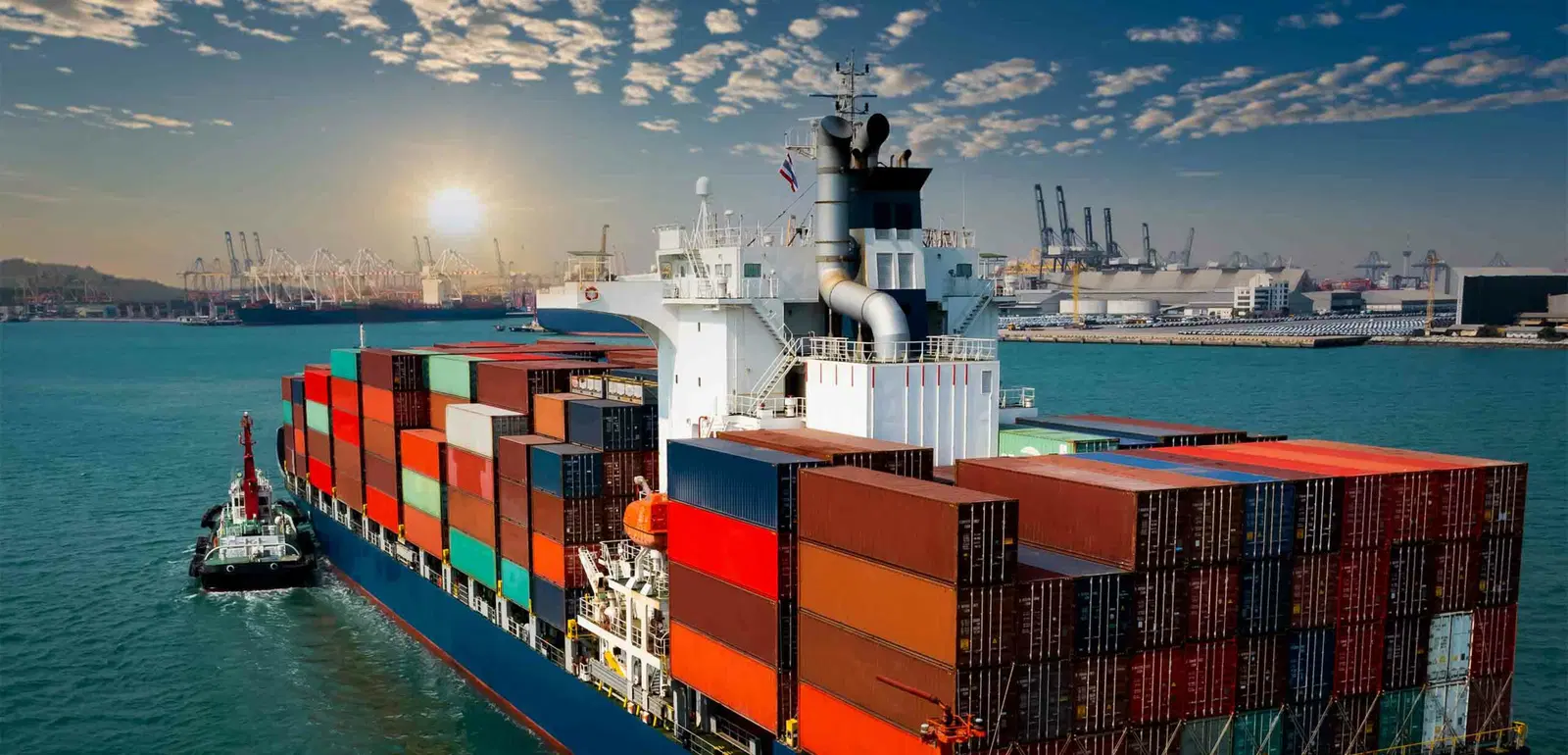
For decades, Nigerian manufacturers have operated with a basic weakness in their supply chains. Even relatively simple replacement parts can require foreign suppliers. When a critical component fails, the problem is not necessarily the complexity of the part but the time and cost involved in obtaining it. Foreign-exchange shortages and volatility, international freight costs, minimum order quantities, and long delivery times can turn a routine maintenance problem into a prolonged production stoppage.