In offices across the military and in the intelligence community, there have been recent quiet discussions about cutting the number of people and facilities typically stationed in the Middle East if the Trump administration succeeds in ending the Iran conflict, six sources say.
If those cuts happen, it would mark another shift in how the US national security apparatus treats a region that successive presidents have sought to leave behind.
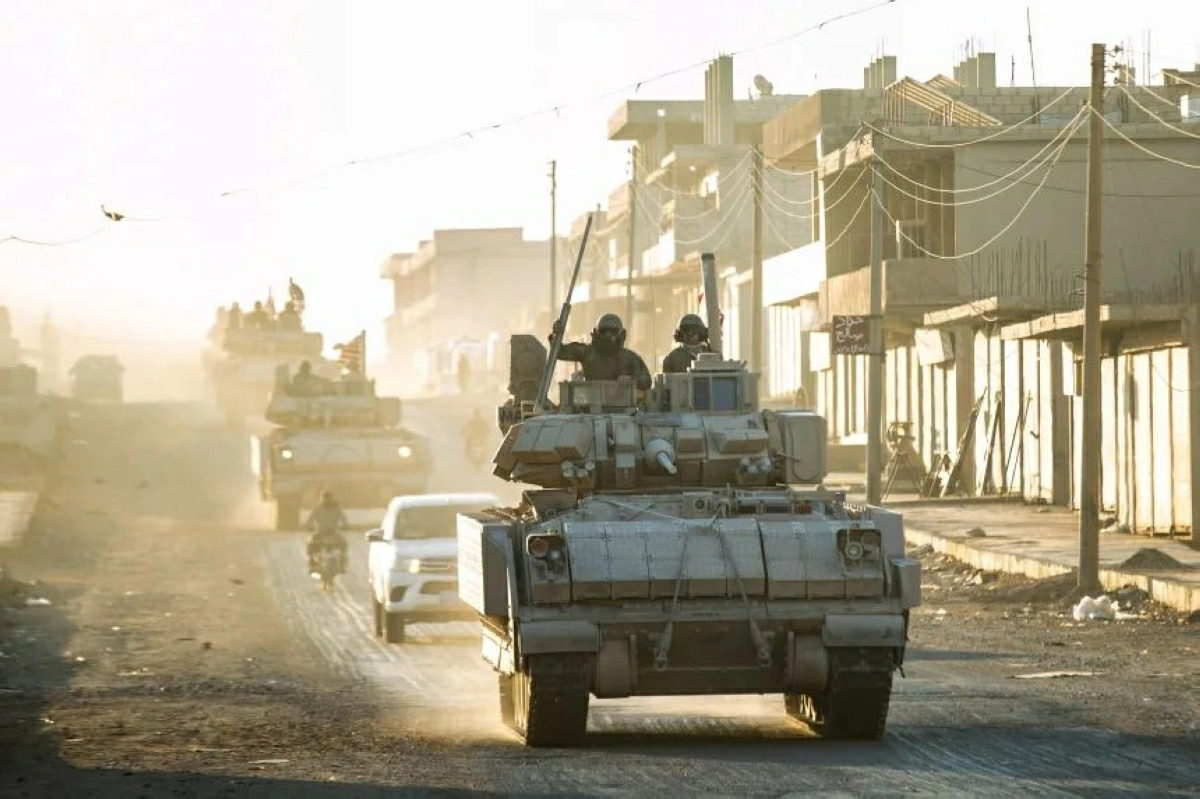
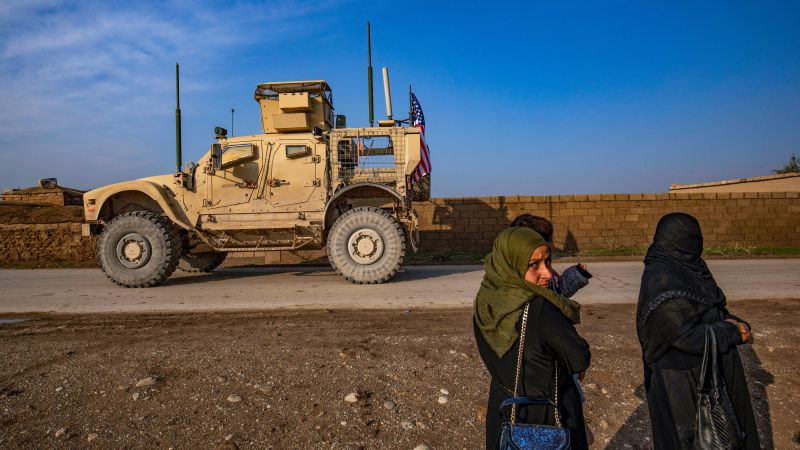
In the wake of the September 11, 2001, attacks, the US exponentially expanded a constellation of permanent military and intelligence facilities to fight wars and conduct strikes in half a dozen countries: Iraq, Afghanistan, Syria, Iran, Yemen, Libya.
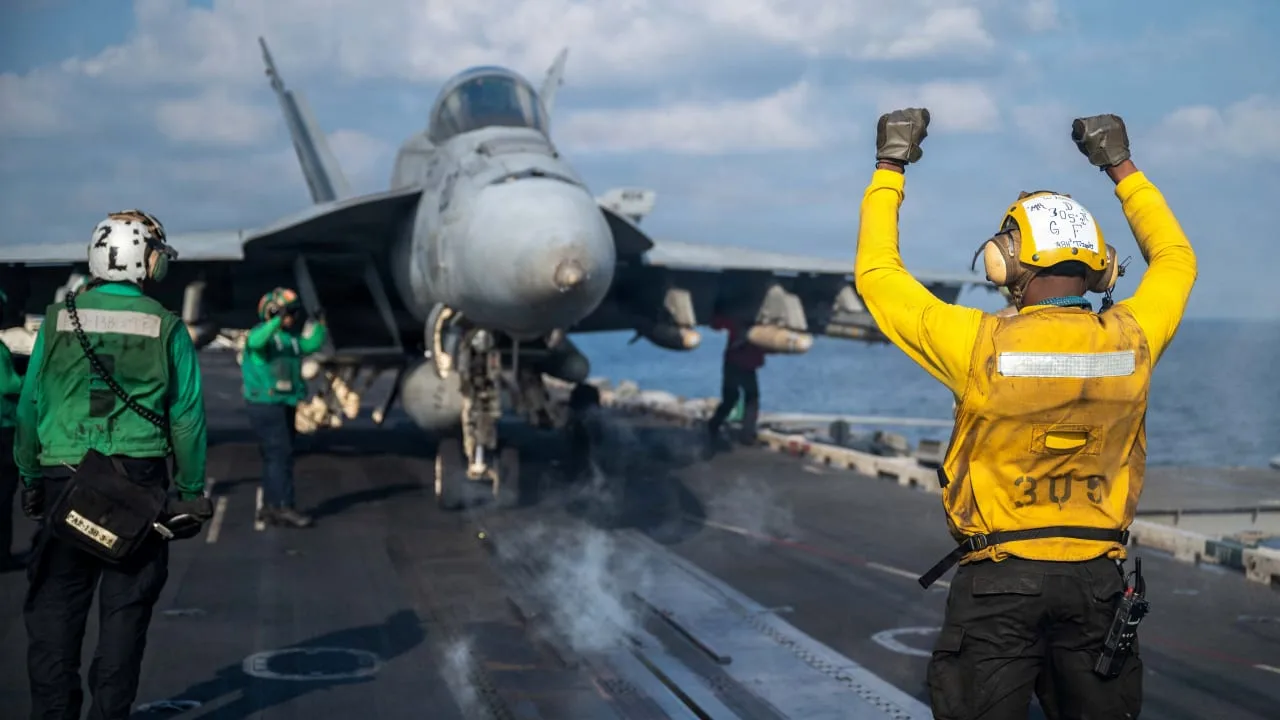
But the recent fighting with Iran has laid bare deep vulnerabilities in the American infrastructure in the Middle East as many of those sites have become targets of repeated Iranian attacks in an unpopular war that has killed 18 American service members.
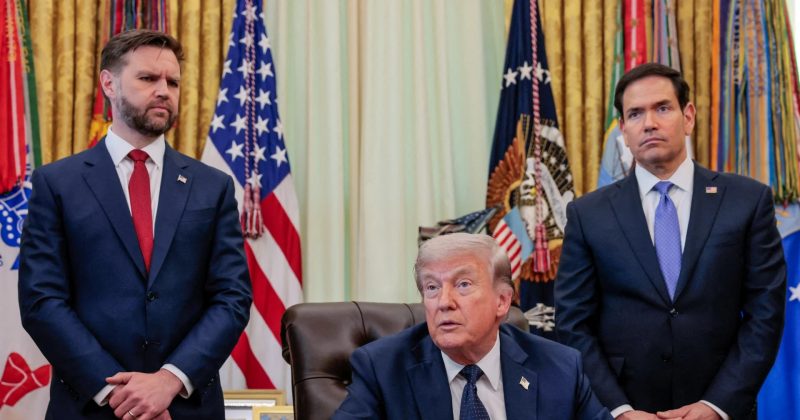
Officials involved in the informal discussions in the military and the intelligence community indicated they are now acting at least in part to predict what might be acceptable to a mercurial president who sources say has articulated no clear strategy for a postwar future — and who, in the past, has staked his political identity on reducing American forces overseas.