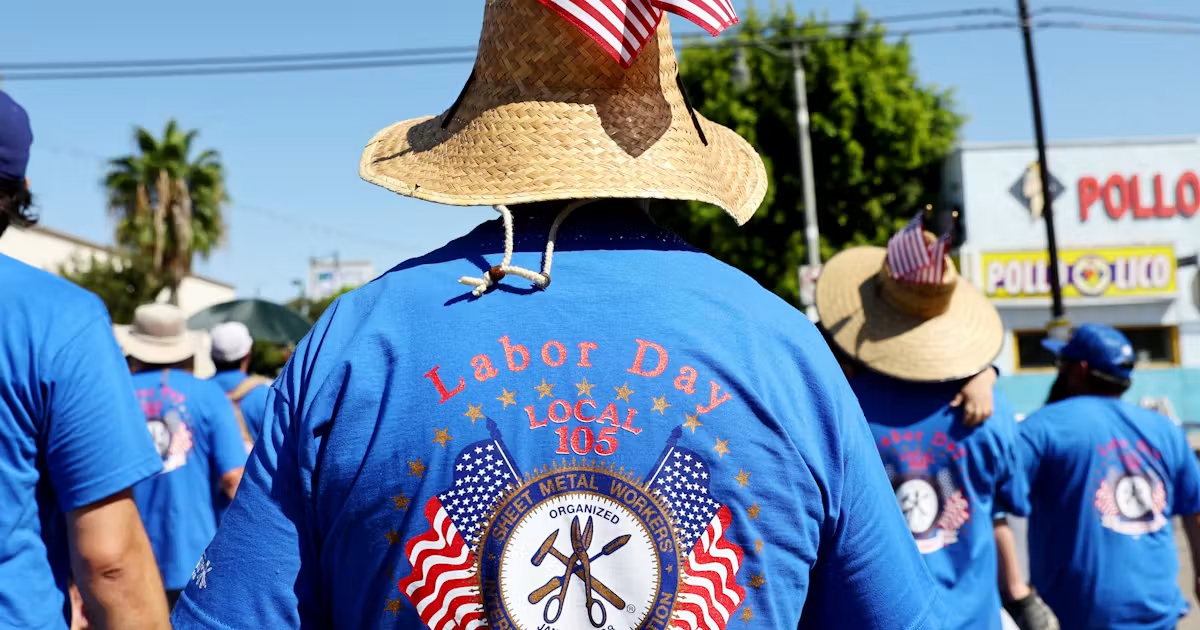
When union workers and their families gather this Labor Day, some may ponder Ronald Reagan’s memorable refrain, “Are you better off now than you were four years ago?”
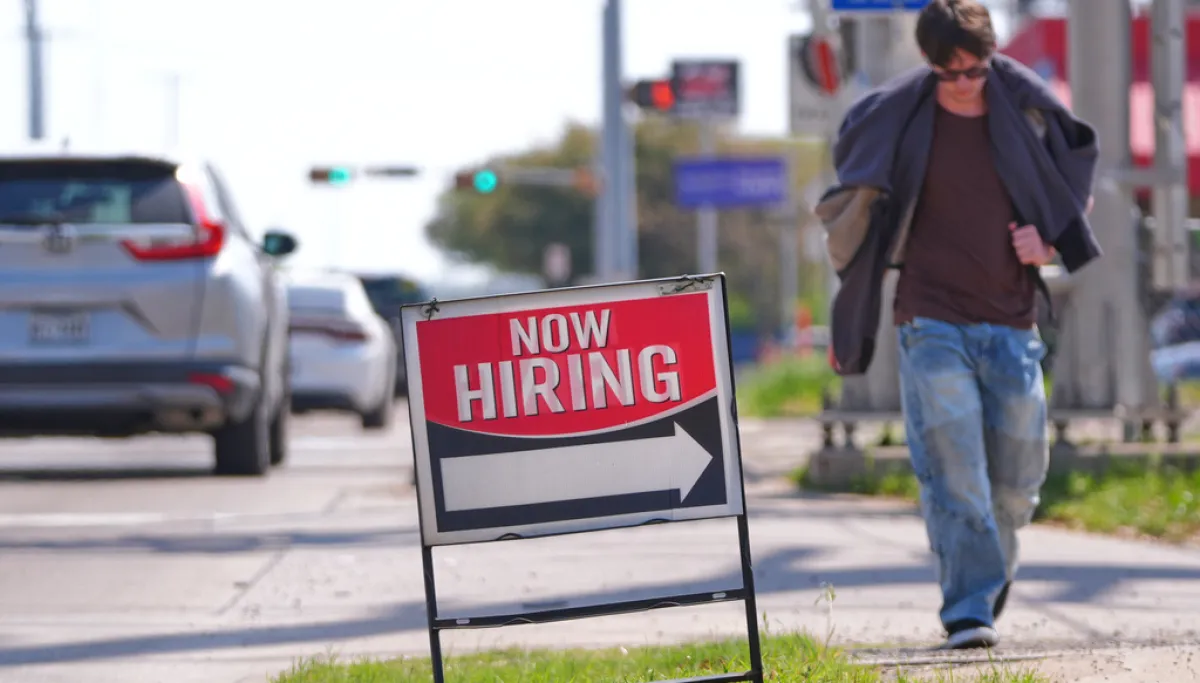
All workers – unionized or not – are dealing with higher prices for food and gasoline.
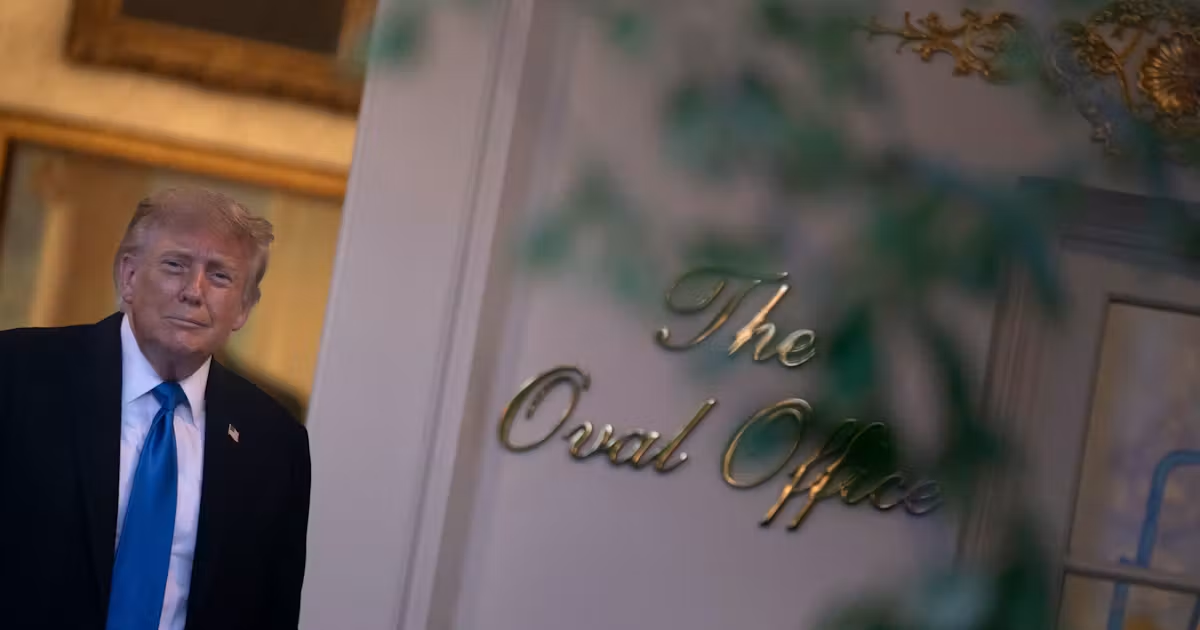
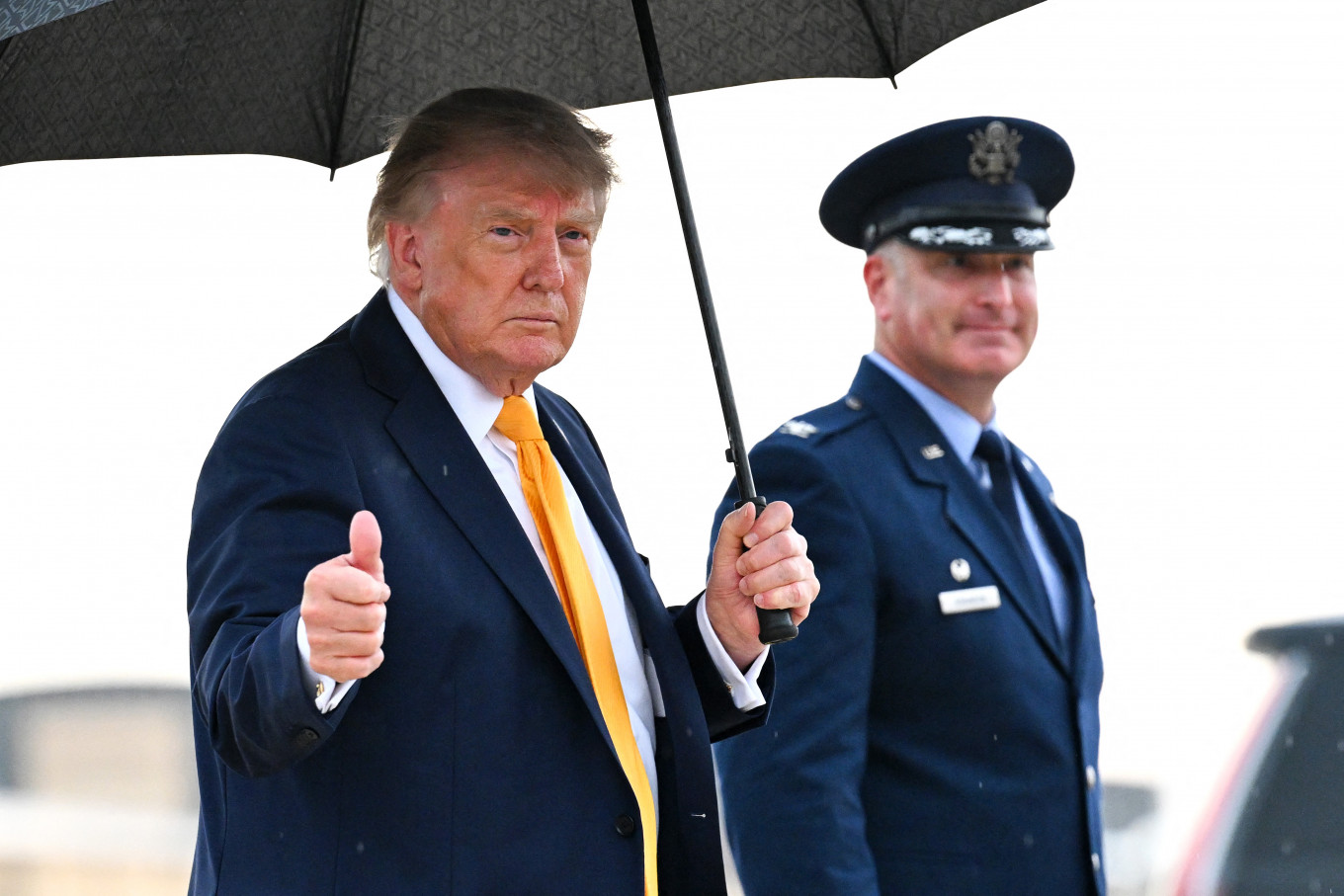
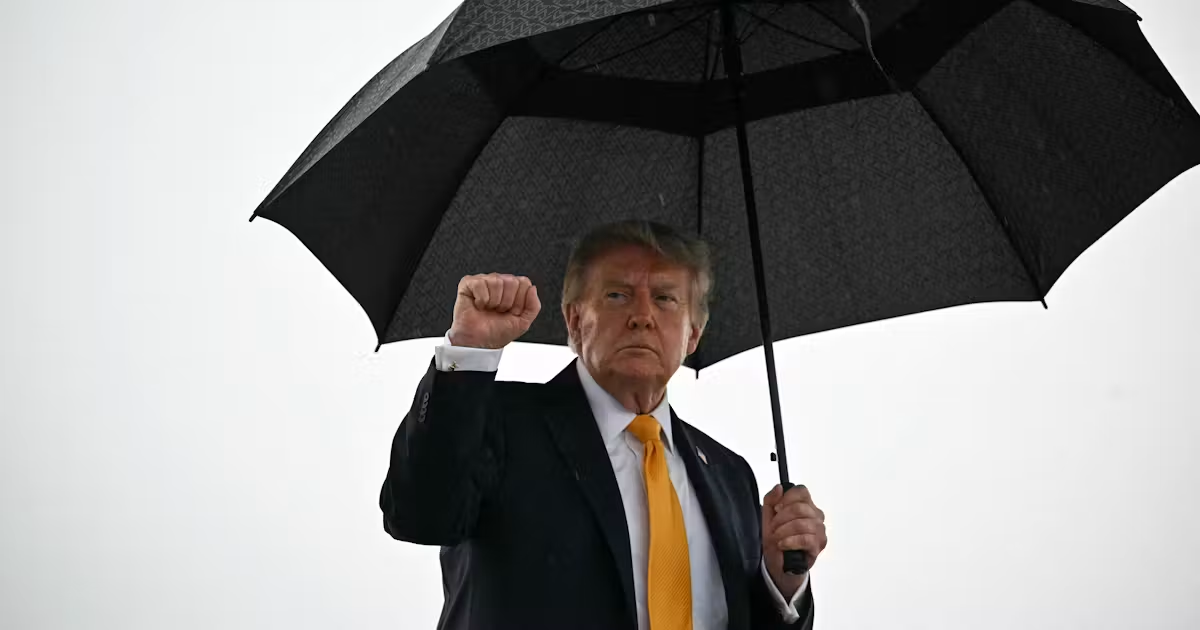
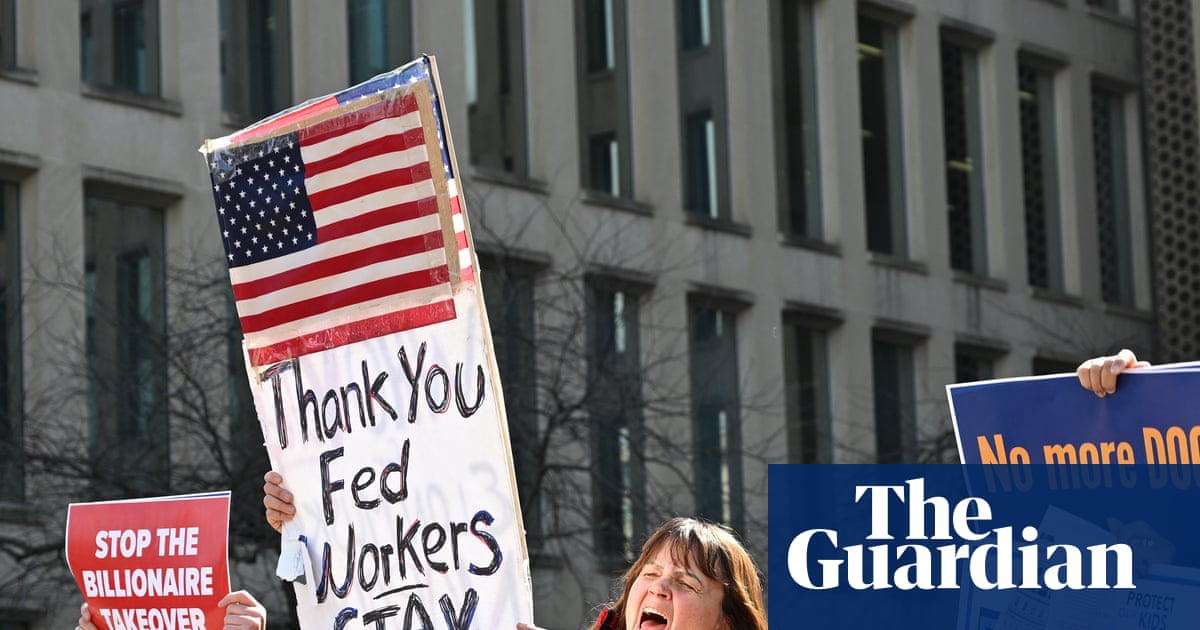
For America’s unionized workforce, the overall state of the economy is bleak. Threats from AI and robotics abound. Pledges by U.S. and international corporations to invest in new plants remain largely pledges. The roughly 400,000 federal job cuts during President Donald Trump’s second term have disrupted lives. Many of these jobs were previously represented by labor unions.
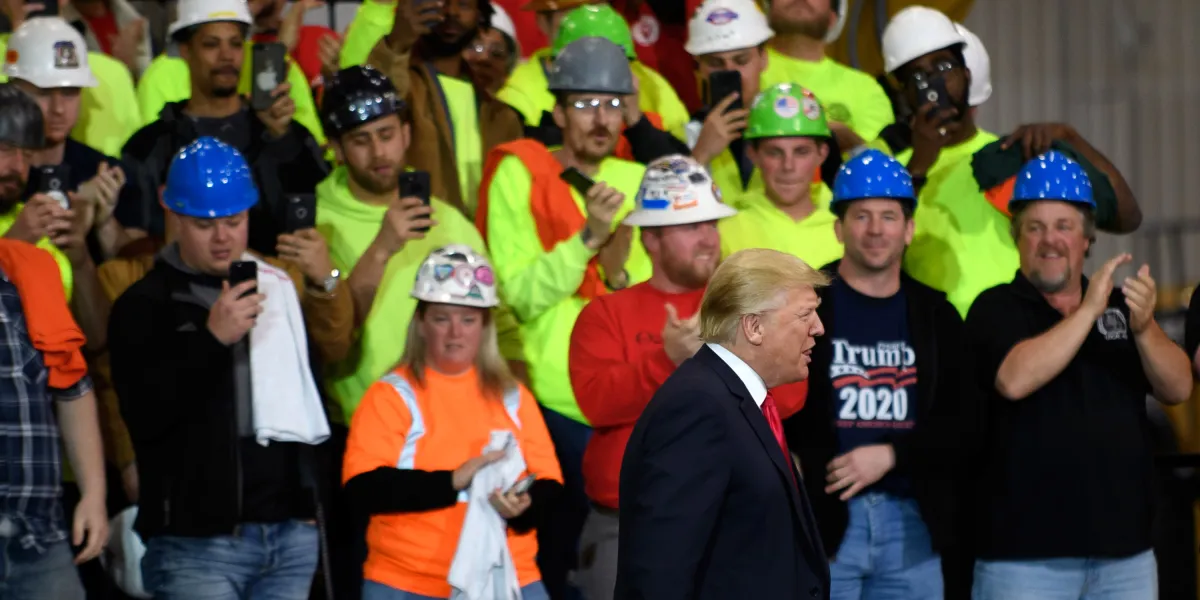
As a labor studies scholar, I believe weariness and wariness will accompany blue-collar voters to the polls in November. As such, the candidates who have practical ideas for turning the economy around and exhibit empathy for Americans worried about how to pay their bills could receive the bulk of the union vote.
The union vote