Published Sep 7, 2026, 12:13 PM EDT
The survivors who ran back into the burning building to pull colleagues out were, in many cases, service members.
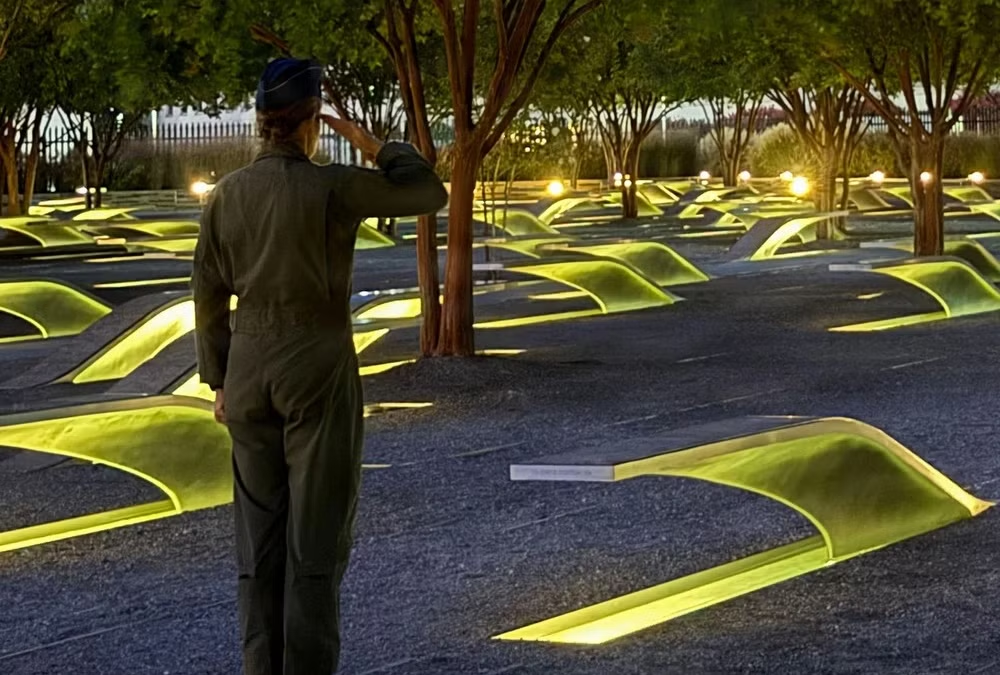
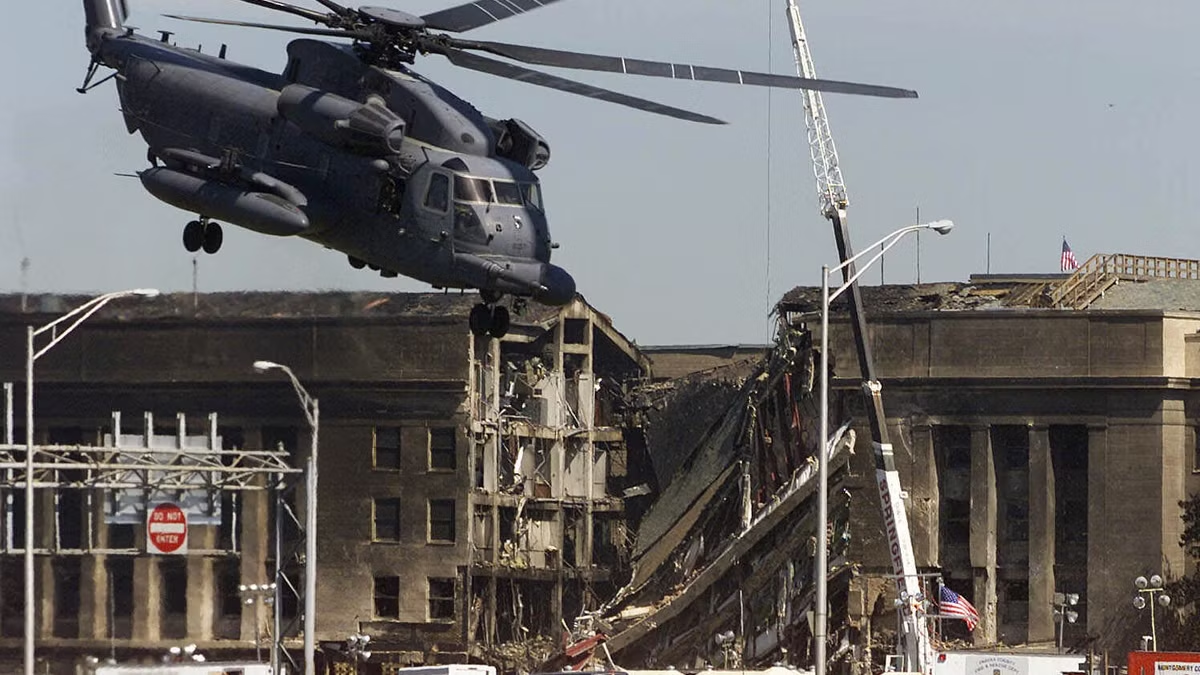
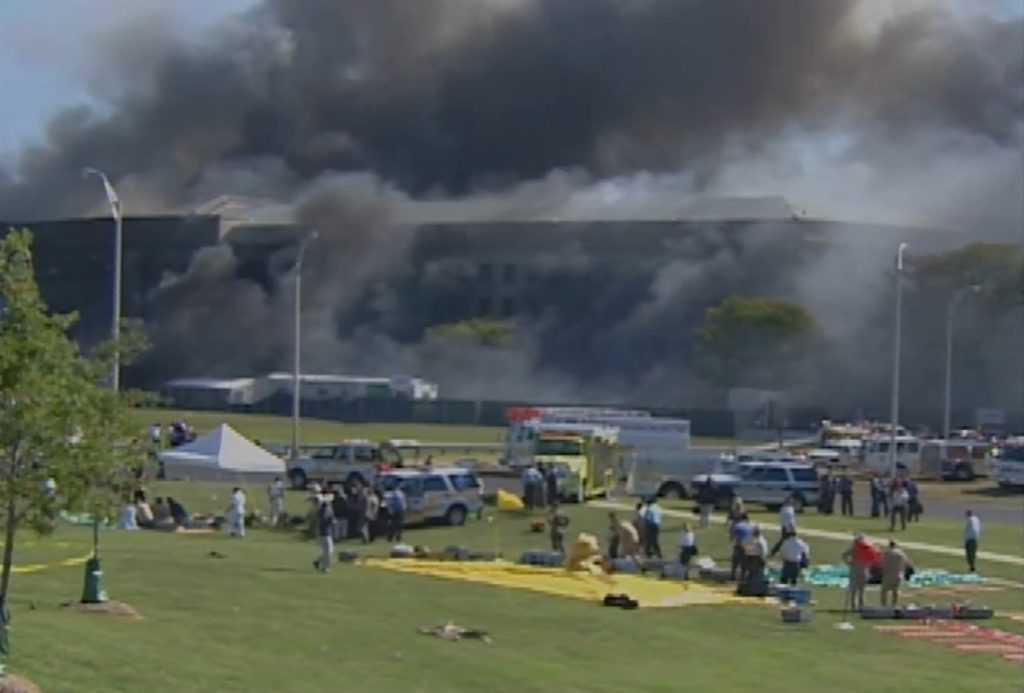
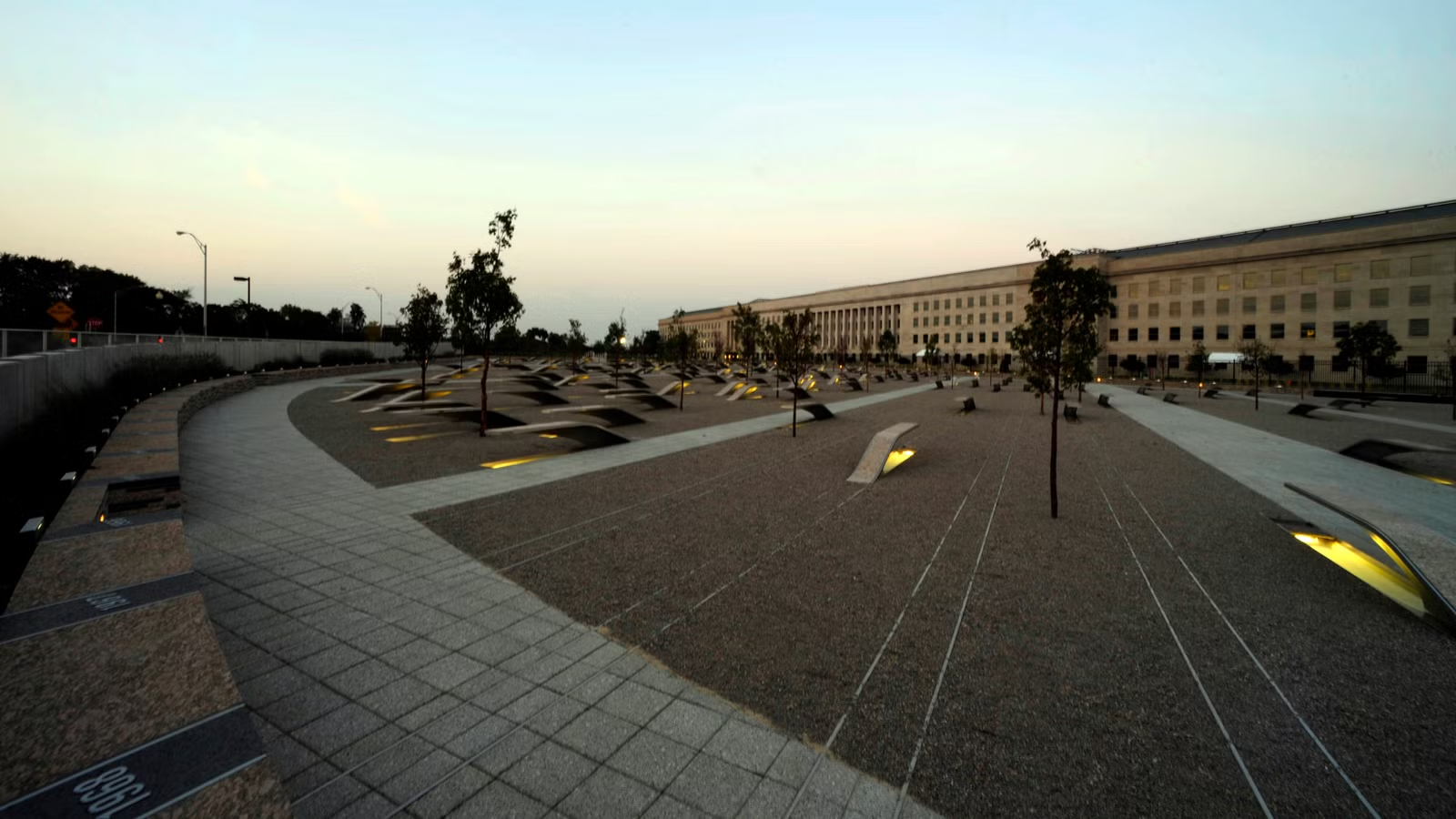
American Airlines Flight 77 struck the western face of the Pentagon at 9:37 a.m. Sept. 11, 2001, killing 184 people — 125 inside the building and 59 aboard the aircraft, according to the Department of Defense's account published for the 2008 dedication of the Pentagon Memorial. Unfinished construction work saved an untold number of lives that morning in 2001, and the people who ran back into a burning building to pull colleagues out were, in many cases, service members.
The Renovation That Saved Lives
The section of the Pentagon that Flight 77 struck had just emerged from a three-year, $258 million renovation, according to a historical monograph on the Army Reserve's response to the attack, published by the U.S. Army Reserve. The improvements included steel reinforcement, Kevlar cloth lining and blast-resistant windows, upgrades the Army Reserve account credited with ultimately saving many lives inside the building. The renovation had an unintended second effect: The newly finished section was still mostly unoccupied on the morning of the attack. According to reporting by the Defense Media Network, roughly half of the stricken area was in the first phase of reoccupation, meaning a section of the building that on a normal day might have held thousands of people held only a fraction of that number when the plane hit. Structural engineer Donald Dusenberry, who co-wrote a landmark American Society of Civil Engineers report on the Pentagon's structural performance that day and later toured the crash site, has pointed to that same renovation as central to understanding why the death toll wasn't dramatically higher, according to an account published by History. Related: How 9/11 Reshaped the US Military From the Ground Up