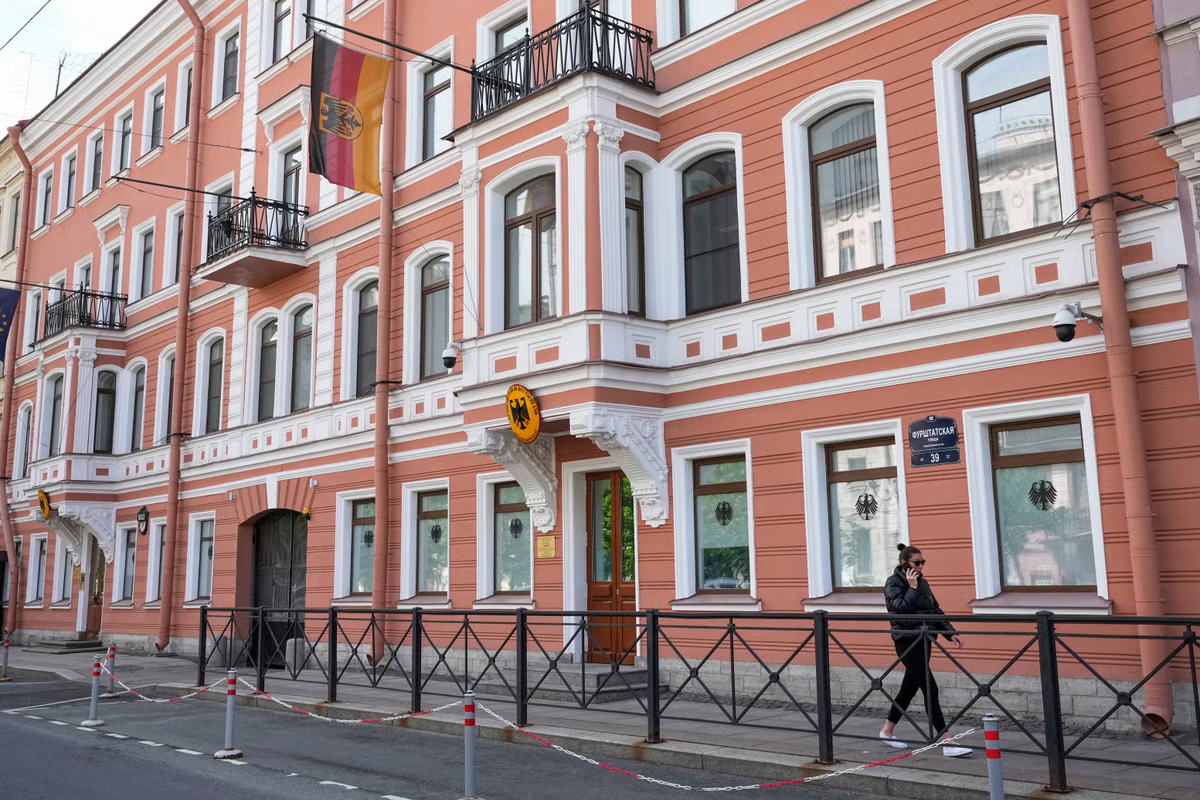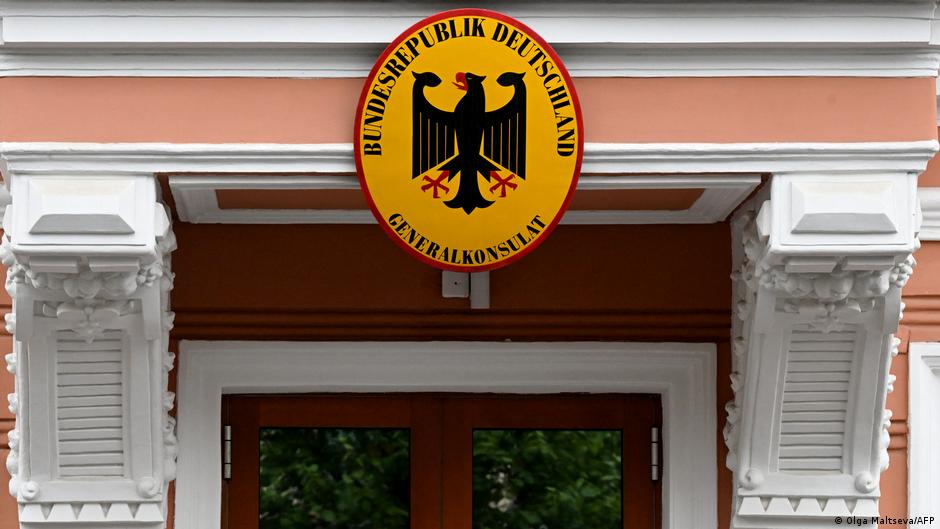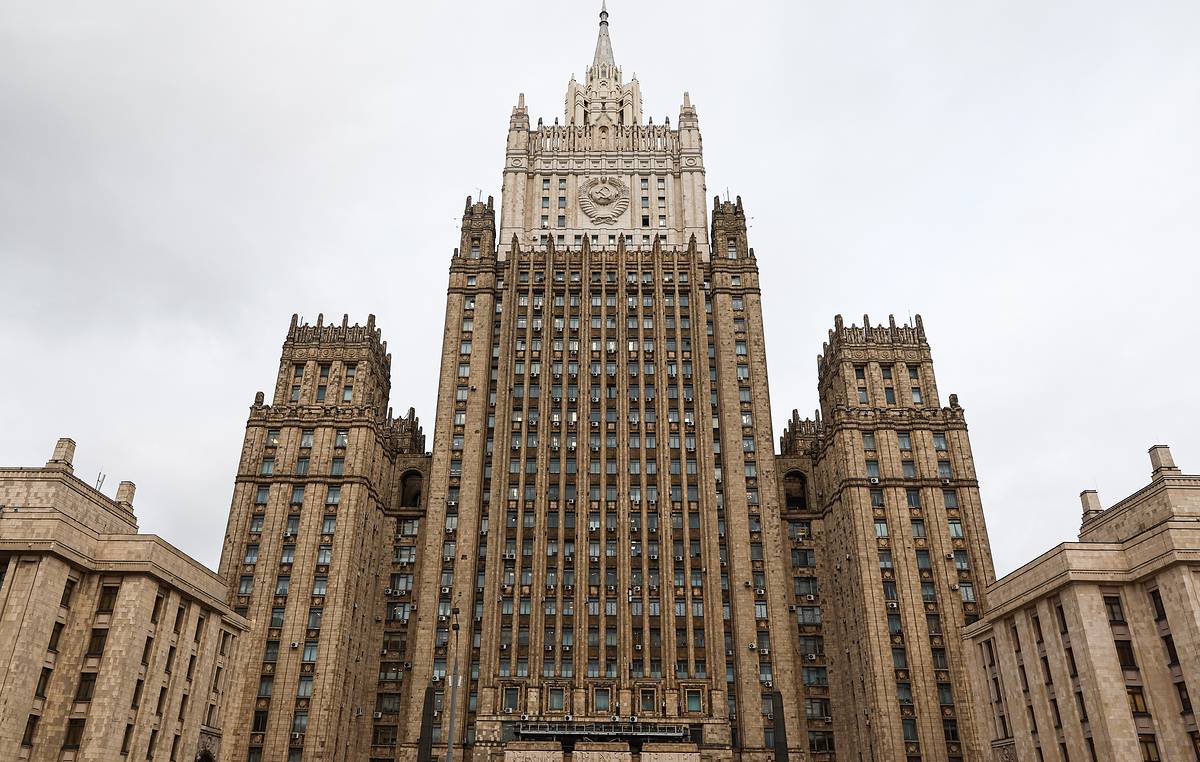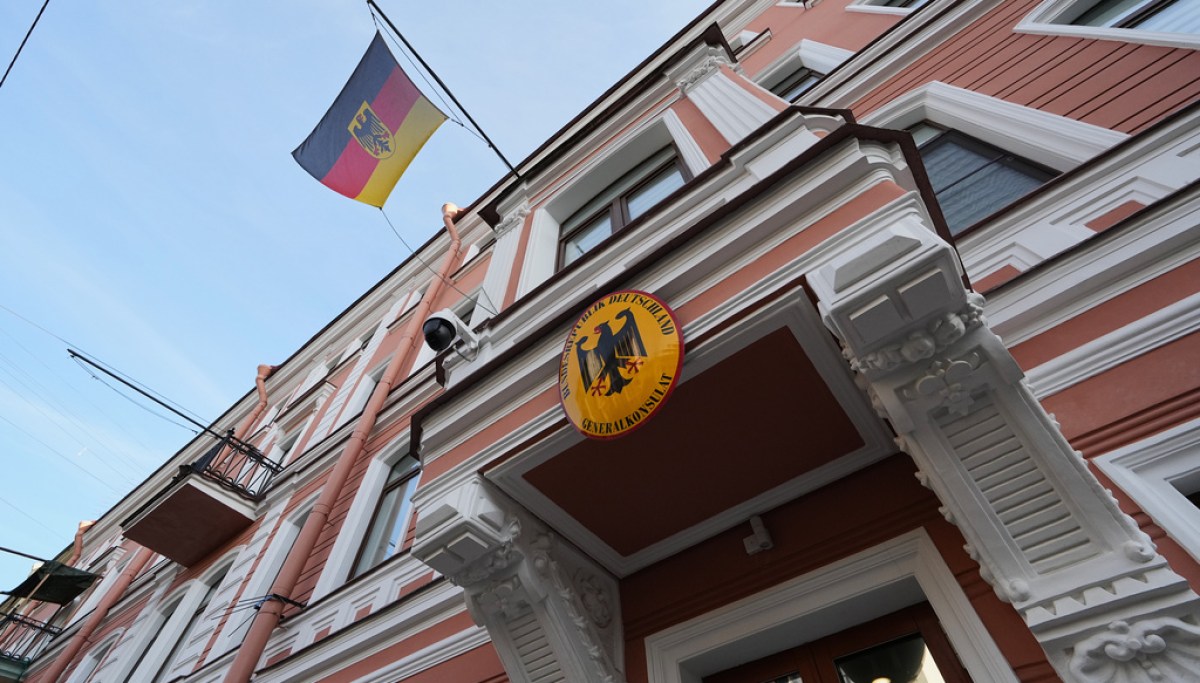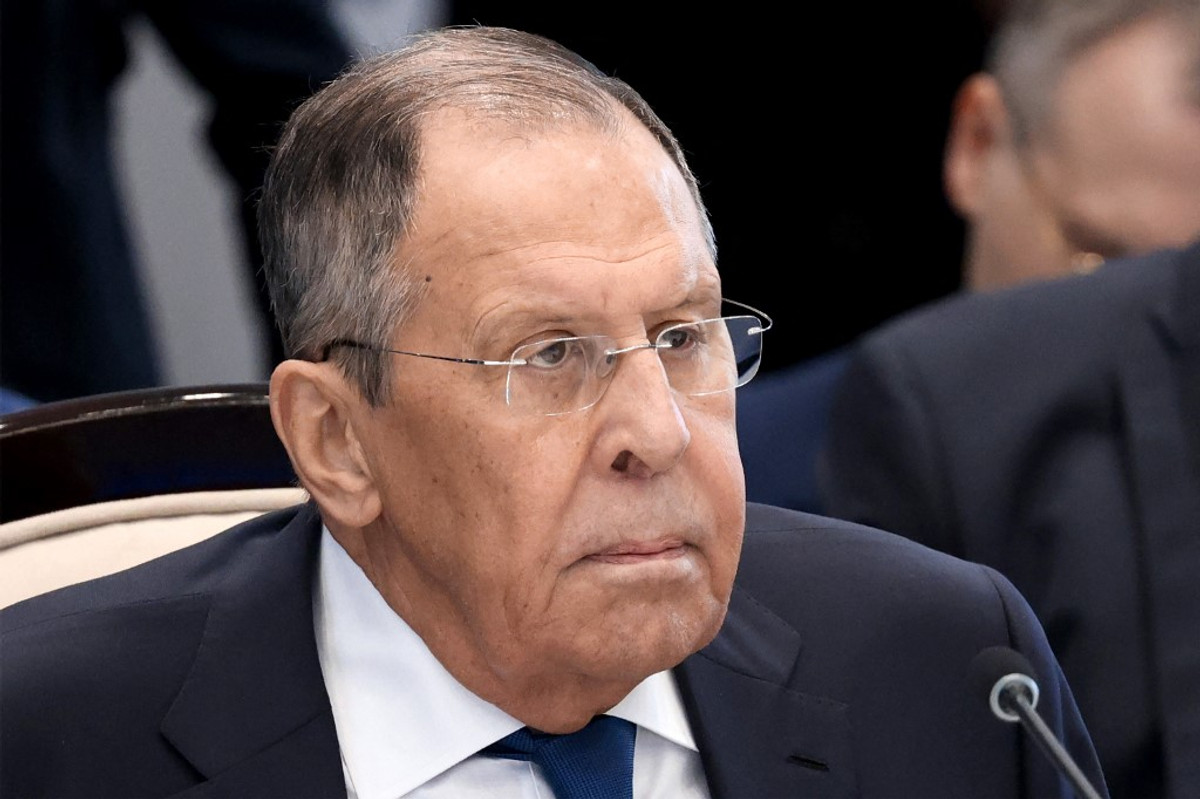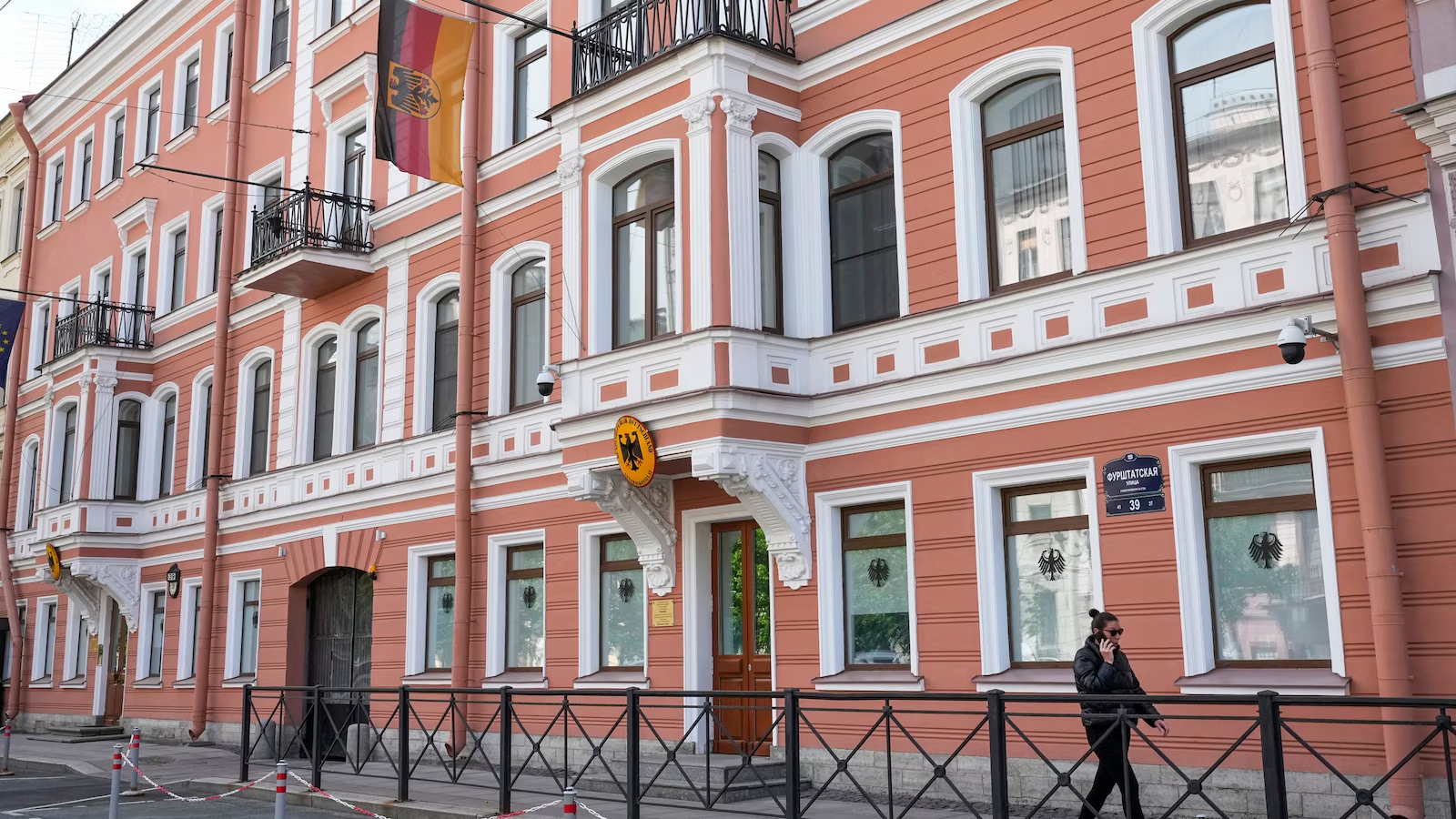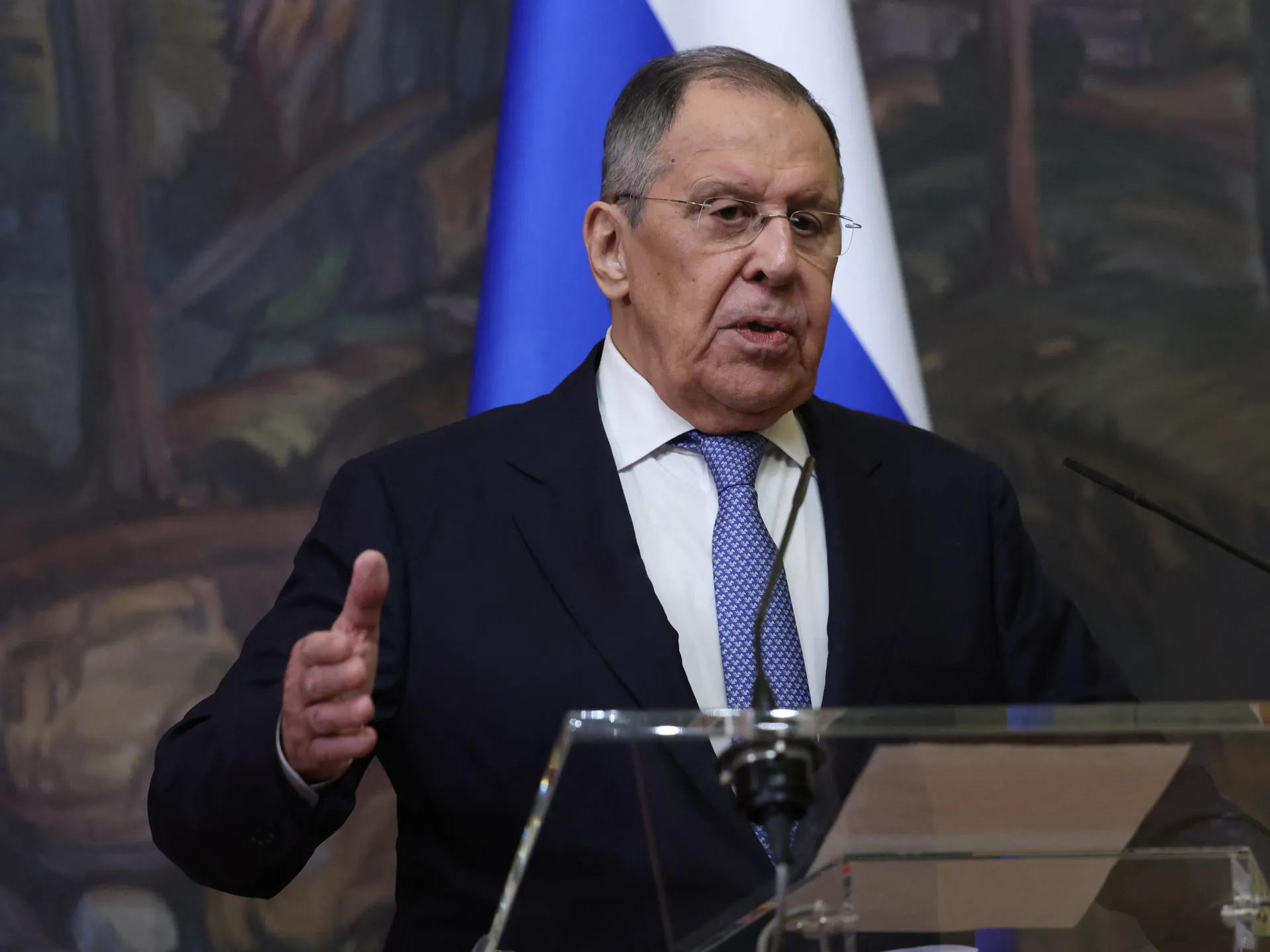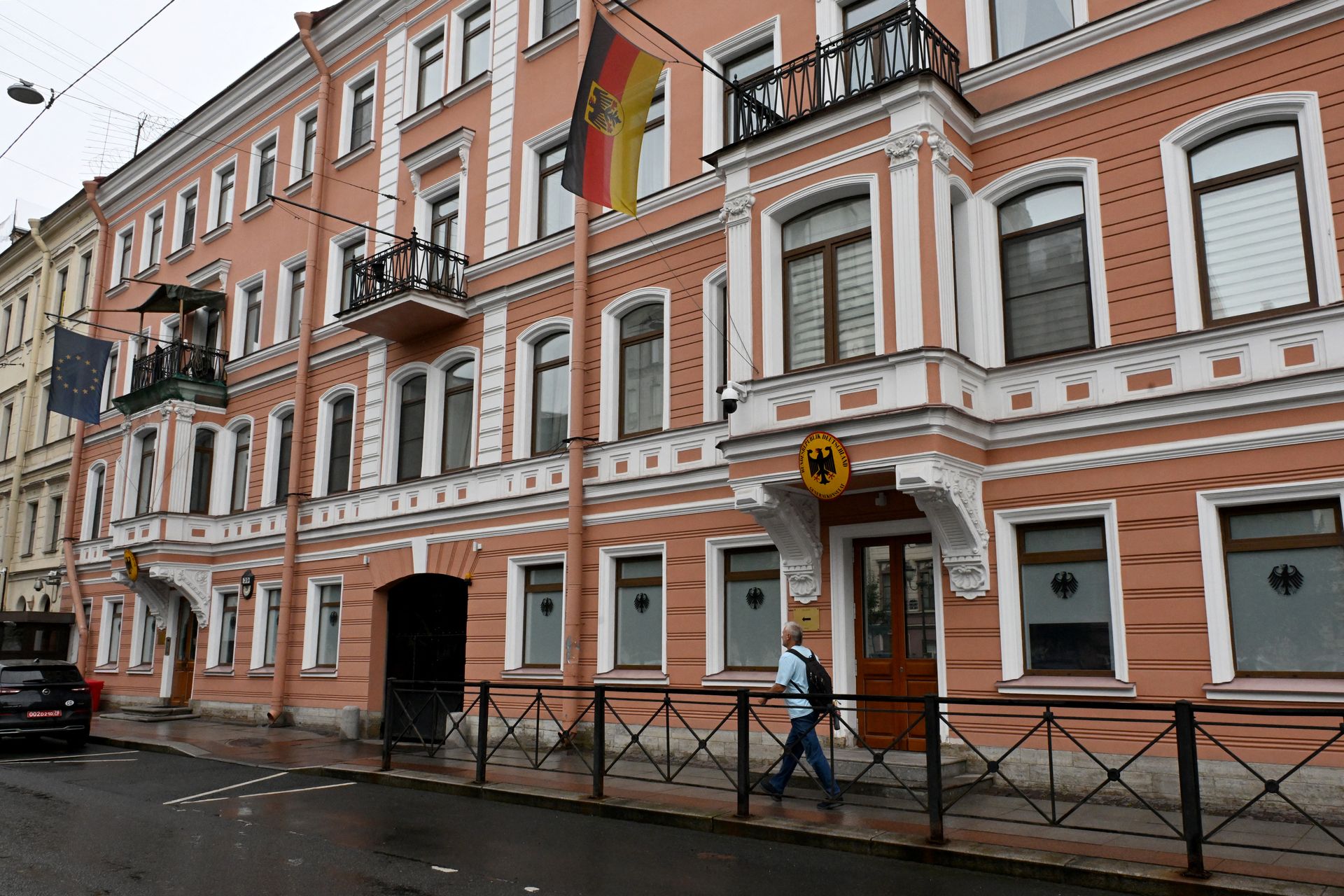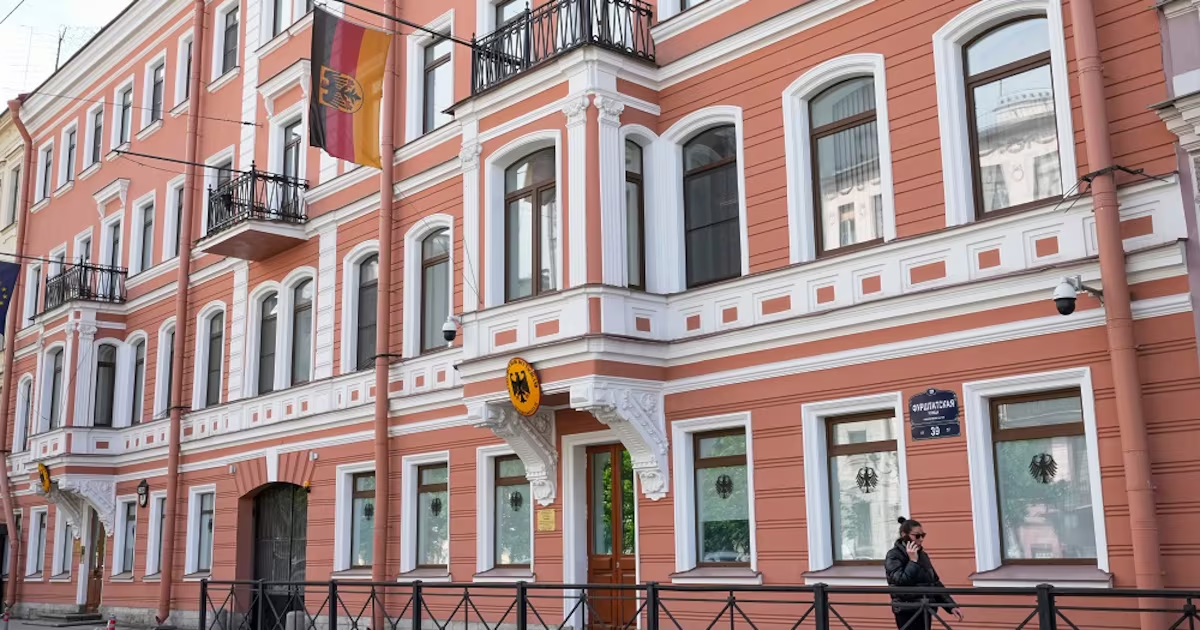
Russia’s foreign ministry on Monday announced the closure of the German consulate in St Petersburg, a tit-for-tat move that reflected simmering tensions between the two countries.The ministry said the German consulate must stop operations and its workers must leave Russia by September 18. It reaffirmed the previously announced decision to shut German cultural centres in the country and said their employees must leave no later than Sunday.The ministry said the moves were retaliation for Germany’s “unfriendly” decision on Wednesday to close the Russian consulate in Bonn and the Russian House cultural centre in the German capital, Berlin.Germany blamed Russia for an attempted drone attack at Leipzig/Halle Airport on August 4, when an explosives-laden drone was found near a Ukrainian plane.The airport is a major international freight hub used for providing support to Ukraine. The drone was later defused.Moscow has denied involvement.Russian foreign minister Sergei Lavrov on Thursday announced Russia will close German cultural centres on its territory in a retaliatory measure reflecting the deepening tensions between Moscow and European countries that are helping Ukraine resist the Kremlin’s four-and-a-half-year-old invasion.Earlier on Thursday, in Munich, several incendiary devices were thrown at a construction site near a building where several companies, including from the defence sector, are located, the Bavarian State Criminal Police Office said. There was a brief fire that caused no significant damage, police said, adding they suspect the target was one of the companies in the area.Two Bulgarian nationals were arrested, police said, but their suspected involvement was not confirmed.Western officials have repeatedly accused Moscow of conducting a campaign of sabotage and disruption in their countries with the aim of undermining support for Ukraine and destabilising European nations, something Russia denies.Germany says it has become a “daily target” of the Kremlin’s hybrid campaign.It said on Wednesday it was closing both the Russian consulate in Bonn and the Russian House cultural centre in the German capital.Lavrov countered that cultural centres belonging to Germany’s Goethe-Institut would be closed in Moscow, St Petersburg and Yekaterinburg, adding that any other response would show a lack of “self-respect” on Russia’s part.He told an economic forum in the Far East city of Vladivostok that Germany “could not have failed to understand” that closing the centre in Berlin would “signify the end of their cultural presence in Russia”.Russian President Vladimir Putin said Berlin wanted to distract from its own failings and dissatisfaction among voters. Any proof being offered “has been planted”, Putin said.Europe increasingly views itself as facing what it calls hybrid attacks by Russia, marked by cyberwarfare and disinformation as well as a conventional military threat. Each side accuses the other of state terrorism.The tension has continued for months and grown into a major foreign and defence policy challenge for countries in the EU.Putin is testing the West with tactics that fall “just below the threshold of war” and is determined to “harass Nato members”, the head of Britain’s MI6 spy agency said last year.European countries seek to counter Russia’s threatFollowing Germany’s claims, Poland, Denmark, Finland, the UK, the Czech Republic and Lithuania have summoned Russian diplomats stationed in their countries.In Norway, authorities on Wednesday seized a Russian vessel in the Arctic archipelago of Svalbard at the request of Ukraine’s state-owned Naftogaz energy group.A Norwegian court ordered the seizure as part of efforts by Naftogaz to recover a $4.22bn arbitration award stemming from Russia’s 2014 illegal annexation of Crimea and its seizure of Ukrainian energy assets, including gas fields and pipelines. After Moscow refused to pay the 2023 award, Naftogaz petitioned national courts for orders to seize Russian commercial assets.Putin on Thursday compared it to “state terrorism”, and Russia’s foreign ministry summoned Norway’s ambassador to Moscow, Heidi Olufsen, to protest against the seizure of the vessel, which it said belongs to the state weather and environmental monitoring agency.It carried workers, scientists and cargo to Russian settlements on one of the islands in Svalbard, the ministry said, adding that Moscow “will seek to lift the vessel’s arrest”.In Finland, meanwhile, more than 2,000 people took part on Thursday in the biggest civil defence exercise in Europe since the end of World War 2. Among the threats envisioned were missile strikes from neighbouring Russia.EU weighs how to respond furtherEU ministers on Wednesday weighed how best to respond to the attempted drone attack but struggled to find new ways to meet the challenge without resorting to military means.The EU has slapped almost two dozen packages of sanctions on Russia over the war, targeting more than 3,000 officials, oligarchs and entities, including banks, energy companies and drone makers.One senior EU official said the bloc’s anti-terrorism procedures could be put to effective use.“If we list individuals as terrorists, we can deploy a range of instruments to actually target those individuals and to track them, all their activities and people associated with those individuals,” EU counter-terrorism co-ordinator Bartjan Wegter said.He told The Associated Press that EU methods for combating terrorist financing and money-laundering, as well as boosting the resilience of infrastructure such as airports, could be put to good use.“It is a very worrying development,” Wegter said of the failed Leipzig drone attack. But he noted that “it is not new what we’re seeing”.Both Russia and Iran have used hybrid warfare methods before, he said.“They’re actually deploying terrorist tactics that are meant to ‘destabilise our society,” Wegter added.Denmark sounds alarm about Russian sabotage plansDanish security services are warning that Russian acts of sabotage against the country’s defence industry may be imminent.Intelligence services have seen signs of specific planning by Russia to conduct sabotage operations in Denmark, Emil Græsholm, head of counterintelligence at the national security and intelligence service PET, told the Berlingske newspaper.The targets are primarily companies in the defence industry and especially those associated with delivering military components to Ukraine, he said.Russian ambassador Vladimir Barbin said PET has not presented any concrete evidence that Moscow was preparing sabotage acts in Denmark. He said Græsholm’s comments were actually an acknowledgement of Denmark’s involvement in Ukraine.The transformation of Danish territory into a production and logistics base for the Ukrainian military posed a security risk to Denmark, he added.Italy’s defence minister Guido Crosetto told AP on Wednesday that the German airport incident was “a very serious act that could have very grave consequences”.But he said the threats aren’t discouraging Italy from further helping Kyiv as Rome weighs whether to send SAMP/T air-defence batteries. As in other Western countries, limited weapons production capacity is hampering efforts to supply more to Ukraine, he said.
Russia orders German consulate closure amid tit-for-tat row
Foreign ministry instructs German consulate workers to leave Russia by September 18
1,077 words~5 min read