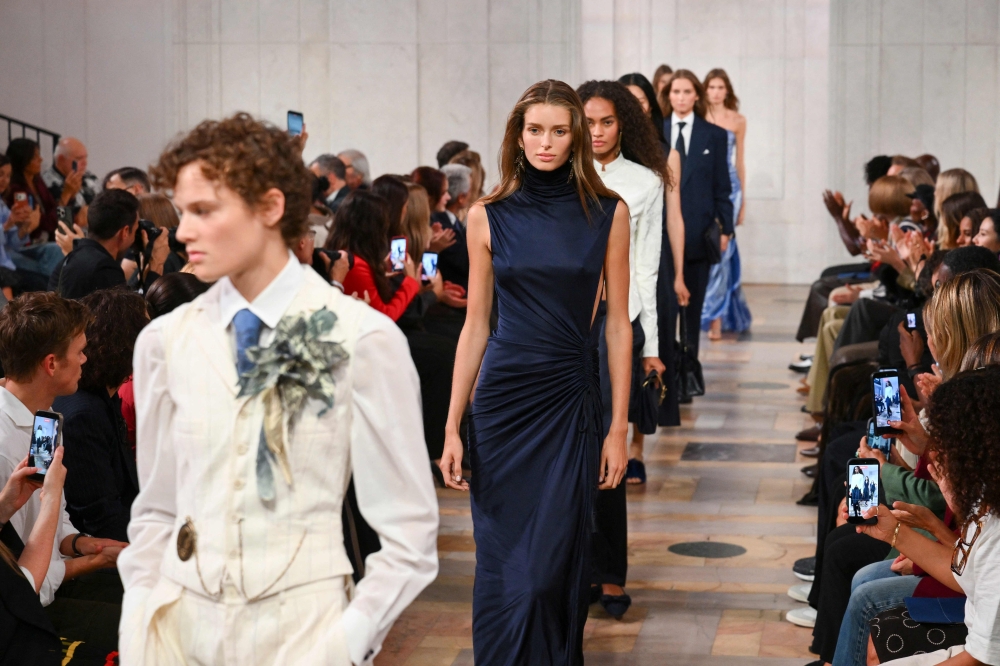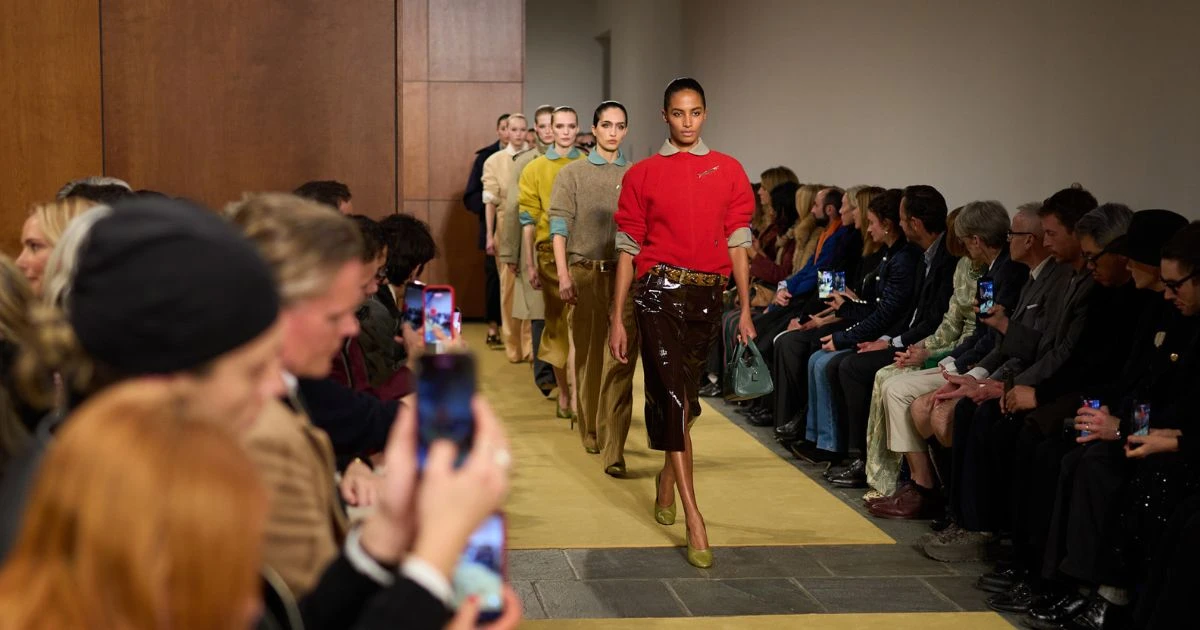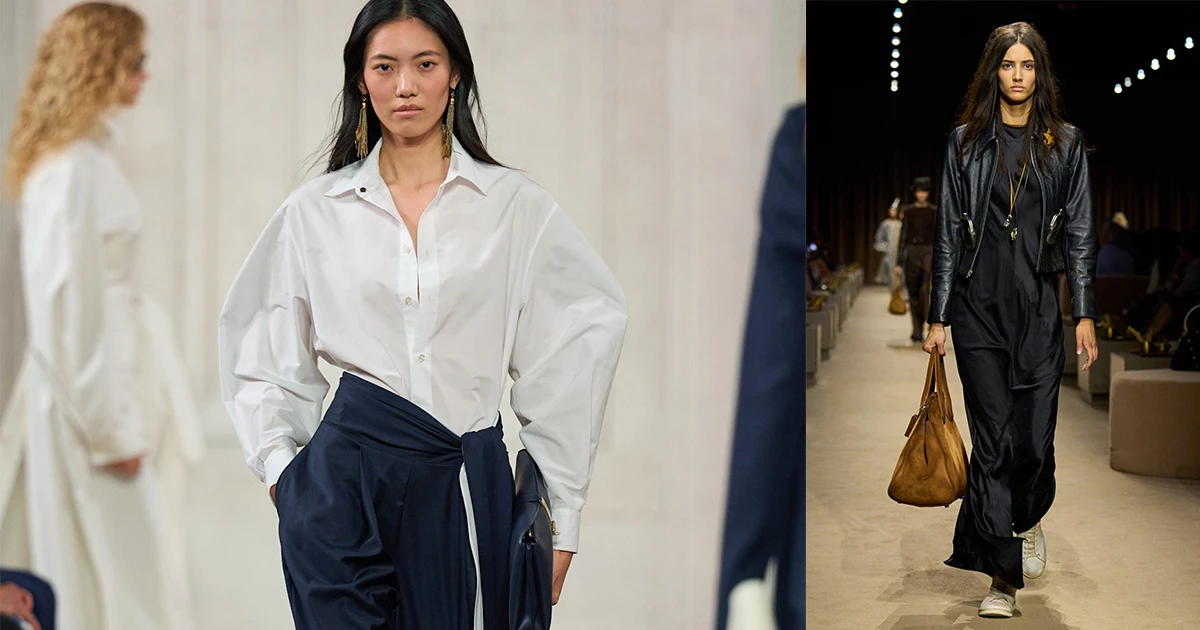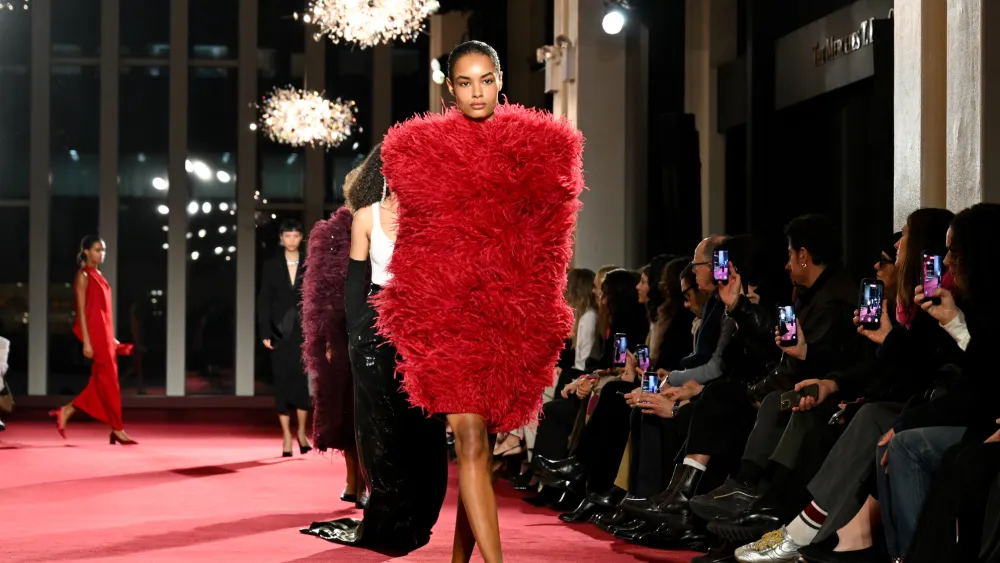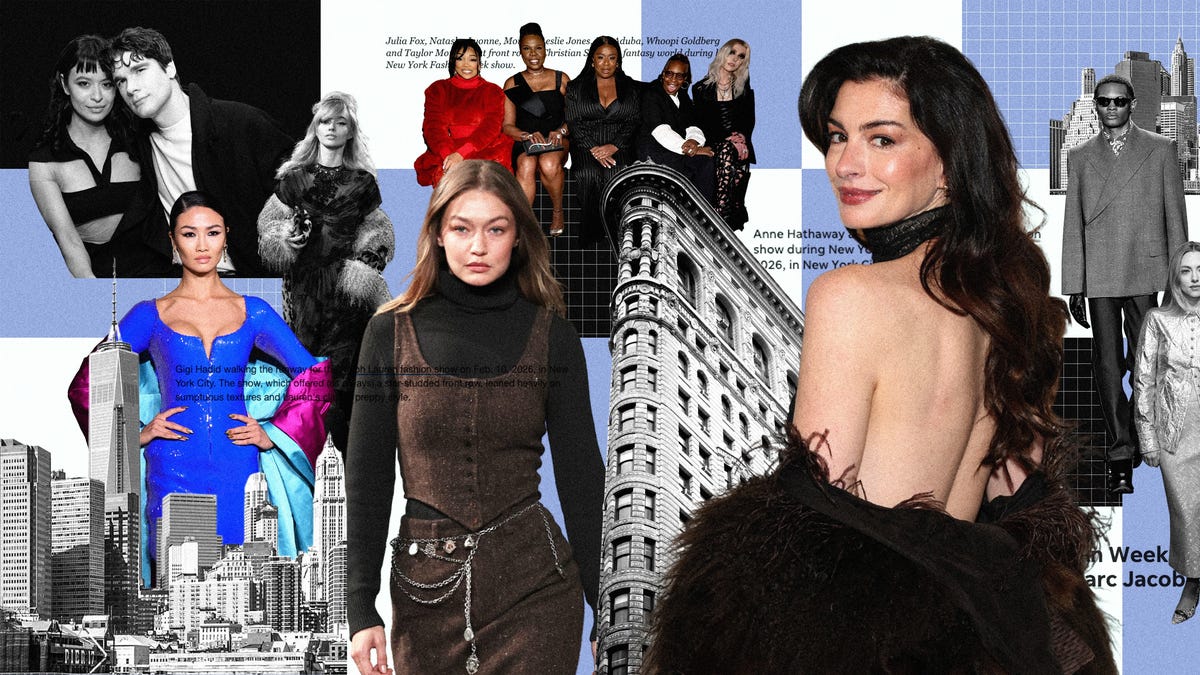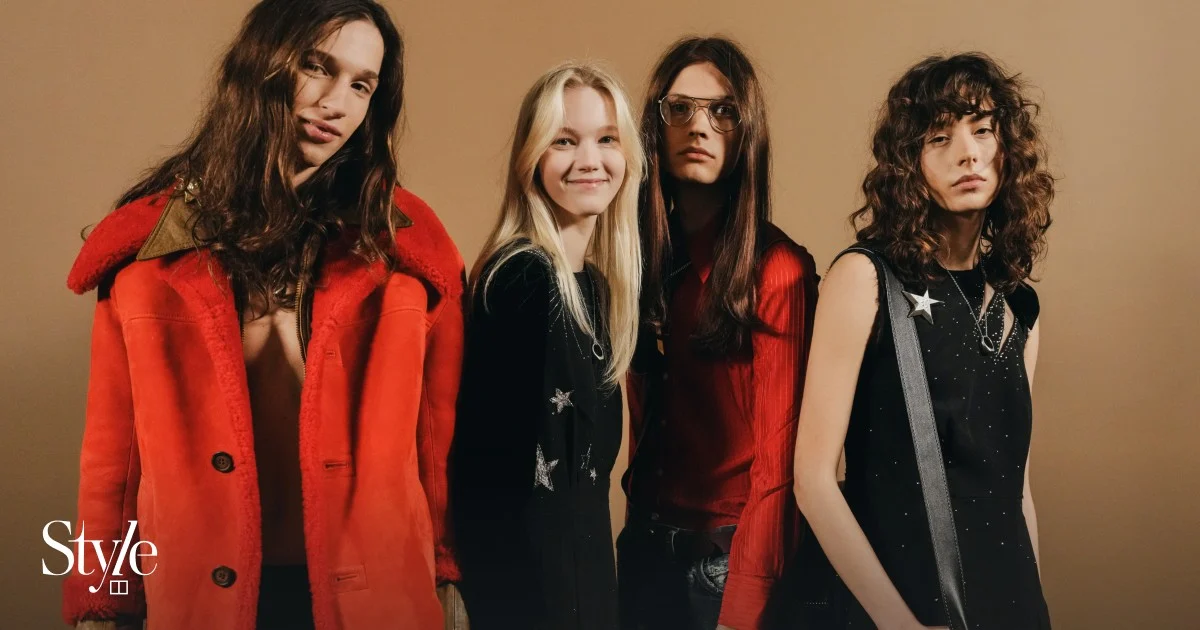
New York Fashion Week 2026 preview: CFDA’s Steven Kolb on Made in America and rising designersNew York Fashion Week kicks off this Wednesday with the spring/summer 2027 Ralph Lauren and Coach shows. Coach, which celebrates its 85th anniversary this year, has become one of the success stories of American fashion. Led by British designer Stuart Vevers, Coach has thrived thanks to its well-designed and accessibly priced products, and its involvement in pop culture phenomena like last summer’s hit series The Summer I Turned Pretty.Unlike their European counterparts that have been alienating aspirational luxury consumers with constant price increases, US labels such as Ralph Lauren, Tommy Hilfiger and Tory Burch have stayed relevant by catering to customers who are becoming more mindful when it comes to luxury purchases.Their success, however, belies a polarised market where top brands reign supreme while many independent designers often struggle to make ends meet and have to rely on collaborations with sportswear giants or prize money from industry awards to keep their businesses afloat.A Tommy Hilfiger campaign starring Romeo Beckham (third from left). Photo: HandoutSteven Kolb, CEO and president of the Council of Fashion Designers of America (CFDA) – a non-profit that serves as the governing body of the US fashion industry – agrees that bigger brands have always dominated the industry but adds that smaller businesses have their own ways of cultivating customers.“I don’t think there’s anything new about more established brands like Coach or Ralph Lauren, which everybody is talking about in American fashion as a model of success and even as an example for some of the European houses that have been struggling,” says Kolb in an interview. “They’ve been in business a very long time. Success comes with age and experience. There’s a trajectory of success from where you are and how you build a brand. Is it harder to start and build a brand today than it was 40, 50 years ago or 20, 30 years ago? Certainly. There are different circumstances that influence how one builds a brand: the number of designers and brands in the space, the access to knowledge and information on the consumer level, how she’s going to shop, where before maybe she only knew certain brands, but now there’s such great awareness and a lot more choice.”Steven Kolb is the CEO and president of the Council of Fashion Designers of America. Photo: BFADesigners these days can reach clients by staging pop-up shops or by holding trunk shows, without having to rely on fickle department stores and online luxury retailers, which back in the day represented a lifeline for independent labels. Kolb mentions Amir Taghi and Emily Dawn Long as examples of how to build a business without adhering to tried-and-tested formulas that are not relevant any more. Taghi, for instance, recently opened a summer store in Aspen, the high-end resort in Colorado, while Dawn Long works from a very cool space in the Lower East Side that also functions as her showroom. She will present her spring/summer 2027 collection with a film, reveals Kolb, adding that both designers are finalists of the CFDA Vogue Fashion Fund, a competition that provides winners with financial support and a mentorship programme.A look from New York-based designer Emily Dawn Long. Photo: @emilydawnlongThe fashion industry is rife with awards for emerging designers, not only in the US but around the world – from the Paris-based LVMH Prize to Qatar’s Fashion Trust Arabia. Kolb is a firm believer in the vital role these initiatives play but explains that young designers should prioritise building a strong foundation rather than relying too heavily on them.“There are a lot of awards and programmes that young designers can apply to and I encourage every designer to apply to every single one of them,” he says. “If there’s money that they can access, and if it’s mentorship that they can gain, why wouldn’t they go for it? But what happens to some is that they build their business based on applying for programmes versus really focusing on building a business based on product and design. That’s just a catch that I think a designer has to be very careful about. You can’t sustain a business by just winning prize after prize after prize after prize, no matter how talented you are. You really have to learn how to build, price, sell, and grow and produce. So I would say that is definitely just a caveat to be careful about. I think the prizes are good. I think they bring visibility. The 10 designers who are currently in Fashion Fund, I don’t think there’s one of them that would tell you that the experience so far hasn’t been great. I see the ones from the past all the time and all of them tell us that it was a turning point for them in their careers. All of a sudden, they were just at a different level.”
New York Fashion Week 2026 preview with CFDA’s Steven Kolb – interview
As the spring/summer shows kick off in New York, the council chief breaks down domestic garment production, an unpredictable luxury market, and why US heritage labels are thriving.
819 words~4 min read