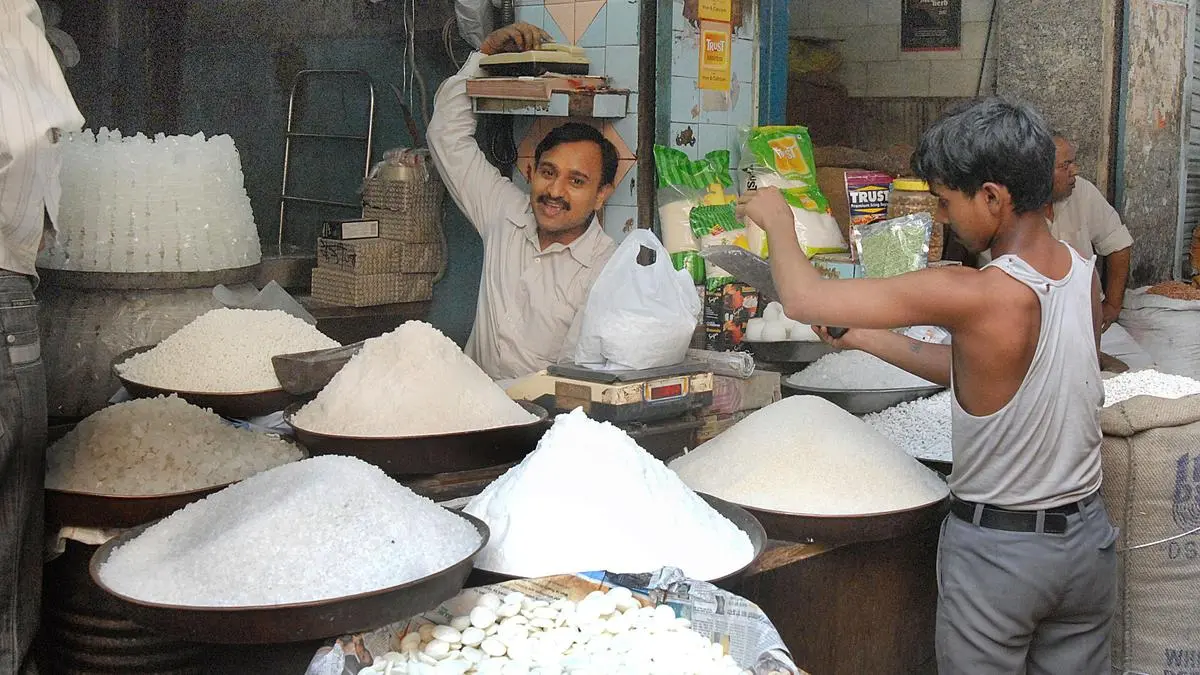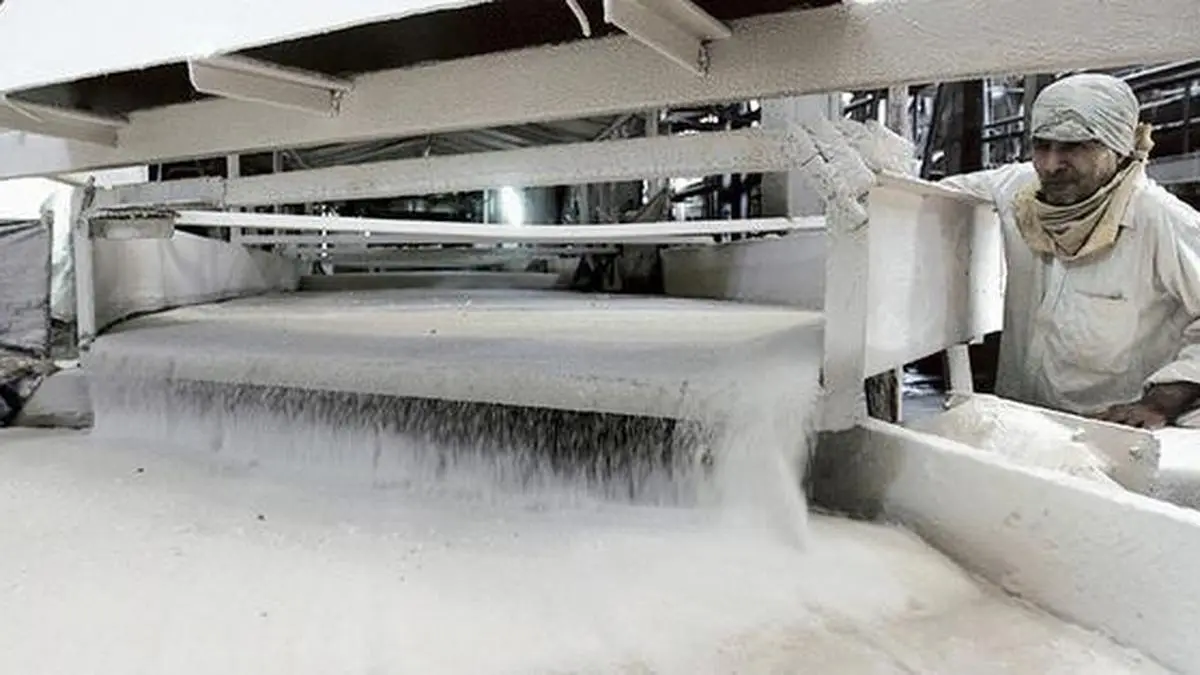
The all-India average prices increased to ₹61.09 per kg from ₹60.8 on Sunday. However, prices are lower by over ₹2 from a week ago.
| Photo Credit:
Sugar mills and traders were locked in a battle of wits as millers kept their open rates higher on Monday. Wholesale prices declined, while retail prices remained firm around ₹60 a kg.“Festive-season speculation on sugar has backfired after traders aggressively stocked up, expecting higher prices that never materialised amid weak consumer demand. Factories now cannot sell the mandatory 40 per cent of stock due by September 7 without cutting prices they refuse to accept," said Dilip Patil, Managing Director of Samarth SSK Ltd and Co-Chairperson of the Sugar Bioenergy Forum (SBF) under the Indian Federation of Green Energy.A sugar trader in Chennai said some millers used the opportunity to hike the prices by 2 per cent. “Mills seem to be getting away with whatever they do, while traders have their backs to the wall,” he said, not wishing to be identified.Logistics hurdlesOn Monday, sugar factories kept their open rates high, but logistic hurdles complicated the situation. “With only two days remaining to lift the allocated sugar for the first fortnight, the scramble for vehicles has turned into a crisis of its own,” said an industry source..Though mills are unable to sell, they are refusing to lower the prices. “However, they are keeping the rates open, which means they will lower prices when under pressure,” said the source.On Monday, mills quoted S-30 grade sugar around ₹4,500 a quintal. Wholesale prices dropped by ₹50-100 a quintal, with prices in Mumbai slipping to ₹4,850 a quintal. Retail up a tadData from the price monitoring division of the Department of Consumer Affairs showed that the all-India average prices increased to ₹61.09 per kg from ₹60.8 on Sunday. However, prices are lower by over ₹2 from a week ago.Sugar prices, which soared to over ₹70 a kg in retail outlets, began to ease after the Indian government permitted duty-free imports of 1 million tonnes of raw sugar, besides taking various measures. These include changing the monthly sales quota to fortnightly, cutting the maximum stocks that traders and bulk buyers can hold, seeking buyers’ details from mills and monitoring the commodity’s movement closely.Under the fortnightly sales quota, mills have to sell 40 per cent of the allocated quota before the first week ends and the rest in the second week. Wrong betsThe industry source said that weeks before the festive season, sugar traders purchased stock aggressively, anticipating that prices would climb further. That bet went wrong.Consumers cut demand, and the anticipated festive demand has not materialised. “With demand weak and prices falling, traders now find themselves sitting on inventory bought at higher rates, facing the prospect of losses. They are now betting on squaring up by buying stocks at lower prices,” said the source.The weekly deadline to fulfil the sales quota has become a flashpoint. Besides, with traders not lifting stocks and prices dropping, mills shifted from the tender route, as it was not viable. “Therefore, they are now selling at open market rates, dumping the institutional mechanism, hoping to attract buyer directly,” said the source.This strategy, too, has not worked, as mills are not able to reconcile to a sharp drop in prices. “The result is that the full 40 per cent of the stocks mandated for sale by September 7 may not happen,” the source said. Global prices dipTraders are trying to manage buying more at lower prices but it leaves them exposed in a falling market. Logistics has become an issue as trucks have queued up in front of some factories, while at some places no vehicles are available. With stocks not being lifted, mills could face the prospect of penalties or incur the Food Ministry’s wrath via regulatory action, the industry source said. Unless, sugar mills blink on the price front, they will not be able to meet the 40 per cent quota sales deadline. “Ultimately, it could reflect on the mills’ working capital, and prove costlier than a modest price correction,” said the industry sourceIn the global market, raw sugar futures and cash prices declined. October raw sugar futures on InterContinental Exchange, New York, slid to 18.07 cents a pound. Spot price was 18.02 cents. London white sugar prices for October delivery were $523.90 a tonne.Published on September 7, 2026