It is such a shame that politics gets in the way of governments doing the right thing. Take the commitment, made in 2010 by the Conservative-Lib Dem coalition administration, to raising the state pension annually by whichever measure is the highest of inflation, earnings or 2.5 per cent – the dreaded triple lock. There is no longer a financial or moral justification for keeping the triple lock, but scrapping it represents a political risk that no Prime Minister since has felt like taking.
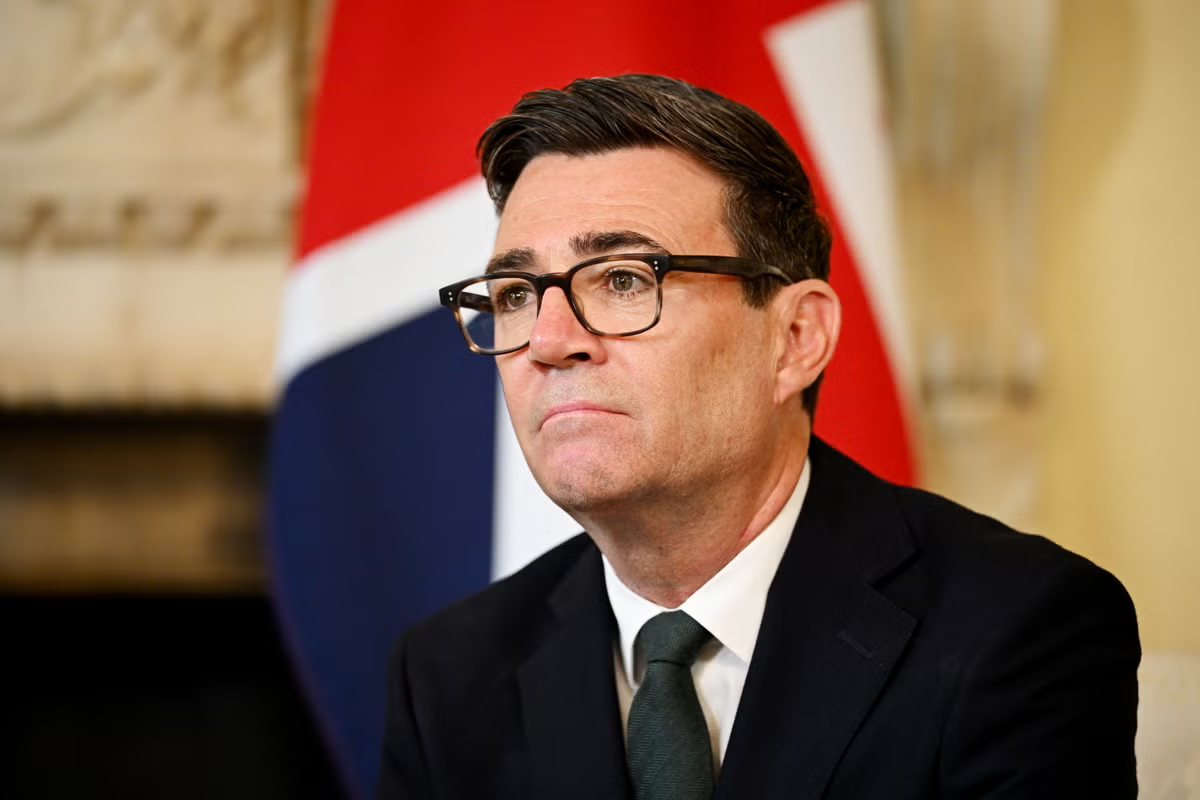
For Andy Burnham, the matter has become critical. He is faced with a gaping hole in the country’s finances caused by decades of living beyond our means, and ending the triple lock, pegging pensions to inflation instead, will – according to the British Chambers of Commerce (BCC) – save the Exchequer around £3.3bn in just two years.
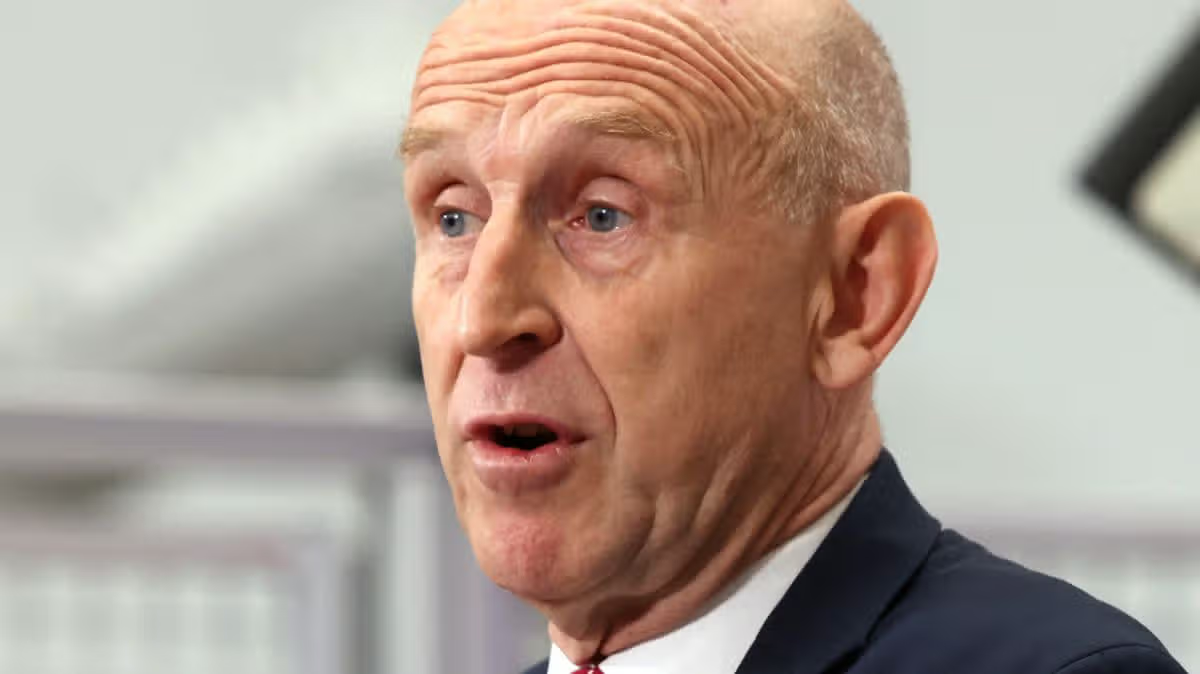
The BCC, representing about 65,000 British businesses, has made its submission to the Chancellor, John Healey, ahead of his forthcoming Budget, and recommends that savings from ending the triple lock should be put towards cutting employers’ national insurance contributions on workers aged 21 to 24.
This goes straight to the moral argument around the triple lock, which, it should be remembered, was only introduced to rebuild the value of the state pension after decades in which it had fallen relative to earnings – not necessarily as a permanent settlement. In the 16 years since, it has become something of a holy writ, and, with an ageing population, its cost to the nation has increased at the same time that other unforeseen pressures – like Covid, for instance – have hit the public finances. The BCC’s submission, therefore, raises the crucial question: when it’s not possible to help everyone in society, should we focus on the young or the old?