Introduction
In the course of the last few months, I got introduced to Machine Learning. I noted that the evolution of AI has led to the introduction and development of many concepts, such as , machine learning; an area of artificial intelligence which enables computers to learn from data rather than just adhering to predetermined instructions created by humans. When fresh data is presented, a machine learning system analyzes examples, finds patterns, and applies what it has learnt to generate predictions or choices. The system's performance often gets better over time as it analyzes more pertinent and high-quality data. Because machine learning can tackle issues that are hard to solve with conventional programming techniques, it has grown in importance as a technology. It is now widely utilized to increase productivity, accuracy, and decision-making in a variety of industries, including banking, healthcare, education, agriculture, transportation, and entertainment.
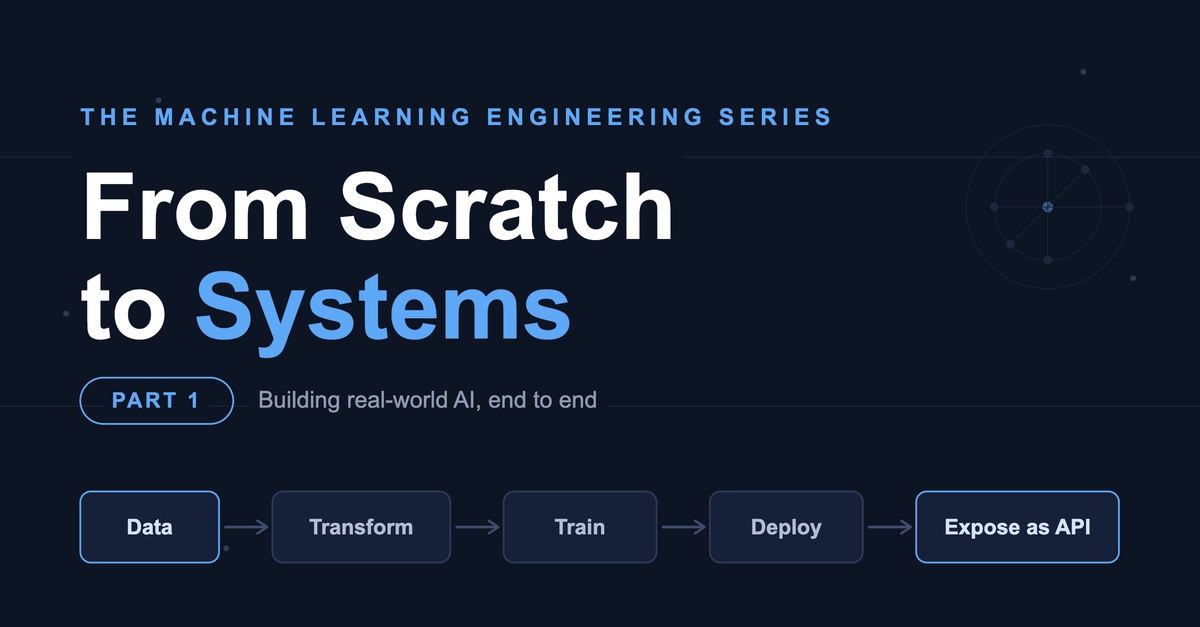
As mentioned above, instead of providing a computer with specific instructions for every scenario, machine learning teaches it to recognize patterns in data. The first step in the process is gathering relevant information about a particular issue, such as photos, medical records, or consumer data. Before being utilized for training, the data is cleaned and arranged to minimize mistakes and enhance its quality. The machine learning model discovers patterns and correlations in the data during training. Also, the accuracy of the model is assessed using fresh data following training. From what I have seen, in real-world applications, the model is utilized to help decision-making or make forecasts if the findings are satisfactory.