Introduction to Self-Hosted AI Agents
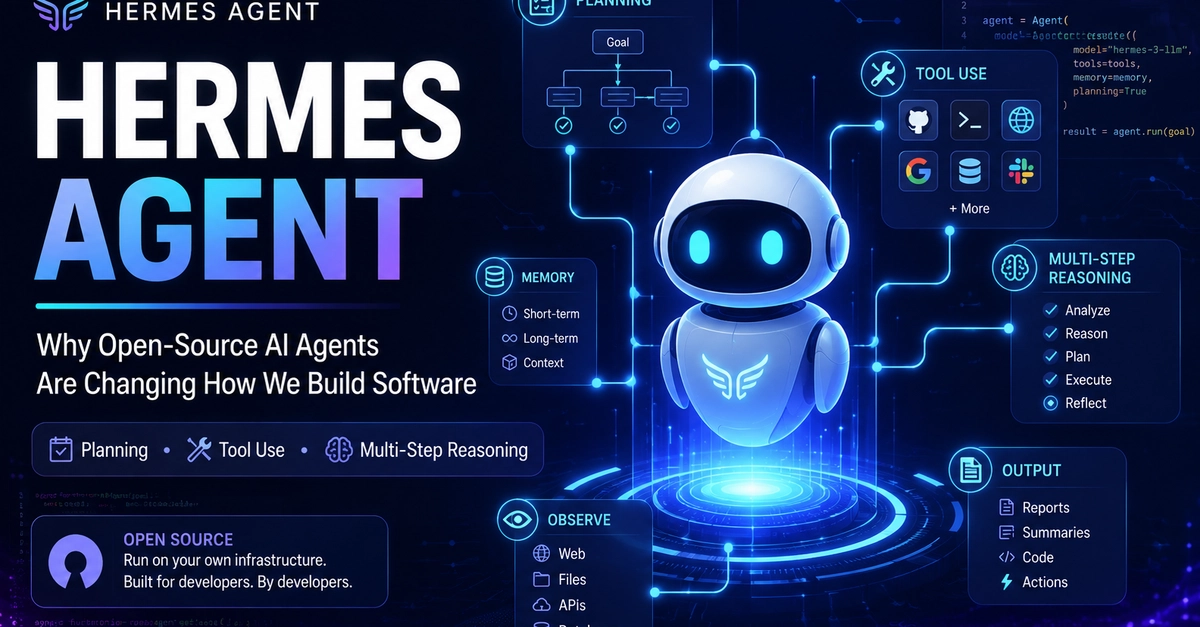
For years, developers have faced a frustrating binary choice in the AI space. You either opt for a proprietary, cloud-hosted agent service that effectively owns your data and restricts your workflow, or you spend countless hours stitching together disparate frameworks and orchestration libraries that require constant maintenance. However, the landscape of AI development is shifting. We are seeing the rise of a third category: a fully open-source, local agent runtime that leverages high-performance inference providers without the recurring cost of expensive subscriptions. This guide focuses on setting up the Hermes Agent by Nous Research on your local infrastructure while offloading the intensive compute tasks to free tier models provided by OpenRouter.
Understanding the Architecture
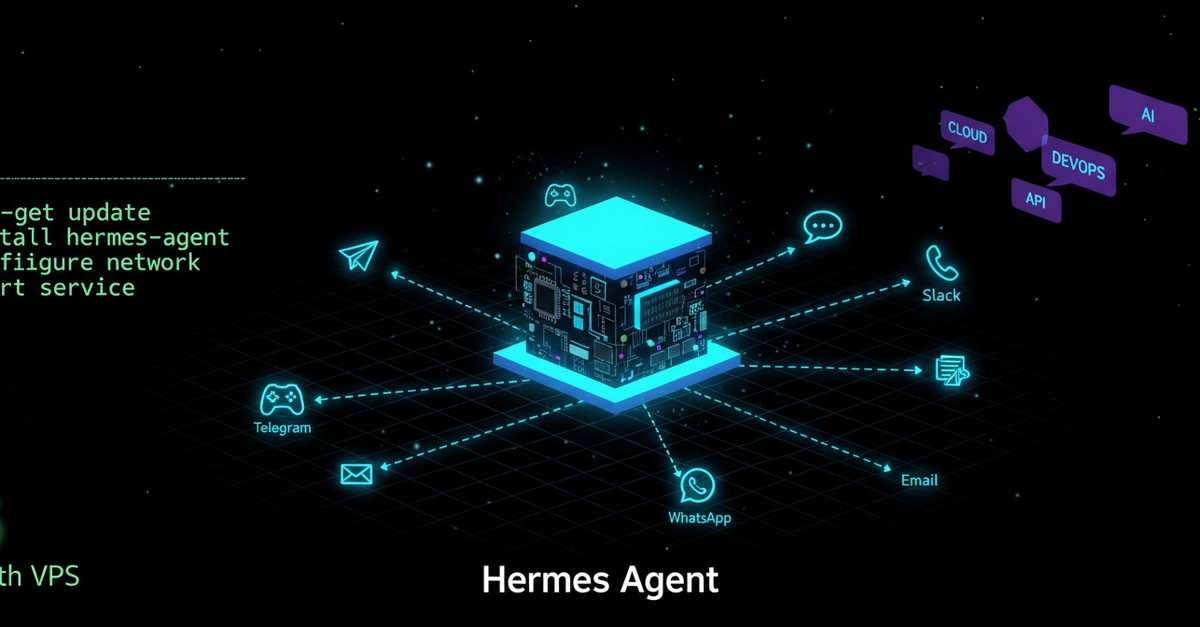
To be precise, when we talk about self-hosting in this context, we refer to the agent control loop, memory management, skill libraries, and local terminal execution. You are not hosting the actual Large Language Model (LLM) weights on your local GPU, which would be prohibitively expensive and technically taxing for most hardware setups. Instead, your machine maintains the state, the file tree, and the decision-making logic, while the heavy lifting of inference is handled via HTTPS calls to OpenRouter.