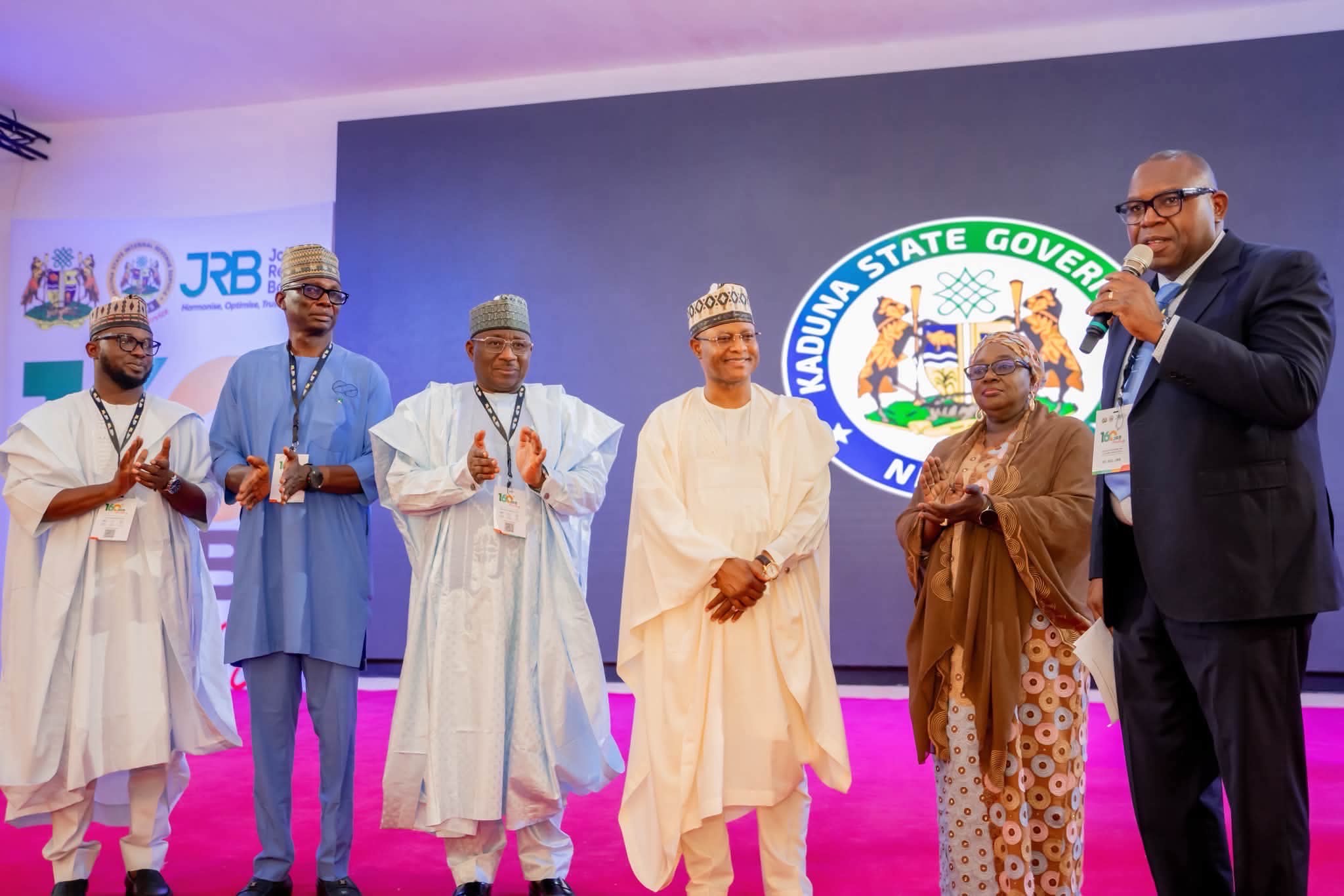
Eighteen State Houses of Assembly have domesticated Nigeria’s model harmonised taxes and levies law, marking a major breakthrough in subnational revenue administration one year into the country’s tax reform implementation.
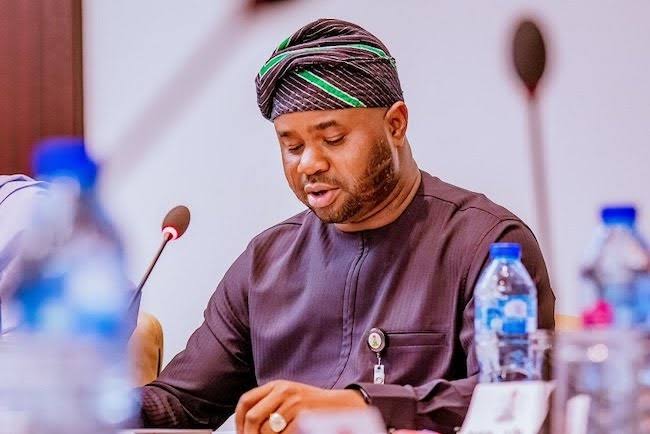
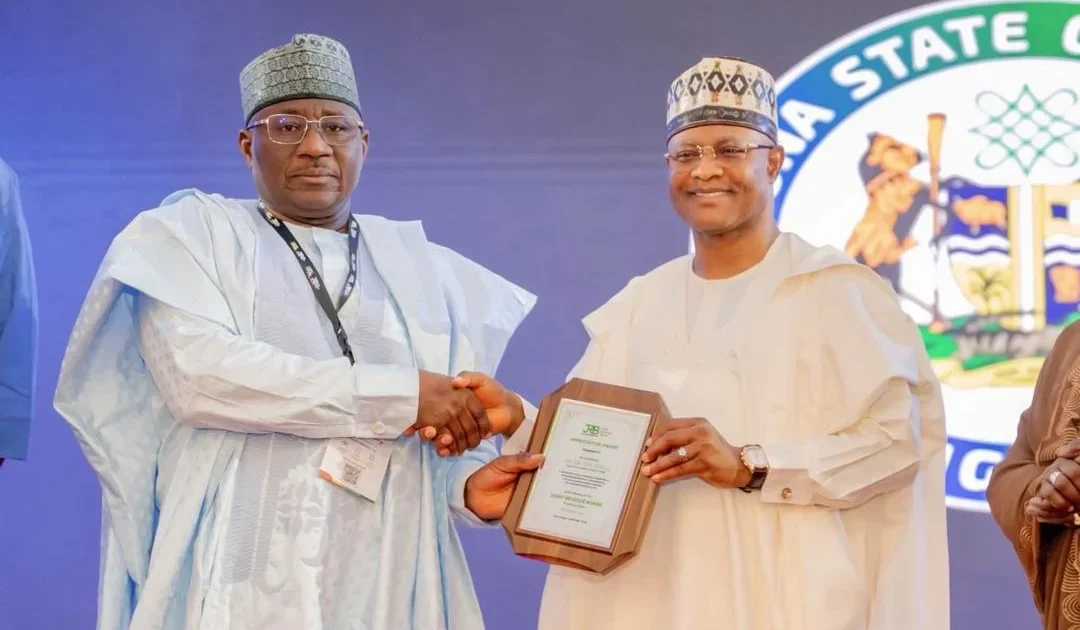
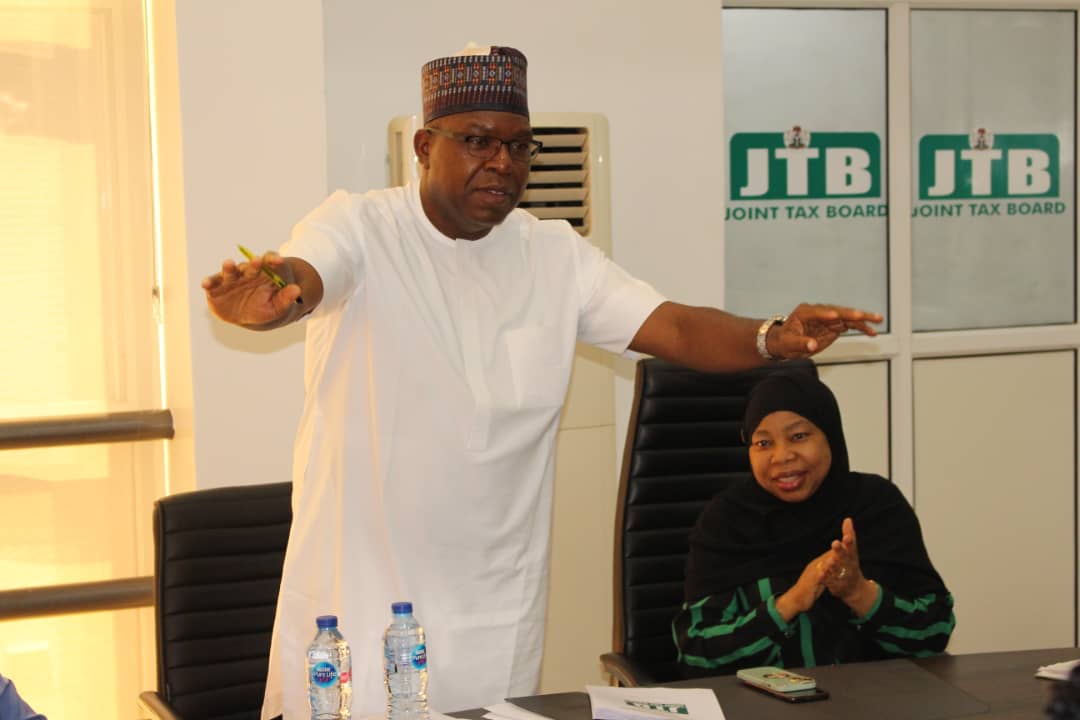
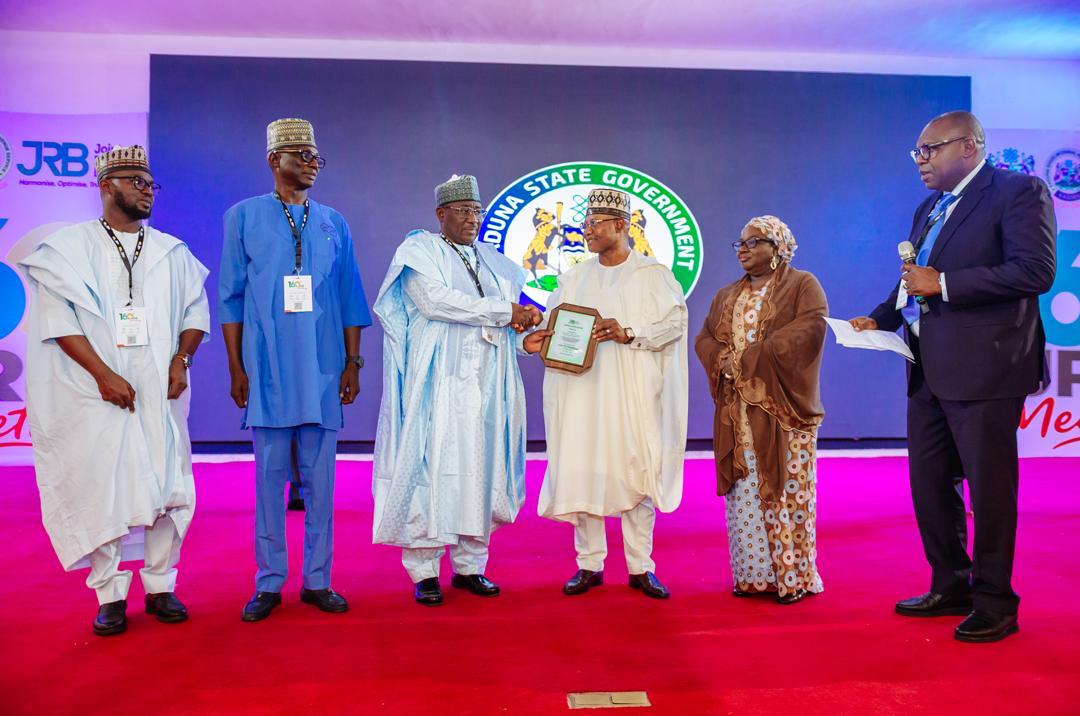
Disclosing this at the Joint Revenue Board’s (JRB) 160th meeting in Kaduna, Olusegun Adesokan, executive secretary of the board stated that the legislation has drastically reduced the over 50 disparate collection items previously administered by states and local government areas down to just nine standardised sub-heads.
He added that the reform also abolishes cash transactions and the mounting of roadblocks for revenue collection, a move hailed as a significant victory for curbing leakages and easing the cost of doing business across subnationals.
Addressing common public misconceptions, Adesokan clarified that the reform framework has not hiked taxes. Instead, it has eliminated multiple nuisance taxes, lowered the tax burden on low-income earners, and introduced relief measures for micro-scale businesses.
Also speaking at the meeting, Uba Sani, Governor of Kaduna state emphasised that revenue collection targets must not overshadow the broader goal of institutional reform.