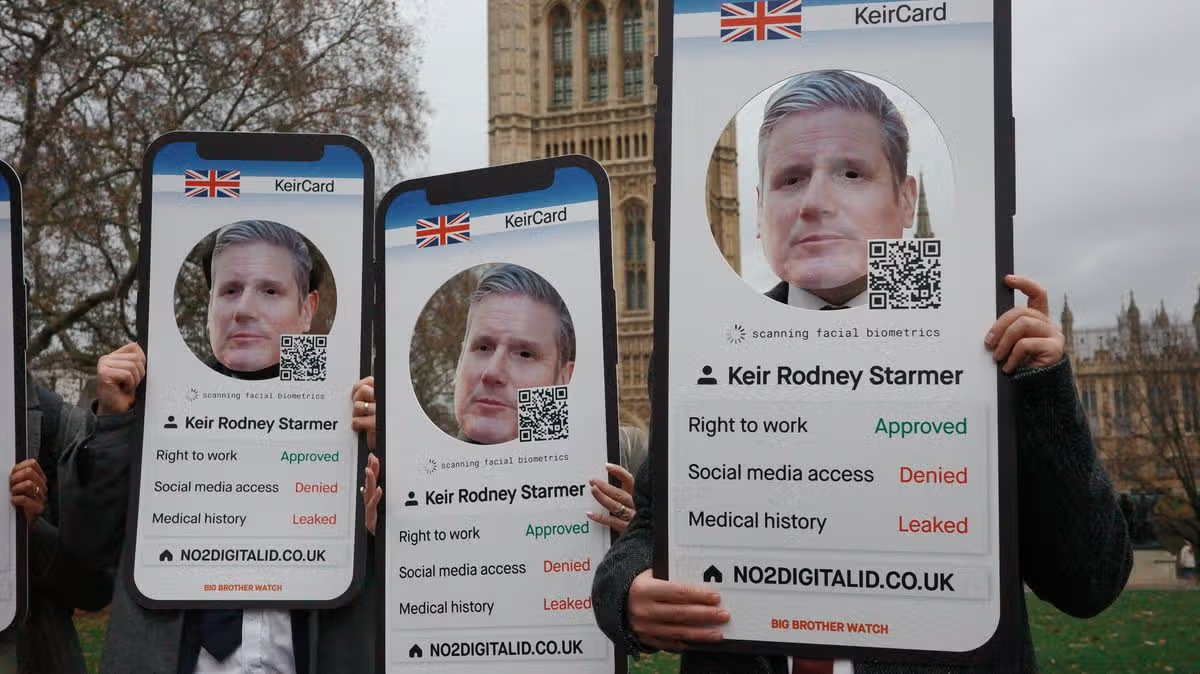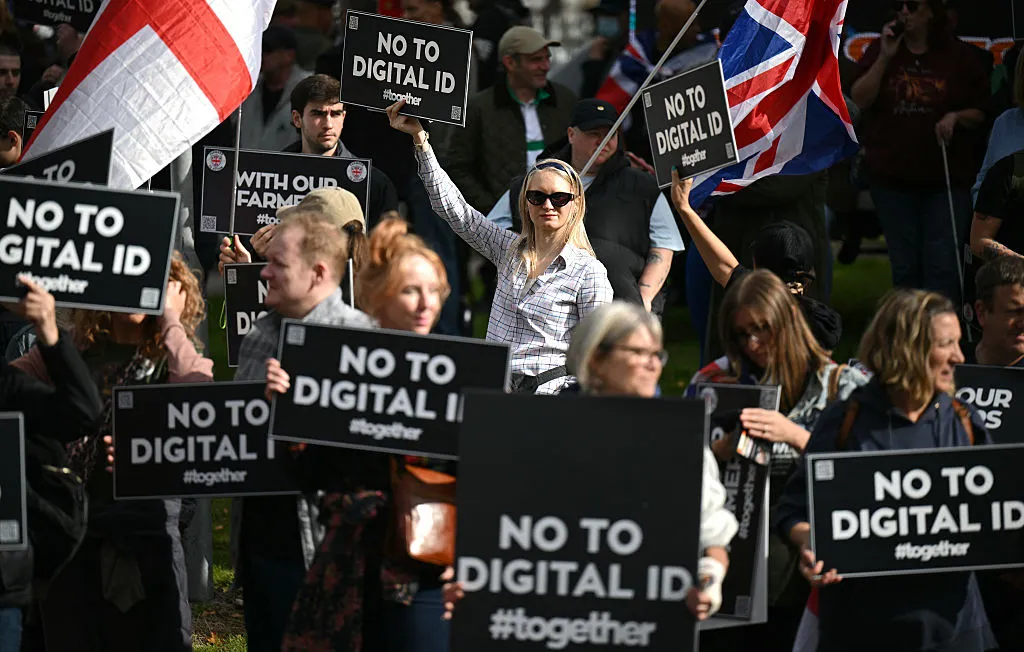
Politically, Andy Burnham’s decision to scrap the UK’s proposed digital ID scheme is easy to understand. Digital ID was deeply unpopular, and cancelling it gave him an immediate win: removing VAT from domestic electricity bills from 1 October.
By then, the debate had escalated into a row over civil liberties and government overreach. Those concerns were in part legitimate, but they eclipsed an important aspect of the case for digital ID. A secure, voluntary ID system could help people who are shut out of financial services because they cannot pass conventional identity checks.
Nobody is arguing for the old scheme to return. But walking away from digital ID altogether leaves a basic question unanswered: how will people who struggle to prove who they are gain access to banking and other essential services?
Identity: the hidden barrier to financial inclusion
The UK has made progress in bringing more people into mainstream banking. The FCA’s Financial Lives survey found that the number of unbanked adults fell from 1.1 million in 2022 to 900,000 in 2024. The number using basic bank accounts rose from 3.3 million in 2020 to 4.3 million over the same period.