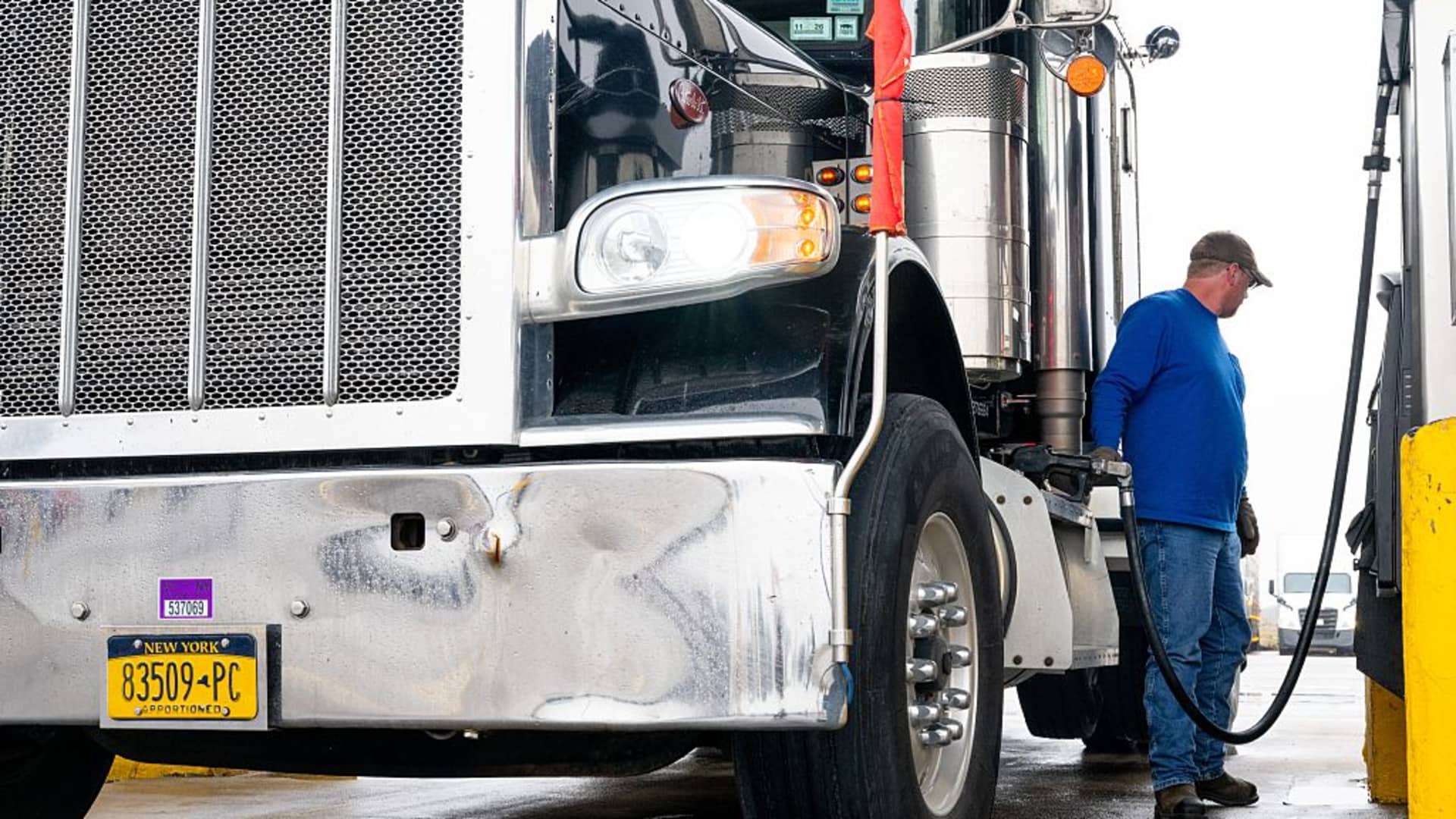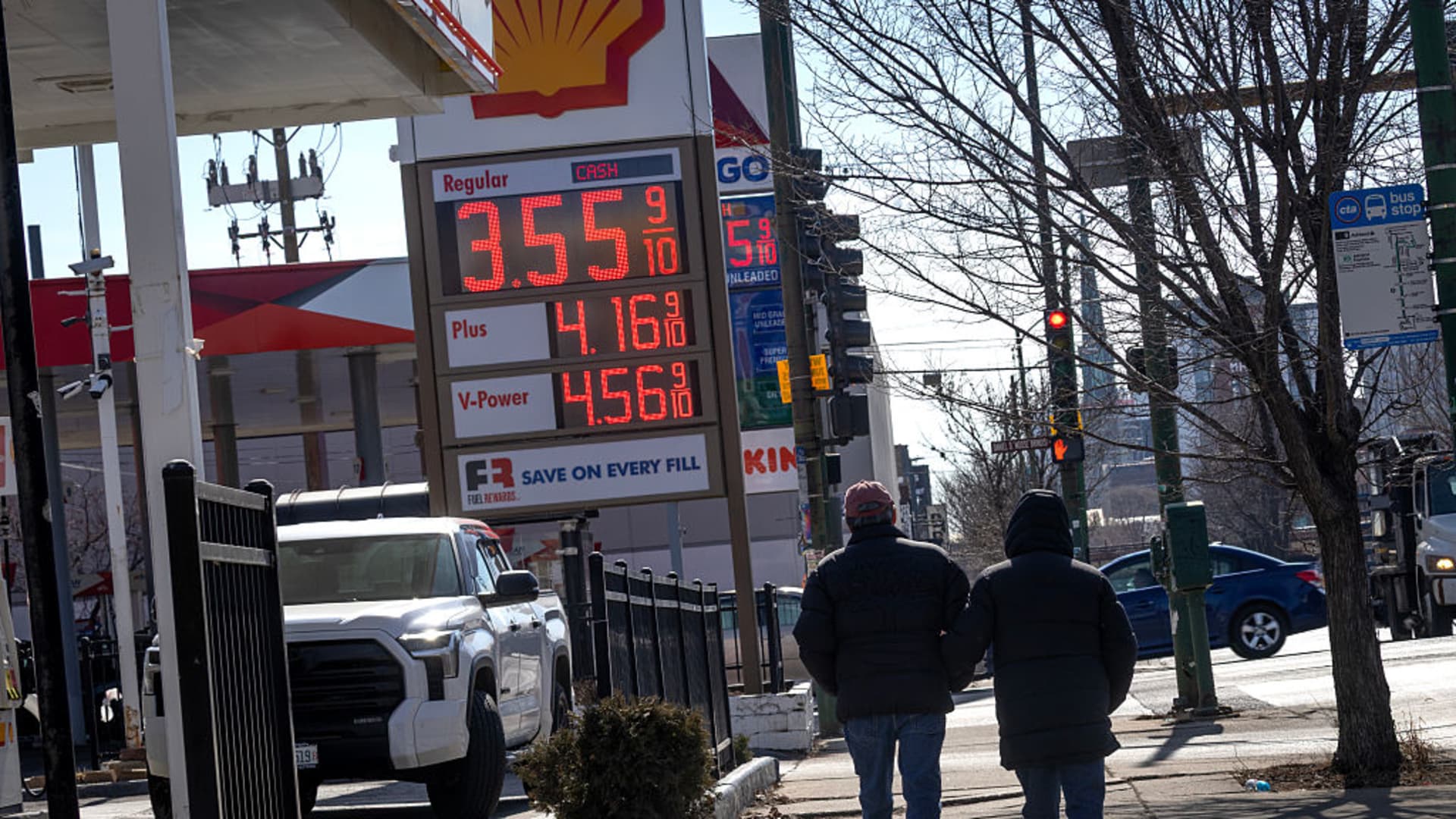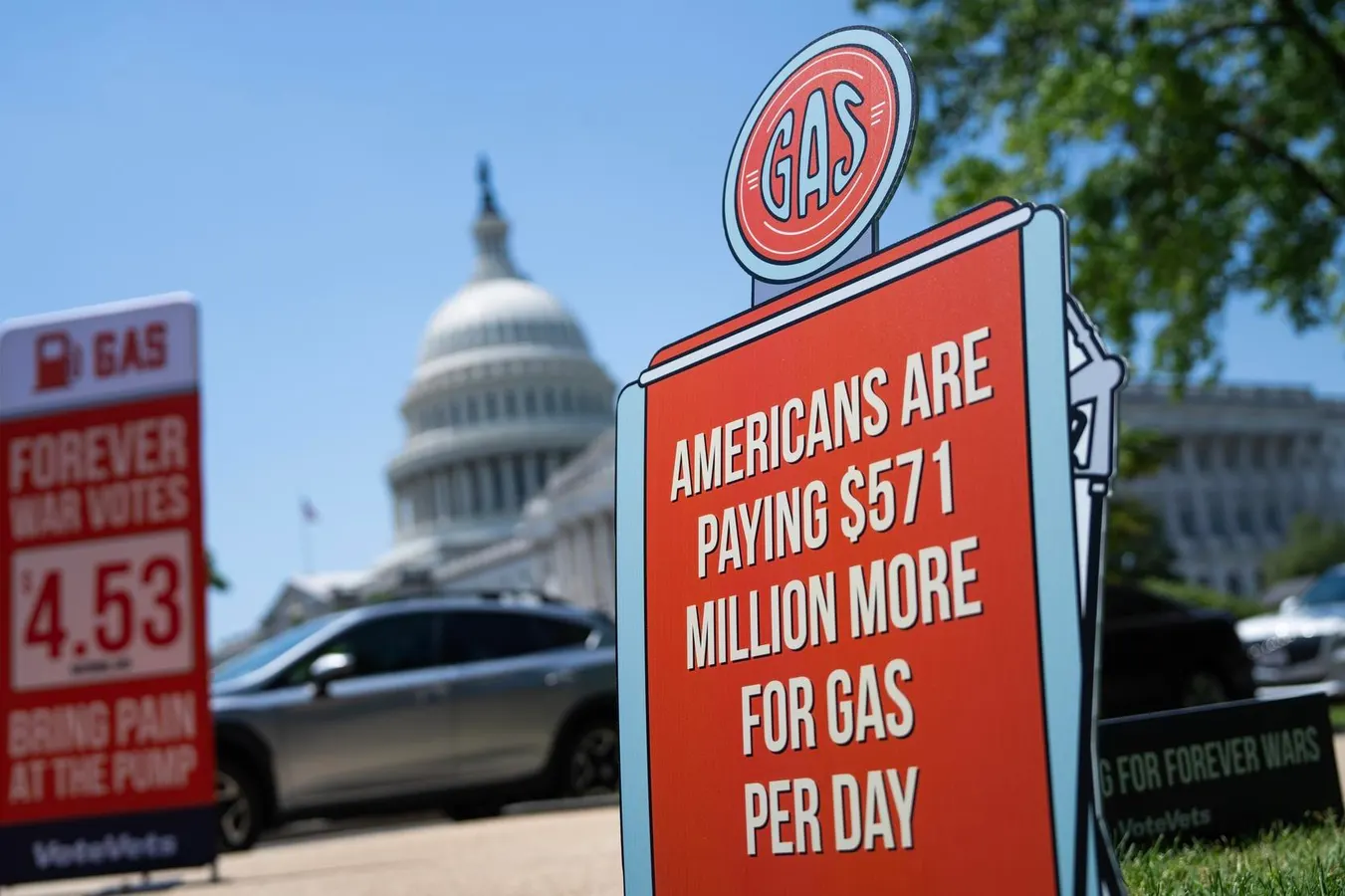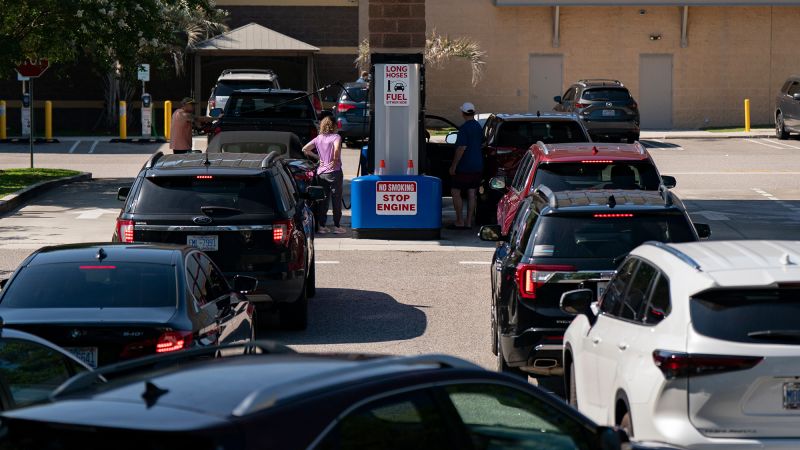
The effects of the Iran war are obvious to most Americans: Gas prices have been hovering above $4 for weeks, mortgage rates are rising toward 7% and companies are adding shipping surcharges to make up for record diesel costs.
Those cost-of-living increases have lasted longer than the Trump administration had claimed they would, although they should eventually reverse themselves if and when the United States and Iran reach a ceasefire agreement.
But other economic changes won’t be so easily reversed. The war has altered the global economy in lasting ways that have reshaped the way the world does business.
Before the war, ships under any country’s banner could freely transit the Strait of Hormuz to collect and deliver goods to and from the Middle East. A fifth of the world’s oil traveled through the narrow passage every day.
The idea of who controls the strait permanently changed after the United States and Israel attacked Iran in late February. Iran declared the strait its own to control, and it attacked vessels that tried to enter or exit the Persian Gulf. The effective closure of the strait gave Iran economic leverage over the United States and its Gulf state allies, closing off 13 million barrels of oil supply to the global economy.