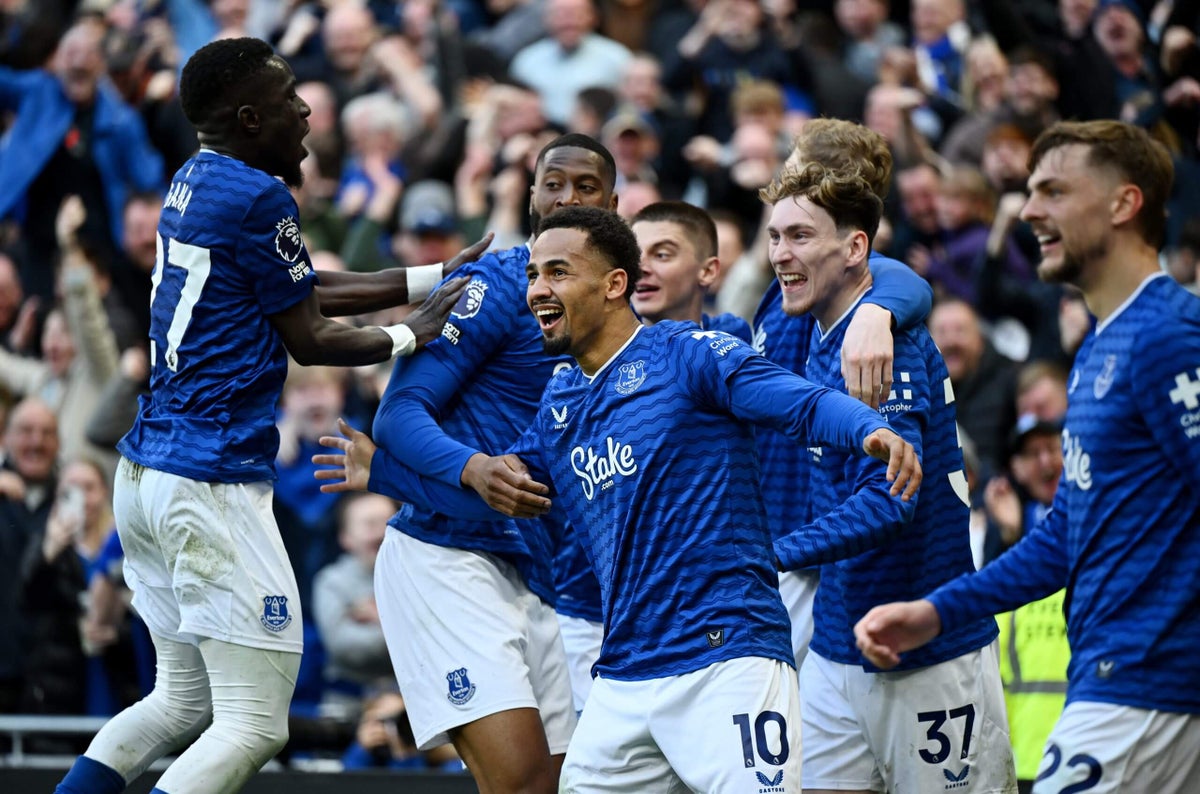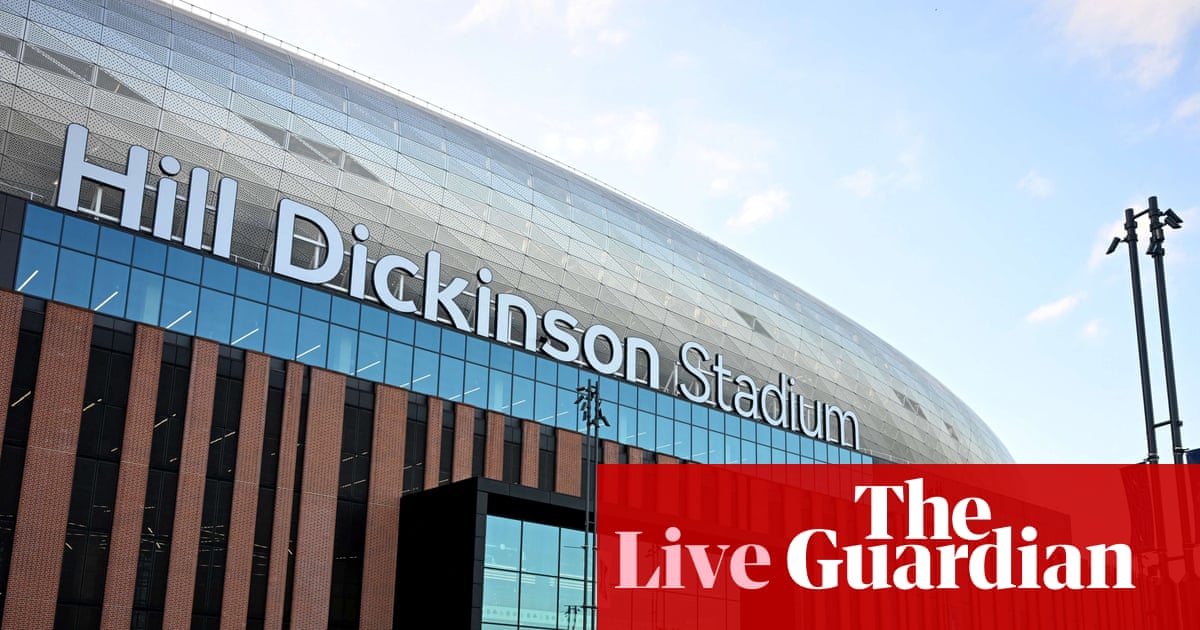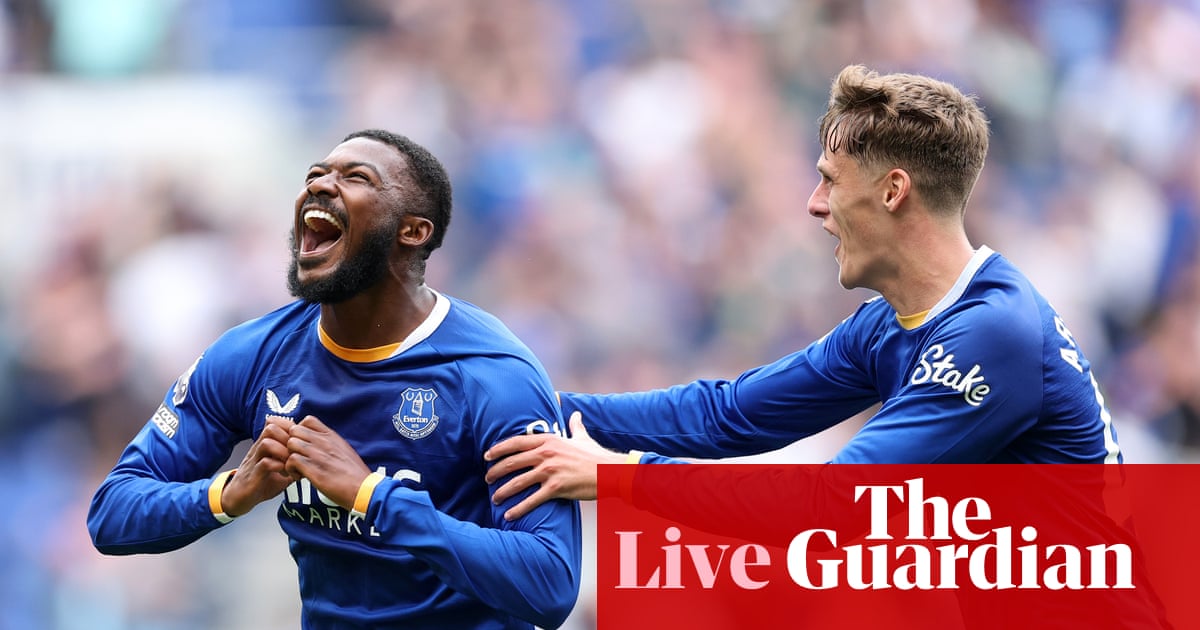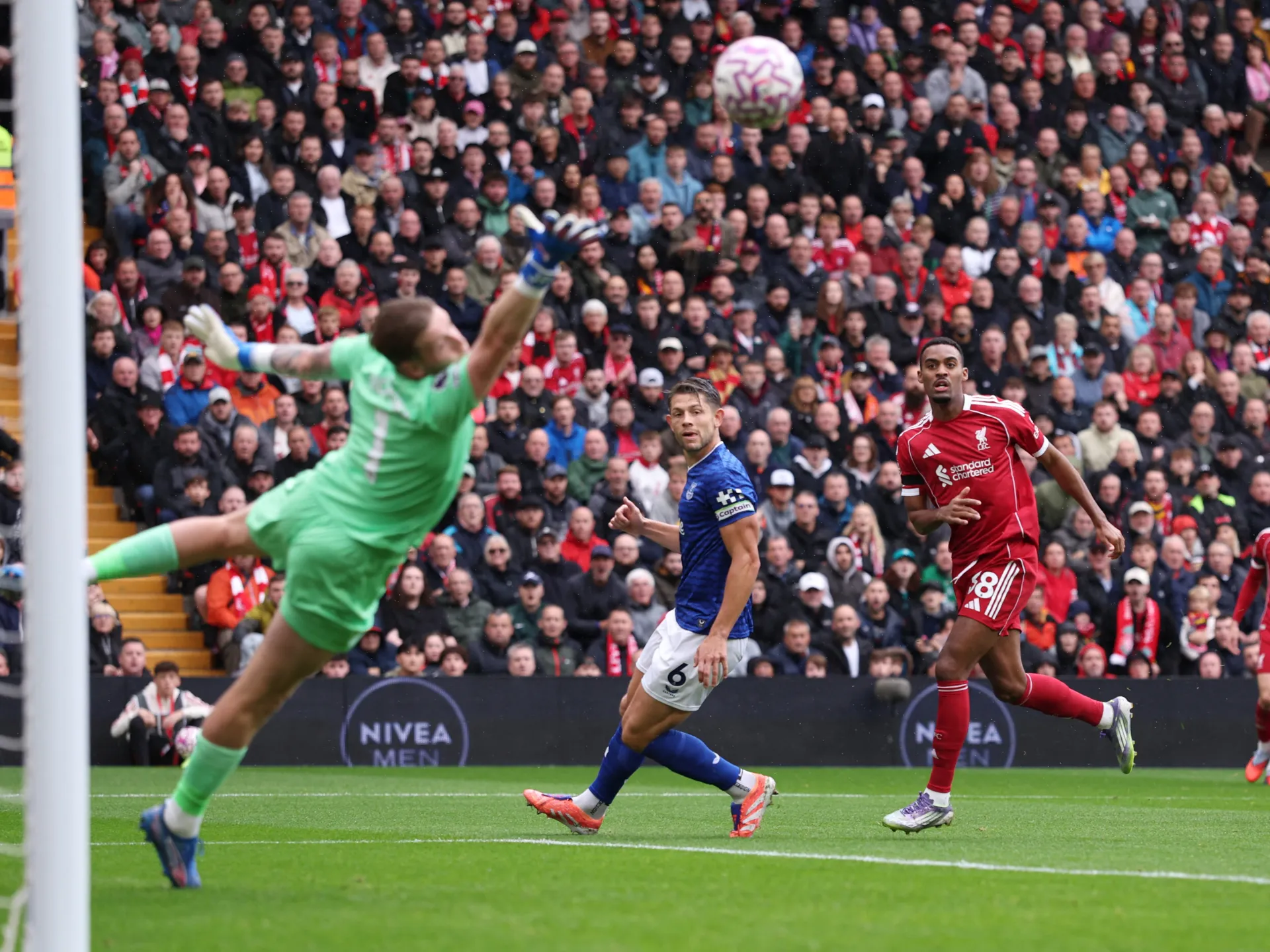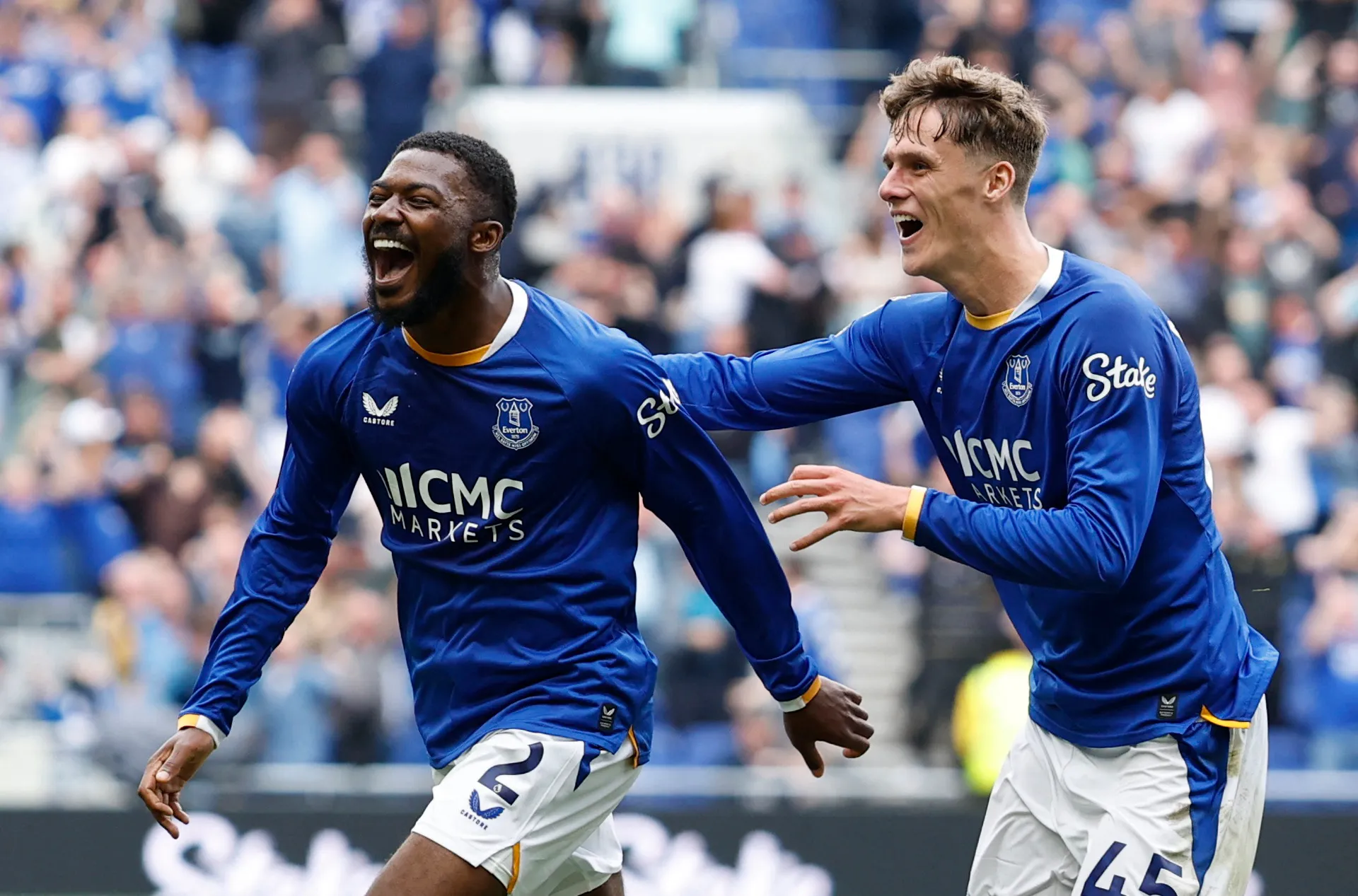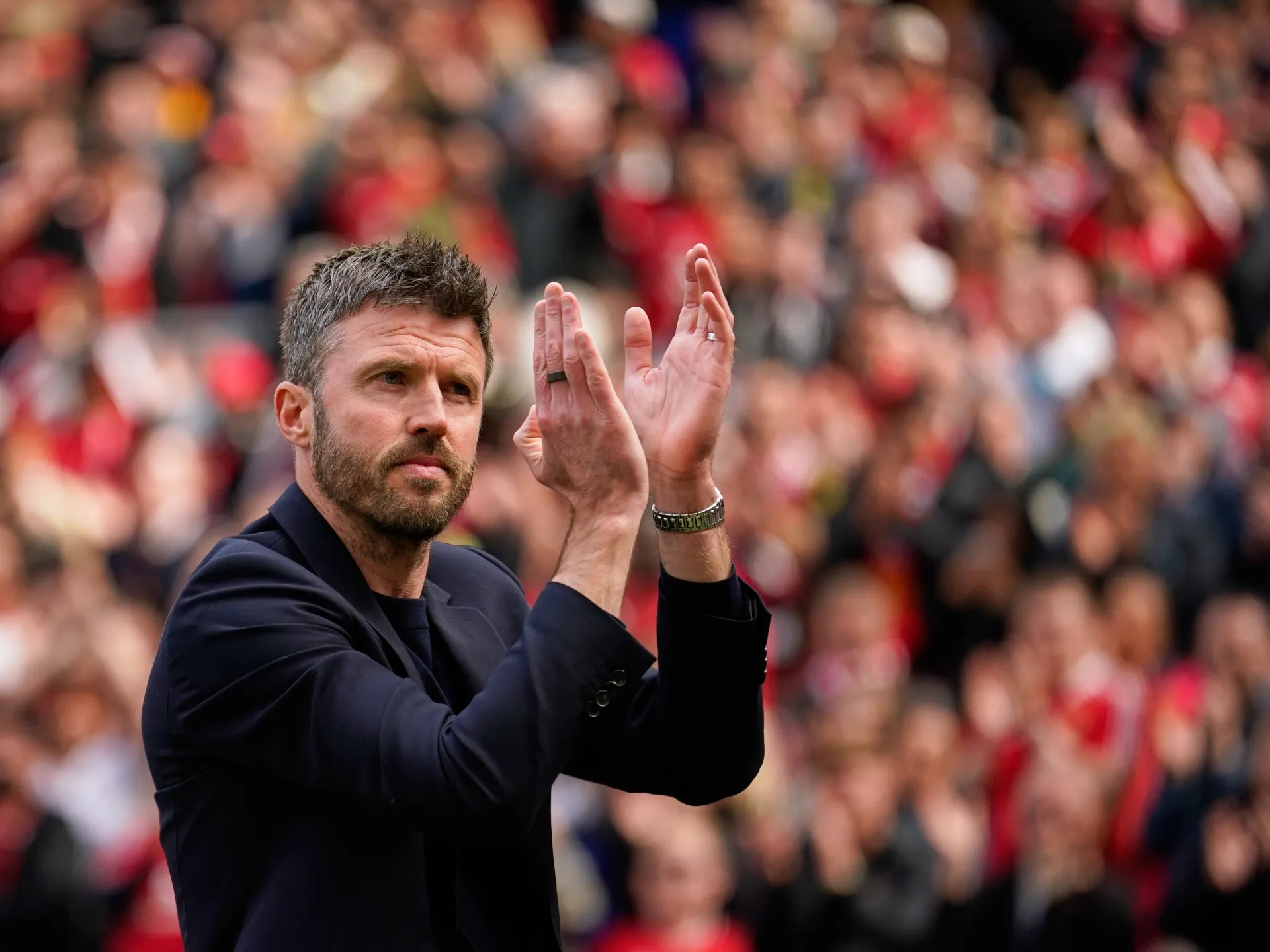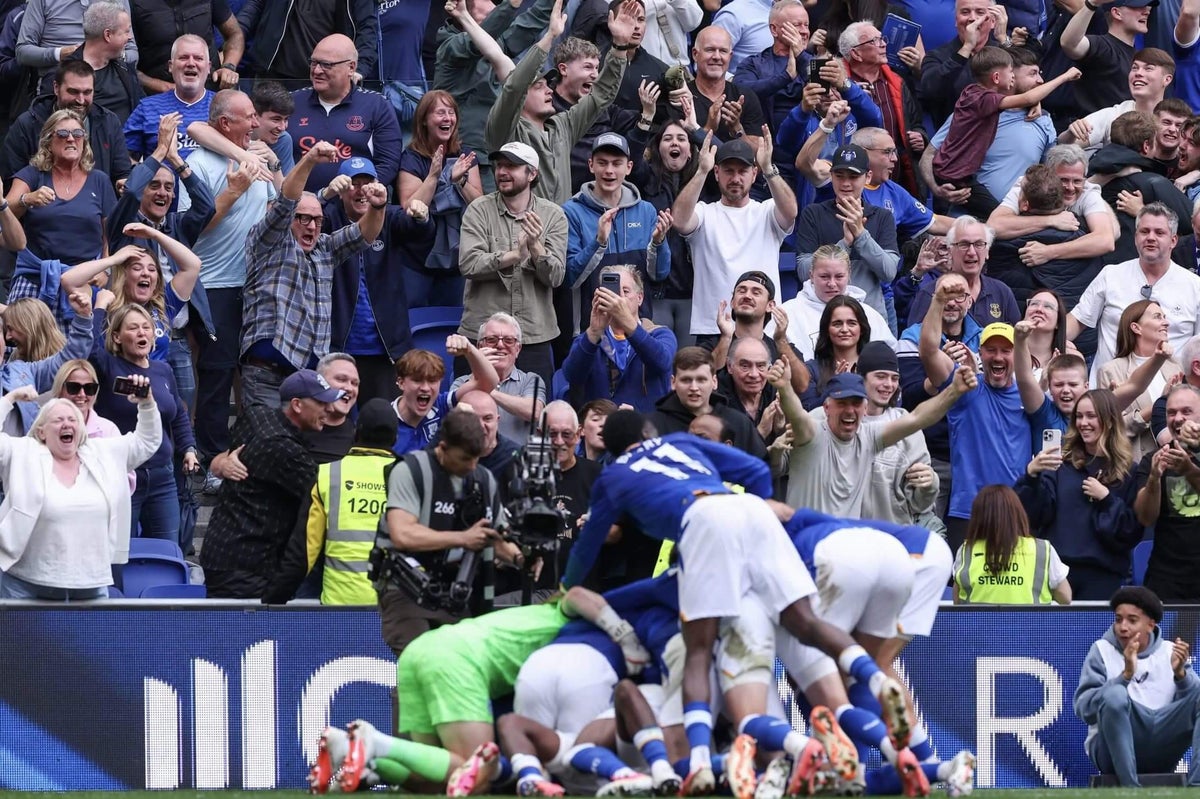
This season, The Athletic is running a new series called Our League, where we will attempt to tell some of the stories of the richest and most watched football league in the world, taking in the brilliance, talent, glitz, controversy, grift, venality and jamboree. Perhaps we will follow the controversies, perhaps we will find an issue to dissect, or perhaps we will go in search of meaning. Maybe we will pick a fun-looking game, just for the hell of it. It might be serious or frivolous, but, over the course of the season, we promise to write about every club and try to explain how it feels to actually be there. No filter.Sunday at Hill Dickinson Stadium, and it is Everton against themselves, Everton against the world. In this thoroughly modern setting — red brick, dockland steel, food carts hawking wood-fired pizza and Brazilian barbecue — an old-school story is played out. It is a blue wall of blocking and clearing until the wall crumbles and the muttering starts. It is disjointed beyond belief, a wrestling match between dismay and elation. Finally, it is a whip-crack of defiance.Full time brings a competing vision; banks of empty seats with an echo of disillusion and the fans who are still there belting out a refrain of “It’s a grand old team to play for; it’s a grand old team to support.” An hour or so later, a man is walking away from the ground in a replica shirt, black jeans and white trainers, saying “This f***ing club” to nobody in particular, and there can be no mistaking what he is getting at.Everton moved to Hill Dickinson Stadium in 2025 (Carl Recine/Getty Images)Entering the sixth minute of added time, Everton are both losing 2-1 to Manchester United and straddling a knife-edge. After a bruising week of self-flagellation and soul-searching, they have grappled and fought. They are toothless, striving, flailing. They have gone behind, eked a way back and then gone behind again: like an ache in their bones. And then there is one more heave and a scorching second equaliser. At the precise moment of giving up, ‘this f***ing club’ refused to.The day could go one of two ways, or so it seemed before kick-off: Everton buckle, the crowd turns, things get ugly; or Everton stick two fingers up and roar.“I honestly don’t know what to expect,” a supporter called Glenn says, clutching a burger from Bramley Bites on Regent Road, ketchup caressing his lower lip. It is noon, two hours until the game, and what lies ahead feels like a holding of breath. “Normally I have an idea of what might happen … this could be anything.”In the end, it is a mishmash of fretting and frailties and obduracy. If mutiny was in the air, it is blown away by the hurricane of sound which greets a stunning goal from Ainsley Maitland-Niles to make it 2-2. Everton taste despair and then wipe it from their mouths.But this is not supposed to be what they are, not now, not railing against their owners, not relying on David Moyes, their manager, not forever hangdog, not always the underdogs.Everton fans get ready for a tense 90 minutes (George Caulkin/The Athletic)“I would say we’re pretty good at it,” Moyes tells reporters afterwards, when asked about his team and their tradition of facing down adversity. “But I don’t want us to be in those moments. I want us to be a club which is building and ambitious, which is trying to challenge the top teams.”Three games into the league season, they are not that, but they are still standing, still unbeaten. And they are still Everton, right to the core.No club have spent more time perching on the highest rung of English football than Everton. In this respect, they are a model of consistency; being here is part of their identity. Alongside Arsenal, Manchester United, Chelsea, Tottenham Hotspur and Liverpool, the latter their great intra-city rivals, they are ever-presents in the 34-year-old Premier League, although at this point, the idea of consistency mutates into something else. The purpose of them being here is less easy to explain.
Our League: Everton 2 The World 2 – a fracturing, splintering club fights back
A wrestling match between dismay and elation as Everton battle back for a point at the end of a torturous week
1,978 words~9 min read