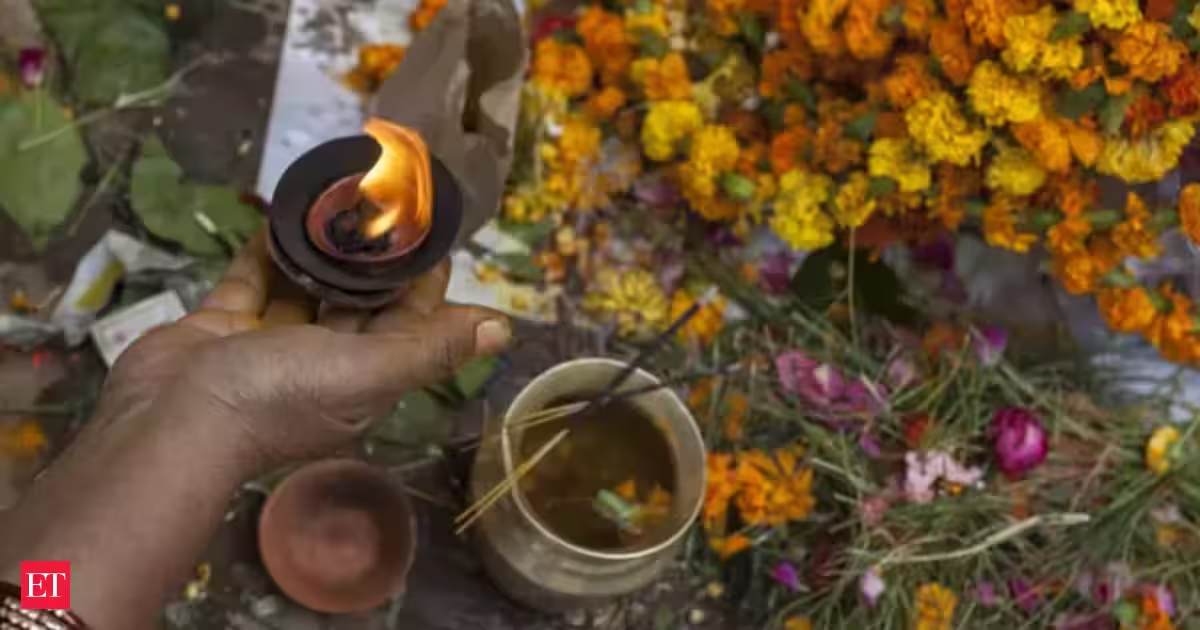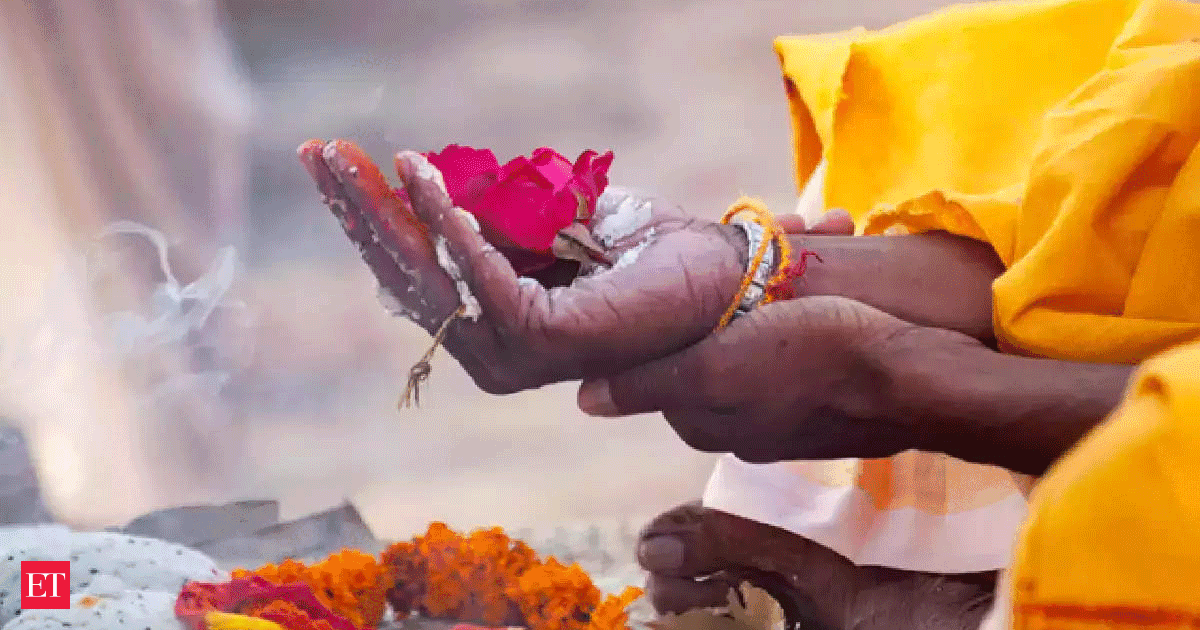
Pithori Amavasya 2026 will be observed on Thursday, September 10. The sacred Amavasya falls during the Bhadrapada Krishna Paksha and is especially associated with prayers for children’s wellbeing, family prosperity and protection. In traditional observance, women worship Goddess Pithori along with the Matrikas and Yoginis and observe a fast seeking blessings for their children and family lineage.According to the Panchang, the Amavasya Tithi begins at 10:33 AM on September 10 and ends at 8:56 AM on September 11, 2026. Since Panchang timings can vary slightly by location, devotees should check timings for their city before performing time-sensitive rituals.Pithori Amavasya 2026 Date and TimeEventDate & TimePithori AmavasyaThursday, September 10, 2026Amavasya Tithi BeginsSeptember 10 at 10:33 AMAmavasya Tithi EndsSeptember 11 at 8:56 AMDayThursdayLunar PhaseKrishna Paksha AmavasyaMonthBhadrapadaThe Amavasya Tithi spans September 10 and the morning of September 11, which is why some calendars may display the Amavasya across both dates. The observance of Pithori Vrat, however, is associated with September 10, 2026.Important: Pradosh and puja timings are location-specific. For example, Panchang calculations for different Indian cities show different Pradosh windows even though the Amavasya Tithi remains the same.Also Read: September 2026 Purnima and Amavasya Dates: Rituals, Timings and SignificanceWhat Is Pithori Amavasya?Pithori Amavasya is a significant Hindu observance traditionally associated with Goddess Pithori and the divine mother energies represented by the Matrikas and Yoginis.The vrat has a particularly strong connection with mothers and family welfare. Traditionally, women observe the fast and perform worship with the intention of praying for their children's health, longevity, protection and overall wellbeing.The name Pithori is connected with pishta, referring to flour or a flour-based preparation. Traditional worship can therefore include symbolic figures made from wheat flour or dough.The observance is also known by different names in different regions, including Pithori Amavasya, Bhadrapada Amavasya, Pithori Amavas and Matru Amavasya.Also Read: September 2026 Hindu Festival Calendar: Janmashtami, Ganesh Chaturthi, Teej & Pitru Paksha DatesWhy Is Pithori Amavasya Important?The central theme of Pithori Amavasya is motherhood, protection and family wellbeing.According to traditional beliefs, observing the vrat and worshipping the divine mother forms is considered a way to seek blessings for:Children's health and longevityProtection from negative influencesPeace within the familyProsperity and wellbeingContinuity of the family lineageRelief from traditional ancestral or planetary concernsSpiritual strength for mothers and familiesThe observance is therefore not simply about fasting. It combines prayer, devotion, family welfare and reverence for feminine divine energy.Pithori Amavasya 2026 Puja VidhiThe exact customs can differ according to region and family tradition, but a traditional Pithori Amavasya observance generally follows these steps:1. Take a Purifying BathDevotees traditionally begin the day with a bath and wear clean clothes before preparing for the vrat and puja.2. Take a SankalpA sankalp, or personal religious resolve, is made before beginning the observance. Traditionally, the devotee expresses the intention behind undertaking the Pithori Vrat.For many mothers, this intention centres on the health, safety and prosperity of their children.3. Prepare the Puja SpaceA clean area is prepared for worship. Depending on local customs, symbolic representations of Goddess Pithori, the 64 Yoginis and Sapta Matrikas may be created using flour or other traditional materials.4. Worship the Sapta MatrikasThe seven mother goddesses traditionally associated with the Sapta Matrikas include: Brahmani, Maheshwari, Kaumari, Vaishnavi, Varahi, Indrani, Chamunda. The worship represents different manifestations of divine feminine power.5. Offer Traditional Puja ItemsDepending on regional practice, devotees may use: Haldi, kumkum, akshat, flowers, incense, diya, roli, mauli and traditional food offerings. Food offerings may include preparations such as roti, puri, kheer, churma, jaggery and ghee.6. Worship the 64 YoginisThe 64 Yoginis are an important part of the traditional Pithori observance. Devotees may remember and worship them as part of the ritual.7. Listen to or Recite the Vrat KathaThe Pithori Vrat Katha is traditionally associated with the observance and can be read or listened to after the puja.8. Complete the Evening PujaThe traditional procedure places importance on worship during Pradosh Kaal, although the exact local window varies according to sunrise and sunset in each city.Pithori Amavasya Vrat: Who Observes It?Pithori Vrat is traditionally associated especially with mothers and married women, who observe it for the welfare and protection of their children. However, Hindu religious observances can vary significantly between regions and families. People who wish to follow the vrat should therefore follow the customs of their family tradition or consult a knowledgeable priest, particularly regarding fasting rules.Pithori Amavasya 2026: Spiritual SignificancePithori Amavasya brings together several themes that remain important in Hindu family traditions: motherhood, protection, gratitude, devotion and remembrance. For mothers observing the vrat, the day can become an opportunity to consciously pray for their children's future and wellbeing. For families, it can also be a time to remember ancestors and reconnect with traditions that have been passed down through generations.Rather than viewing the day only as a fasting ritual, Pithori Amavasya can be observed as a day of prayer, family bonding, charity and spiritual reflection.Pithori Amavasya 2026: What To Do On September 9As Pithori Amavasya 2026 falls tomorrow, September 10, devotees observing the vrat can use September 9 to complete their preparations. Clean the puja area, arrange the required samagri, including flour, haldi, kumkum, flowers, diya and offerings, and check the local Panchang for the applicable puja or Pradosh timings. Those planning to fast should decide their fasting method according to their family tradition and prepare any permitted food or vrat items in advance. Devotees can also take this time to make a personal sankalp and mentally prepare for a day focused on prayers for children's health, protection, family wellbeing and spiritual strength.Disclaimer Statement: This content is authored by a 3rd party. The views expressed here are that of the respective authors/ entities and do not represent the views of Economic Times (ET). ET does not guarantee, vouch for or endorse any of its contents nor is responsible for them in any manner whatsoever. Please take all steps necessary to ascertain that any information and content provided is correct, updated, and verified. ET hereby disclaims any and all warranties, express or implied, relating to the report and any content therein.
September Amavasya 2026: Date, Time, Vrat Vidhi & Significance
September Amavasya 2026 falls on September 10. Know the Amavasya Tithi, vrat vidhi, puja rituals, significance and traditional offerings.
1,004 words~5 min read