A year and a half ago I sat in a conference in Silicon Valley and watched an AI agent write production-quality code in real time. I knew our engineering model was going to change, and within a few weeks my team was past the question of whether to adopt AI. The real debate was how far we were willing to go in redesigning how we build legal software around it.
Since then, output per engineer across our R&D organization has roughly tripled. We ship nearly twice as many releases per quarter, deployments have grown from 82 to more than 155, and customer reported defects are down 65% per million lines of code across the last 18 months. We track all of this with DORA metrics, cycle time, pull requests merged per developer, and lines changed per developer against a fixed baseline, and the improvement holds up on every measure.
Getting there had less to do with the tools than with how the organization works. Every CTO I talk to is running some kind of AI coding pilot and seeing decent results: faster prototyping, better test coverage, quicker first drafts. Almost none of them have changed the development life cycle itself, and that is where the real gains were for us.
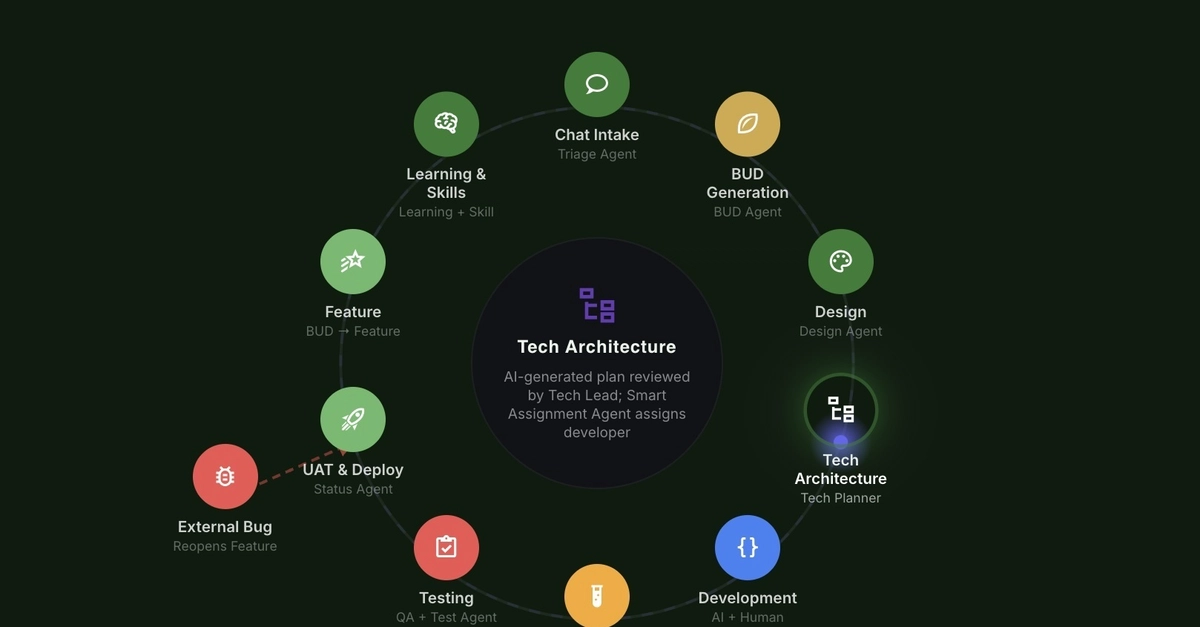
We spent the past 18 months rebuilding our product development life cycle around AI. Requirements, development, testing, security, deployment, and governance all changed, some beyond recognition. We got plenty wrong along the way, and a few of the lessons would have saved us months if someone had handed them to me at the start.