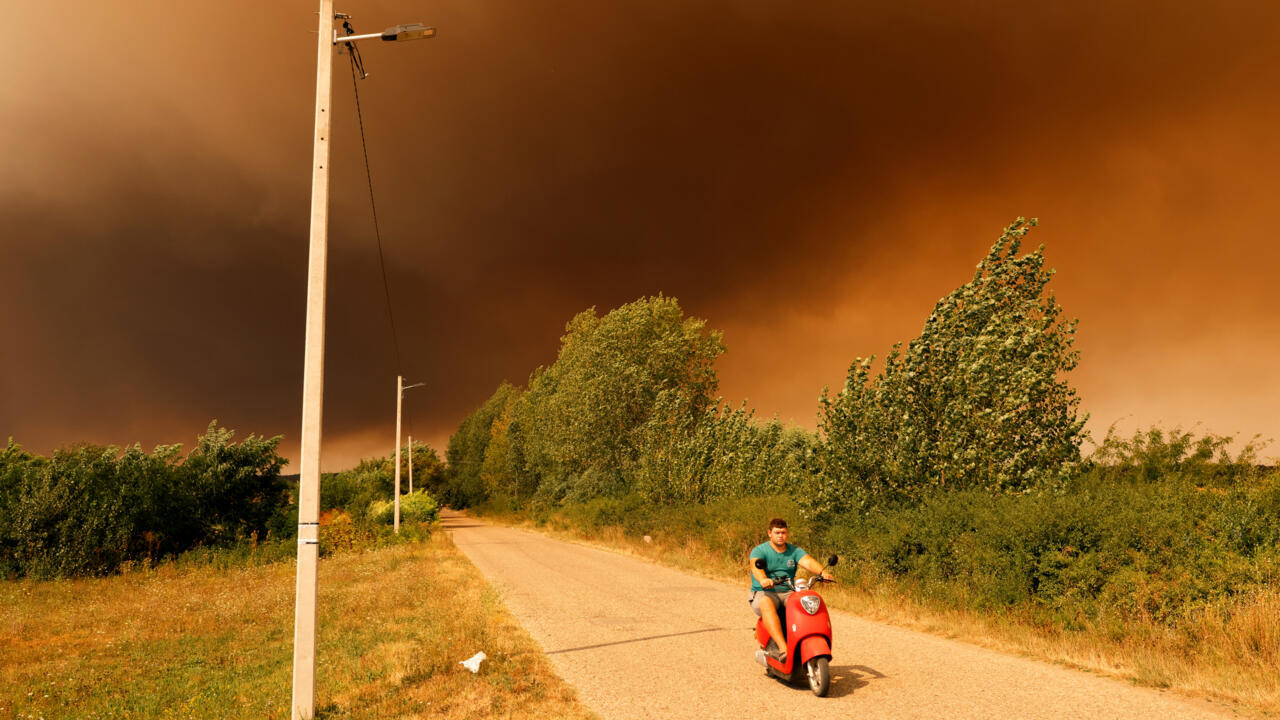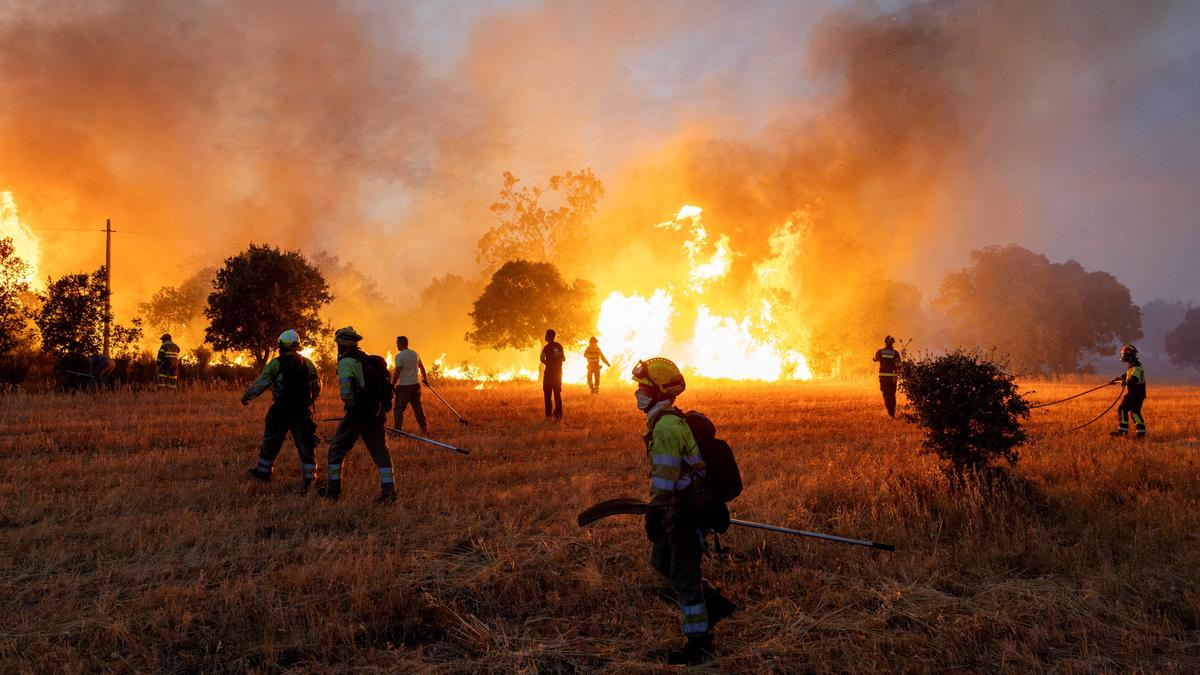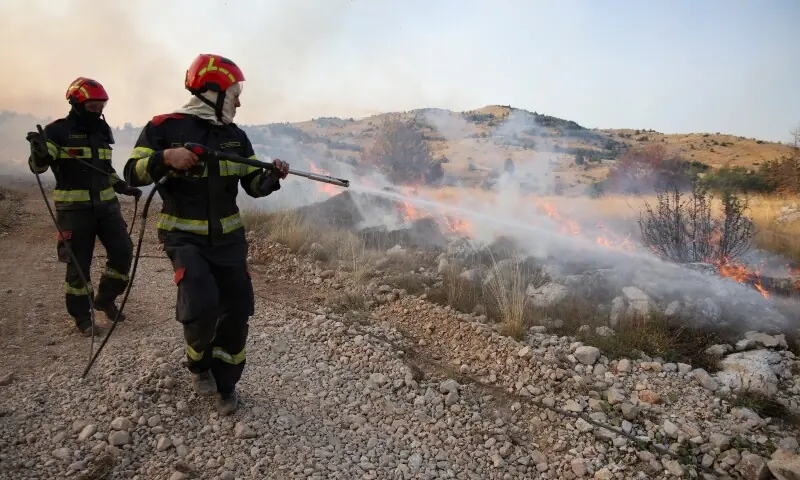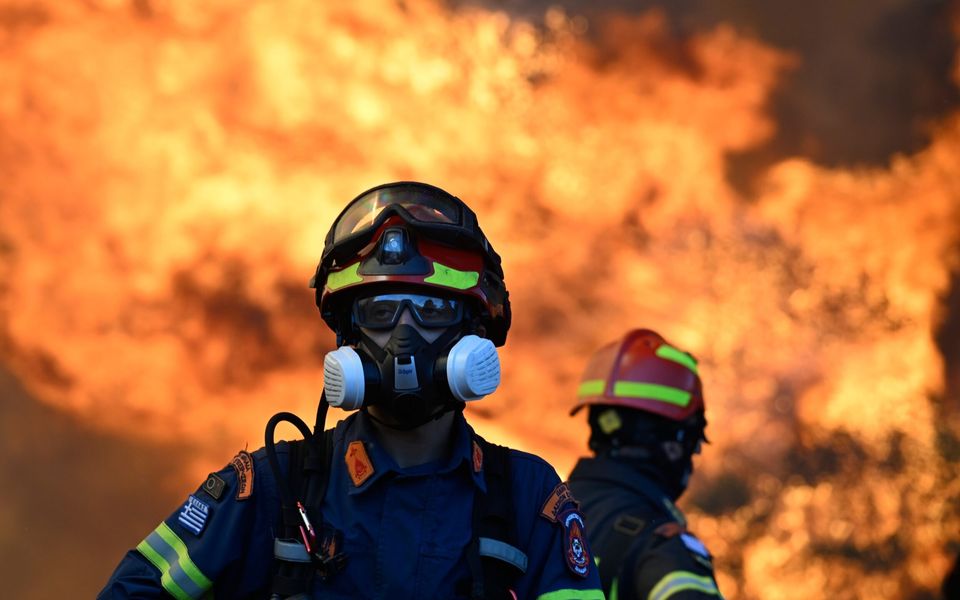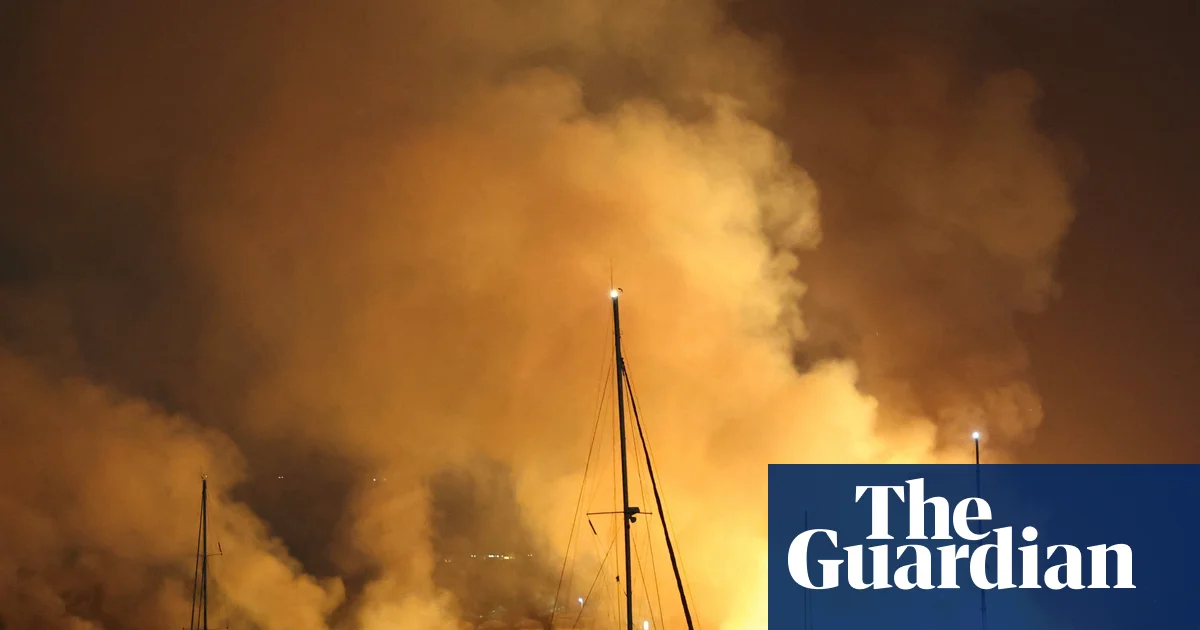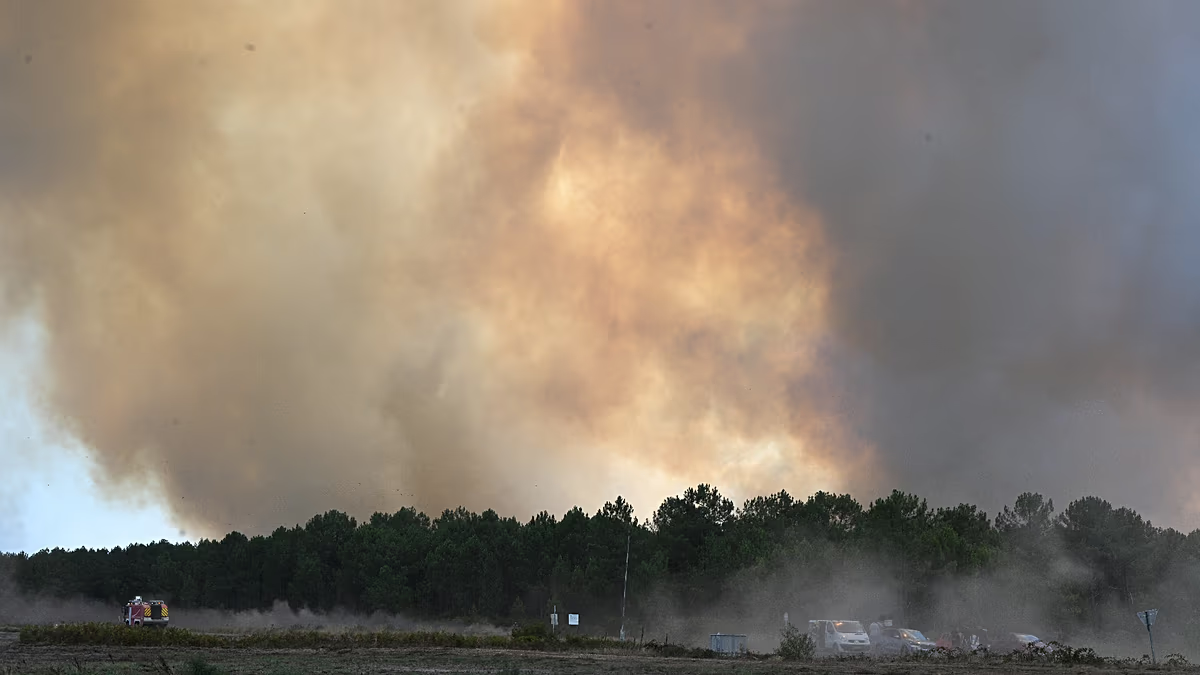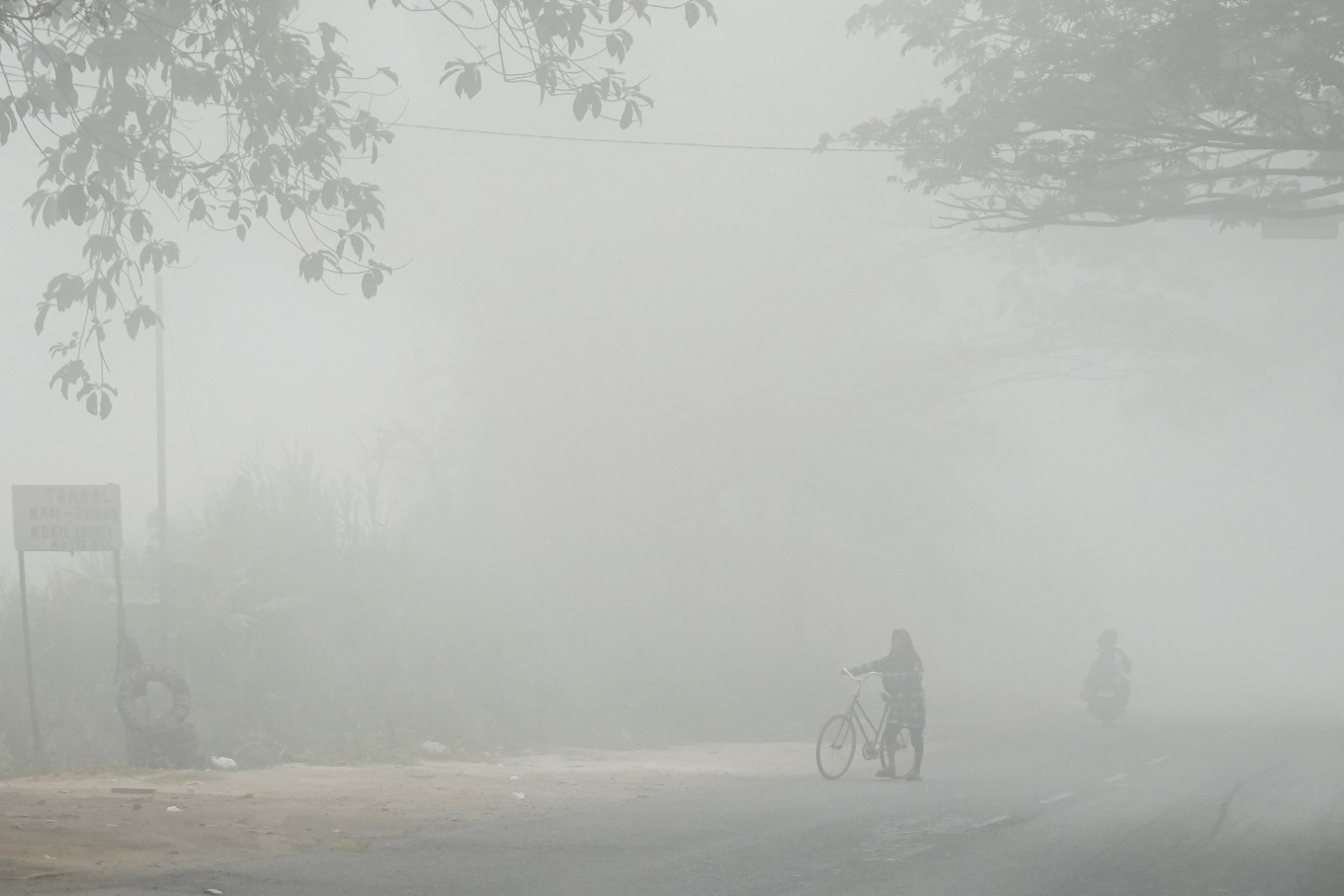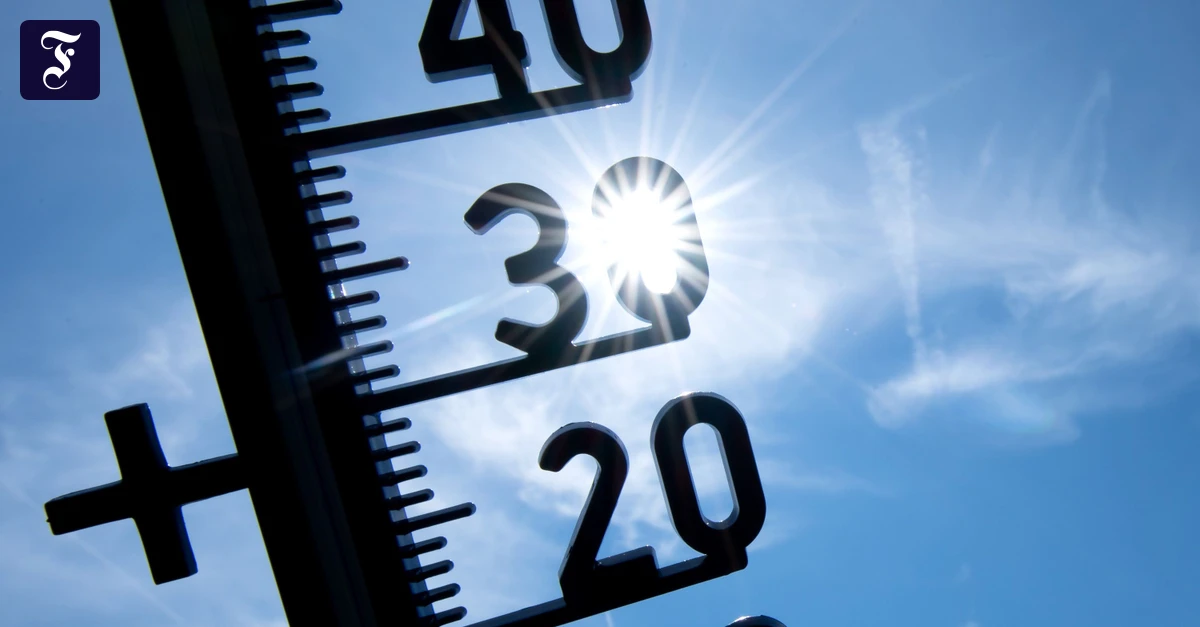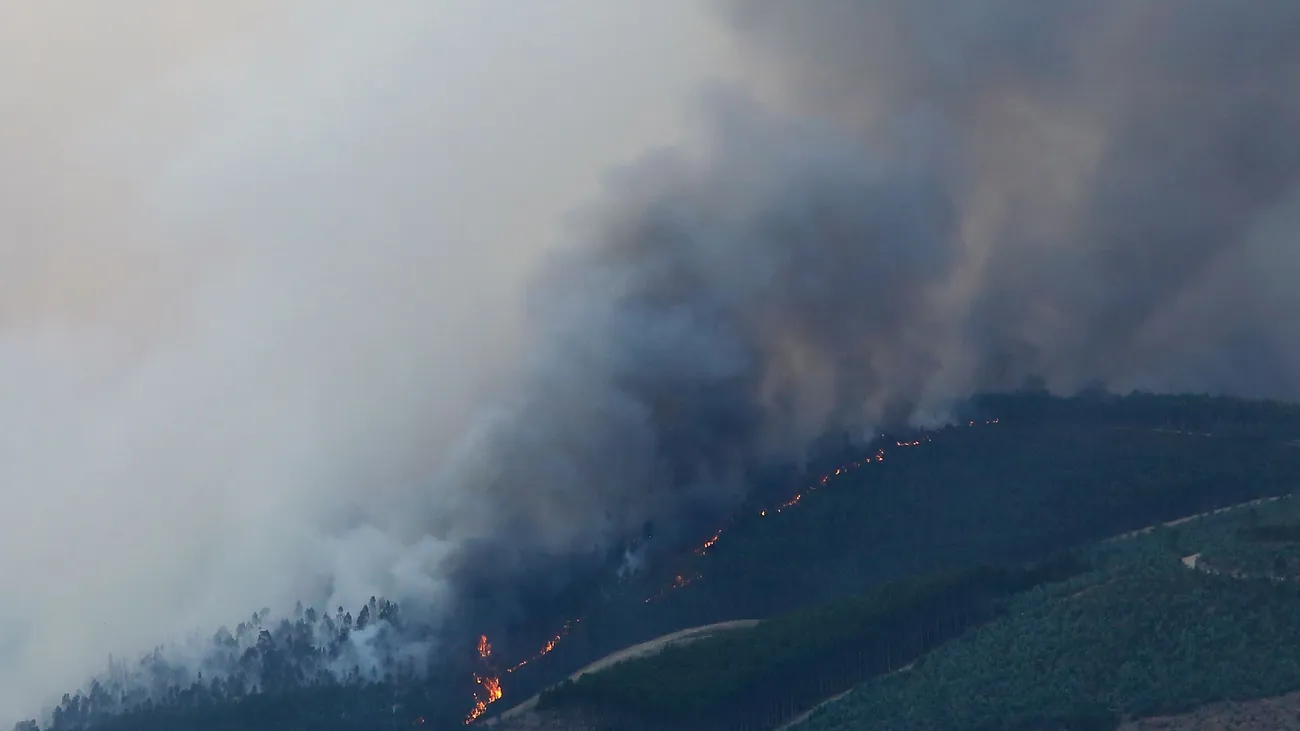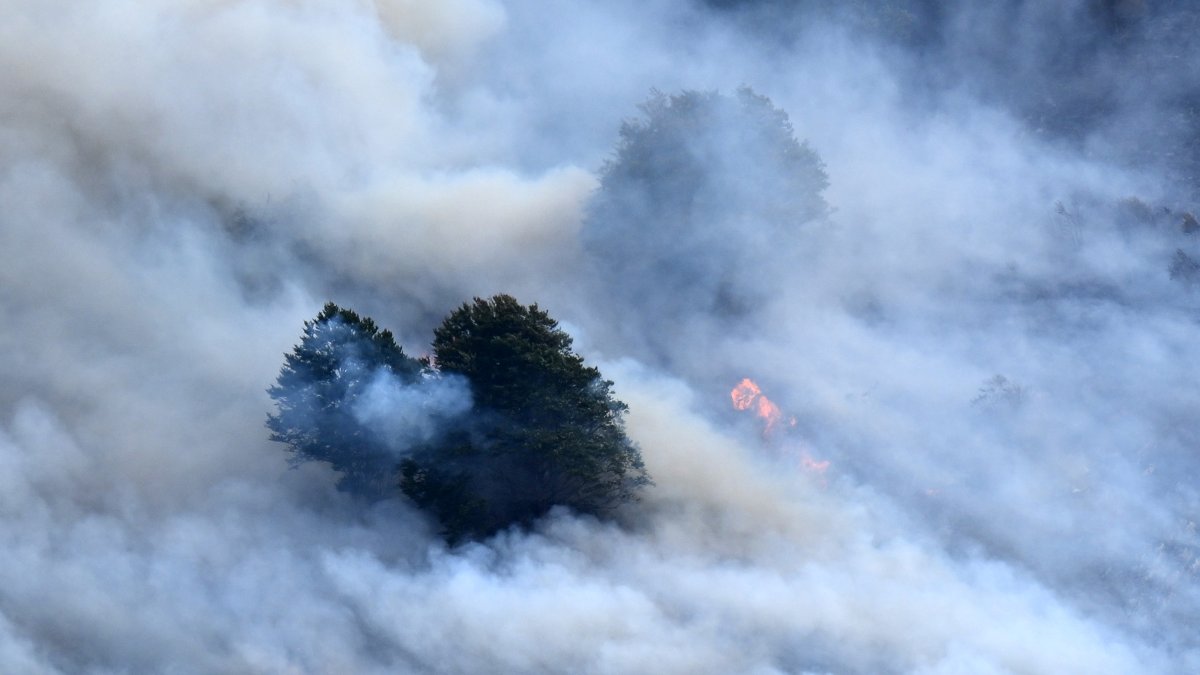
Wildfires and heatwaves are threatening to undermine global efforts to improve air quality, protect human health and safeguard ecosystems by producing microscopic pollutants that can remain suspended in the air, the World Meteorological Organization said Monday.
The United Nations weather and climate agency highlighted the close links between air pollution and climate change, which scientists say is contributing to more frequent and intense heatwaves and wildfires.
“Extreme wildfires are increasing, leading to big health consequences because of the high toxicity of smoke,” the WMO said in a statement accompanying its latest annual Air Quality and Climate Bulletin.
The agency said regulations in Europe and North America have helped reduce industrial and transportation emissions of fine particulate matter, known as PM2.5. However, exposure to PM2.5 from wildfires has increased, offsetting some of those gains.
PM2.5 consists of microscopic particles and droplets measuring less than 2.5 micrometers in diameter. Because the particles are so small, they can penetrate deep into the lungs and enter the bloodstream, posing a serious risk to human health.