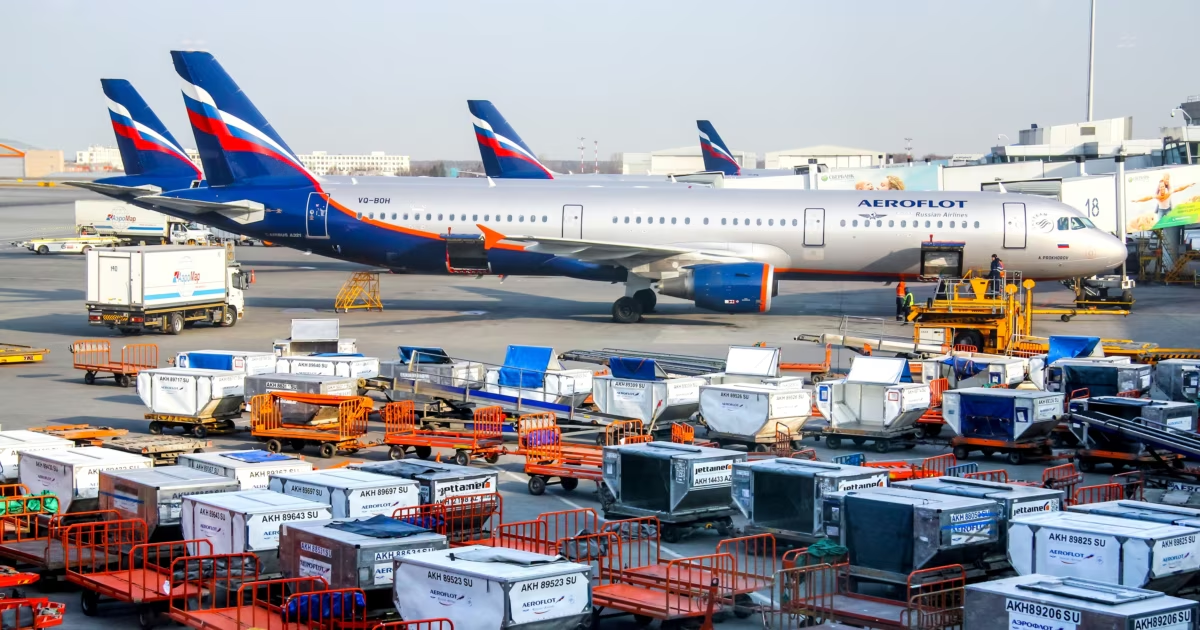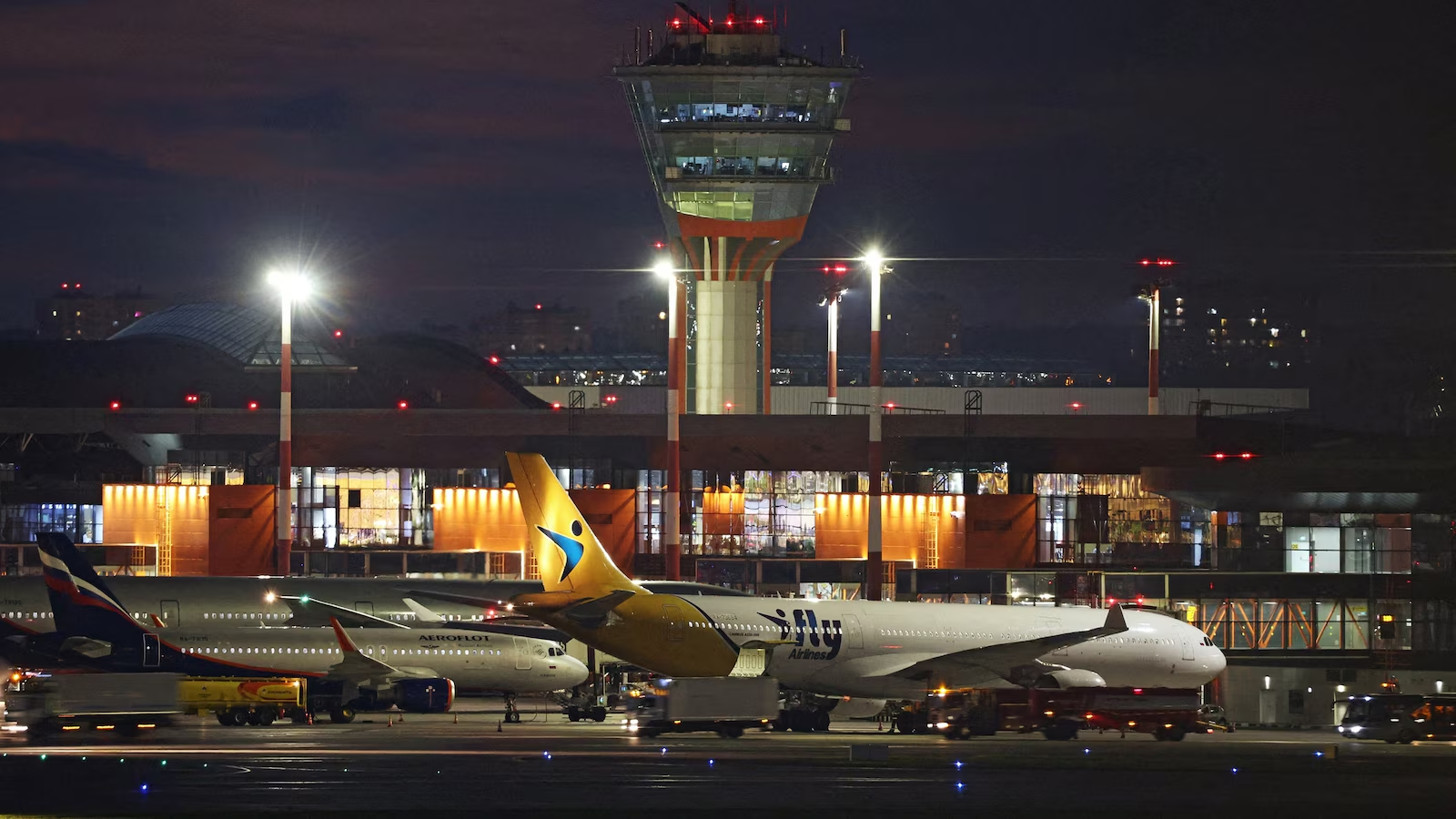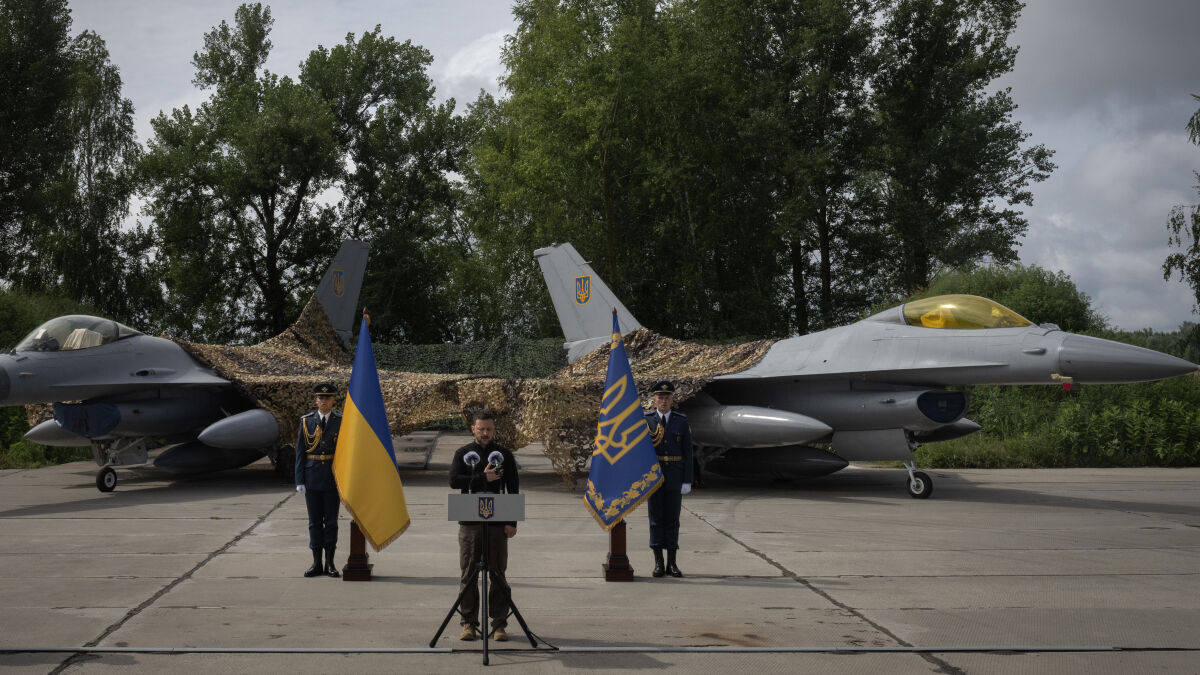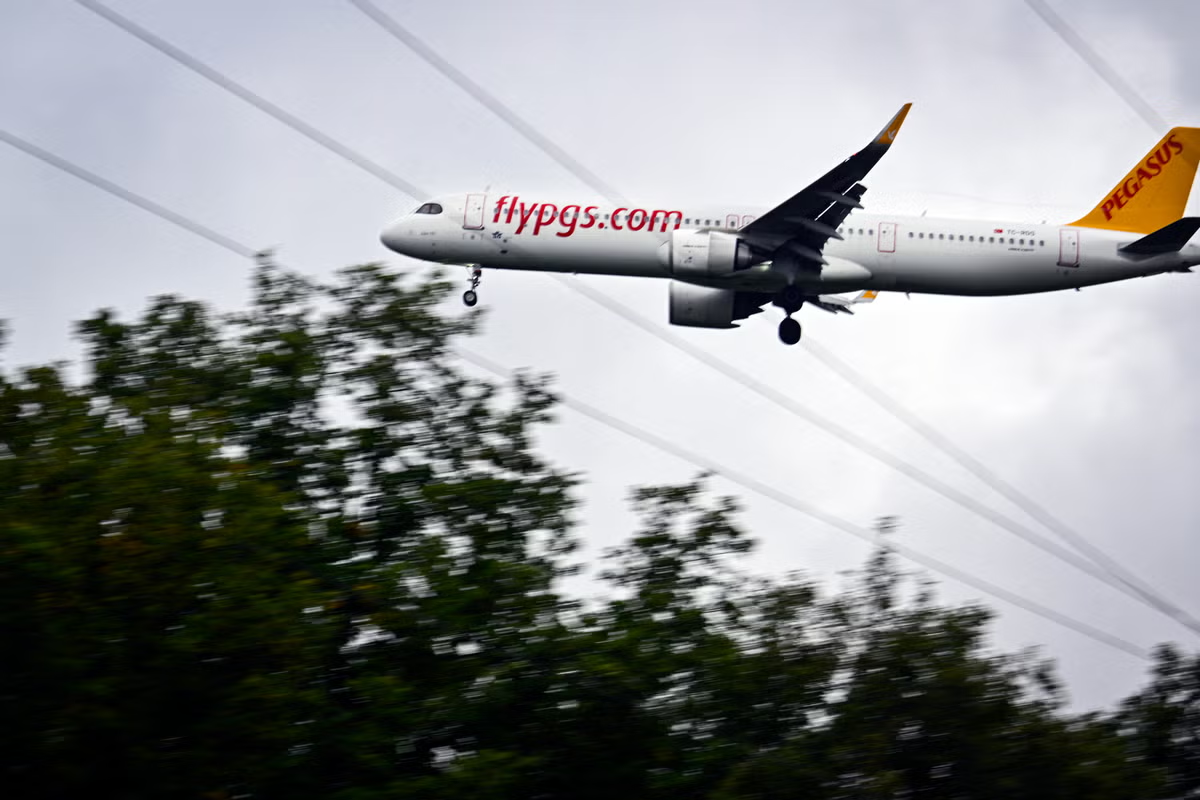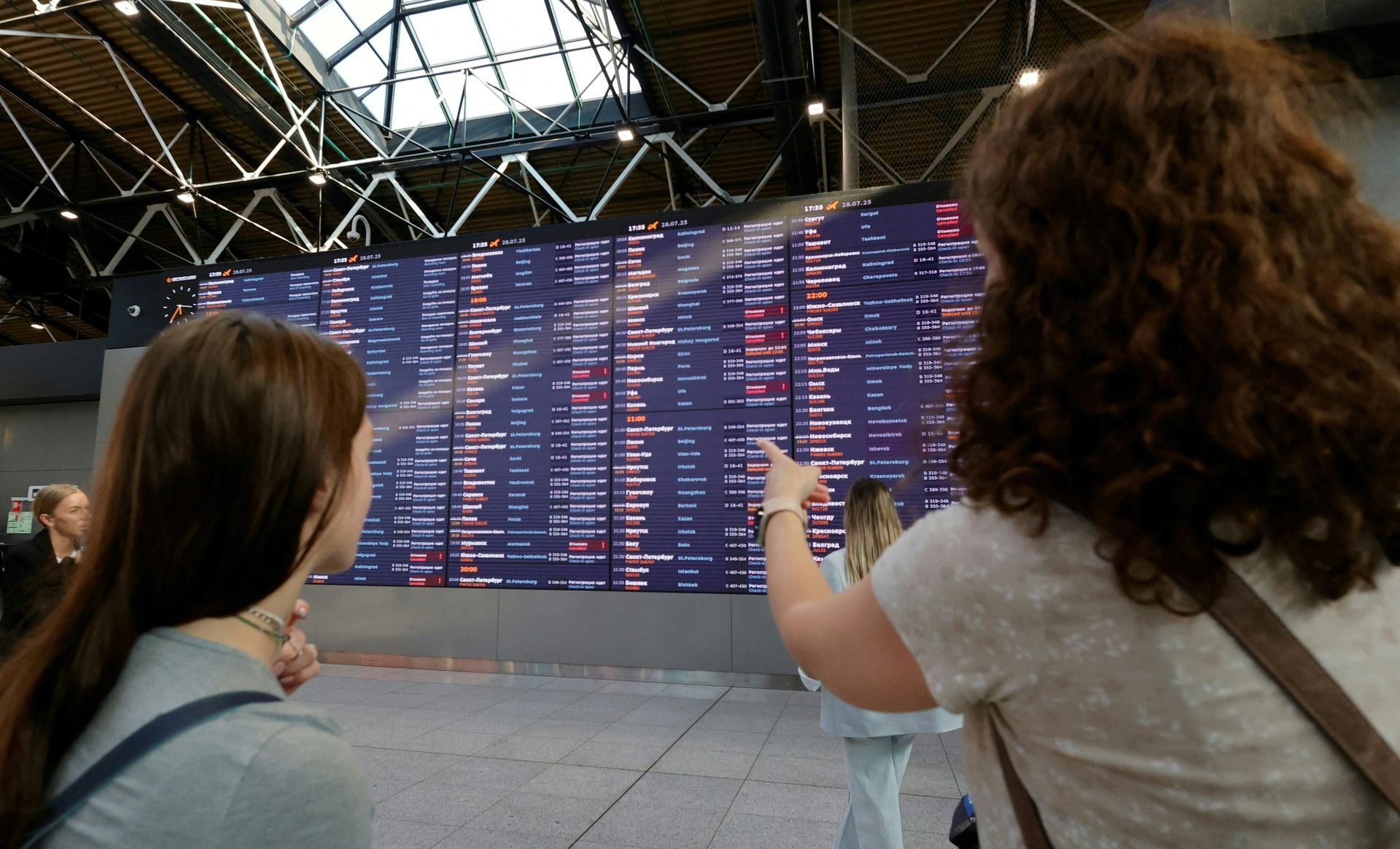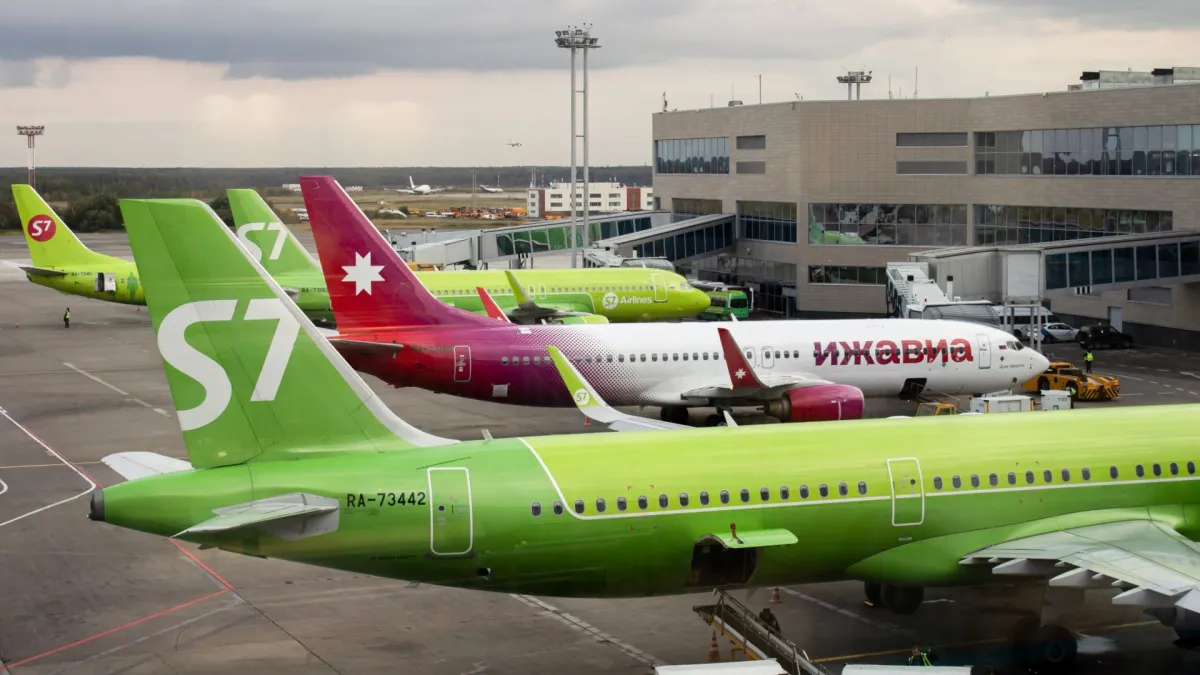
Last week, President Volodymyr Zelensky issued an extraordinary warning. Russian airspace is about to become so saturated with Ukrainian drones that it will be “completely unsafe” for civil aviation, he said, urging airlines to suspend services. The declaration of a de facto no-fly zone was couched in a goodwill gesture of letting everyone know in advance.
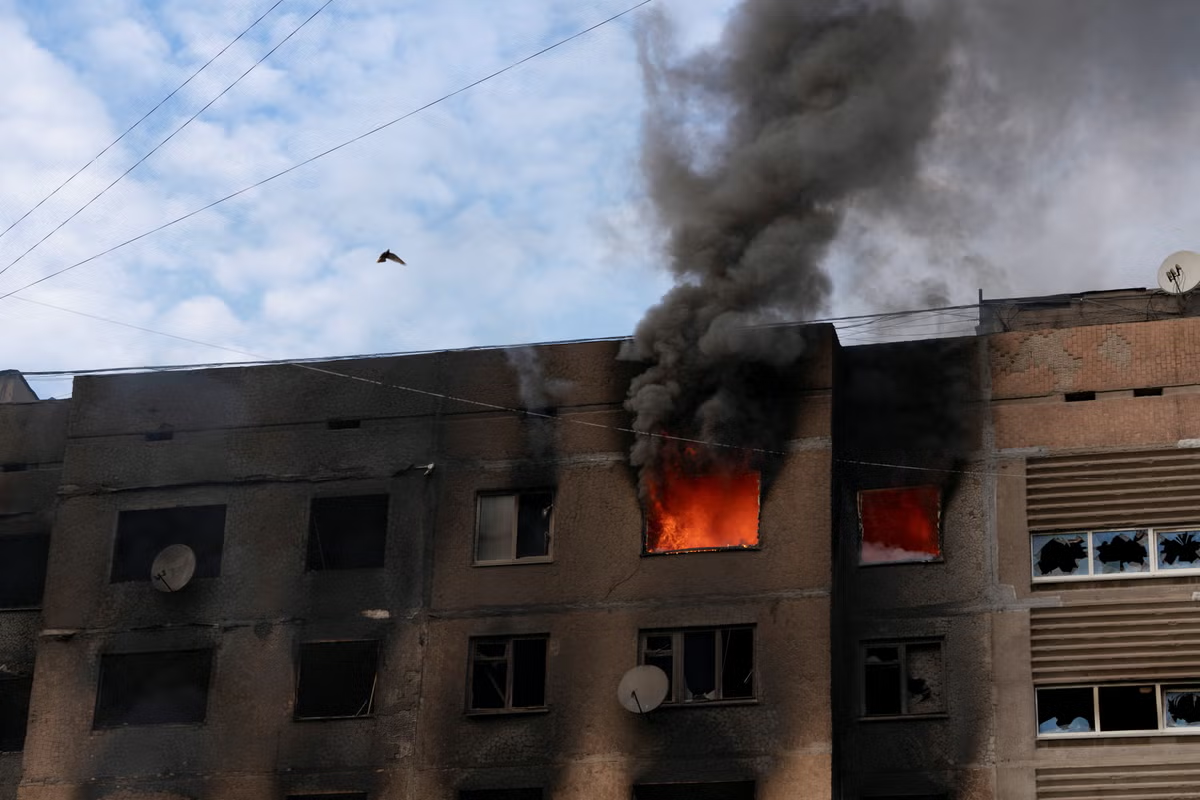
Zelensky framed the statement as a response to the increased tempo of Russian attacks targeting Kyiv in recent weeks. These attacks are dominated by the jet-powered Geran-4 drone that is fired constantly in small batches, disrupting daily life and business, and leaving residents nervous and exhausted. The drones pose a major dilemma to Ukraine’s air defences. Only high-value portable MANPADs, air-to-air missiles, and surface-to-air systems are capable of dealing with them.
Zelensky’s intervention was influenced by the Ukrainian public’s expectation of a swift and effective response. As with the ballistic missile threat from the Bryansk region of Russia, defensive action is not enough. A pro-active response is required.
Shorts
The warning to pilots and airlines marked an effort to maintain Ukraine’s moral high ground over Russia, signalling that it is exercising self-defence in a way that is mindful of civilians and the laws of war – and need not jeopardise support from European countries. Zelensky stopped short of adopting the more reckless plans of former defence ministry chief Mykhailo Fedorov, who proposed swarming Moscow airports with AI-powered drones.